Can You Hold Bitcoin in a Roth IRA? Understanding the Options, Costs, and Rules
Holding Bitcoin inside a Roth IRA sounds simple until the fees, IRS tripwires, and storage rules complicate every decision. The method you choose could mean the difference between keeping all your gains tax-free and accidentally triggering a taxable withdrawal.

This post may contain links from our sponsors and affiliates, and Flywheel Publishing may receive compensation for actions taken through them.
Yes, you can hold Bitcoin (CRYPTO:BTC) in a Roth IRA. You have two main options: you can invest in a spot Bitcoin fund or set up a self-directed account that holds the actual coins. Each option comes with its own costs, paperwork, and storage methods, so understanding these differences is crucial to avoiding unexpected expenses.
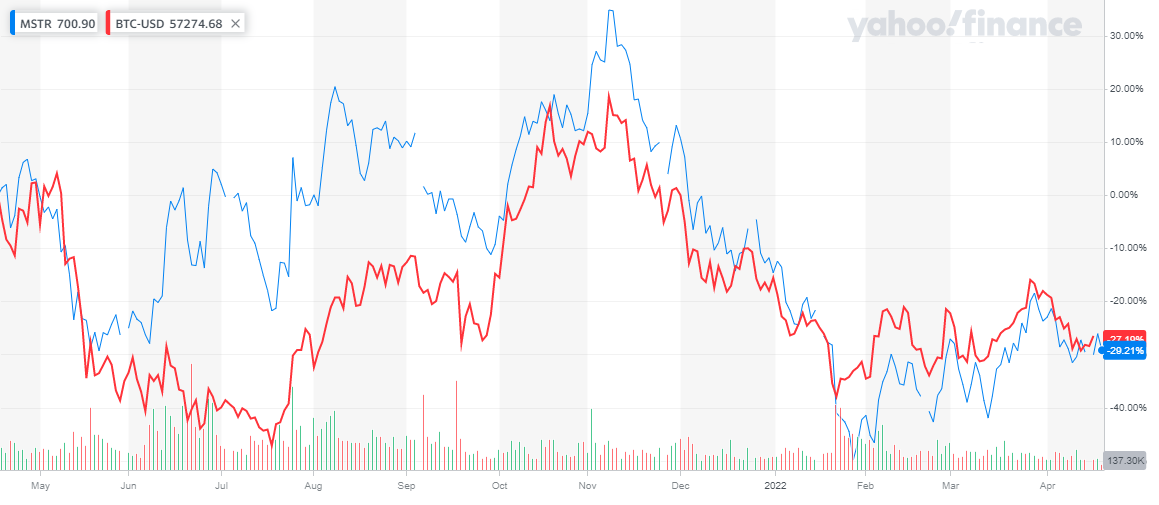
As Bitcoin’s price fluctuates, more retirement savers are asking about their options. For example, Bitcoin traded at $85,546 on October 6, 2026, reflecting a 7% increase over the past month but a 31.6% drop over the previous year, and it remains 32.1% below its all-time high of $126,080 reached in October 2025.
A Roth IRA lets you invest money you’ve already paid tax on, and qualified withdrawals are tax-free once you are 59½ and the account has been open for at least five years. This tax advantage appeals to Bitcoin investors, since the account’s value can increase significantly without triggering taxes. So, which investment route should you take, and what does each option cost?
The Two Ways to Hold Bitcoin in a Roth IRA
The simpler option is to invest in a spot Bitcoin fund. This exchange-traded fund holds Bitcoin and can be bought and sold on a stock exchange like a stock. You would purchase shares in this fund through a regular Roth IRA, without needing to create a new account. The custodial firm responsible for the fund manages Bitcoin storage and security.
The second option is to set up a self-directed IRA that directly owns Bitcoin. In this case, you’ll need a specialist custodian—an accredited firm that can legally hold IRA assets—because most standard brokerage accounts do not accommodate cryptocurrency. This choice means more paperwork and potentially higher fees.
It’s crucial to be aware of IRS regulations regarding prohibited transactions. For example, moving Bitcoin from your IRA to a personal wallet may be treated as a withdrawal, triggering taxes and possible penalties. The US Tax Court underscored this point in a 2021 case involving IRA gold coins that an investor kept at home.
Both methods are currently permitted under existing regulations. While the SEC proposed a new custody rule on October 1 regarding how investment advisers handle Bitcoin, a related bill in Congress has stalled. As a result, the rules for Roth IRAs remain unchanged for now.
Which Bitcoin Funds Qualify and What They Cost
Any spot Bitcoin fund offered by a Roth IRA provider is eligible for inclusion, as these funds are treated like traditional securities. The main cost is the expense ratio—an annual fee calculated as a percentage of your investment that covers the fund’s operating costs. Morgan Stanley’s Bitcoin Trust (MSBT) offers the lowest expense ratio at 0.14% annually since its launch in April.
Currently, more than a dozen US spot Bitcoin funds compete, helping keep fees low. For example, BlackRock’s iShares Bitcoin Trust (IBIT) charges 0.25%. On a $10,000 investment, this difference translates to roughly $14 a year with MSBT compared to about $25 with IBIT.
In contrast, the self-directed IRA option usually costs more because of additional fees, including account management and custody fees, which can vary significantly by custodian.
How a Roth IRA Taxes Bitcoin Gains and Losses
The primary benefit of holding Bitcoin in a Roth IRA is the tax treatment. Gains realized within the account are not taxed when you make a qualified withdrawal. So, if Bitcoin’s value doubled, you would keep all those profits.
Given Bitcoin’s price volatility—more than doubling in 2024 and declining about 64% in 2022—this tax shelter can be quite valuable. A year of significant gains could generate substantial tax-free profit in a Roth IRA.
However, remember this protection applies only to gains. In a taxable account, if an investor sells Bitcoin after a 31.6% drop, they can use the loss to offset other gains for tax purposes. In a Roth IRA, such losses provide no tax relief.
Is It Worth Holding Bitcoin in a Roth IRA?
For many investors, a spot Bitcoin fund is the simplest way to include Bitcoin in a Roth IRA. It requires no new account setup, offers low fees starting at 0.14% per year, and delegates storage responsibility to the fund’s custodian. On the other hand, if you prefer to hold the actual coins, you may choose the self-directed route, but be ready for higher costs, more paperwork, and adherence to IRS rules.
Ultimately, the Roth IRA is advantageous only if Bitcoin appreciates in value. If it rebounds from $85,546 to its all-time high of $126,080, you could achieve a tax-free gain of about 47%. However, if the price falls further, you would get no tax relief to offset the loss.
Before deciding, check which funds your Roth IRA provider allows, and consider consulting a CPA to see how this option fits into your overall tax situation.
Contact [email protected] for any questions or corrections.
Sam Daodu is a crypto analyst who's spent nearly a decade making blockchain understandable—no easy task when most whitepapers read like fever dreams. He writes for 24/7 Wall St., covering Bitcoin, altcoins, and crypto market analysis for investors. Before crypto, he was a tech writer (back when explaining "the cloud" was peak innovation). Since 2018, he's written for CoinTelegraph, Yahoo Finance, The Block, Cryptonews, Zypto, Rain, and more—basically anywhere people want crypto news without the headache. Sam runs MacLabs Marketing, a content agency for crypto brands tired of sounding like AI wrote their website. He also publishes free crypto education on his site for Web3 enthusiasts who think "gas fees" is a typo. When he's not writing or staring at charts, Sam's either: - Watching anime (currently convinced One Piece has better tokenomics than most altcoins) - At the gym sculpting himself into a Greek god - Listening to the music your mum warned you only bad boys listen to Connect: LinkedIn | Email | MacLabs Marketing