XRP or a 4% Savings Account: Which Has Paid More Since the Start of 2024?
Timing turns the same $10,000 investment into a big win or a painful loss depending on which year you chose XRP over a savings account. The gap between those two outcomes might surprise you.

This post may contain links from our sponsors and affiliates, and Flywheel Publishing may receive compensation for actions taken through them.

XRP (CRYPTO: XRP) is a cryptocurrency designed for fast and efficient cross-border payments. As of January 2024, it beat a 4% savings account for those who invested then, but for those who started in January 2025, the savings account came out on top. Which option is better depends on when you invested.
XRP is trading at $1.28. That’s a drop of about 31% in 2026 and about 65% lower than its July 2025 peak of $3.65. During this period, a savings account has never seen such a steep decline, but it also didn’t enjoy XRP’s tremendous gains. So, which option is worth more in October 2026, and does starting a year later change the outcome?
What $10,000 in XRP and a 4% Savings Account Became
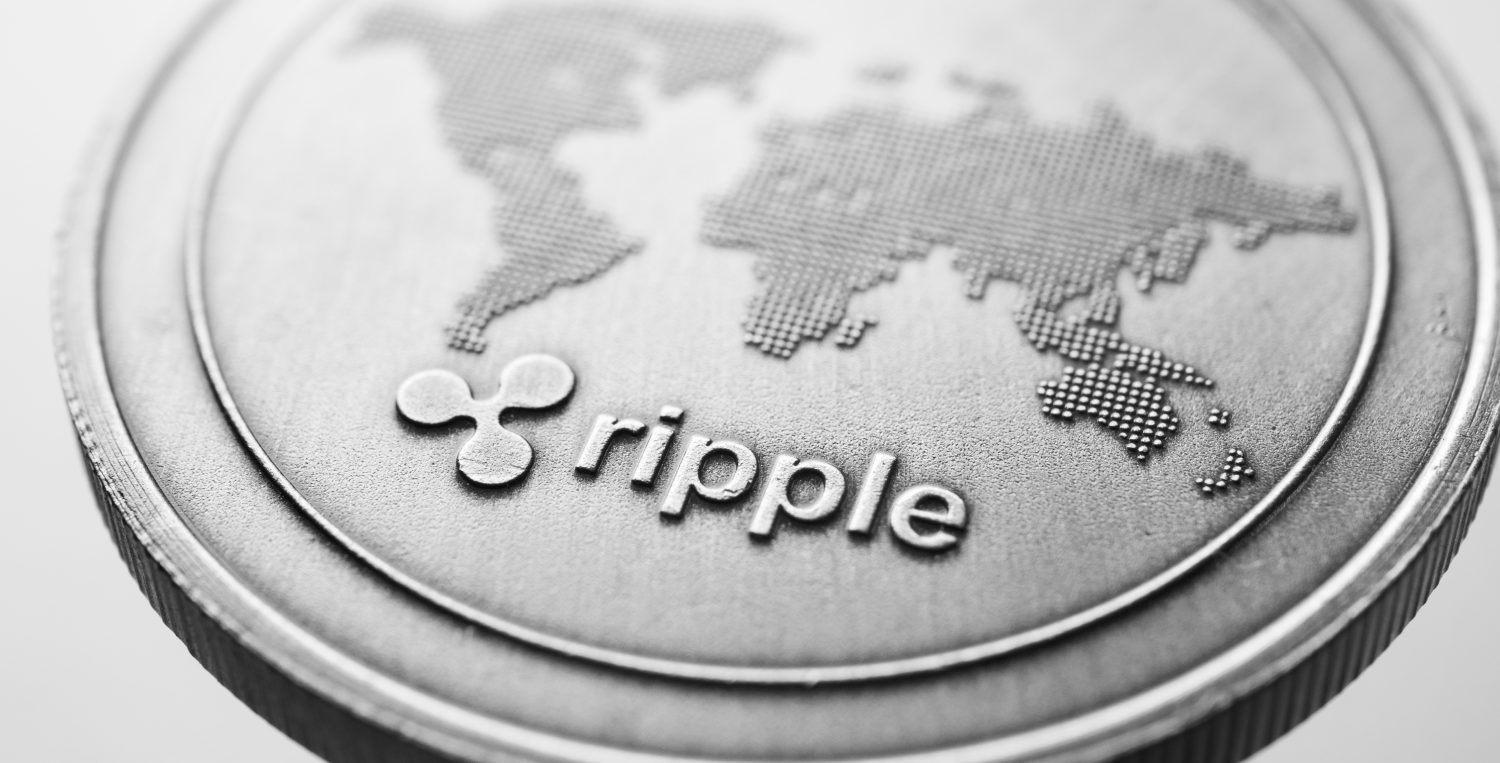
In early 2024, high-yield savings accounts were attractive because the Federal Reserve’s target rate was 5.5%. During this time, XRP traded at around 63 cents. A savings account provided a predictable return, while investing in XRP offered the potential for significant gains, coupled with the risk of losing a considerable amount.
| Start date | XRP price | Coins bought | XRP value on October 29 | 4% savings on October 29 |
|---|---|---|---|---|
| January 1, 2024 | $0.63 | 15,880 | $20,330 | $11,170 |
| January 1, 2025 | $2.33 | 4,292 | $5,490 | $10,740 |
Investing $10,000 in XRP in January 2024 bought about 15,880 coins. By October 29, those coins were worth approximately $20,330, yielding a 103% gain. In contrast, the savings account grew to about $11,170, leaving XRP about $9,150 ahead.
For those who invested a year later, the outcome flips. XRP closed at about $2.33 on January 1, 2025, giving the same $10,000 investment about 4,292 coins. By October 29, these coins were worth approximately $5,490, reflecting a 45% loss. Meanwhile, the savings account increased to about $10,740, giving savers an advantage of around $5,250.
XRP Fell From $3.65, and Taxes Also Tilt the Result
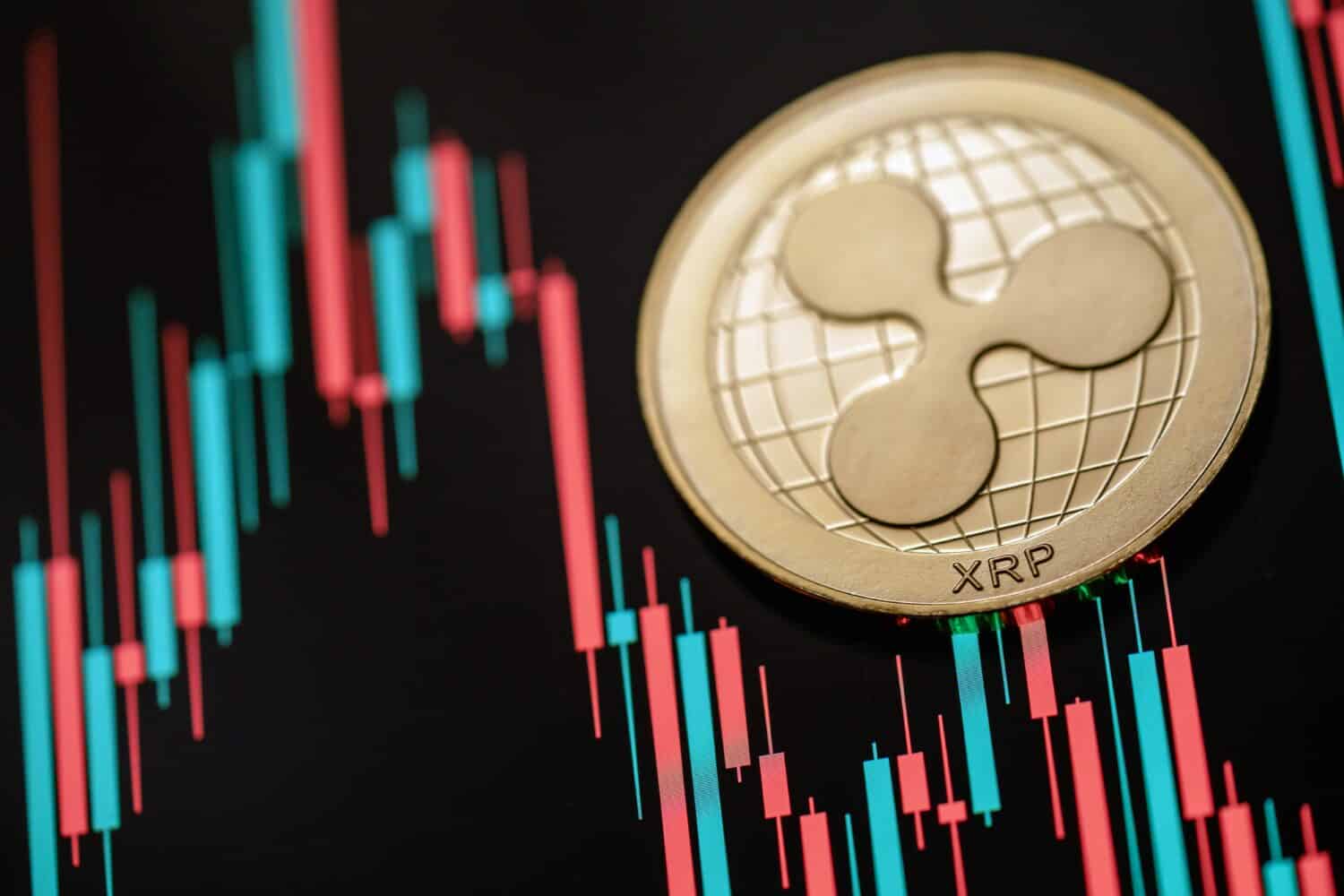
Even the successful January 2024 investor had to weather considerable ups and downs. At XRP’s peak of $3.65, their 15,880 coins were valued at roughly $57,960. The decline to $1.28 wiped out nearly $37,640 from that peak value, but XRP still came out ahead over this period.
Taxes can also influence the outcome. Interest earned in savings accounts is treated as income, so someone in the 22% tax bracket would pay about $88 in federal tax on a year of 4% interest from $10,000. In contrast, capital gains from crypto profits are only taxed when the asset is sold. Investors who hold XRP for over a year can benefit from a lower tax rate.
Should the Same Cash Go to Savings, XRP, or a Split of Both?
Putting money in a savings account prioritizes security. It keeps your balance stable, provides easy access, and avoids losses, though returns are capped. Currently, the Fed’s upper target rate is back at 4%, and earning a rate near that usually means seeking out online banks. This approach typically works best for emergency funds and cash you plan to use within a few years.
Investing entirely in XRP offers potentially high rewards, but it comes with greater risk. While the 2024 investor roughly doubled their cash, recent market volatility has led XRP down about 50% from a year ago. Because of this, putting emergency funds into XRP may be a poor choice, since one bad year could erase several years’ worth of interest earned on savings.
For a balanced approach, consider splitting the investment. A 90/10 allocation of $9,000 in savings and $1,000 in XRP would have grown to about $12,090 at the start of 2024 and about $10,220 at the start of 2025. Both scenarios exceed the original $10,000, unlike the 2025 XRP investor’s outcome.
Which Has Paid More, XRP or a 4% Savings Account?
Ultimately, investment timing determines the winner here. XRP outperformed a savings account for investors who bought in January 2024 by about $9,150, while the savings account yielded better results for investors who bought in January 2025 by about $5,250. You can’t predict the right time to invest.
Investors who bought XRP immediately after its price surge faced losses, highlighting the risks of chasing high returns. Conversely, XRP’s long-term performance still marks an overall gain of about 122% over three years. If the Fed maintains its target rate around 4%, savings accounts may remain competitive. If rates are cut, lower savings yields might make XRP’s volatility easier to accept—but only for funds that can sit untouched for years.
Contact [email protected] for any questions or corrections.
Sam Daodu is a crypto analyst and the editor of 24/7 Wall St.'s Crypto Desk, where he covers Bitcoin, XRP, Ethereum, Solana and the altcoins investors search for most. His work focuses on price levels, spot ETF flows, on-chain data and the regulatory decisions that move crypto markets, written so a first-time buyer and a seasoned trader can both use it.
Sam has written about crypto professionally since 2019 and has published more than 2,000 articles. Before joining 24/7 Wall St., he wrote for crypto media outlets and Web3 companies and ghostwrote for crypto founders and token launches. His analysis is syndicated on Yahoo Finance, MSN and AOL and has been cited by other crypto news sites. He also founded MacLabs Marketing, a content and personal branding agency for crypto founders and executives.
When he isn't reading charts, Sam is usually at the gym or watching One Piece, a series he maintains has better tokenomics than most altcoins.