Binance Needs to Buy Back Billions in Stolen Coins. Could Its Buying Lift Bitcoin?
After North Korea's record-breaking heist drained billions from Binance, the exchange scrambled to replace stolen coins before reopening withdrawals. Whether that effort signals a Bitcoin recovery or just a fleeting weekend bounce depends on what the numbers actually reveal.

This post may contain links from our sponsors and affiliates, and Flywheel Publishing may receive compensation for actions taken through them.
Binance has successfully restored 90% of the coins stolen by a North Korea-linked hacker, according to CEO Richard Teng. The exchange plans to use its funds to cover the last 10%. Bitcoin holders are wondering whether the Binance buyback could raise Bitcoin’s price (CRYPTO: BTC).
As of October 31, 2026, Bitcoin is trading at $77,562, up 1.4% in the past 24 hours. This comes after a modest drop to around $77,200 on October 30. Although the uptick is encouraging, Bitcoin remains 38.5% below its all-time high of $126,080 from October 2025. So, can the Binance buyback drive the price up?
Binance Already Held Most of the Coins It Needed to Replace
As part of its commitment to customers, Binance must replace the stolen coins before lifting the withdrawal freeze that was put in place on October 30. Teng said Binance plans to resume withdrawals on November 1. Co-founder Yi He mentioned that the company has allocated $6.34 billion from its corporate funds into a User Fund, designed specifically to repay those affected.
This buyback means Binance is using its existing capital, so once the gap is filled, the buying will stop. In fact, Binance had already covered a significant portion of the loss without needing new purchases. On October 30, it disclosed that it held $5 billion worth of the affected tokens. It will purchase the remainder through private trades, minimizing any potential impact on market prices.
Whale Alert, a blockchain tracking service, reported the movement of 7,499 BTC, valued at around $581 million, from the Secure Asset Fund for Users (SAFU). Binance confirmed that this transfer, intended to protect customers, moved coins already owned by the exchange between wallets and added no new demand to the market.
Yi He also said major cryptocurrencies like BTC, ETH, USDT, BNB, SOL, USDC, XRP, USD1, RLUSD, and ZEC are fully backed, meaning Binance has enough of each to satisfy customer balances. Since Bitcoin is already accounted for, the remaining purchases will likely focus on smaller tokens. According to Lookonchain, the team behind Ethena (CRYPTO: ENA) deposited 129 million ENA—approximately $24 million—into Binance as Binance buys back stolen assets.
Bitcoin’s Bounce Is Modest and Still Below Its Key Averages
Bitcoin is trading below its 20-day simple moving average of roughly $81,300 and its 50-day average of around $81,900, indicating that this bounce hasn’t reclaimed either trend line. While it holds above its 200-day average of about $73,100, suggesting a long-term uptrend remains intact, the current market conditions warrant caution.
The slight price recovery has been influenced by thin weekend trading, with total crypto trading volume down 33.4% over 24 hours. This reduced activity can make minor buying moves move prices more sharply. Additionally, large investors have been withdrawing from Bitcoin, as spot Bitcoin ETFs recorded outflows of around $643 million on October 30—exceeding the $581 million SAFU transfer.
In the past 24 hours, Ethereum (CRYPTO: ETH) rose 1.0% to $2,255, XRP (CRYPTO: XRP) rose 1.2% to $1.26, and Solana (CRYPTO: SOL) gained 1.8% to $96—the only one to outpace Bitcoin’s 1.4% rise.
Over 30 days, Bitcoin has dropped 8.5%, Ethereum has fallen 16.6%, XRP has fallen 16.3%, and Solana has dropped 18.9%, suggesting those coins have further to recover.
Could Binance’s Buyback Affect Ethereum and XRP More Than Bitcoin?
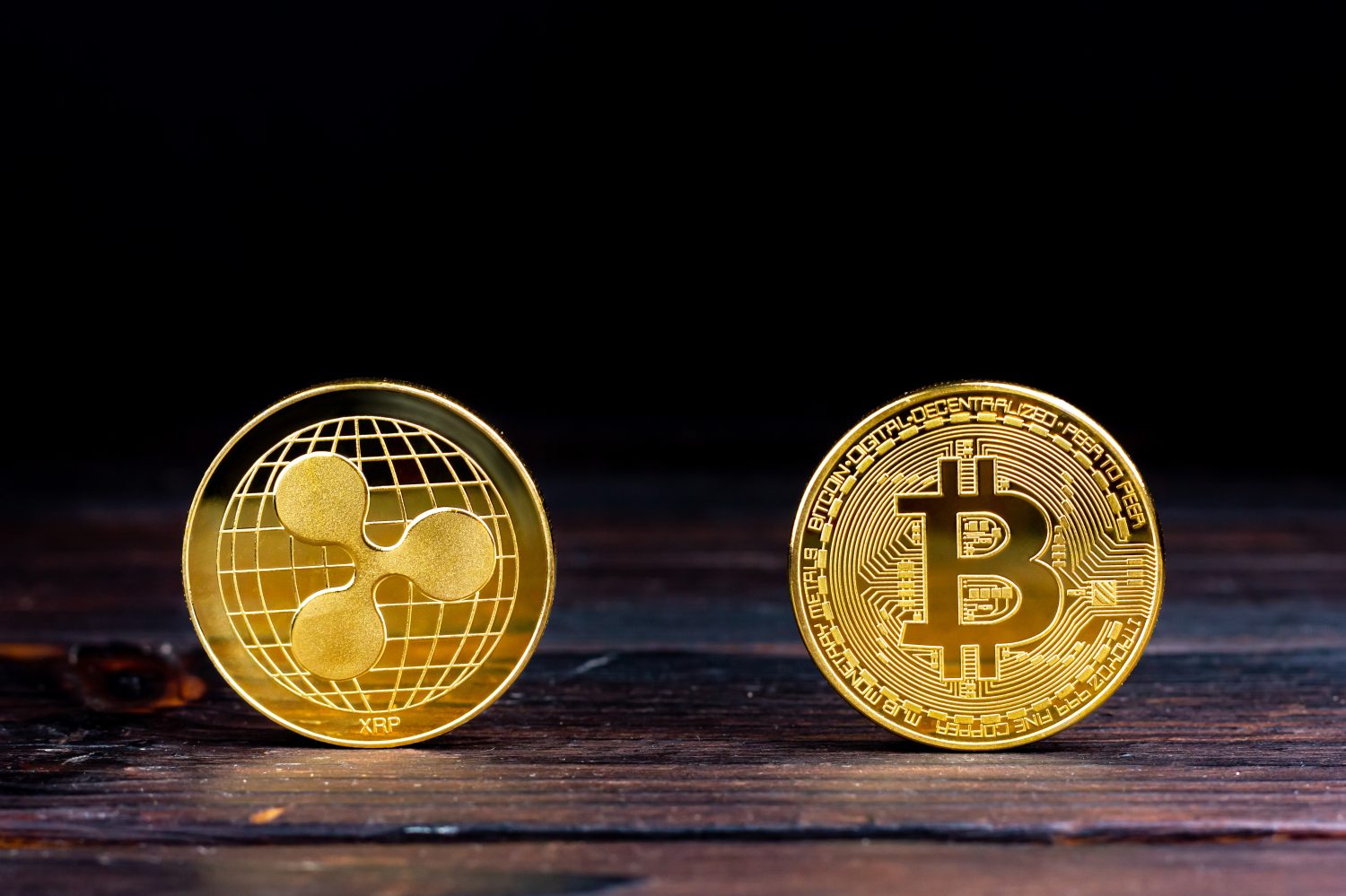
While Binance’s buyback efforts alone are unlikely to significantly impact Bitcoin’s price, the numbers look much different for Ethereum and XRP. According to Elliptic, the hacker gained control of about 18,270 BTC, worth about $1.42 billion, representing around 2% of Bitcoin’s 24-hour trading volume.
By comparison, around 519,000 ETH, worth $1.17 billion, were stolen, making up about 20.2% of Ethereum’s daily volume, while 233 million XRP, worth $292 million, equates to 27% of XRP’s volume. Since trading volumes tend to dwindle on weekends, these percentages may seem inflated, but any further buying by Binance or selling by the hacker could impact Ethereum and XRP more significantly than Bitcoin.
Will the Binance Buyback Push Bitcoin Back Above Its 20-Day Average?
Long-time Bitcoin advocate Michael Saylor expressed confidence on October 30, stating, “Binance has committed its own balance sheet to making customers whole. I expect it to deliver.” However, supporters hoping for a price boost from the buyback are leaning on promises Binance has yet to keep. The Proof of Reserves results, which are meant to show that Binance holds every customer’s coins, are expected by November 2.
While the Binance buyback represents a significant step in recovering stolen assets, it is unlikely to spark a Bitcoin rally, because most of the coins came from reserves Binance already held. If Bitcoin closes back above roughly $81,300 after the reserve results arrive, restored trust is moving the price, but a close below roughly $77,200 would mean the 1.4% bounce was thin weekend trading, so can the Binance buyback lift Bitcoin?
Contact [email protected] for any questions or corrections.
Sam Daodu is a crypto analyst and the editor of 24/7 Wall St.'s Crypto Desk, where he covers Bitcoin, XRP, Ethereum, Solana and the altcoins investors search for most. His work focuses on price levels, spot ETF flows, on-chain data and the regulatory decisions that move crypto markets, written so a first-time buyer and a seasoned trader can both use it.
Sam has written about crypto professionally since 2019 and has published more than 2,000 articles. Before joining 24/7 Wall St., he wrote for crypto media outlets and Web3 companies and ghostwrote for crypto founders and token launches. His analysis is syndicated on Yahoo Finance, MSN and AOL and has been cited by other crypto news sites. He also founded MacLabs Marketing, a content and personal branding agency for crypto founders and executives.
When he isn't reading charts, Sam is usually at the gym or watching One Piece, a series he maintains has better tokenomics than most altcoins.