Households That Pay Medical Bills by Card, Then Reimburse Themselves From an HSA, Are Earning Rewards on Health Care

This post may contain links from our sponsors and affiliates, and Flywheel Publishing may receive compensation for actions taken through them.

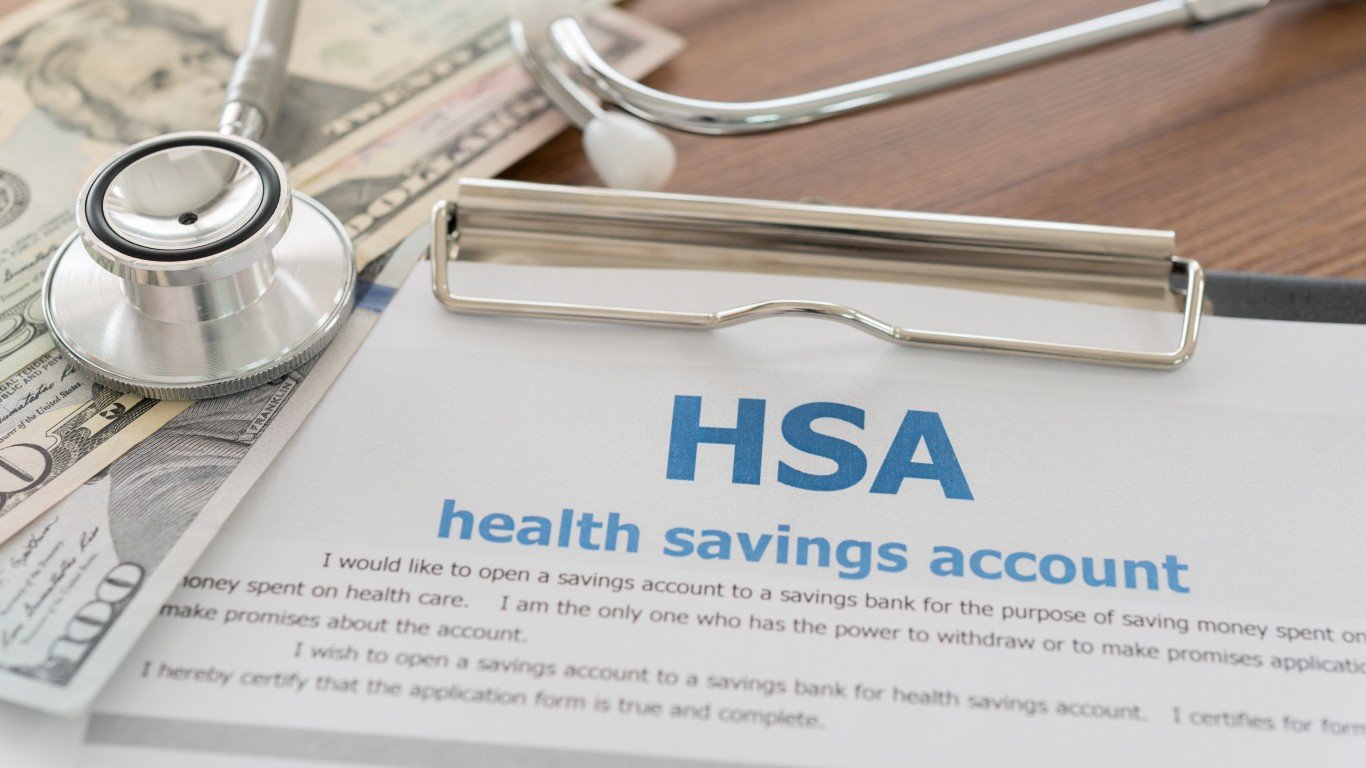
Health care is one of the largest bills American households pay. Consumer spending on health care services ran at a seasonally adjusted annual rate of $3,871.2 billion in September 2026, up from $3,634.3 billion a year earlier, according to Bureau of Economic Analysis data. If you have a health savings account (HSA), you can earn credit card rewards on your share of those bills and then pay yourself back from the HSA tax-free. You earn the rewards on care you had to pay for anyway, and the HSA money can keep growing until you reimburse yourself.
Four Steps to Earn Rewards on Medical Bills
- Pay the doctor, dentist or pharmacy with a rewards card you already use.
- Pay the card statement in full by the due date.
- Save the itemized receipt or explanation of benefits with the card statement.
- Reimburse yourself from the HSA for the qualified expense, either now or later.
How much you earn depends on your card’s reward rate. The tax benefit comes from the HSA. Under 26 U.S.C. § 223(f)(1)[1], money taken from an HSA and used only to pay qualified medical expenses is not counted as gross income.
IRS Rules That Keep the Reimbursement Tax-Free
What qualifies: Qualified medical expenses are amounts paid for medical care for you, your spouse and your dependents, to the extent insurance or another source has not covered them, under 26 U.S.C. § 223(d)(2)(A)[1]. Insurance premiums generally do not qualify, with listed exceptions, under § 223(d)(2)(B)[1].
When the expense happened: IRS Publication 969 (2025) says you can take tax-free distributions to pay or reimburse "qualified medical expenses you incur after you establish the HSA"[2]. Bills from before you opened the account do not count.
Timing: The publication also states, "You don’t have to make distributions from your HSA each year". You can reimburse yourself the same week or years later.
Records: Publication 969 requires records showing that each distribution paid only for qualified medical expenses and that those expenses "hadn’t been previously paid or reimbursed from another source"[2]. Withdrawals you cannot support count as income, and § 223(f)(4)(A)[1] adds a 20% additional tax.
Medicare Enrollees Can Still Reimburse Themselves
Publication 969 says, "Beginning with the first month you are enrolled in Medicare, your contribution limit is zero"[2]. The same rule appears in 26 U.S.C. § 223(b)(7)[1]. You cannot add new money after you enroll, but you can still use the balance you already have. Withdrawals for qualified medical expenses stay tax-free. After you reach Medicare age, the 20%[1] additional tax no longer applies under § 223(f)(4)(C), but withdrawals for anything other than medical care are still taxed as income. If you saved receipts for bills you paid after opening the HSA, you can reimburse yourself in retirement and turn those receipts into tax-free cash.
Catches That Can Wipe Out the Rewards
- Card fees: Some providers add a surcharge when you pay by card. If yours does, the fee may cost more than the rewards, so pay that bill another way.
- Interest: The average credit card APR was 21.19%[3] as of August 2026, according to the Federal Reserve’s G.19 release. Rewards never make up for interest on a balance you don’t pay in full. If you cannot pay the statement in full before interest starts, pay the provider straight from the HSA.
- Organizing receipts: A lost receipt can mean a withdrawal you cannot prove. Keep the itemized bill, proof of card payment and the matching HSA withdrawal together.
- Extra spending: Rewards apply only to care you need. They are never a reason to book an extra appointment.
Who This Strategy Suits
This works best if you already have an HSA, pay your card in full every month and keep good records. It also helps if you are nearing retirement, since years of saved receipts can turn into tax-free withdrawals after contributions stop at Medicare enrollment. The next step takes a few minutes: start a folder, paper or digital, for medical receipts, card statements and explanations of benefits, sorted by date.
Contact [email protected] for any questions or corrections.
Austin Smith is a financial publisher with over two decades of experience as an investor, analyst, and advisor. He covers stocks, ETFs, Artificial intelligence and personal finance for 24/7 Wall St. Previously, he spent over a decade at The Motley Fool as a senior editor for Fool.com, portfolio advisor for Millionacres, and launched The Ascent to help reader take control of their personal finances.
His work has been featured on Fool.com, NPR, CNBC, USA Today, Yahoo Finance, MSN, AOL, Marketwatch, and many other publications. He is as an advisor to private companies, and co-hosts The AI Investor Podcast with Eric Bleeker.
When not looking for investment opportunities, he can be found skiing, running, or playing soccer with his children. Learn more about Austin's investment approach here.