Tether Says It Holds 150,000 Bitcoin, 50,000 More Than Its Reserve Report Showed. What Does That Mean for BTC?
Tether's CEO just revealed a Bitcoin stockpile far larger than any official reserve report has shown, raising questions about what the stablecoin giant is actually building and whether its public disclosures tell the whole story.

This post may contain links from our sponsors and affiliates, and Flywheel Publishing may receive compensation for actions taken through them.

Tether CEO Paolo Ardoino announced that the stablecoin issuer possesses 150,000 Bitcoin (CRYPTO: BTC), valued at around $11.5 billion. This figure represents an increase of 50,000 coins from Tether’s latest reserve report because these additional bitcoins are considered company investments, not part of the reserves backing USDT.
Tether issues USDT (CRYPTO: USDT), the largest stablecoin pegged to the US dollar, designed to maintain a value of $1. If Arduino’s claim is accurate, USDT holders have no claim to this extra Bitcoin, which says more about Tether’s investment strategy than the money backing the stablecoin.
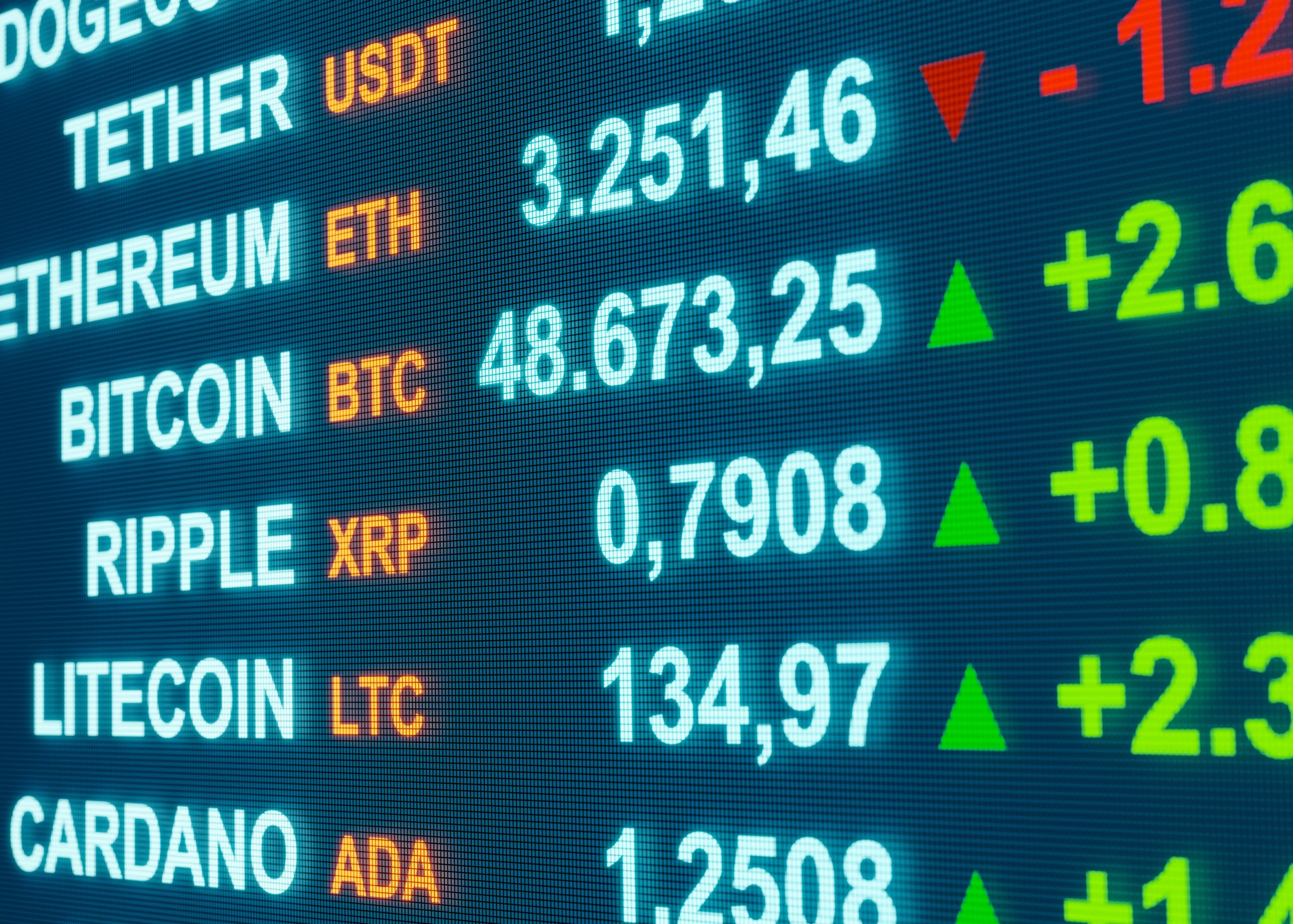
Bitcoin’s price remained stable in the news, trading at $77,609, up 0.4% over the last 24 hours. This follows a 3.7% drop over the past week and is about 38% below its all-time high of $126,080, set on October 6, 2025.
In contrast, shares of bitcoin-related companies moved significantly, with Strategy Inc. (NASDAQ: MSTR | MSTR Price Prediction) up about 5% and MARA Holdings (NASDAQ: MARA) up 8.9% after one-month declines of 14.2% and 37.7%, respectively. At current prices, Ardoino’s 150,000 BTC is worth roughly $11.6 billion, and the additional 50,000 coins are valued at around $3.9 billion.
Tether Splits Its Bitcoin Between USDT Reserves and Its Own Investments
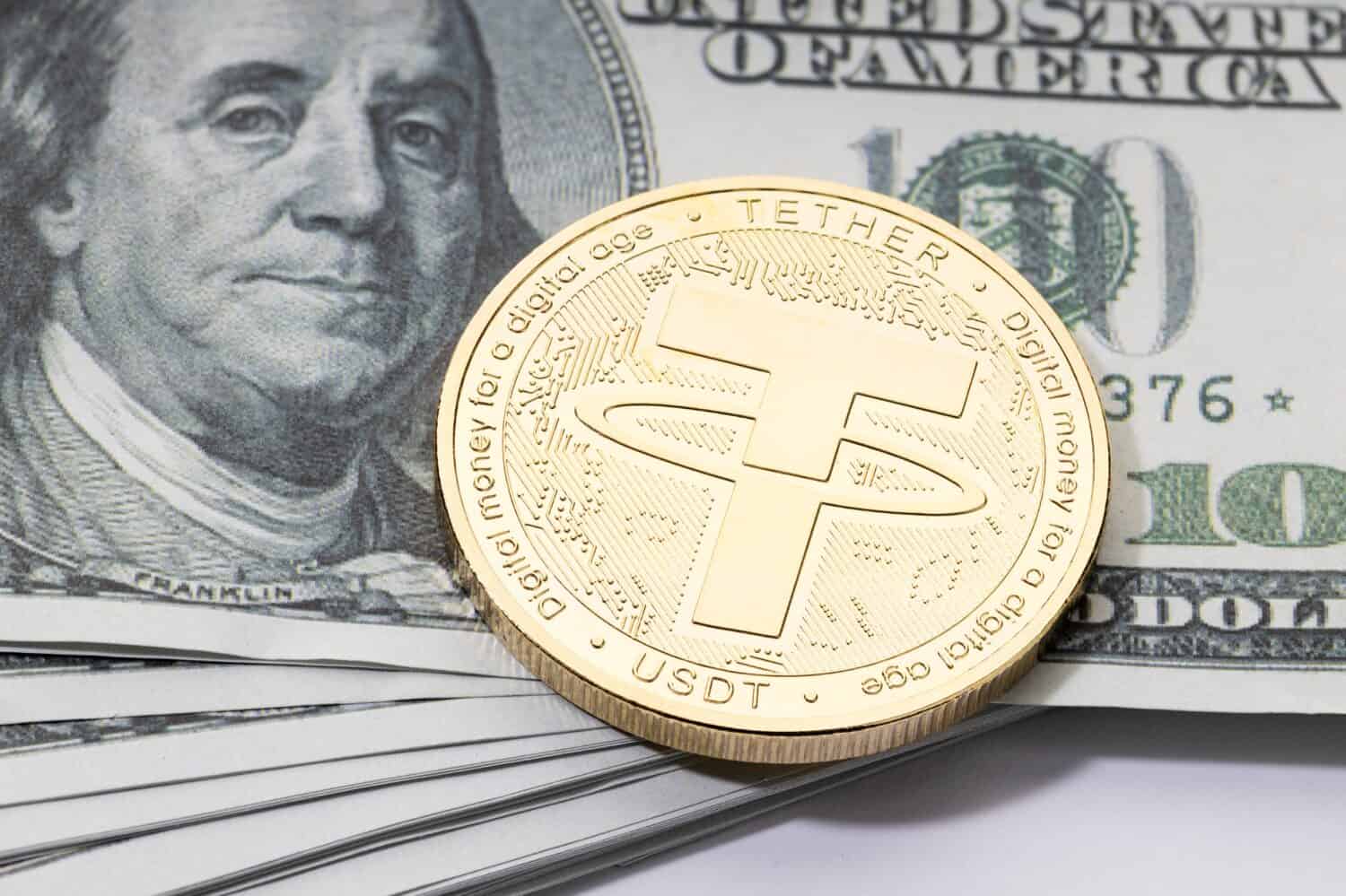
When customers trade dollars for USDT, Tether typically invests this money in U.S. Treasury bills, which are short-term loans to the government. Tether retains the interest earned, as USDT holders do not receive any yield. In the third quarter, T-bills and reverse repos—very short-term loans backed by Treasuries—were Tether’s primary sources of income.
Tether also issues a different stablecoin, USAT, which launched on January 27 under a federal bank charter held by Anchorage Digital Bank, while USDT continues to operate as its offshore product.
The reserve report Ardoino referenced is Tether’s third-quarter attestation from accounting firm BDO, released on October 30 and covering assets as of September 30. An attestation is a limited review that verifies reported assets existed on a specific date, rather than a full audit. These reserves include Bitcoin, gold, secured loans, and Treasuries, with Bitcoin counted as collateral backing USDT.
Ardoino’s statement introduces a separate category of Bitcoin. He explained that the extra coins are company investments, meaning Tether purchased them with its own funds, and they do not count as backing for USDT. This indicates that Tether’s total Bitcoin holdings exceed the figures presented in reserve reports, and these additional coins carry no promise for USDT holders.
In May 2023, Tether communicated via its official X account that it would regularly invest a portion of its net operating profits into Bitcoin. In 2025, Ardoino dispelled a rumor regarding Tether selling Bitcoin for gold by stating, “False. We buy and hold both.” However, his recent claims did not clarify whether the same profit strategy applies to these latest purchases or when Tether acquired the additional 50,000 coins.
Tether’s 150,000 BTC Claim Comes Without Wallet Addresses
Analysts currently have no way to independently verify the 150,000 BTC figure since Tether has not provided wallet addresses or attestation for these additional coins. CoinGecko’s public treasury tracker also does not independently confirm this information. Moreover, Ardoino leads a company that benefits if Bitcoin’s value rises, so this claim comes from a source with a strong incentive to portray a bullish outlook.
If the stated number is accurate, Tether would rank among the largest Bitcoin holders globally, although a few entities surpass it. Strategy Inc. reported holding 849,327 BTC in a filing dated November 2, while CoinGecko indicates that the U.S. government holds 329,693 BTC and China possesses 190,000 BTC. Should Tether’s claim be correct, it would rank ahead of the United Kingdom’s 61,245 BTC and far outpace MARA Holdings, the largest U.S.-listed Bitcoin miner, which holds 35,577 BTC.
Tether’s Bitcoin Disclosure Adds No New Demand
The iShares Bitcoin Trust ETF (NASDAQ: IBIT), the largest U.S.-listed spot Bitcoin fund, reports that 99.93% of its assets are in Bitcoin. As a result, every share purchase directly increases demand for Bitcoin. On the other hand, Tether’s announcement refers to coins it already owns and does not specify any new purchases, plans for future acquisitions, or budget allocations. A commitment to buy a set amount regularly could provide stronger support for Bitcoin’s price.
Even a steadfast long-term holder may need to sell because of financial obligations. For instance, Strategy Inc. has sold approximately $432 million worth of Bitcoin this year to cover preferred dividends and repurchase its preferred stock, which takes precedence over common shareholder dividends. For Tether, the bigger concern is its reserve holdings, as a rapid increase in USDT redemptions could force the company to liquidate assets quickly to meet obligations.
Regulatory changes could also add pressure on Tether. The Office of the Comptroller of the Currency’s new GENIUS Act rules, finalized on October 21, will take effect on January 18, 2027, and encompass foreign issuers, which may impact stablecoin operations going forward.
Contact [email protected] for any questions or corrections.
Sam Daodu is a crypto analyst and the editor of 24/7 Wall St.'s Crypto Desk, where he covers Bitcoin, XRP, Ethereum, Solana and the altcoins investors search for most. His work focuses on price levels, spot ETF flows, on-chain data and the regulatory decisions that move crypto markets, written so a first-time buyer and a seasoned trader can both use it.
Sam has written about crypto professionally since 2019 and has published more than 2,000 articles. Before joining 24/7 Wall St., he wrote for crypto media outlets and Web3 companies and ghostwrote for crypto founders and token launches. His analysis is syndicated on Yahoo Finance, MSN and AOL and has been cited by other crypto news sites. He also founded MacLabs Marketing, a content and personal branding agency for crypto founders and executives.
When he isn't reading charts, Sam is usually at the gym or watching One Piece, a series he maintains has better tokenomics than most altcoins.