The AI Capex Question Every QQQ Holder Should Be Asking Right Now
QQQ sits near all-time highs, but its fate in the second half of 2026 hinges on just two variables that most holders never track. Get either one wrong and the fund's year-to-date cushion evaporates faster than it built.

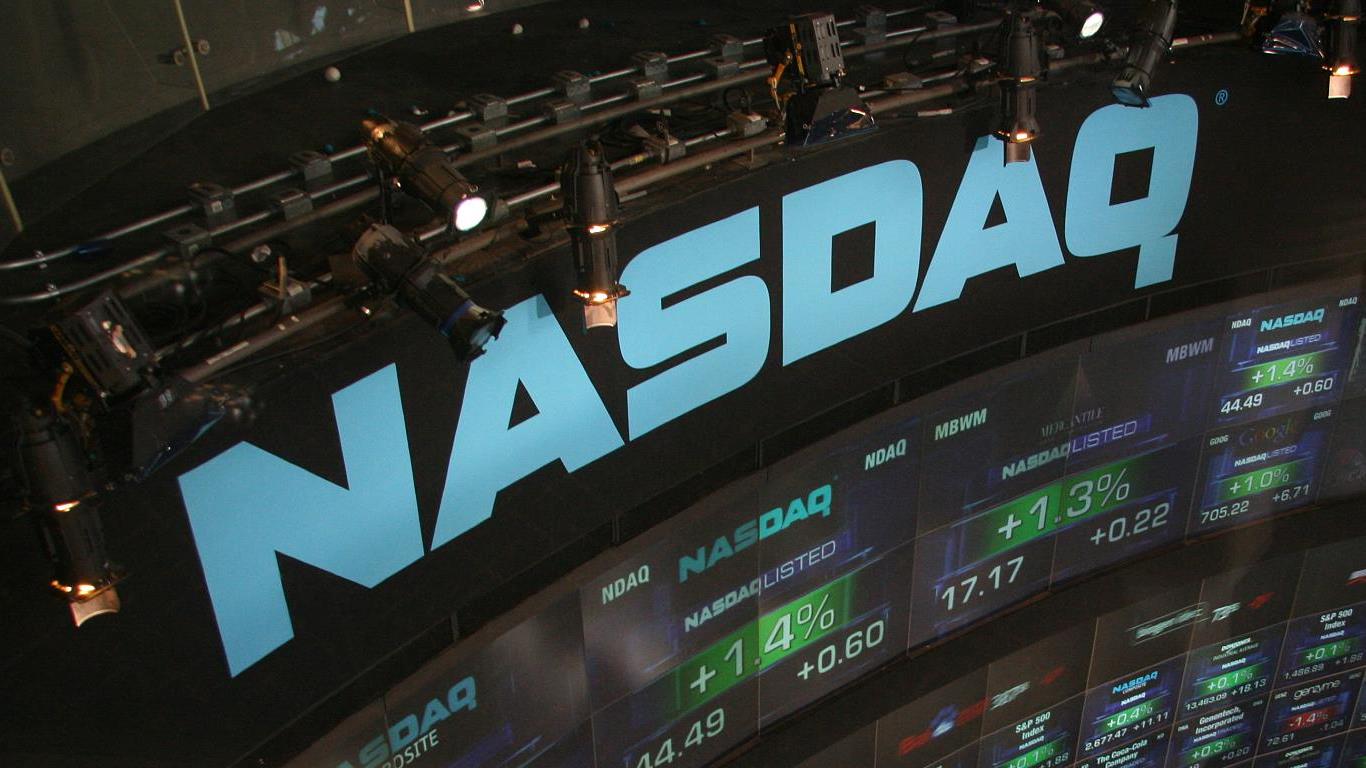
The Invesco QQQ Trust (NASDAQ:QQQ) trades near $720, up roughly 17% year to date and about 29% over the past year. Memory names like Micron Technology (NASDAQ:MU | MU Price Prediction) are up roughly 245% YTD while Microsoft has fallen about 20% in the same window. For anyone holding QQQ into the second half of 2026, two factors matter more than the fund’s 100-stock label suggests.
The Fund’s Current Position
QQQ tracks the Nasdaq-100, but concentration at the top has rarely mattered more. NVIDIA (NASDAQ:NVDA) carries a $5.1 trillion market cap, with Microsoft at $2.86 trillion, Alphabet at $2.11 trillion, and Meta Platforms at $1.45 trillion. Morningstar notes the top 10 U.S. stocks account for over one-third of the market, up from 18% a decade ago. In QQQ that concentration is even tighter, meaning two factors will drive most of what happens to your position.
Macro Factor: The 10-Year Treasury Yield
The most important macro variable for QQQ over the next 12 months is the 10-year Treasury yield, currently 4.62% and sitting in the 99th percentile of its 12-month range. The fed funds rate has been parked at 3.75% since December 2025. Growth stocks with earnings weighted years out are most sensitive to that long yield, and QQQ is essentially a portfolio of long-duration cash flows.
A sustained break above 4.75% on the 10-year would compress multiples on the top holdings fastest, while a retracement toward the February low of 3.97% would do the opposite. Check the FRED DGS10 series after every CPI print and FOMC meeting. The 10Y-2Y spread at 0.4% is still positive, so the market is not pricing recession; the real driver is the discount rate applied to Nvidia and Microsoft earnings in 2028 and beyond.
Fund-Specific Factor: AI Capex And Its Payback
The specific factor for QQQ is whether AI infrastructure buildout inside its top holdings converts into revenue. Meta raised its FY26 capex guide to $125-145 billion, Microsoft spent roughly $31 billion in a single quarter, and Alphabet spent about $36 billion. On the revenue side, Micron’s fiscal Q3 came in at roughly $41 billion, up about 346% year over year, with GAAP gross margin at 84.6%, and Nvidia guided Q2 revenue to $91 billion. The payback is showing up, for now. Goldman Sachs frames the tension as an “uneasy equilibrium” where AI capex is masking softer parts of the real economy (a theme our 7 Stocks Powering the AI Boom research digs into further).
Monitor hyperscaler capex commentary on the next earnings calls. Alphabet, Microsoft, and Meta all report in late July; Nvidia reports in August. Any guide-down on 2026 or 2027 spend, or any hint that cloud revenue growth is decelerating faster than capex, would hit QQQ harder because these four names carry the fund.
The Signals That Matter
If the 10-year Treasury settles below 4.30% while Q2 hyperscaler capex guidance holds firm, QQQ’s setup improves materially. If the 10-year pushes through 4.75% and any top four holding walks back 2027 AI spend, the fund’s 17% YTD gain is the cushion, and it will not last long. Investors seeking less AI concentration can look at equal-weight Nasdaq-100 or S&P 500 value funds as a hedge on the same macro view.
Contact [email protected] for any questions or corrections.
Marc Guberti is a personal finance writer who has written for US News & World Report, Business Insider, Newsweek and other publications. He also hosts the Breakthrough Success Podcast which teaches listeners how to use content marketing to grow their businesses.