Roundhill’s CCML ETF Targets the Unglamorous Choke Point That Powers AI and EVs
Every AI server board and electric vehicle runs on a tiny ceramic component most investors have never heard of, and a brand-new ETF just made it possible to bet directly on the handful of Asian manufacturers who control the global…


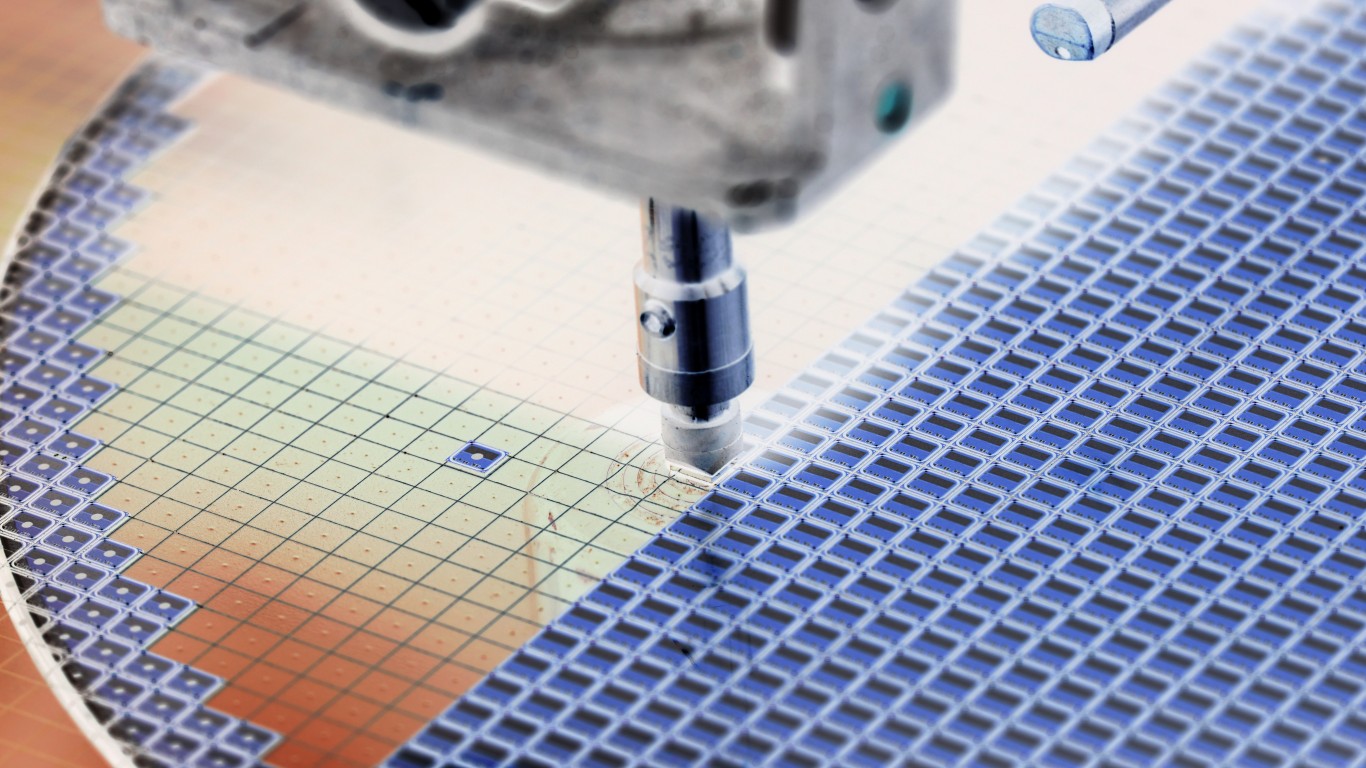
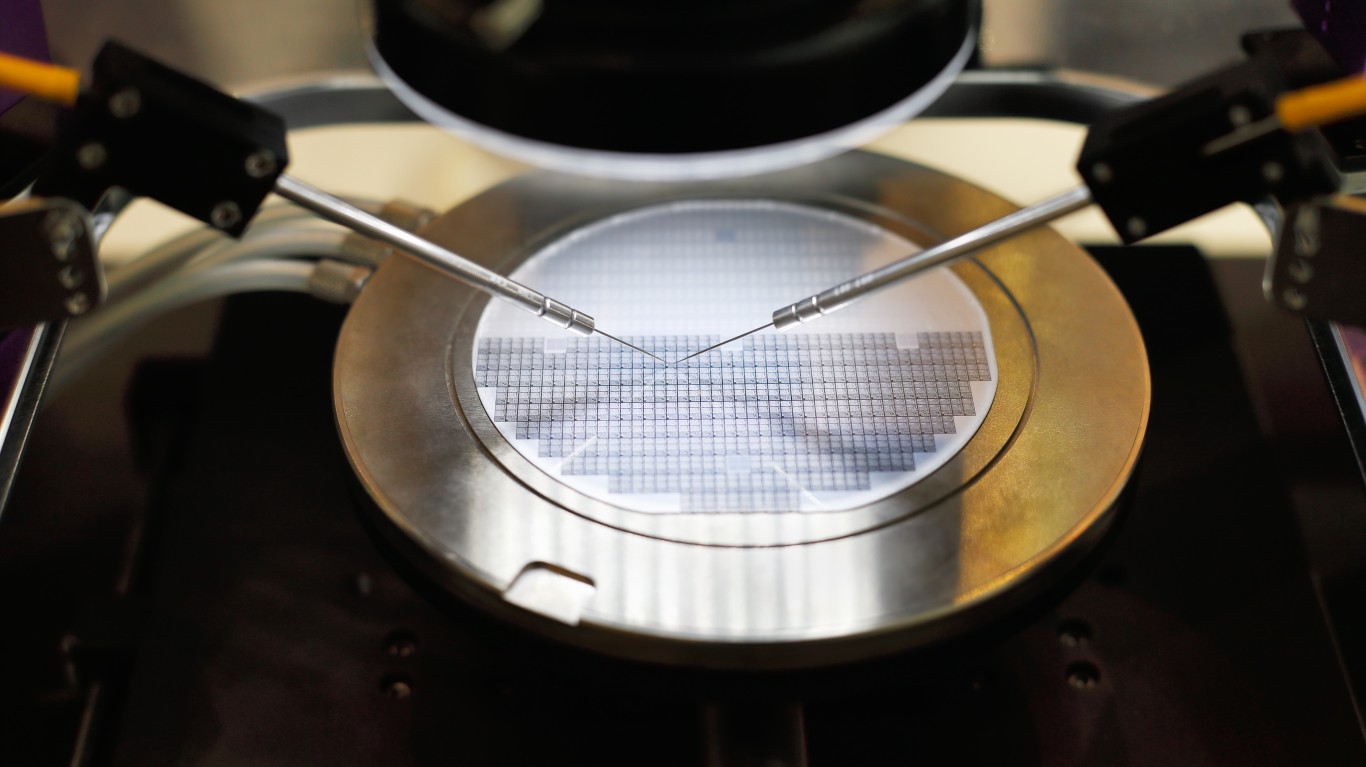
Roundhill’s Roundhill MLCC & Electronic Components ETF (NASDAQ:CCML) is one of the narrowest thematic launches of the year, and that is the entire point. Where broad semiconductor funds bundle chip designers, foundries, and equipment makers together, CCML zooms in on a single, unglamorous choke point in the electronics stack: multilayer ceramic capacitors and the passive components that sit inside every AI server board, EV powertrain, and smartphone. The fund launched on September 9, 2026 under the name “Pure Play MLCC ETF”, and CCML is being pitched as a picks-and-shovels bet on the components that AI, electrification, and advanced electronics cannot function without.
With only seven trading days of history, the analysis has to be built on structure rather than returns.
What CCML Actually Owns and How It Makes Money
An MLCC is a tiny ceramic capacitor, often smaller than a grain of rice, that stores and releases electrical charge inside circuit boards. A high-end AI server can use tens of thousands of them. An electric vehicle can require ten times more MLCCs than a comparable internal-combustion car. The global market is dominated by a short list of Japanese, Korean, and Taiwanese manufacturers: Murata, TDK, Taiyo Yuden, Samsung Electro-Mechanics, and Yageo. Based on the fund’s name and stated focus, CCML is designed to give U.S. investors direct equity exposure to those manufacturers plus a broader basket of electronic component suppliers, most of which are otherwise inaccessible without opening an international brokerage account.
The return engine here is straight equity beta to a specific corner of the hardware supply chain. When MLCC unit shipments rise because Nvidia is shipping more GB-series boards, or because a Chinese EV maker is ramping production, the earnings of Murata and its peers move with that volume, and CCML is meant to capture that move.
Does the Thematic Pitch Hold Up Against SOXX and SMH?
This is where the fund earns or loses its place in a portfolio. The two obvious comparisons are the iShares Semiconductor ETF (NASDAQ:SOXX) and the VanEck Semiconductor ETF (NASDAQ:SMH). SOXX carries a net expense ratio of 0.33% and represents the standard low-cost route into chip exposure. SMH is even more concentrated at the top: NVIDIA is 17.55% of the fund and Taiwan Semiconductor is 9.29% as of June 30, 2026, with total net assets of roughly $77.2 billion.
Look at what SMH actually holds and the overlap problem with CCML becomes clear or, more accurately, the lack of one. SMH’s top positions are chip designers, foundries, and fabrication-equipment makers: NVIDIA, TSMC, Applied Materials, Micron, AMD, KLA, Lam Research, Broadcom, Intel, and ASML. None of those are MLCC manufacturers. Murata, TDK, Taiyo Yuden, and Samsung Electro-Mechanics do not appear in SMH’s top holdings. That means CCML is genuinely additive exposure rather than a repackaging of what a SOXX or SMH holder already owns. For an investor who already runs a semiconductor sleeve, CCML fills a real gap in the hardware value chain: the passive-component layer that sits underneath every chip, the same picks-and-shovels logic we applied to the non-chip suppliers powering the AI buildout in a free report on seven of them.
The catch is that Roundhill has not yet published a verified expense ratio, holdings list, or AUM figure through standard data feeds. The fund snapshot returned null for expense ratio, holdings, and NAV as of September 18, 2026, with only a 497K prospectus filing on the SEC’s EDGAR system currently available. Anyone considering a position should read that prospectus directly for the current fee schedule before buying.
Tradeoffs That Come With a One-Week-Old Fund
Three constraints matter more than performance right now, because there is barely any performance to evaluate.
- Track record is essentially zero. CCML’s one-week price change of 5.48% is noise. The one-year, five-year, and ten-year figures all report the same 5.45% because those windows do not exist yet. There is no way to know how the fund behaves in a component-cycle downturn, and MLCC pricing is notoriously cyclical.
- Liquidity and spreads. A brand-new thematic ETF trading at roughly $26.99 with a small asset base typically shows wider bid-ask spreads than an established fund. Use limit orders instead of market orders, and expect authorized-participant creation activity to be thin until AUM builds.
- Concentration and geography. The MLCC industry is dominated by a handful of Asian manufacturers. That means currency exposure to the yen, Korean won, and new Taiwan dollar, plus regional political risk, particularly around Taiwan Strait tensions. This is a targeted bet on one industry structure.
Portfolio Role and Position Sizing
CCML is a satellite holding rather than a core position. It belongs in the same bucket as a robotics ETF or a uranium ETF: a targeted overlay meant to express a specific thesis, sized small enough that a bad year in the passive-components cycle does not derail the broader portfolio. A reasonable range for investors who want the exposure is 1% to 3% of a growth-oriented sleeve, layered on top of a diversified semiconductor position through SOXX or SMH.
Who this fund fits: investors who already own broad chip exposure, believe the AI and EV build-out will drive MLCC unit demand for years, and want direct equity in the Asian component makers they cannot easily buy on U.S. exchanges. Who should look elsewhere: anyone seeking core semiconductor exposure, income, or a fund with a verifiable multi-year return history. For those investors, SOXX at 33 basis points or SMH at $77 billion in scale remain the simpler answer. CCML is a scalpel. Treat it like one.
Contact [email protected] for any questions or corrections.
Jake has been been working in financial media for almost 15 years. He focuses on all things personal finance for 24/7 Wall St. with high hopes to educate and entertain. Most recently, Jake spent 12 years working various roles at The Motley Fool. He started copy editing fool.com content, worked on premium and marketing campaigns, and helped launch The Ascent, a personal finance brand.
His work has been featured on platforms like MSN, Yahoo Finance, USA Today, and more. He's written about credit cards, social security, ETFs, savings accounts, and just about anything else you can imagine when thinking about money. Jake love to cook, play golf, and tell people he's never had a cavity. (It's true!)