Did the US-China Summit Make TSMC More Vulnerable?
The image from last week’s state banquet at the Great Hall of the People told two stories at once. Tim Cook, Jensen Huang, and Elon Musk sat in the room as guests of the first U.S. presidential visit to China…


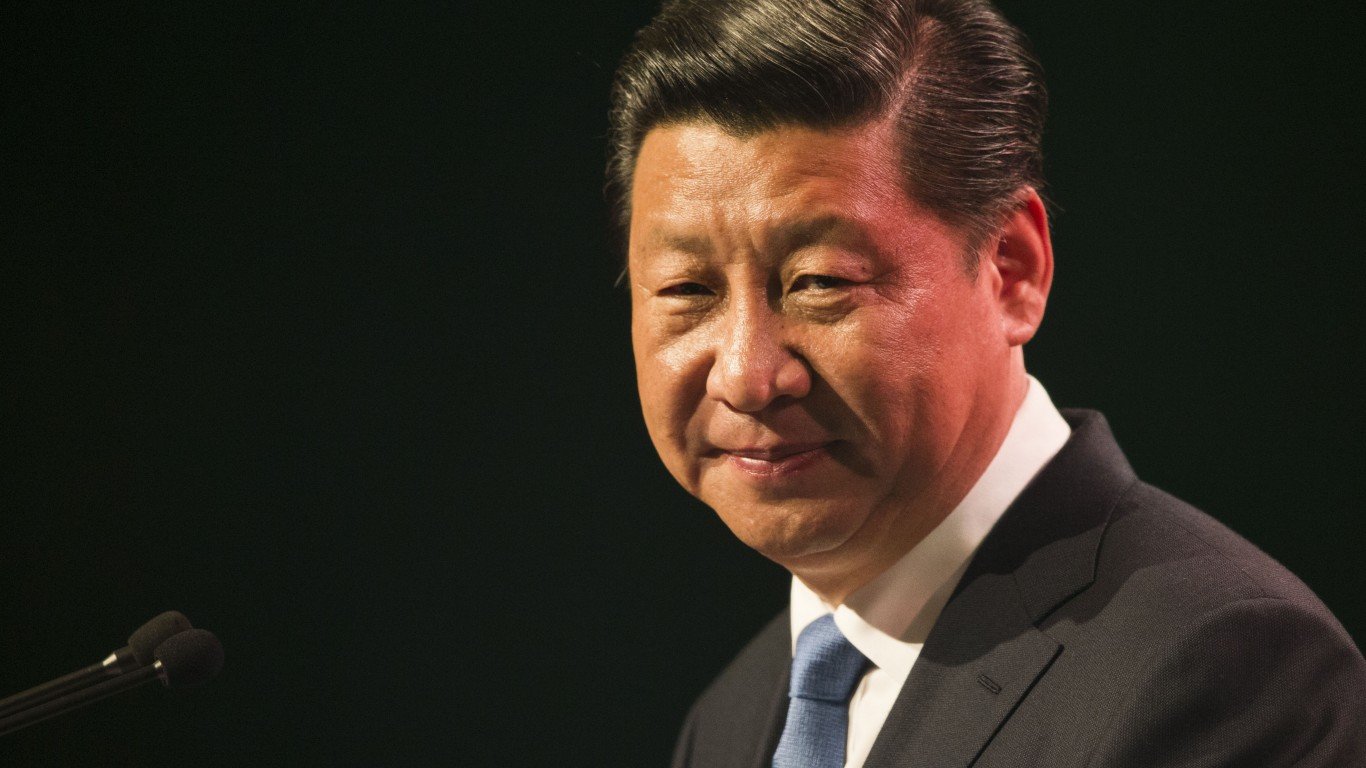
The image from last week’s state banquet at the Great Hall of the People told two stories at once. Tim Cook, Jensen Huang, and Elon Musk sat in the room as guests of the first U.S. presidential visit to China in nearly a decade. The same day, Xi Jinping warned that if the Taiwan issue is “handled poorly,” the two countries could “collide or even clash,” putting the relationship in “an extremely dangerous situation.” For investors in Taiwan Semiconductor Manufacturing (NYSE: TSM | TSM Price Prediction), both messages matter.
What the Trip Actually Changed
The diplomatic thaw was unmistakable. Trump invited Xi to the White House on September 24. Polymarket traders read it as de-escalation: the probability of a Chinese invasion of Taiwan by year-end 2026 stands at 7.45%, with the June 30 contract at just 1.4% and the blockade market at 2.05%. Market analysis notes the summit “produced discussions on cross-strait issues without triggering escalation, new military commitments, or altered U.S. policy.”
Yet Xi’s warning was the loudest signal on Taiwan from Beijing in years. TSMC shares fell 7% in recent days and were last seen trading near $396 apiece. Reddit sentiment shifted from bullish the week before to neutral after the banquet.
More Central, More Exposed
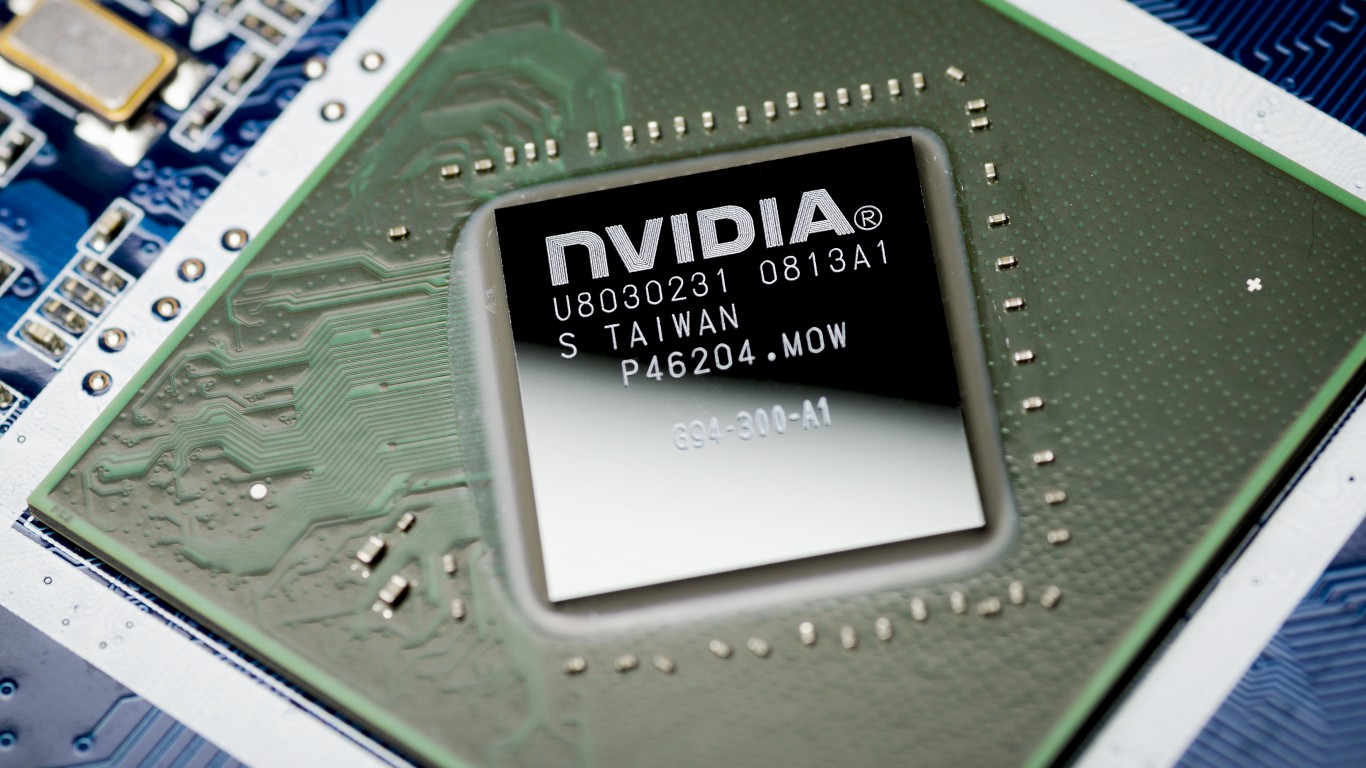
TSMC’s strategic centrality keeps growing. The foundry held roughly 70% of the global foundry market in 2025 per TrendForce, with Samsung at about 7%. Q1 2026 revenue came in at NT$1.13 trillion, topping the roughly NT$1.12 trillion consensus, and net income reached NT$572.80 billion on AI-driven demand from Nvidia and AMD.
The Arizona Hedge
TSMC has committed $165 billion to its Arizona complex outside Phoenix, described as the largest foreign direct investment in a greenfield U.S. project in history, covering six fabs, two advanced packaging facilities, and an R&D center. The board just approved up to US$20 billion in additional capital for the Arizona subsidiary. The first Arizona facility is already producing chips for Apple and Nvidia. Still, many of TSMC’s most advanced production lines sit roughly 100 miles from mainland China.
The Investor Recalibration
Shares are up 32.2% year to date and 103.9% over the past year. Analyst consensus is $467.84, with 17 Buy ratings against two Holds. Forward earnings work out to roughly 26x. Taiwan was the fifth-largest U.S. goods trading partner in 2025, anchoring the January trade framework that linked tariffs to Arizona expansion commitments.
Bulls have a cleaner story: TSMC is the indispensable supplier, U.S. policy is actively protecting its footprint, and AI demand remains structural. Bears received a fresh reminder that Taiwan’s status is unresolved and that the leading-edge nodes still sit within striking distance of Beijing. After the banquet, both readings stand.


Contact [email protected] for any questions or corrections.
Trey has been an editor and author at 24/7 Wall St. for more than a decade, where he has published thousands of articles analyzing corporate earnings, dividend stocks, short interest, insider buying, private equity, and market trends. His comprehensive coverage spans the full spectrum of financial markets, from blue-chip stalwarts to emerging growth companies.
Beyond 24/7 Wall St., Trey has created and edited financial content for Benzinga and AOL's BloggingStocks, contributing additional hundreds of articles to the investment community.
Trey's editorial expertise extends across multiple publishing environments. He served as production editor at Dearborn Financial Publishing and development editor at Kaplan, where he helped shape financial education materials. Earlier in his career, he worked as a writer-producer at SVE. His freelance editing portfolio includes work for prestigious clients such as Sage Publications, Rand McNally, the Institute for Supply Management, the American Library Association, Eggplant Literary Productions, and Spiegel.
Outside of financial journalism, Trey writes fiction and has been an active member of the writing community for years, moderating workshop sessions at regional conventions.