3 Infrastructure ETFs Pay Dividends From Pipelines, Railroads and Toll Roads
One infrastructure ETF advertises a yield near 6%, but a single December payment does most of the work. Strip it out and the picture changes fast, which matters before you pick a fund to collect tolls and freight fees.

This post may contain links from our sponsors and affiliates, and Flywheel Publishing may receive compensation for actions taken through them.

Pipelines, freight railroads, and toll roads charge a fee on every barrel, railcar, and commuter that passes through. Three global ETFs pass that cash on to shareholders: the iShares Global Infrastructure ETF (NASDAQ:IGF), the Northern Trust STOXX Global Broad Infrastructure ETF (NYSEARCA:NFRA), and the ProShares DJ Brookfield Global Infrastructure ETF (NYSEARCA:TOLZ). Yields here use trailing distributions against prices on November 5, 2026, and the returns assume distributions were reinvested through that date.
TOLZ Offers the Purest Pipeline and Toll Road Exposure
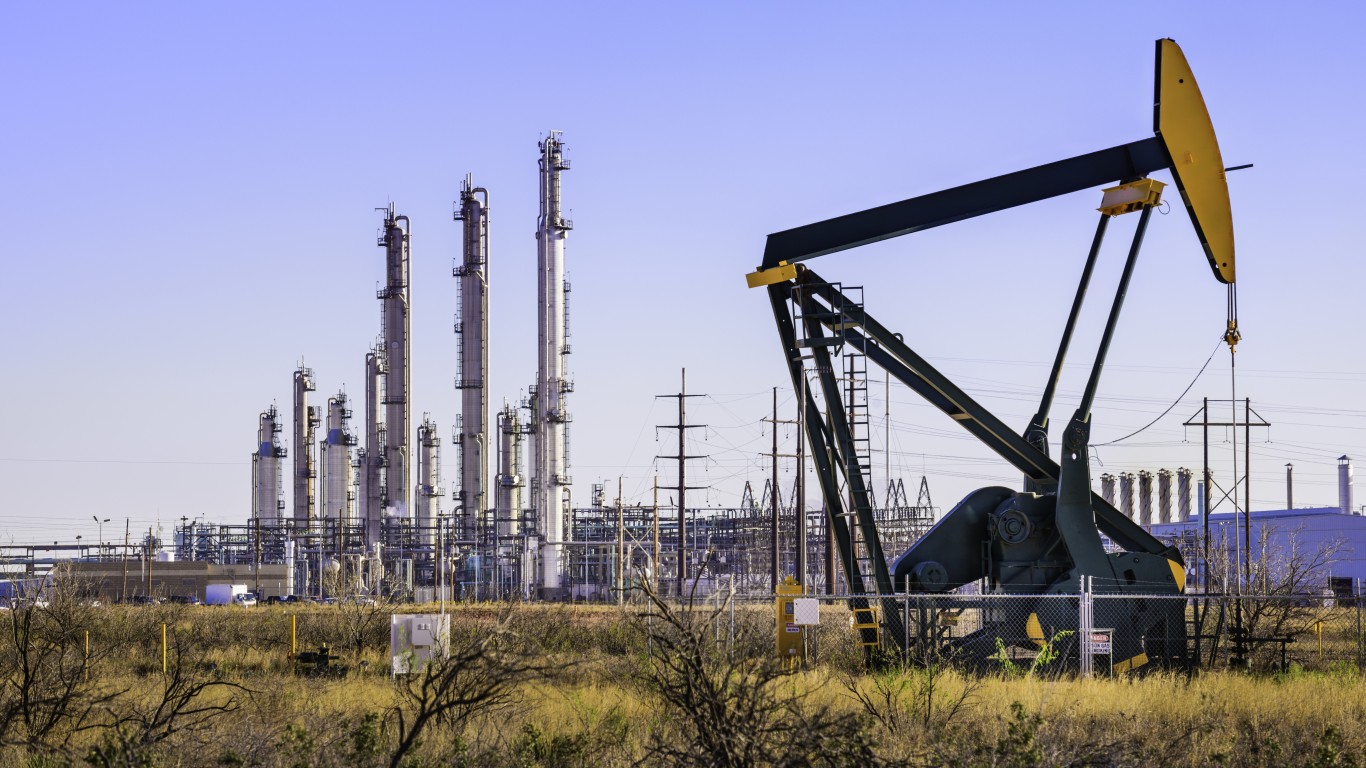
For the headline theme, TOLZ is the most direct fit. The fund follows the Dow Jones Brookfield Global Infrastructure Index, which only includes companies that get most of their cash flow from owning or operating infrastructure assets. That rule screens out diversified conglomerates and leaves the fund heavily weighted toward midstream energy.
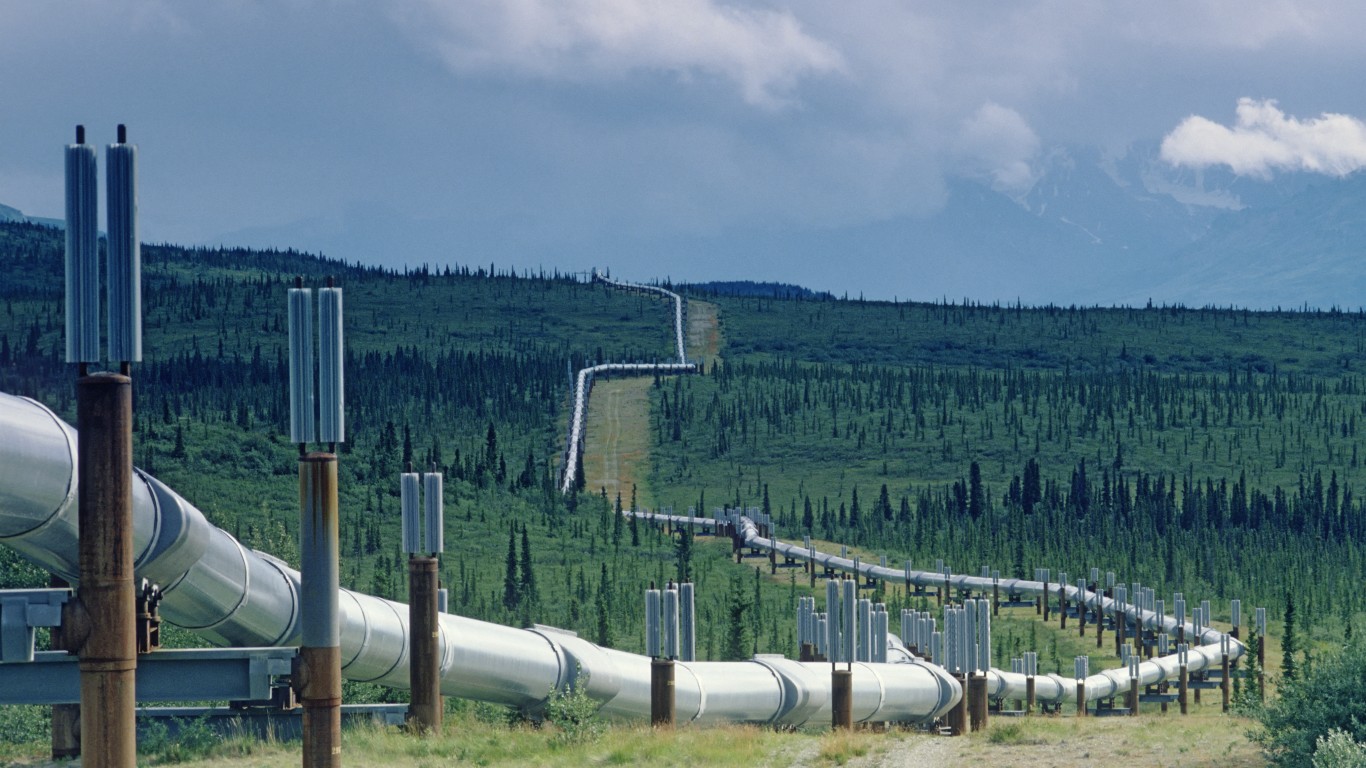
As of August 31, 2026, Enbridge made up about 6% of net assets and Williams Companies about 4%. TC Energy, Energy Transfer, and Kinder Morgan were close behind. Pipelines usually charge rates based on the volume they ship, often under long-term contracts, so their cash flow therefore depends more on throughput than on the price of oil or gas.
Toll roads are the next-largest group. On the same date, French concessions operator Vinci held about 4% and Australia’s Transurban 2%. The utility National Grid, at roughly 5%, adds regulated income from power transmission. Those seeking only pipelines could use a dedicated midstream fund. TOLZ adds toll roads and utilities, which help soften an energy downturn.
TOLZ paid four distributions over the trailing year, for a yield of about 3.1%, the best regular income of the three. Pipeline fees compound steadily, with a total return of about 15% over one year and 47% over five years.
The main drawback is size. TOLZ reported about $174 million in net assets as of August 31, 2026, the smallest of the three, and smaller funds can trade at wider spreads. Its heavy pipeline weighting also ties its income to North American energy volumes.
IGF Balances Toll Roads, Airports and Utilities at the Lowest Fee
IGF tracks the S&P Global Infrastructure Index, which holds a fixed blend of transportation, utility, and energy companies. That design appeals to those seeking infrastructure income without depending too much on any one source of cash flow.
As of June 30, 2026, the Spanish airport operator Aena made up about 5% of net assets and Transurban another 5%.
The utility NextEra Energy held roughly 5%, and Enbridge, IGF’s largest pipeline position, was near 4%.
Airports set IGF apart. Alongside Aena, it owns Grupo Aeroportuario del Pacifico, Flughafen Zürich, and Auckland International Airport. That gives it more exposure to passenger traffic than the other two funds have. Airport fees rise with travel volumes. That helps during expansions and hurts when people fly less.
IGF charges 0.37% under its prospectus dated July 31, 2026, the lowest fee on this list. It made two distributions over the trailing year, for a yield near 3%.
Two payments in twelve months means lumpier cash flow for retired people who budget month to month. The fund returned about 11% over one year and 57% over five years.
NFRA Is the Overlooked Route to Freight Railroads
NFRA is the less obvious pick and the only fund here that holds freight railroads. As of July 31, 2026, Canadian Pacific Kansas City made up about 4% of net assets, Canadian National Railway about 3%, and Union Pacific about 2%. Railroads own rights-of-way that would be nearly impossible to build again today, and that gives them pricing power over the freight that moves on them.
Pipelines and toll roads play smaller roles. Enbridge held about 2% and Transurban about 2%. The fund’s benchmark, the STOXX Global Broad Infrastructure Index, defines infrastructure far more generally than the other two indexes do.
For example, the technology holding company SoftBank Group made up about 4% of the fund. Postal and logistics company Deutsche Post held about 3%, and telecom carrier Deutsche Telekom about 3%. Hospital operators such as HCA Healthcare are in the portfolio too.
All that variety makes NFRA a different kind of fund whose results will reflect telecom pricing, technology sentiment, and healthcare policy as well as rail volumes. It works better as a broad real-asset holding than as a focused play on pipelines, railroads and toll roads.
Read NFRA’s income figures carefully. Its trailing yield of 5.8% includes a single distribution of about $2.62 per share with an ex-dividend date of December 19, 2025. That one payment made up for about 71% of the fund’s trailing payouts.
Without it, the trailing yield falls to about 1.7%, the lowest of the three. The 2026 payments show the regular pattern: about $0.16 in March, $0.60 in June and $0.33 in September.
NFRA charges 0.47% net under its prospectus dated August 14, 2026, the highest fee here. The fund’s total return of about 10% over one year and 31% over five years trails both rivals, so buyers pay more for less.
Why These Assets Pay Dividends and Where They Can Stumble
Infrastructure companies own long-lived assets that customers can’t easily avoid. Regulators set the returns utilities can earn. Pipelines sign up shippers on multiyear contracts and toll roads collect a fee on every trip, often with price increases built into their concessions. That predictable cash flow supports steady dividends.
Leverage is the first risk. These companies tend to carry heavy debt, so higher interest rates raise their borrowing costs and make their yields look less attractive next to bonds. Regulators can cut allowed returns, toll traffic falls in recessions and pipeline volumes rise and fall with drilling activity, and all three funds trade like stocks and can drop sharply in a selloff.
Global portfolios add two more variables. Currency moves change the dollar value of dividends paid in euros, Australian dollars, or yen. Foreign governments also often withhold tax on dividends before the money reaches U.S. shareholders. Distribution yields move with prices and payouts, so none of them is fixed.
Which Infrastructure ETF Fits Your Income Plan
TOLZ suits income seekers after the most direct exposure to pipelines and toll roads who can accept a small, energy-heavy fund. IGF fits retired people who care most about a low fee and a balanced mix of airports, toll roads, and utilities, as long as two payments in twelve months work with their budget. NFRA is for investors who specifically want freight railroads and broad real-asset diversification, and who will judge its income by the regular yield of roughly 1.7% instead of the inflated headline number.
Contact [email protected] for any questions or corrections.
Ryne Mauck is an investment writer covering exchange-traded funds, retirement planning, and portfolio strategy. Through his work at 24/7 Wall St. and other investment platforms, including Seeking Alpha, he aims to provide clear, research-driven insights that help investors make more informed decisions while maintaining a long-term approach to investing.
Ryne holds a B.Sc. in Finance and an M.A. in Political Science. He is a formerly registered Municipal Advisor Representative and has passed the Series 50, Series 63, and Series 65 exams. His articles are not intended to be, nor should they be interpreted as, financial advice.