One Uranium Miner Gets $66,545 of Every $300,000 in URA

This post may contain links from our sponsors and affiliates, and Flywheel Publishing may receive compensation for actions taken through them.
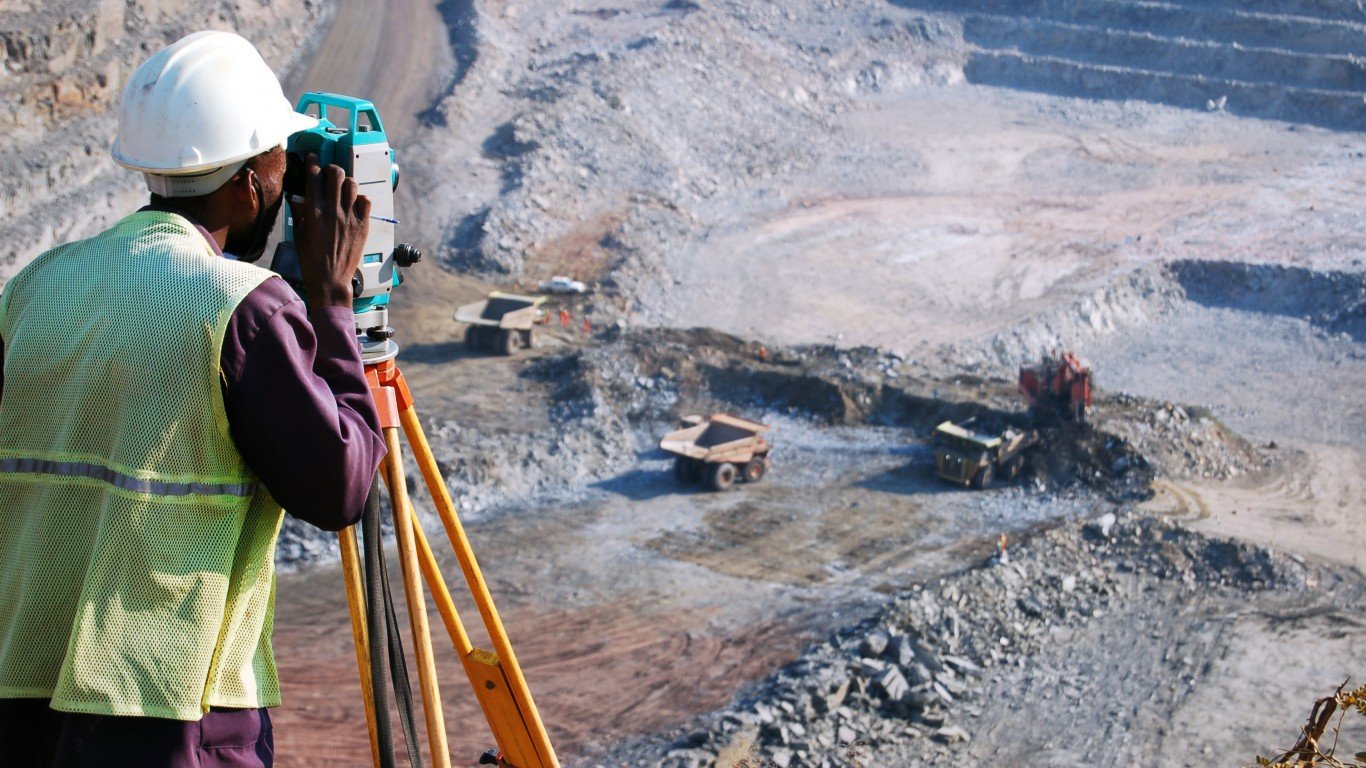
Take a retirement saver with a hypothetical $300,000 in the Global X Uranium ETF (NYSEARCA:URA). The amount is only an example, but the math comes from the fund’s own filing. In URA’s SEC portfolio holdings report as of July 31, 2026, Cameco (NYSE:CCJ | CCJ Price Prediction) made up 22.18% of net assets. On that hypothetical $300,000, that puts $66,545 in one uranium company. Many holders buy a theme fund to spread their risk. In URA, more than a fifth of the money sat in one name.
How Much of URA Sits in One Company
The fund listed 86 positions in its filing as of July 31, 2026. That sounds like broad coverage. The weights show heavy concentration. Here are the next four holdings, all as of that date:
- Sprott Physical Uranium Trust: 6.74%. It holds physical uranium.
- Oklo (NYSE:OKLO): 6.09%. Oklo is a nuclear reactor company.
- NexGen Energy (NYSE:NXE): 6.07%. A uranium company.
- Uranium Energy: 4.81%. Another uranium company.
Each of those four sat in single digits. Cameco sat at 22.18%. Two of the four also show that a “uranium” fund holds more than miners. One position tracks the metal itself, and another builds reactors. The fund’s prospectus confirms that the mandate covers mining, processing, and exploration. It also reaches physical uranium trusts and companies whose primary business is nuclear reactors and related technology (Summary Prospectus, March 1, 2026).
Why a Uranium Fund Leans So Hard on Cameco
URA seeks to track the Solactive Global Uranium & Nuclear Components Total Return Index. The fund’s March 1, 2026 summary prospectus says the index screens stocks for liquidity and weights them by modified effective market capitalization. In plain terms, bigger companies get bigger slices.
Size weighting works well in a deep market like large U.S. stocks, where many large companies spread the weight. Uranium is a small industry. When one producer towers over its peers in market value, a size-based index hands it a large share of the fund almost automatically. Holders pay for this structure too. The prospectus lists total annual operating expenses of 0.69%, or roughly $70 in the first year on a $10,000 investment. That fee covers all 86 positions, yet more than a fifth of the portfolio sat in one stock you could buy directly.
What a Single Name Means Near Retirement
Concentration changes how a position acts for an investor a few years from drawing income. When one company takes such a large share of a fund, its news can move the whole fund. A production setback, a contract headline, or a sharp swing in its stock lands on every URA holder. That risk stacks on top of the swings in uranium prices, which already make the sector volatile.
A retiree may also own Cameco through a broad international or resource fund. In that case, the real exposure to one company runs higher than the URA weight alone suggests. Checking for overlap across accounts takes a few minutes and can reveal a position larger than intended.
Concentration Can Boost Returns Too
Concentration helps as well as hurts. When the top holding does well, the fund benefits more than an equally weighted basket would. Some holders may welcome a heavy Cameco tilt as a way to ground a speculative theme in an established producer.
Global X reveals all of this. The weights appear in the fund’s public holdings disclosures. Where awareness falls short: many investors assume a theme fund means a spread of small, similar holdings, and never look at the top line. As prices move and the index rebalances, weights also shift over time. Unless noted otherwise, every figure here reflects the filing as of July 31, 2026. That said, as of November 25, Cameco still makes up roughly 23% of the fund.
Questions to Ask Before Owning a Theme Fund
Before buying any theme fund, pull up its holdings and find the top weight. Then multiply it against your own balance, the way 22.18% turned a hypothetical $300,000 into $66,545 in one miner. Ask whether you would put that many dollars into that one company on purpose. If the answer is yes, the concentration may match your intent. If it gives you pause, you have found a cost that never shows up in the expense ratio.
Contact [email protected] for any questions or corrections.
Ryne Mauck is an investment writer covering exchange-traded funds, retirement planning, and portfolio strategy. Through his work at 24/7 Wall St. and other investment platforms, including Seeking Alpha, he aims to provide clear, research-driven insights that help investors make more informed decisions while maintaining a long-term approach to investing.
Ryne holds a B.Sc. in Finance and an M.A. in Political Science. He is a formerly registered Municipal Advisor Representative and has passed the Series 50, Series 63, and Series 65 exams. His articles are not intended to be, nor should they be interpreted as, financial advice.