Unconquered! Countries That Escaped Being Colonized
Most countries of the world were at one time or another colonized by Europeans, but a select few managed to retain their independence. This has helped them maintain their distinct and proud cultures but also had a mixed impact on their…


Most countries of the world were at one time or another colonized by Europeans, but a select few managed to retain their independence. This has helped them maintain their distinct and proud cultures but also had a mixed impact on their economic development and integration into world markets.
Key Points

- The countries that escaped colonization were often geographically forbidding, resource-poor, and had well-established national cultures.
- Although they did not experience the negative legacies of direct colonial rule, they also did not experience the benefits of it.
- Check out: 2 Dividend Legends To Hold Forever and Discover “The Next NVIDIA
How Did Some Countries Escape Colonization?
European colonial powers fared best in parts of the world with valuable and easily extractable resources that were thinly populated and had lower levels of technological development. This allowed them to settle millions of their own citizens in places like North and South America, Australia, and South Africa, largely displacing or destroying the local populations and their cultures.
The countries that escaped colonization were often geographically challenging to European powers in their remote locations, harsh climates, and rugged mountain or desert terrain. Some of them didn’t have natural resources that were obvious or easy to extract, process, and ship to international markets. In other situations, like China or Iran, the countries already had well-established identities as nations that made them more resistant to foreign domination. And some were skilled at adopting Western technology and playing colonial powers off against one another diplomatically.
Pros and Cons of Colonization
Countries that avoided colonization also avoided some of the worst abuses of colonial systems, including loss of culture, economic exploitation, and social inequality and conflicts fostered by European economic and socio-political systems.
These countries also missed out on some benefits certain colonies enjoyed, though, including investments in education, infrastructure, healthcare, and business development, access to global markets, widespread literacy in global languages like English, Spanish, or French, and the establishment of administrative and legal systems that have become the global standard.
1. Afghanistan
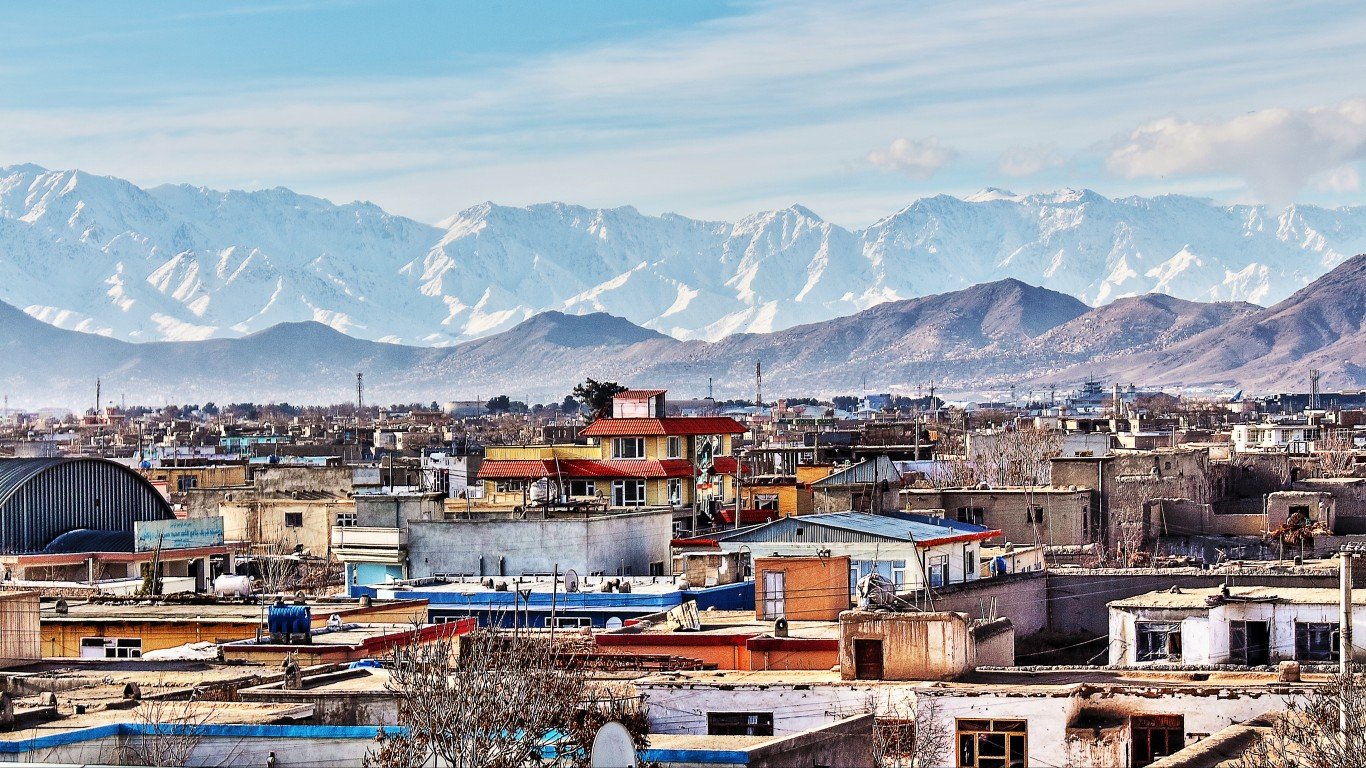
Britain, the Soviet Union, and the United States have all tried to subdue Afghanistan, if not to colonize it, then at least to keep in power a government friendly to their interests. The country’s rugged mountains, blazing deserts, and the determined resistance of its population have defeated them all.
2. Bhutan
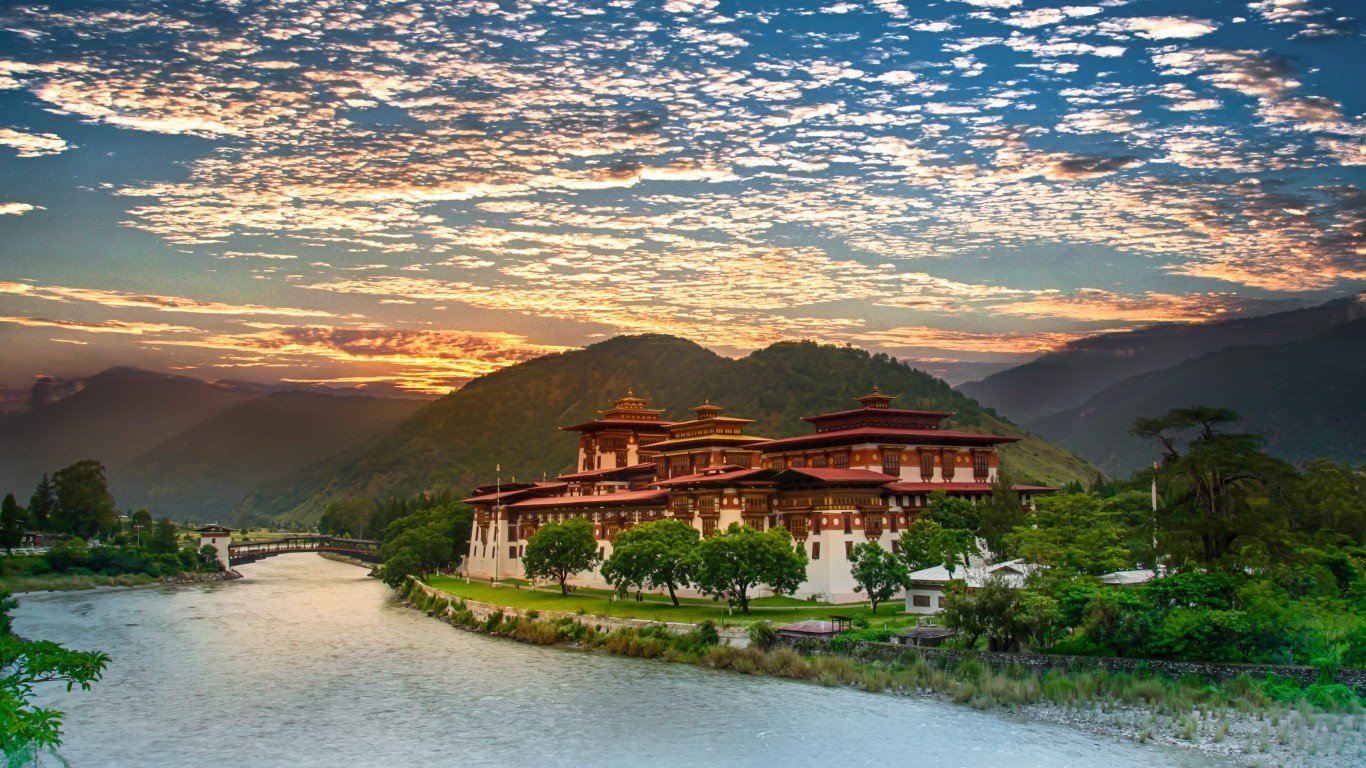
Bhutan, the world’s only Buddhist-governed nation, managed to retain its independence from the British Empire in neighboring India. It signed a treaty with the British that gave it protection without interfering with its internal affairs.
3. China

China lost significant territory to Russia in the northeast and was forced to concede some coastal regions to European powers, including Hong Kong to the British and Macau to the Portuguese. The immense population of China and its strong cultural identity helped it ultimately prevail and gather back most of its lost territorial concessions. Today it is well on its way to becoming a global superpower.
4. Ethiopia
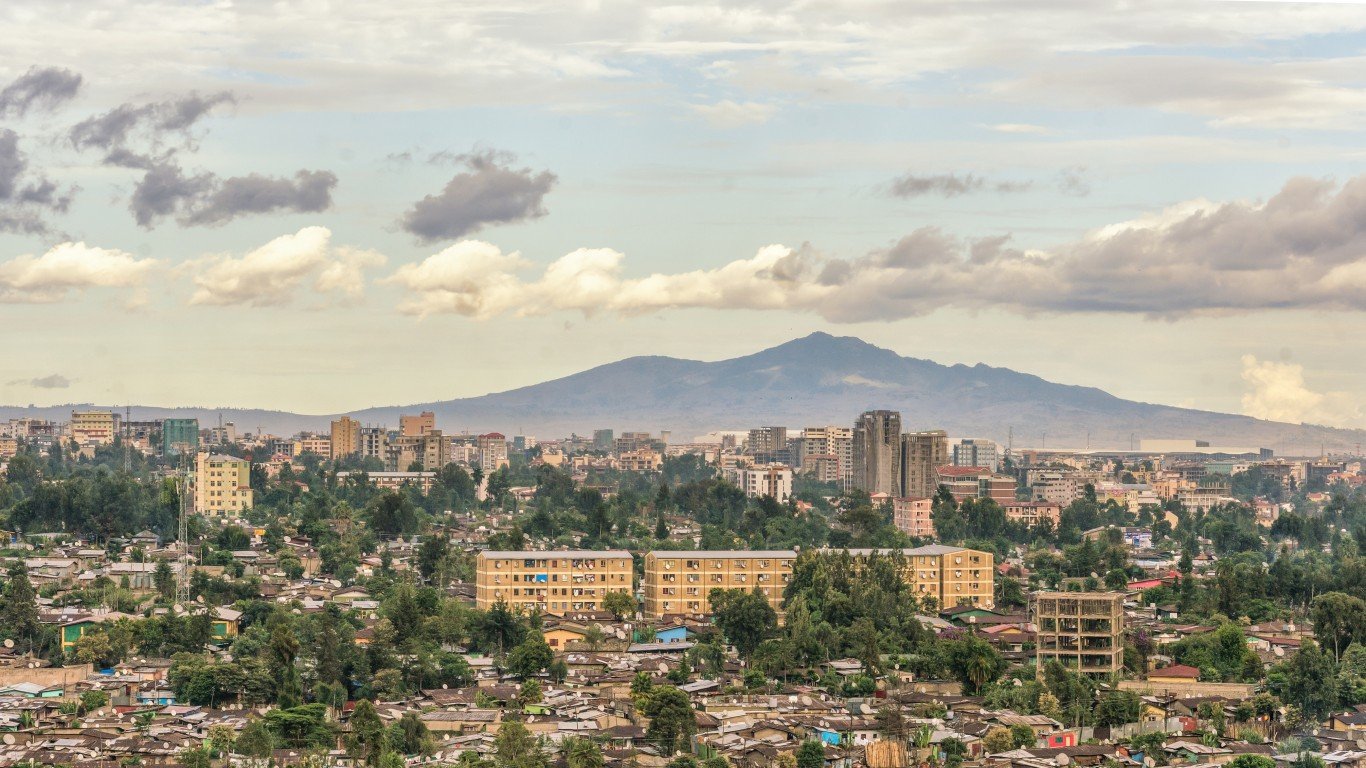
Ethiopia decisively defeated an Italian invasion in 1896 and won recognition of its independence by Italy and other European powers, an unprecedented outcome in 19th century Africa. It wasn’t so fortunate in 1935 when Fascist Italy temporarily occupied it until 1941 in more of a temporary wartime conquest than a full colonization.
5. Iran
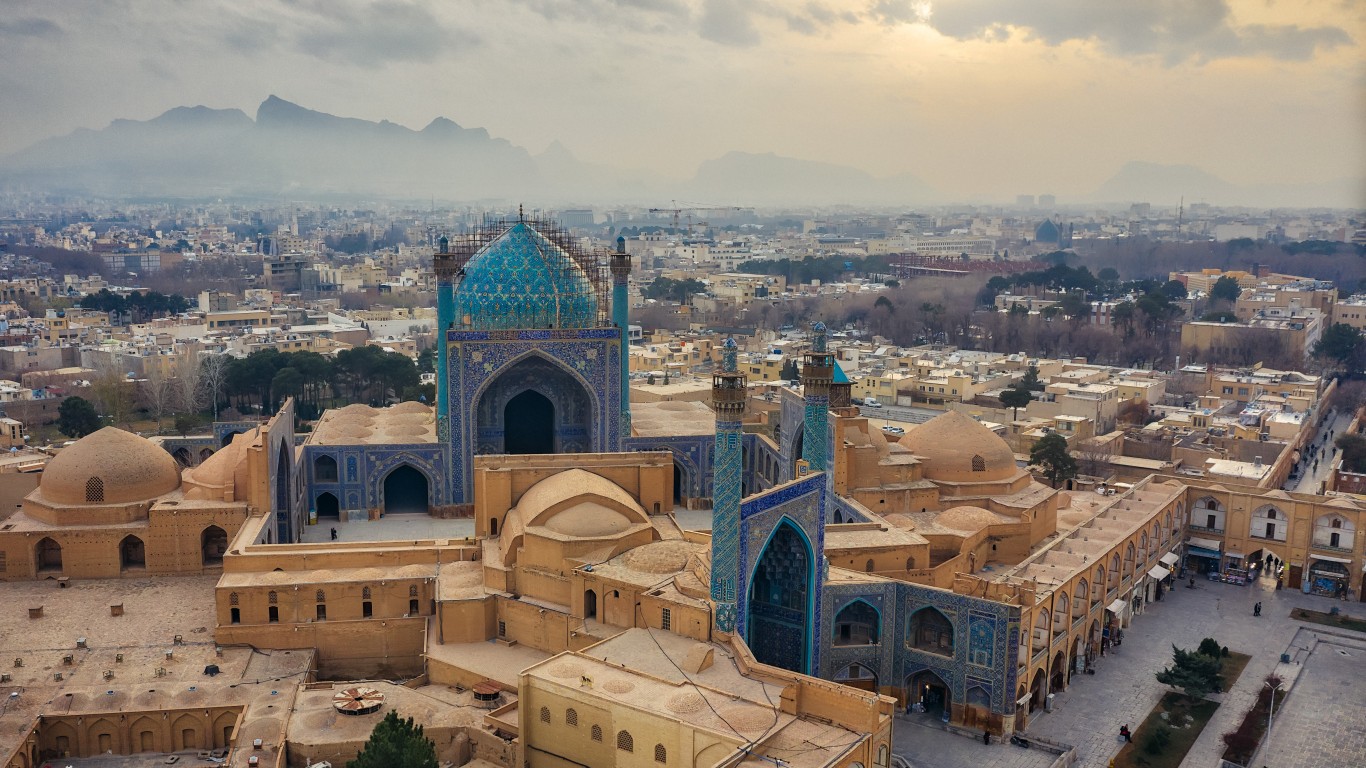
Iran, or Persia as it was known in ancient times, has a deep history as an empire in its own right. Even in those times when it was ruled by other ancient empires, its rich culture survived and thrived rather than declining. The Soviet Union and Great Britain occupied Iran from 1941-1946 to secure Allied supply lines during World War II but returned sovereignty to Iran at the end of the war.
6. Japan

European traders and missionaries began arriving in Japan in the mid-16th century. As their influence grew, the Japanese authorities closed the country to most foreigners for 200 years as much of the rest of Asia was colonized. However, Japan was increasingly willing to adopt Western technology, transforming itself into an industrialized military power. The United States occupied the country for 7 years after the end of World War II but did not turn it into a colony in the conventional sense of the word.
7. Liberia
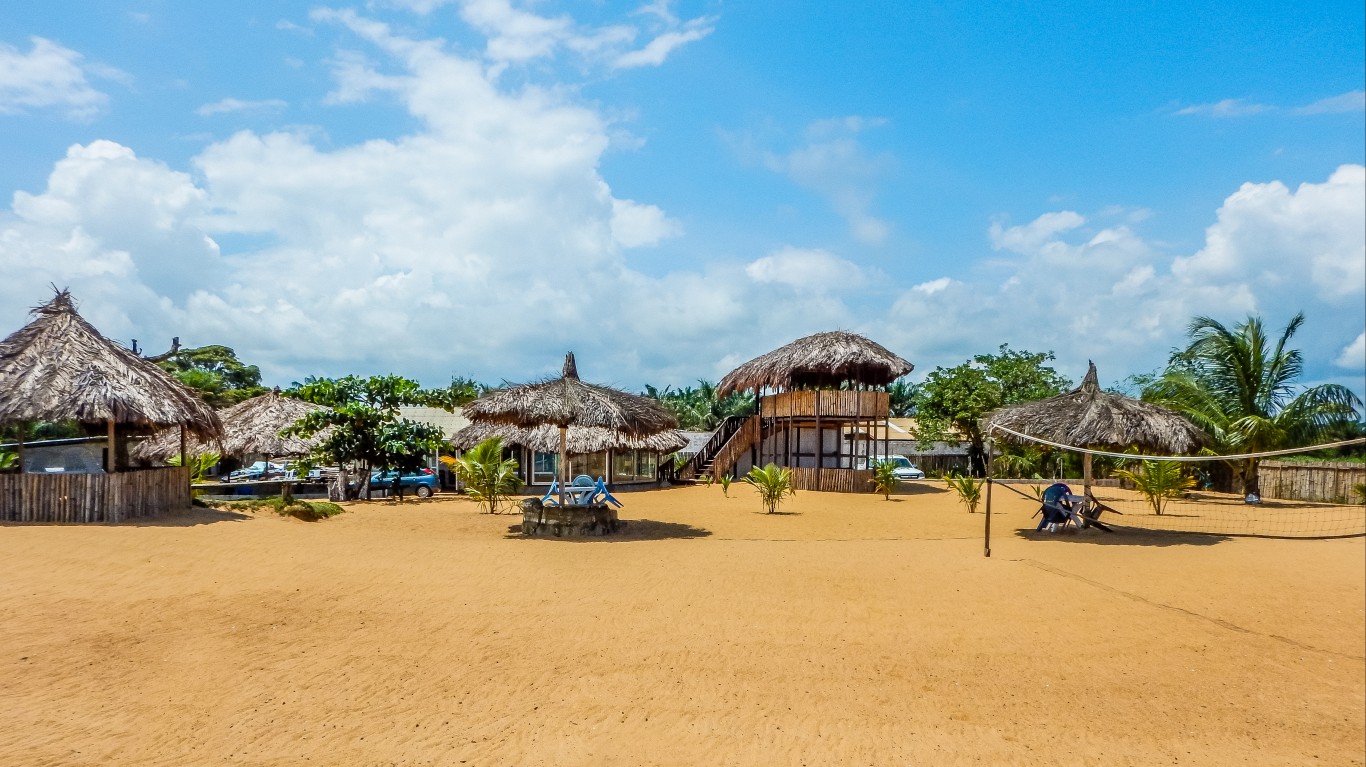
Liberia was founded as a colony for freed slaves from the United States in 1847. This was a private enterprise of the American Colonization Society, not an official U.S. government colony. The African-American settlers became the ruling class over local indigenous African tribal groups and brought an Americanized culture. Conflict between the American and indigenous cultures has led to devastating civil wars in Liberia.
8. Mongolia
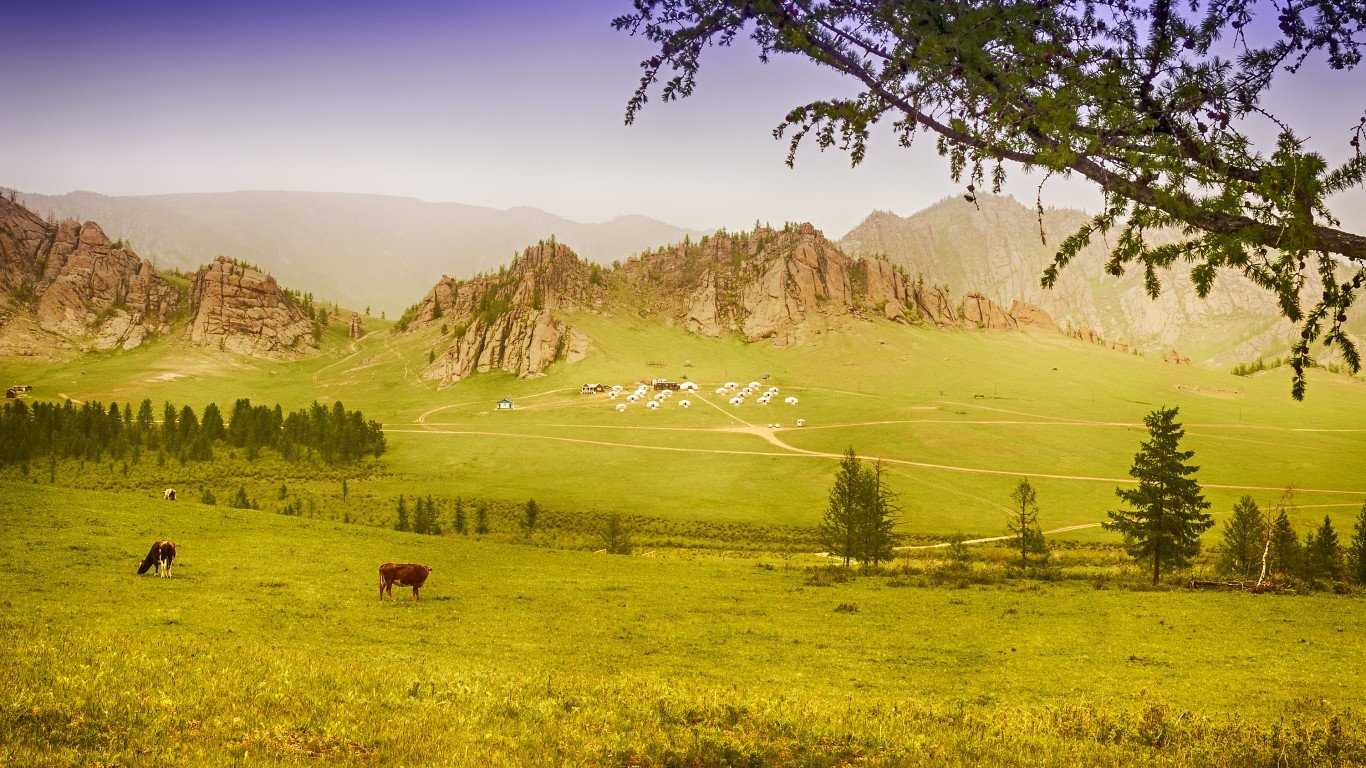
Landlocked between Russia and China, Mongolia was completely inaccessible to other powers. During the time of the Soviet Union, it was strongly within Russia’s orbit but not occupied or colonized.
9. Nepal
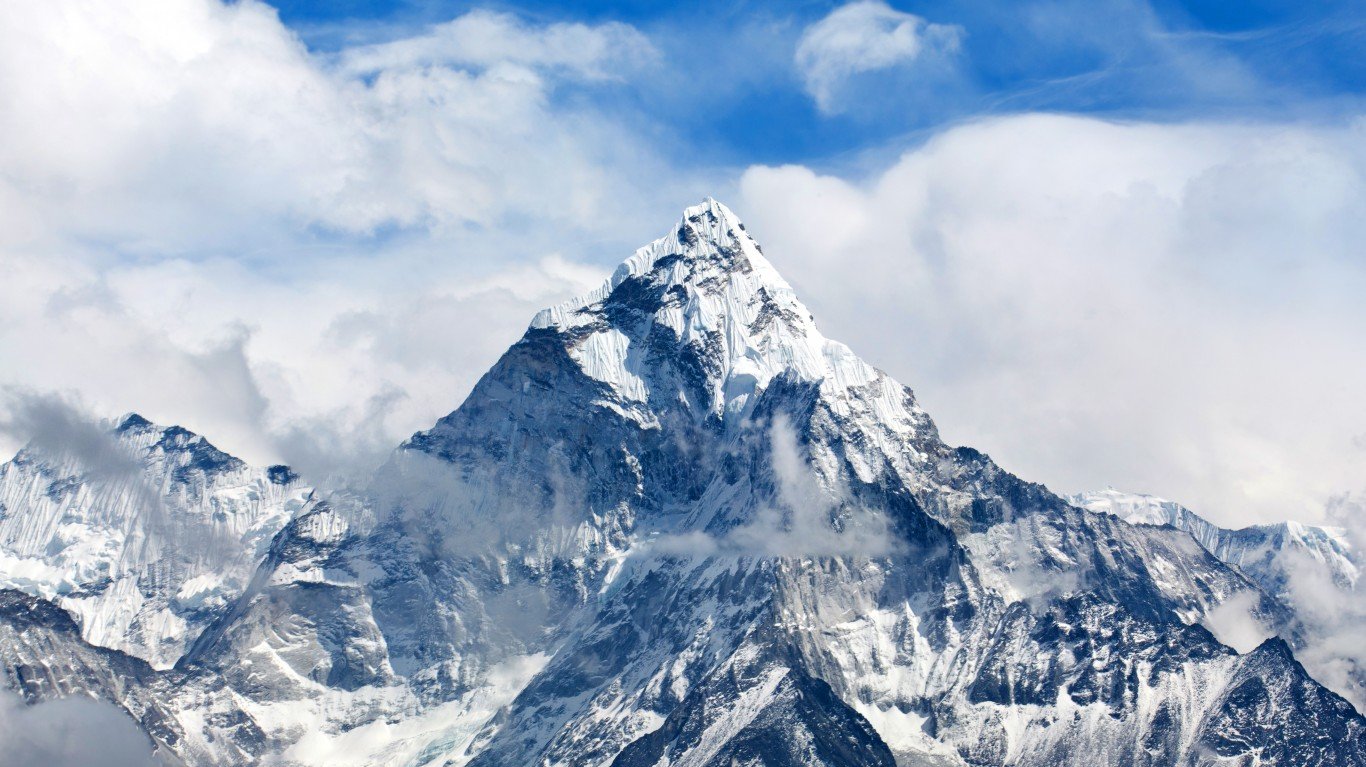
Nepal lost territory to the British in neighboring India in the colonial era, but put up a strong enough resistance that the colonial authorities decided to leave it alone. Nepali citizens today are still keen to remind visitors that their country was never a colony.
10. North Korea
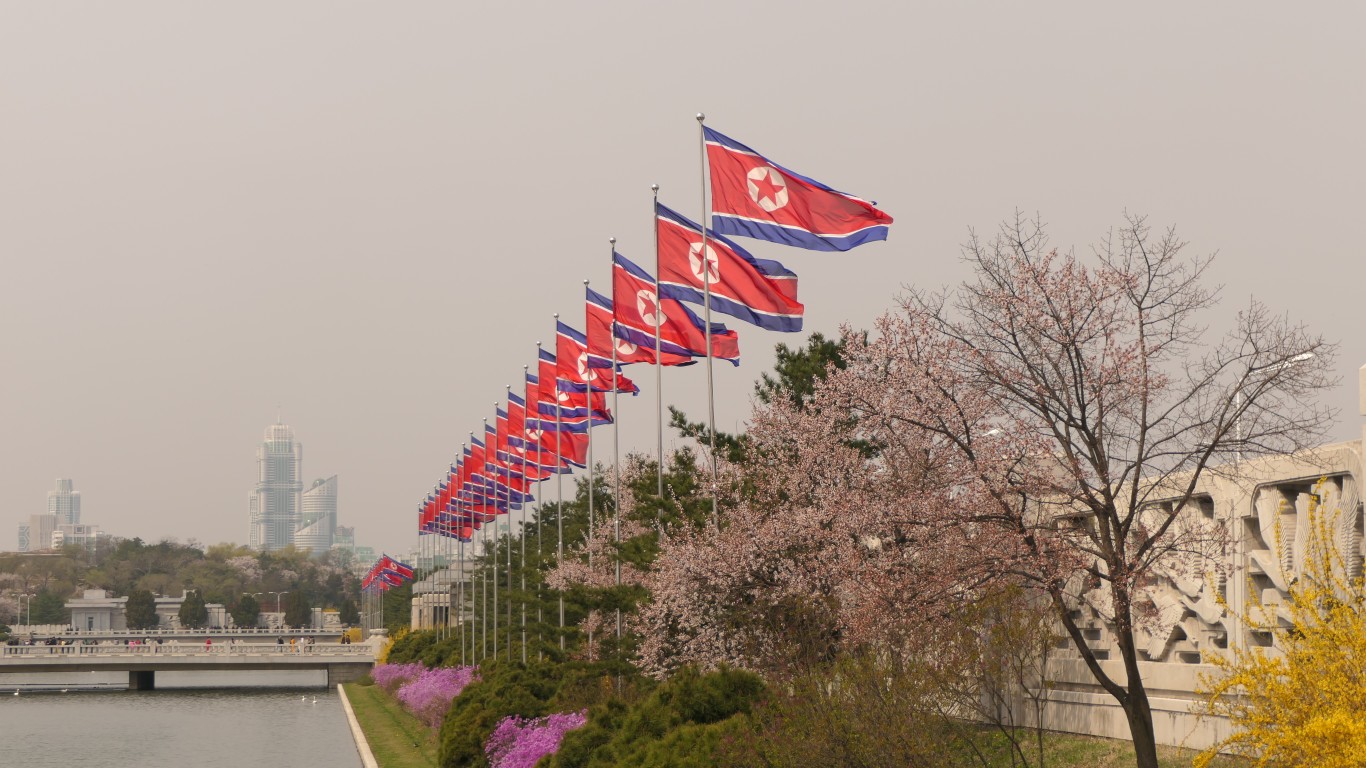
The Russians occupied North Korea for 3 years at the end of World War II and established a communist government. As a temporary wartime occupation, it wouldn’t be considered a colonization in the traditional sense. North Korea’s fierce independence today is seen in its confrontational stance toward the West, including the development of its own nuclear arsenal.
11. Saudi Arabia
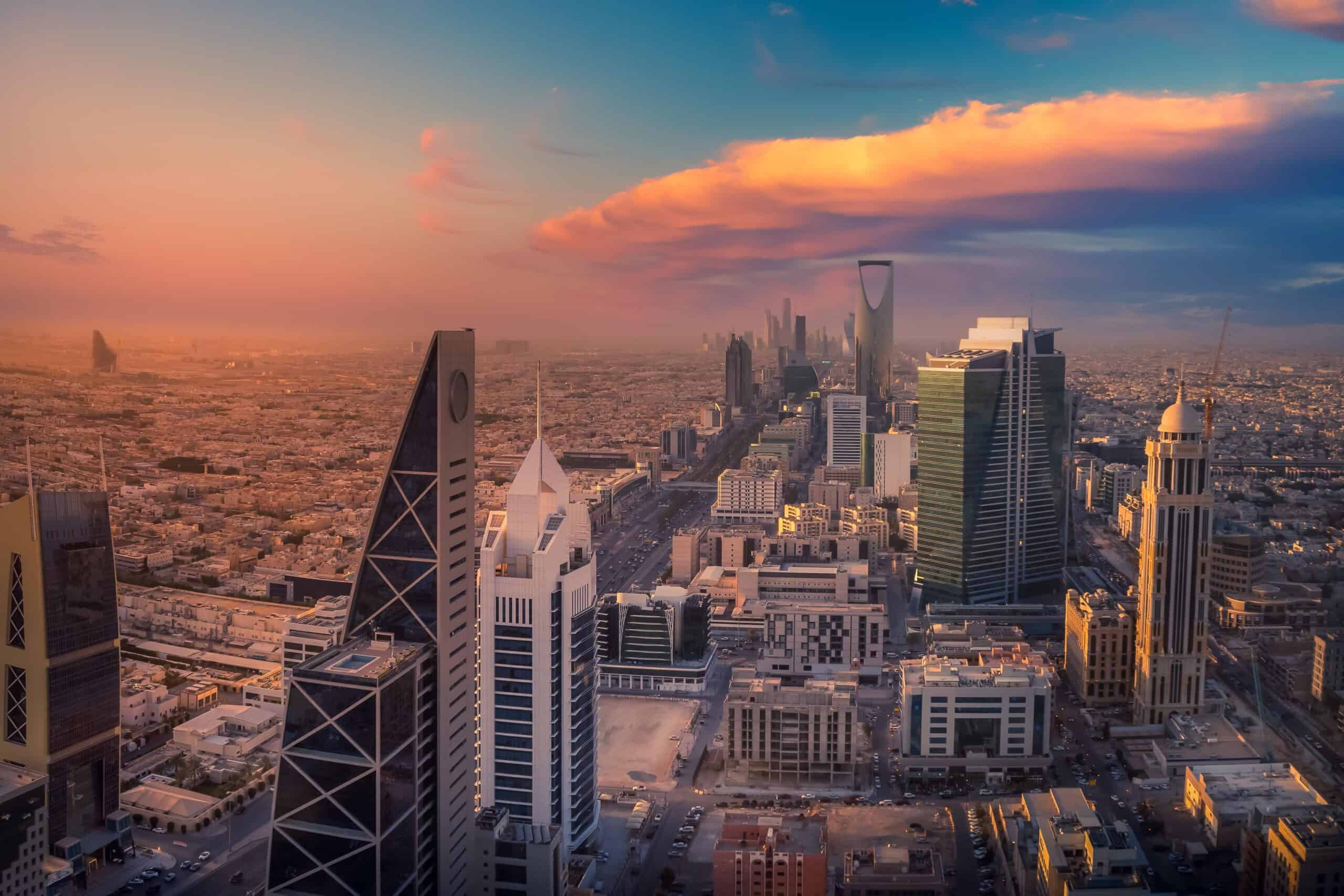
For most of its history, no one really wanted Saudi Arabia. As a blistering hot, dry desert, thinly populated with fiercely warlike nomadic tribes, it just wasn’t worth the trouble it would take to subdue it. Fortunately for the Saudis, oil was not discovered there and understood to be a valuable resource until the 20th century. It really started to pay off for the Saudis only as the European empires were dissolving after World War II. Now there’s no doubt this country is some of the most valuable real estate in the world.
12. South Korea
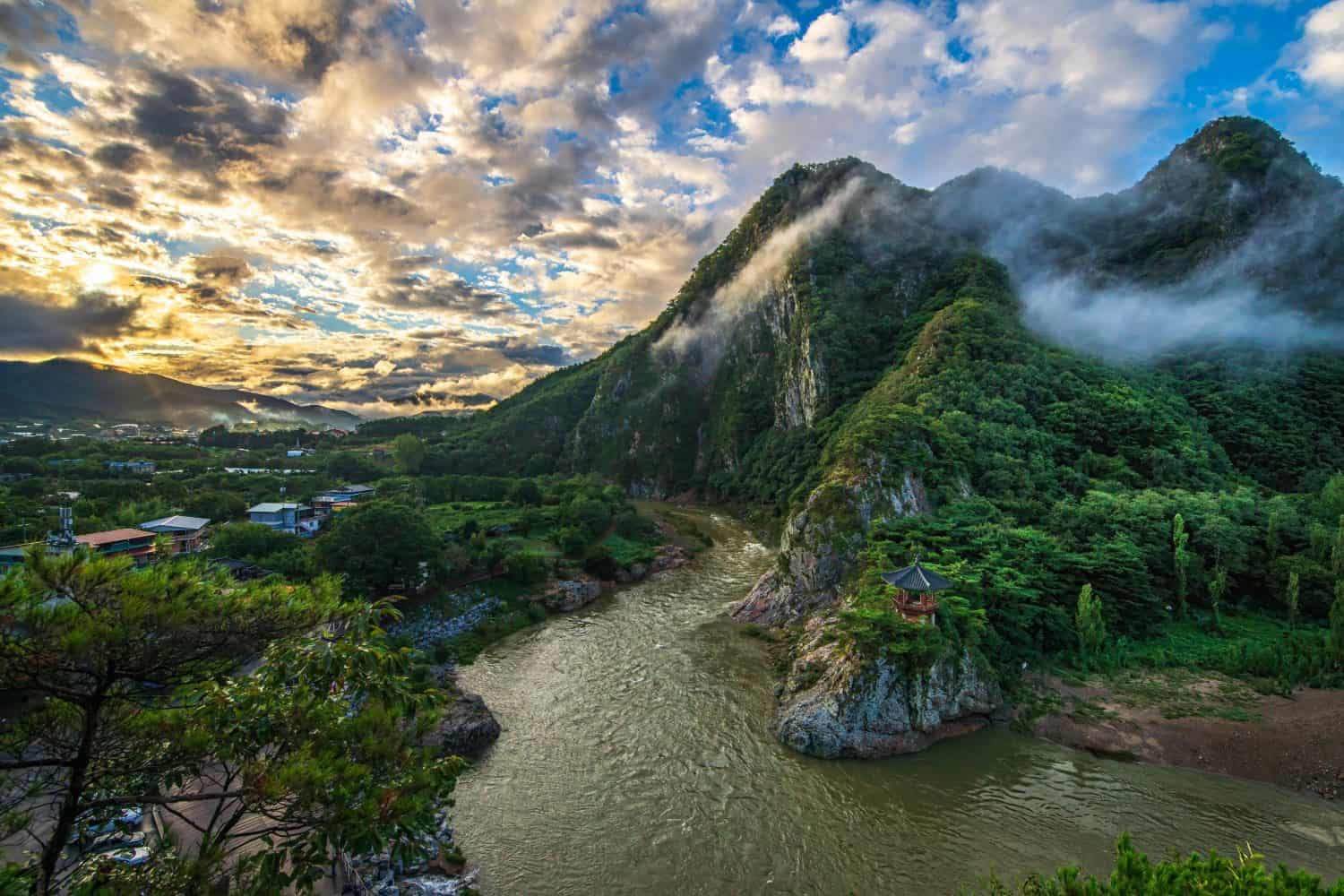
South Korea was colonized by the Japanese, but not by non-Asian powers. The United States and its allies helped it retain its independence when North Korea and later China invaded during the 1950-53 Korean War.
13. Thailand
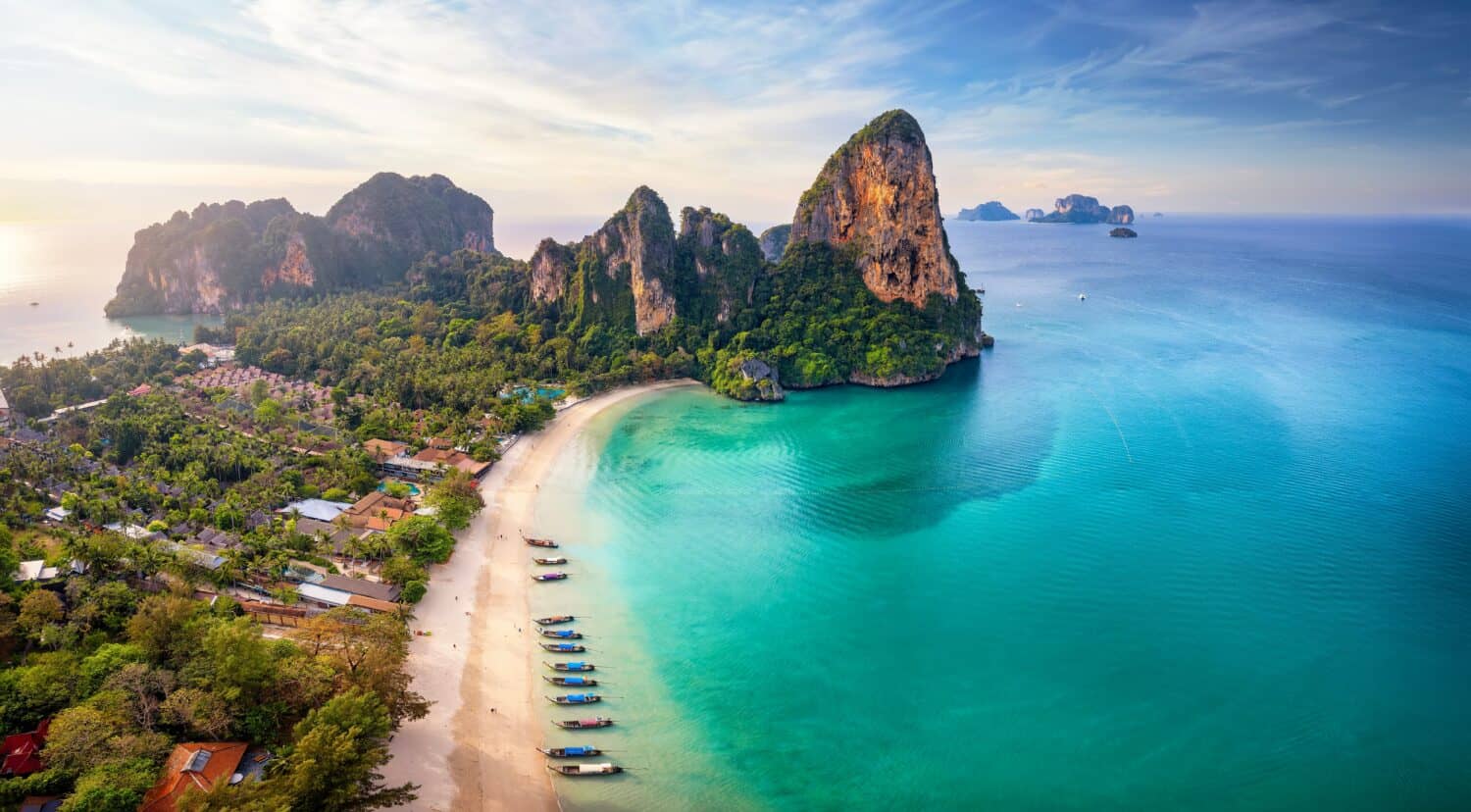
Thailand was known historically as Siam. It managed to retain its independence by playing off the British in neighboring Myanmar and Malaysia against the French in Indochina. Both sides munched off pieces of the country but left most of it alone as a buffer state to keep the peace between them.
14. Tonga
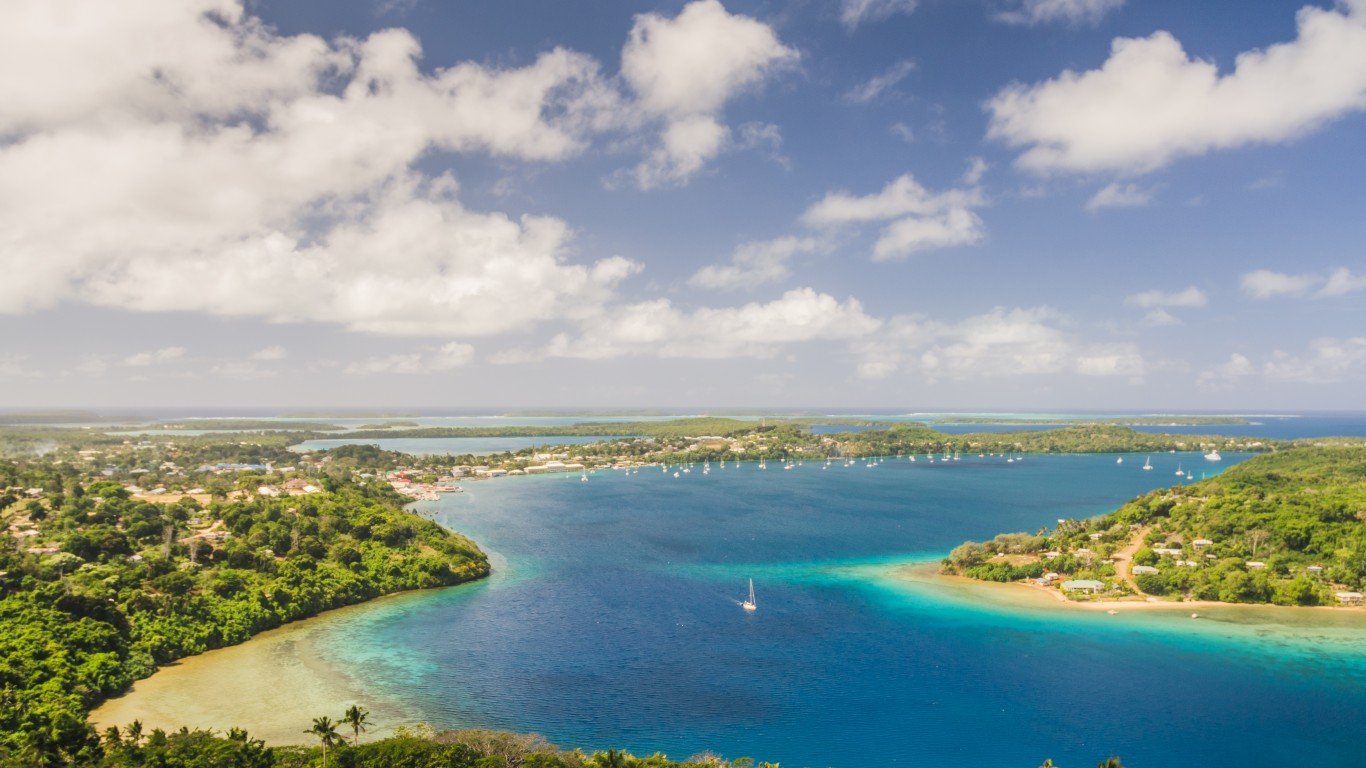
Tonga was not occupied but became a British protectorate in a 1900 treaty to prevent Germany from taking control. Tonga retained its royal family and freedom to practice its traditional way of life with Britain providing for its international defense.
15. Turkey
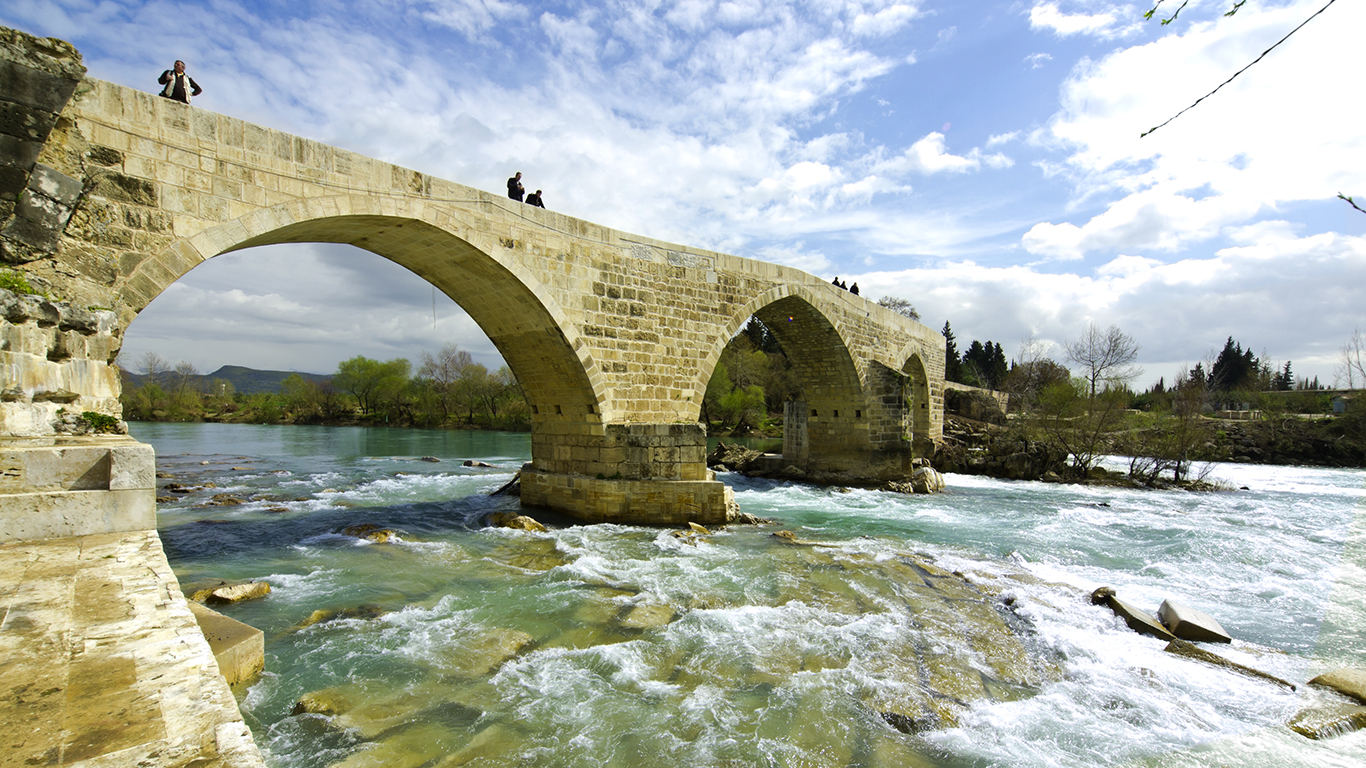
If we want to go all the way back to the empire of Alexander the Great, based in Macedonia, or the Roman Empire, then Turkey was colonized by Europeans. But in the great age of colonialism from the 15th-20th centuries, it retained its independence despite being on the losing end of more than one war and ultimately losing all its colonies in World War I.
Contact [email protected] for any questions or corrections.
Drew Wood has edited or ghostwritten nine books and published more than 1,500 articles on investing, business, politics, travel, world cultures, wildlife, and earth science. He holds a doctorate and four master's degrees and has nearly 30 years of college teaching experience. His travels have taken him to 25 countries, including three years living in Ukraine.