21 Facts About Pearl Harbor that Most Americans Don’t Know
On April 21, 2025, Dorinda Makanaonalani Nicholson stood before an audience at Missouri Valley College to detail her memories of Japan’s vicious attack on Hawaii’s Pearl Harbor. She recounted her childhood, eye-witness account of the day her home state exploded…

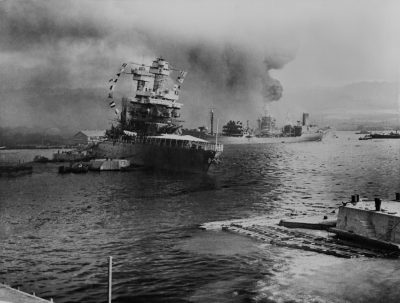
On April 21, 2025, Dorinda Makanaonalani Nicholson stood before an audience at Missouri Valley College to detail her memories of Japan’s vicious attack on Hawaii’s Pearl Harbor. She recounted her childhood, eye-witness account of the day her home state exploded in ruin and devastation. Dorinda described her friend’s and family’s misguided perspective at that time: ‘They’re not going to come 4,000 miles. We are fine. We are safe.’
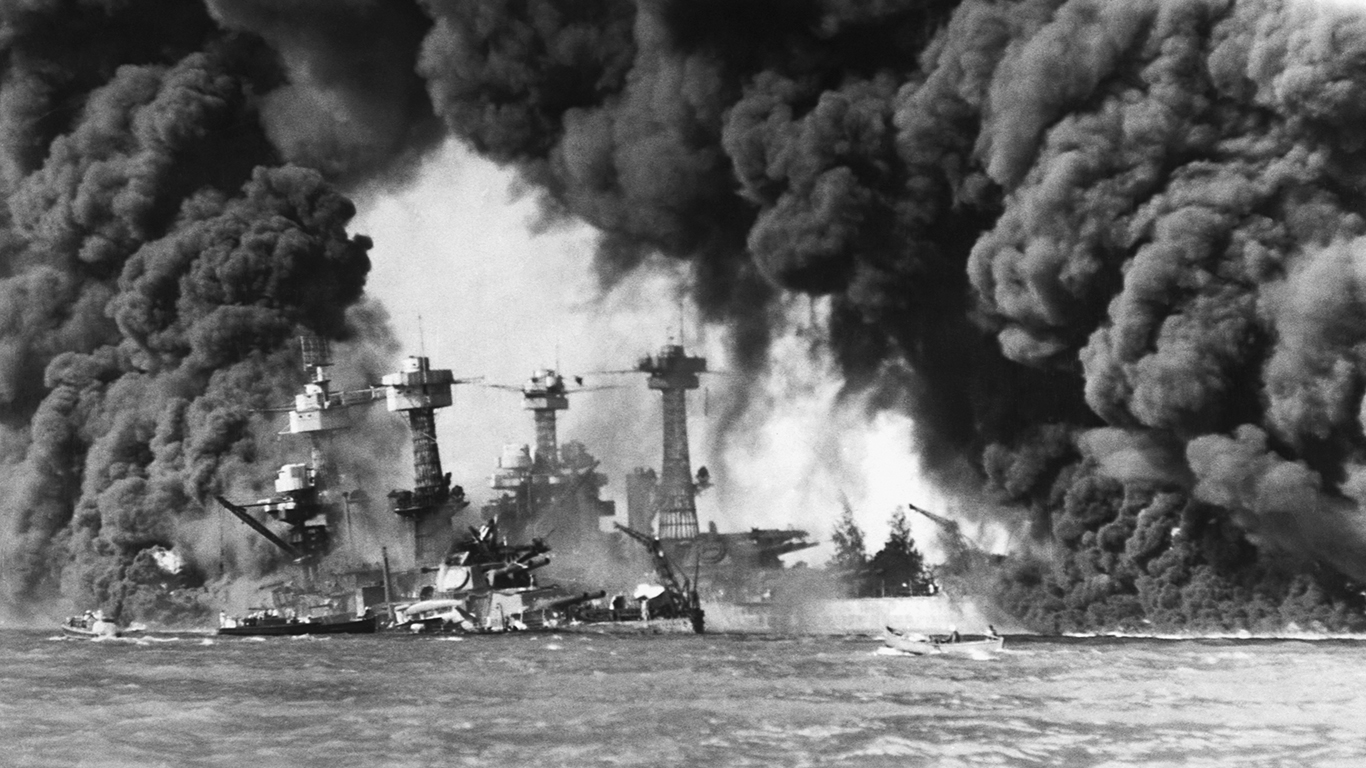
One of the most devastating attacks in American history, Pearl Harbor will forever be remembered as the moment America was pulled into World War II. However, as well known as Pearl Harbor is for its brutality, there are plenty of facts about this day that most Americans don’t know.
While it remains a day that lives in infamy, it’s high time that most Americans know all of the facts, both large and small, related to this horrifying moment in history. For example, did you know it was the Americans who fired the first shot on the morning of December 7, 1941?
This post was updated on May 5, 2025 to include Nicholson’s testimony of the events of December 7, 1941, and to clarify Japan’s motives in attacking U.S. forces at Pearl Harbor.
21. 29 Planes Lost
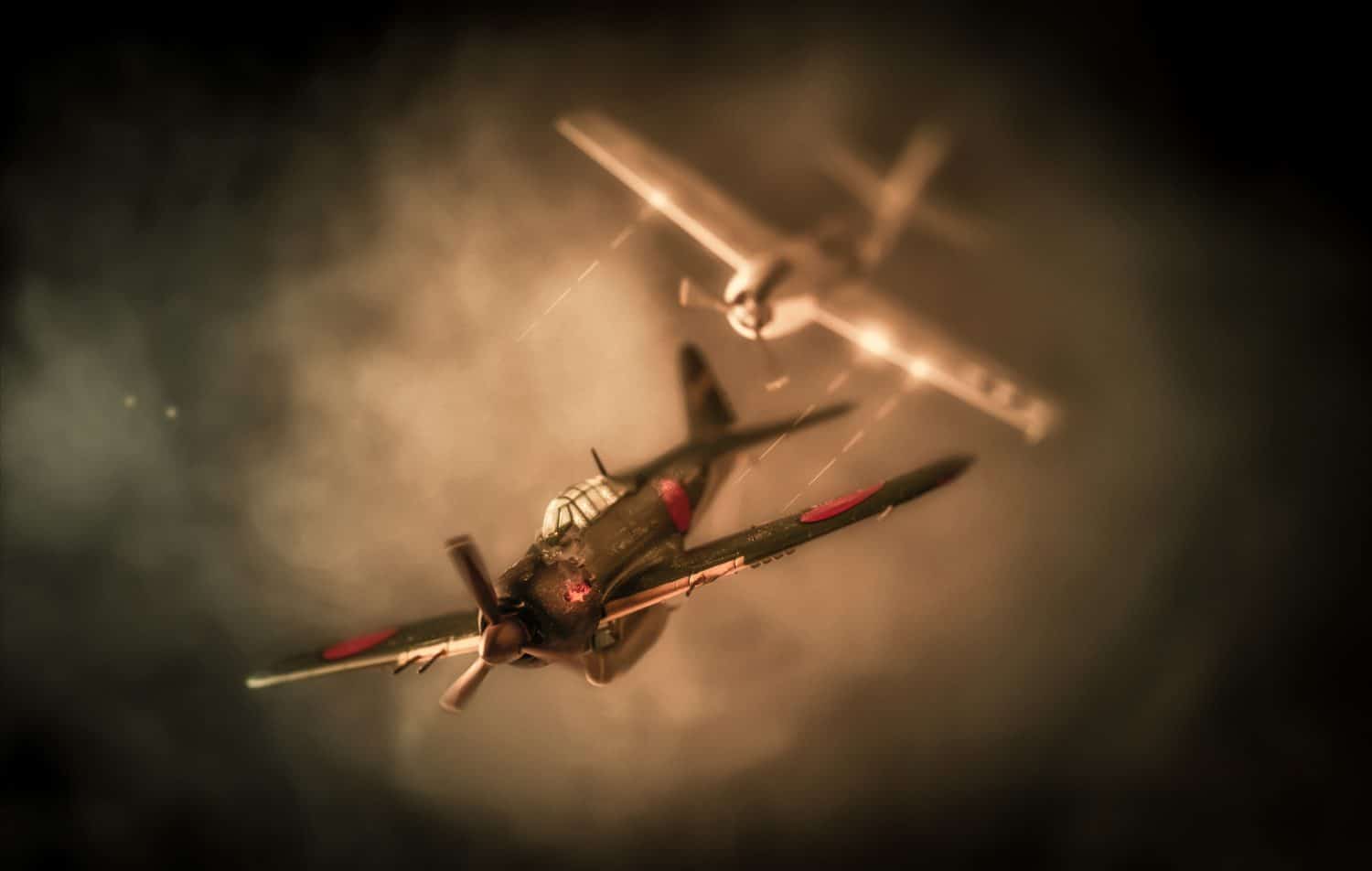
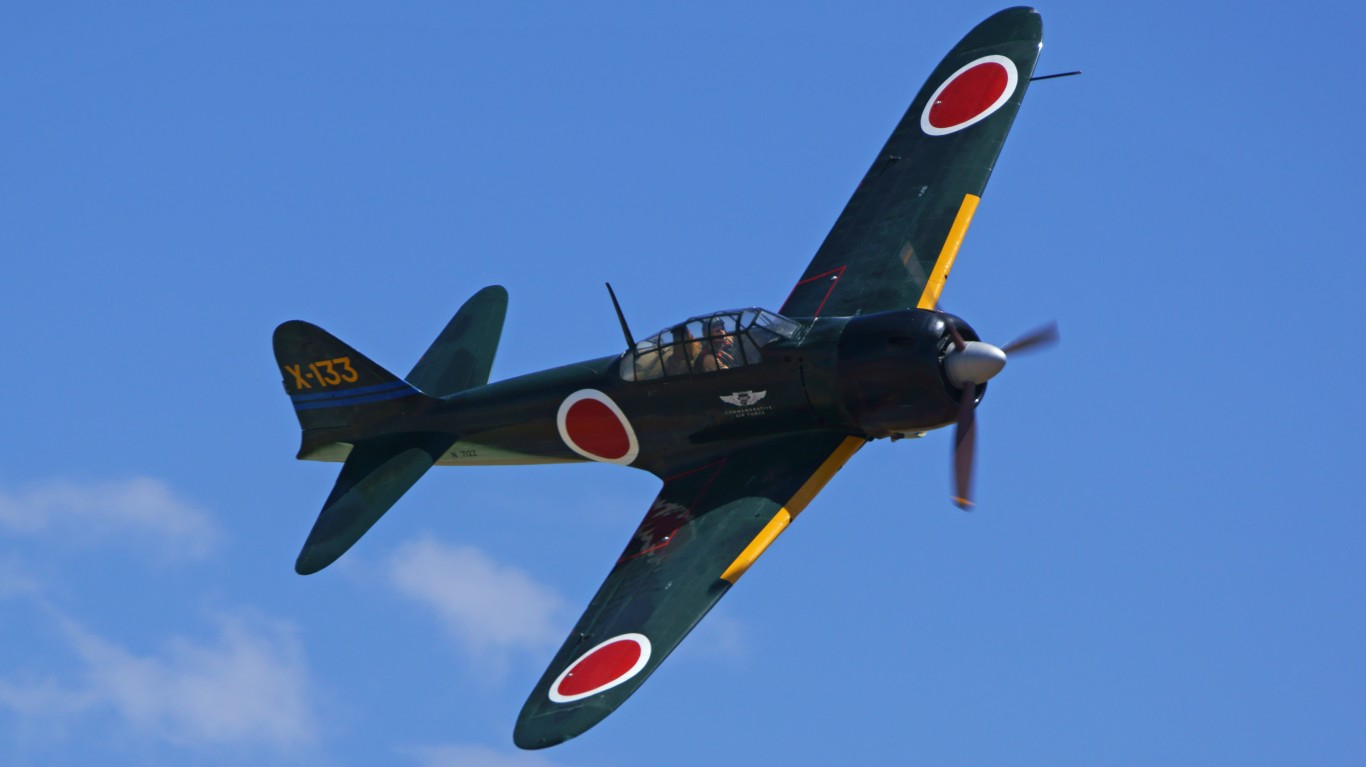
While most accounts of the attack focus just on American losses, 29 military planes from Japan were lost during the attack. Out of 353 planes, Japan lost a total of 55 airmen, according to Naval History and Heritage Command.
20. Japan Practiced Its Attack Two Decades Prior
As told in John Toland’s book, The Rising Sun, Japan simulated a naval attack on Pearl Harbor in 1924. This foreshadowed the 1941 attack, allowing the Japanese navy and army to better prepare for multiple eventualities leading up to the fateful attack.
19. No Civilian Targets
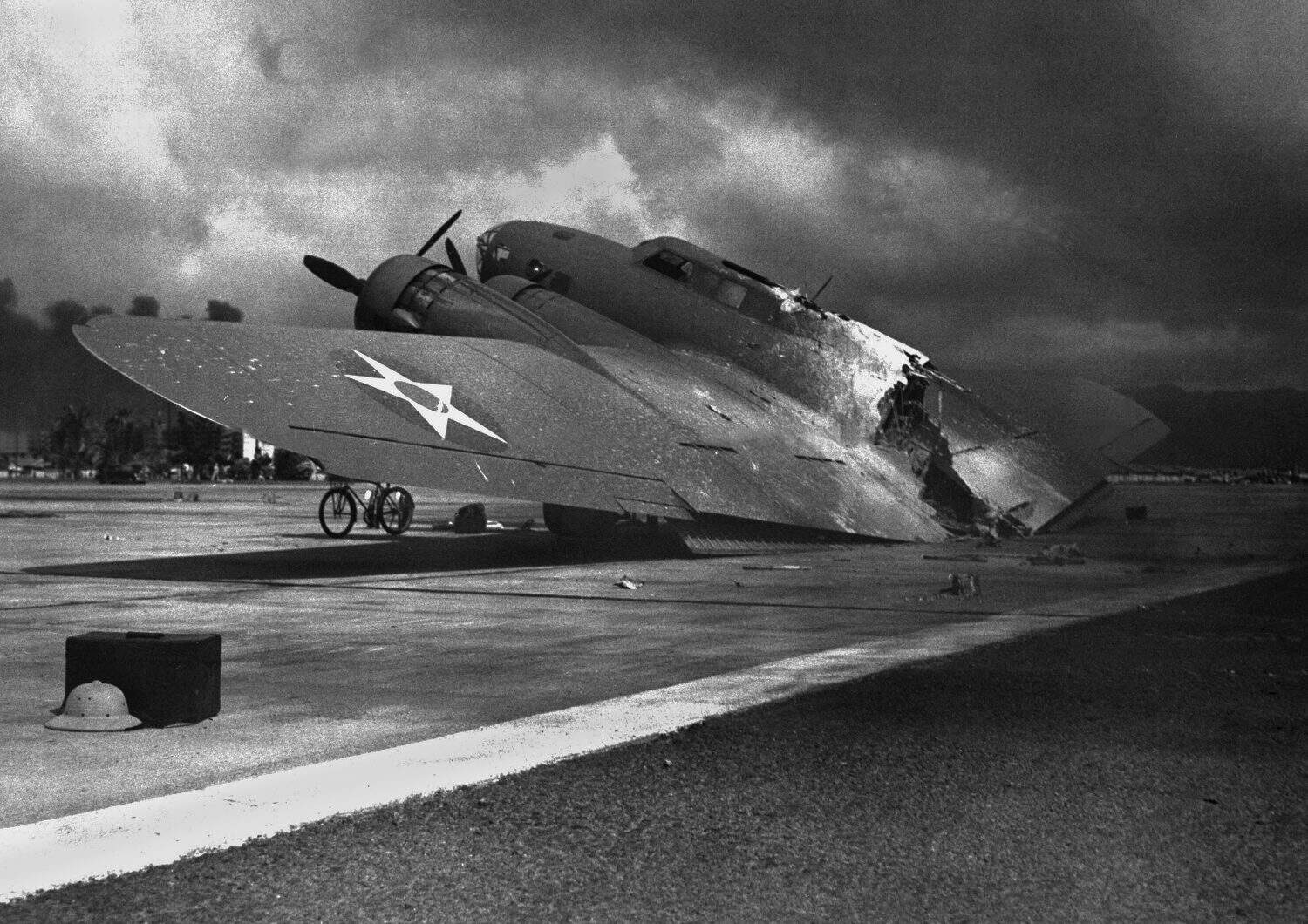
While history has indicated that Japanese planes were okay with hitting both civilian and military targets alike, the former is not accurate. Japanese Imperial Navy Records show strong language from Japanese commanders to only focus on military targets, though a few civilian areas were accidentally hit.
18. Broadcasted Live

One truly unknown fact is that according to Hawaii News Now Archives, a radio station in Honolulu unknowingly broadcast the attack as it was happening. The sounds of explosions and the chaos of men running around were heard live around the island by anyone listening.
17. Japan Didn’t Want a Prolonged War
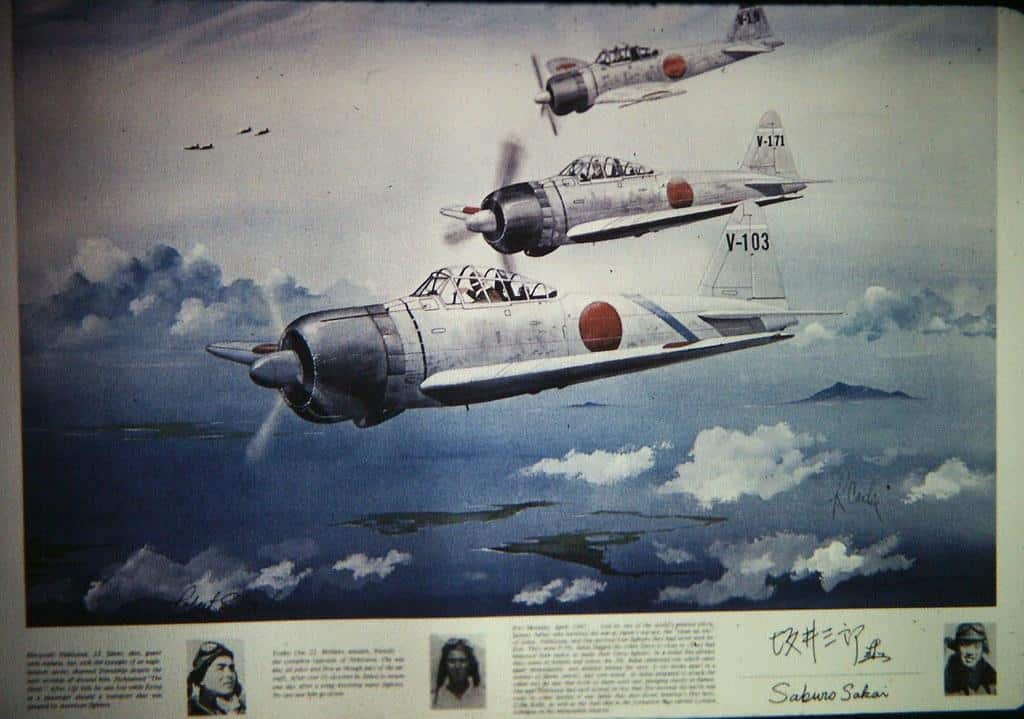
According to a book by Akira Iriye, The Origins of the Second World War in Asia and the Pacific,” Japan never actually wanted to start a years-long war. Instead, the Asian country hoped that by crippling the United States fleet in Pearl Harbor, it could advance their foothold, while simultaneously forcing the U.S. to second guess a deeper conflict with Japan.
16. USS Arizona Leaked

After being fueled with 1.5 million gallons on December 6th, 1941, according to Naval records, the USS Arizona still leaks around 18 pints of oil a day. This is one of the most viewed aspects of any tour of Pearl Harbor memorials.
15. US Carriers Were Not Present

What the Japanese Navy did not know is that the US Aircraft Carriers were not present in Pearl Harbor at the time of the attack, according to military records. Had they been attacked, it could have dramatically delayed the United States’ ability to respond quickly with naval force.
14. Elvis Presley Lends a Hand
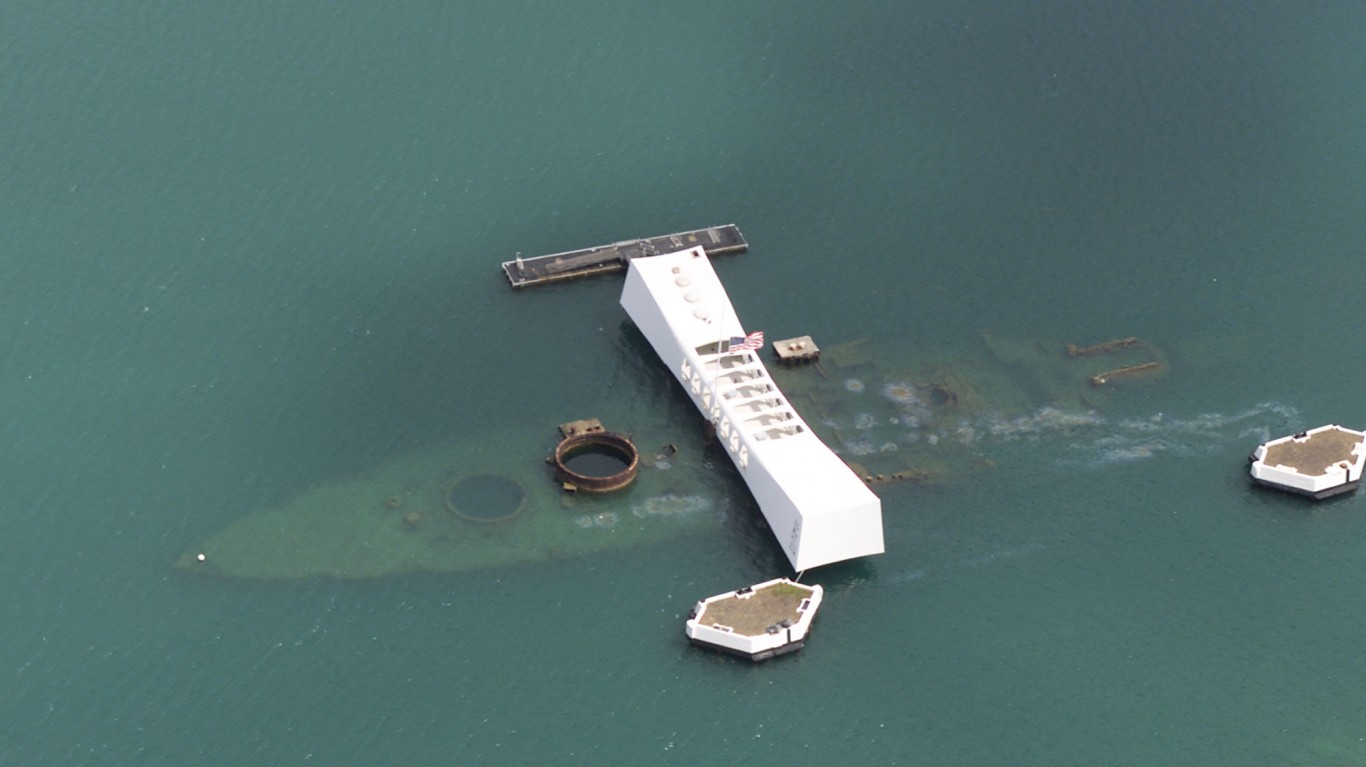
According to TheCollector.com, Elvis Presley lent a helping hand toward building the Pearl Harbor memorial over the USS Arizona. After efforts to fundraise stalled by 1960, Presley, recently discharged from the Army, stepped in to raise money and included a personal donation. This led to the memorial being built and completed in two years.
13. A Second Attack
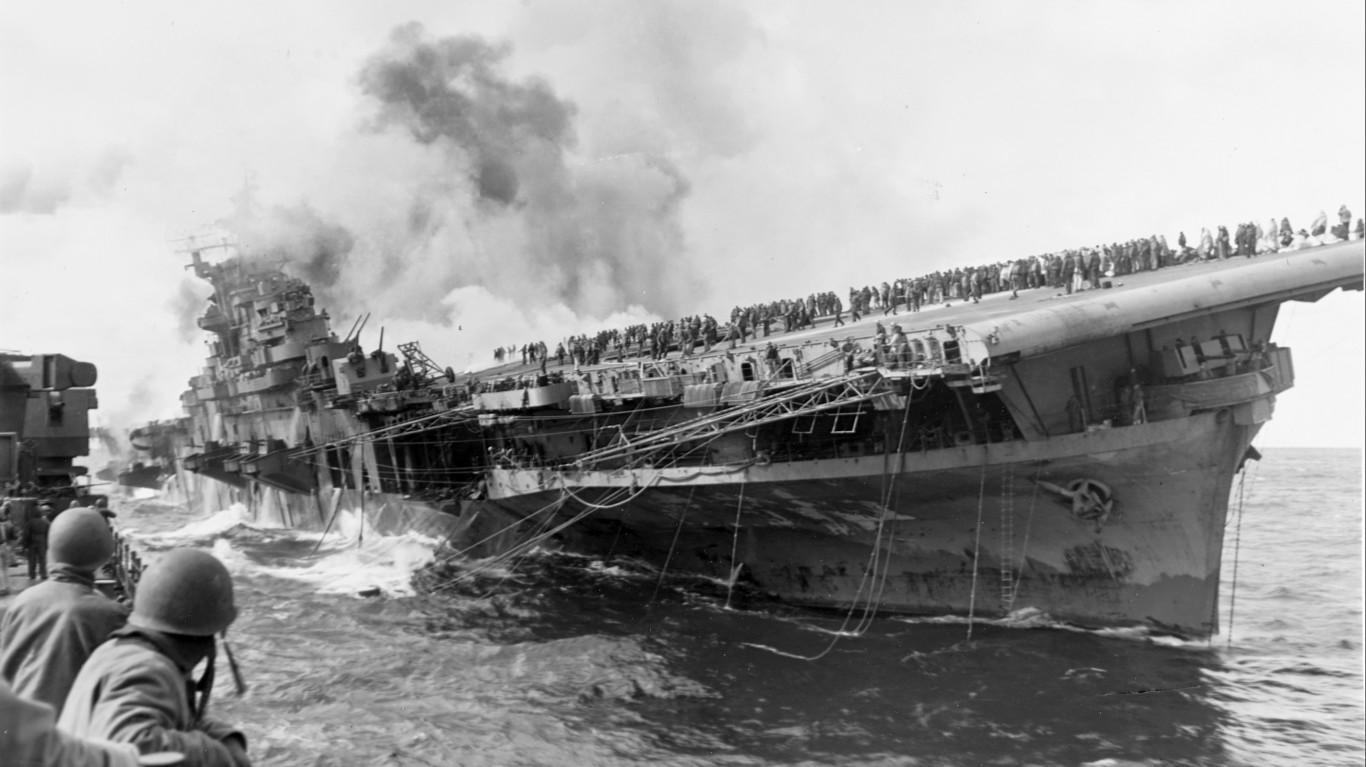
History will note that the Japanese attacked Pearl Harbor a second time on March 4th, 1942, with “Operation K”. Using planes that looked like American aircraft, radar saw the incoming Japanese fighters and US aircraft were dispatched to intercept. However, due to cloudy weather, the Japanese attack failed.
12. Wave of Patriotism
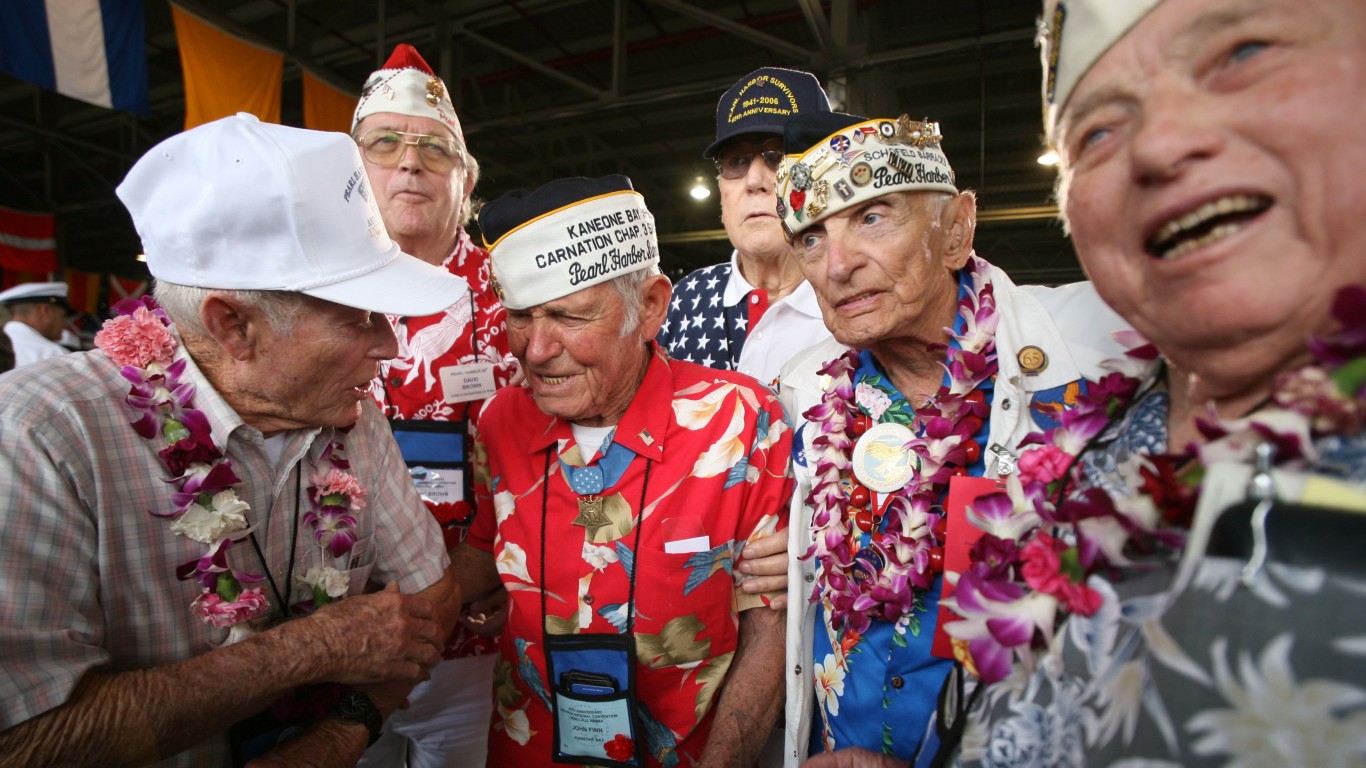
PearlHarborTours.com highlights that over the next 30 days after the attack on Pearl Harbor, more than 134,000 Americans voluntarily enlisted in the military. Ultimately, more than 50 million out of 132 million Americans were involved in the war effort in some capacity.
11. Limited Attack Damage
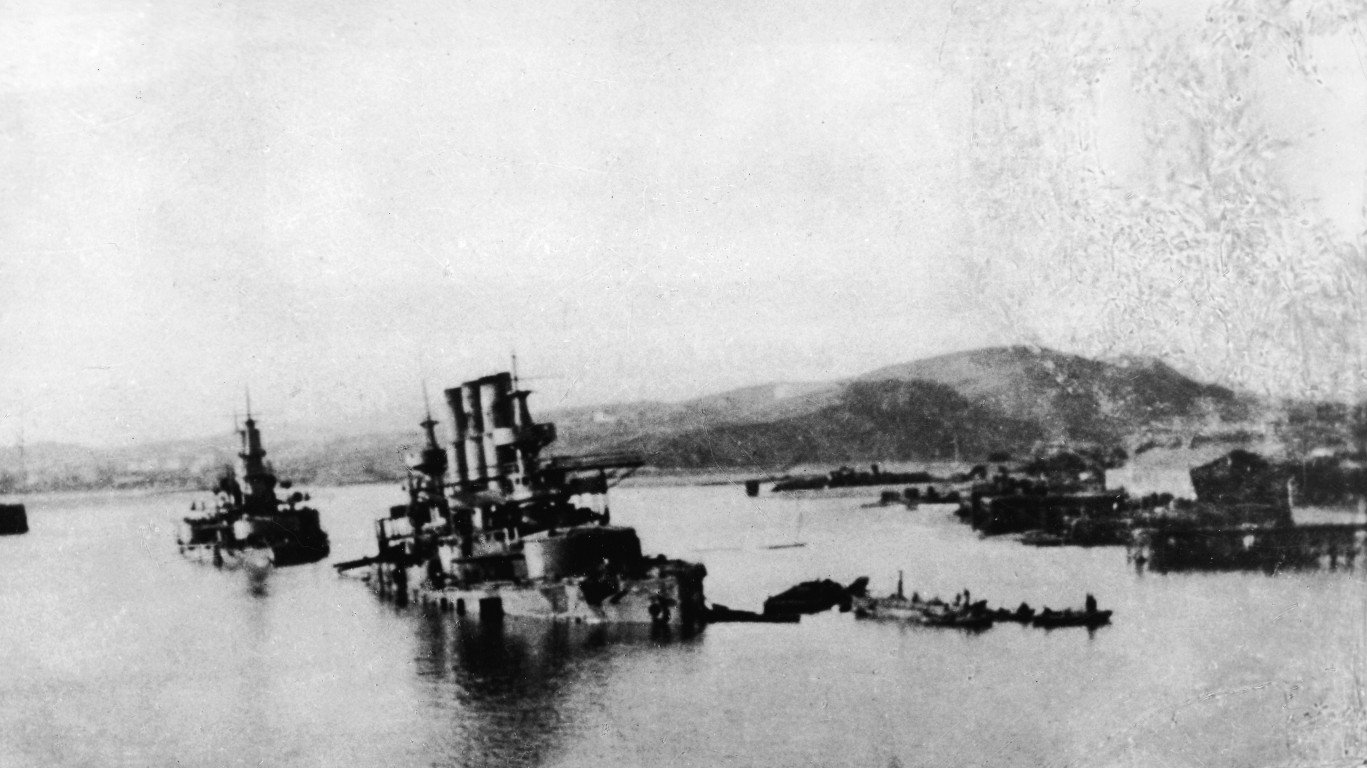
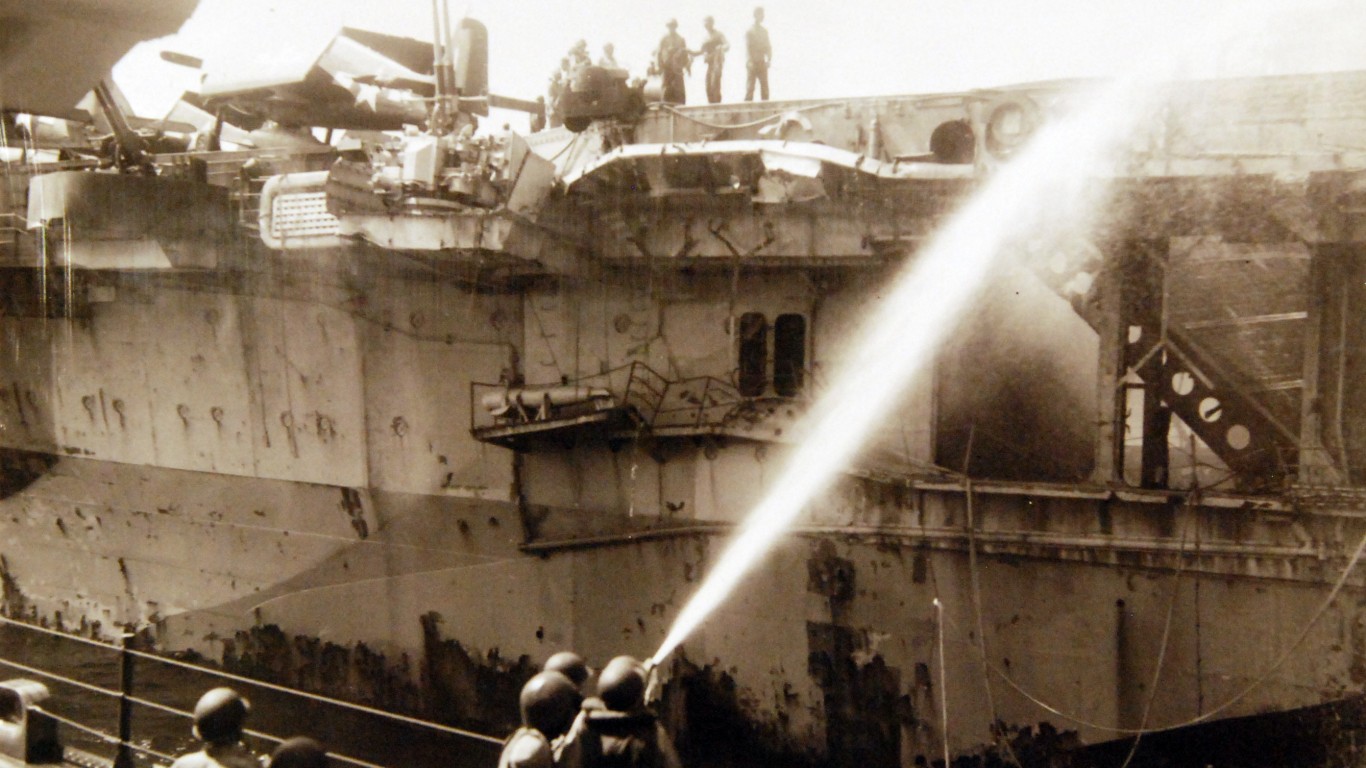
A mention by PearlHarborTours.com indicates that Japan could have inflicted far more damage had they decided to target oil tank farms and Navy repair yards and not just the American battleships. By not attacking these areas, the US would recover much quicker and make significant naval movements by 1942.
10. Japanese Navy Officials Didn’t Want to Attack
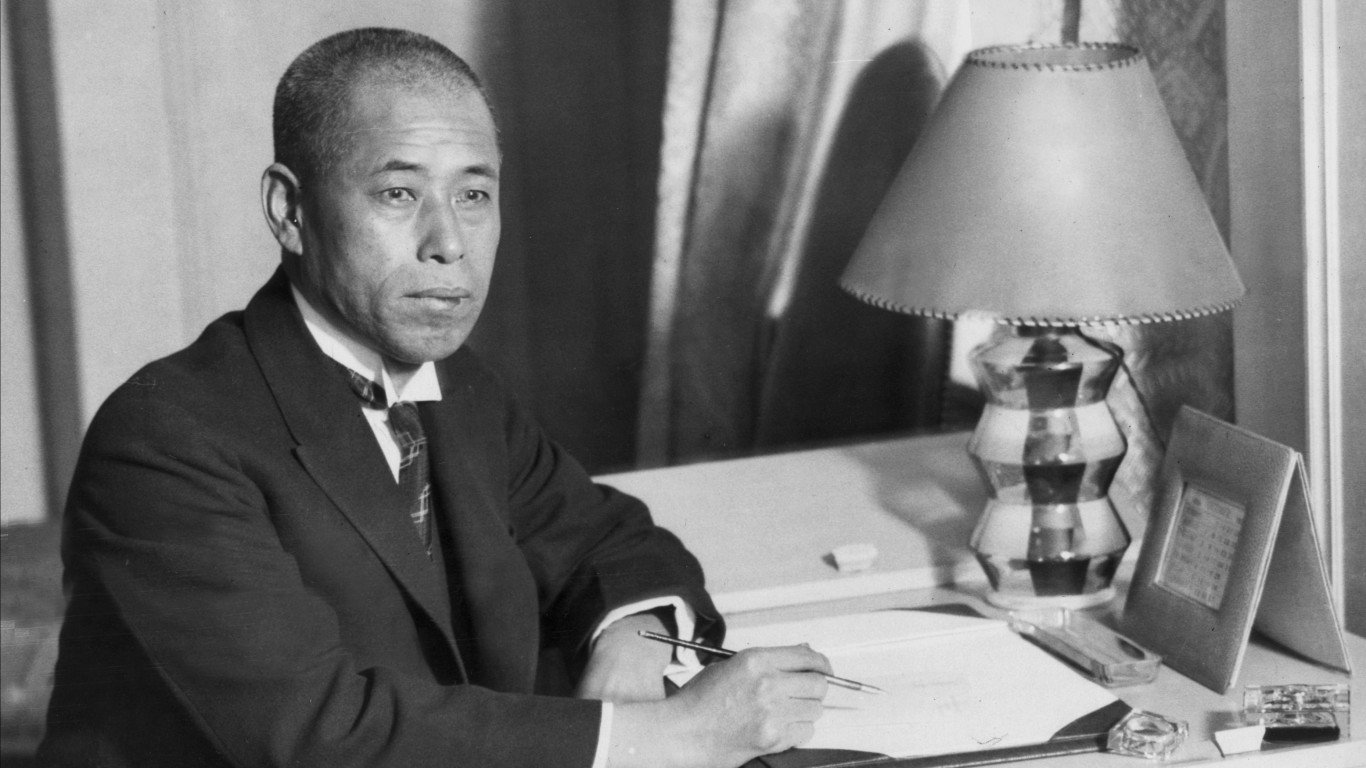
According to USO.org, most high-ranking officers of the Japanese Navy didn’t want to attack America, as would later be discovered through diaries and memoirs of these officials. These Japanese officials had “a very long history of friendship with the Americans,” but the Japanese Army overruled their concerns.
9. Real Wooden Fins
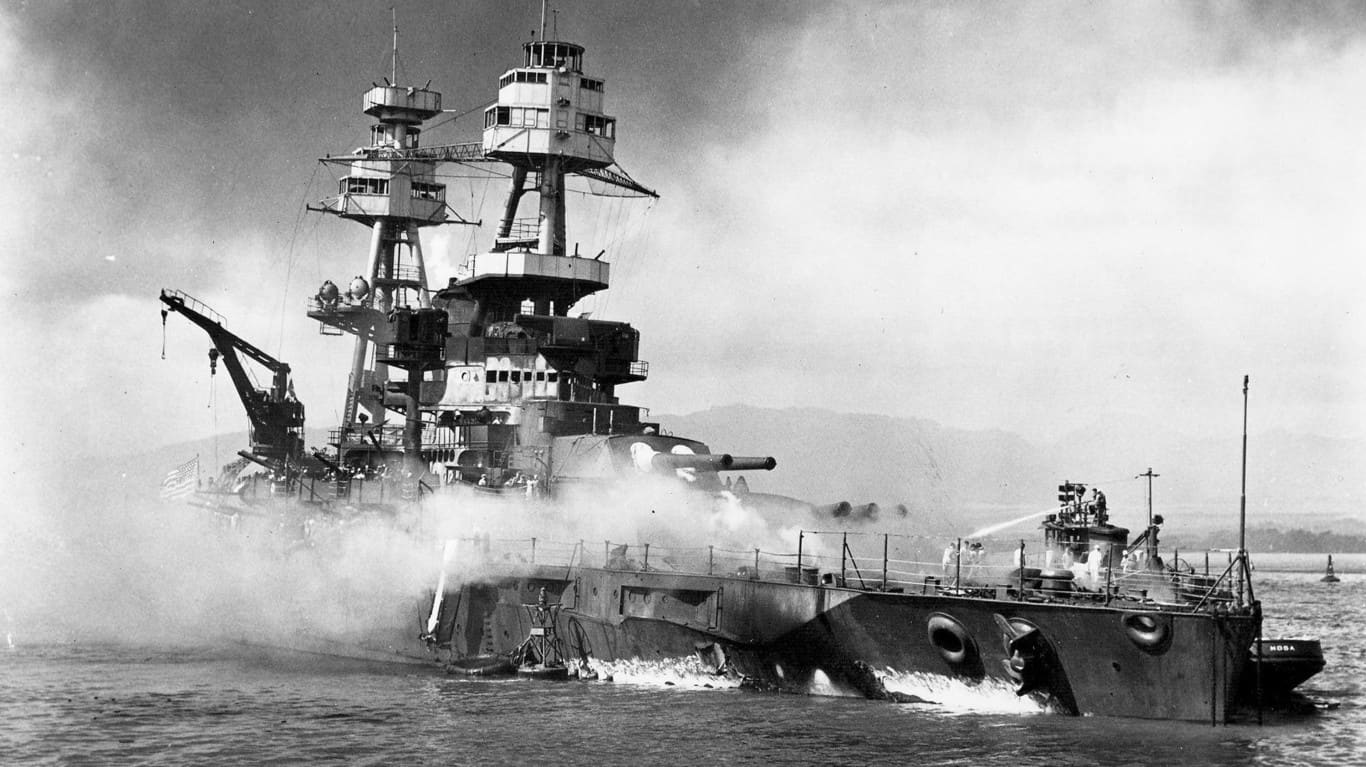
While some people might think it was movie magic, the Japanese Navy actually attached unique wooden fins to its torpedoes to operate in Pearl Harbor’s shallow waters, according to the Japanese military records.
8. Delayed Intelligence

As seen in the movie Pearl Harbor, there was a Japanese message indicating a surprise attack that was received on December 6th. Unfortunately, the message wasn’t decrypted until after the attack had already taken place.
7. Simulated Attacks

According to Wikipedia, military exercises showed surprise attacks at Pearl Harbor in both 1932 and 1938. None of the vulnerabilities that were discovered by these exercises were fully addressed.
6. Selective Targeting
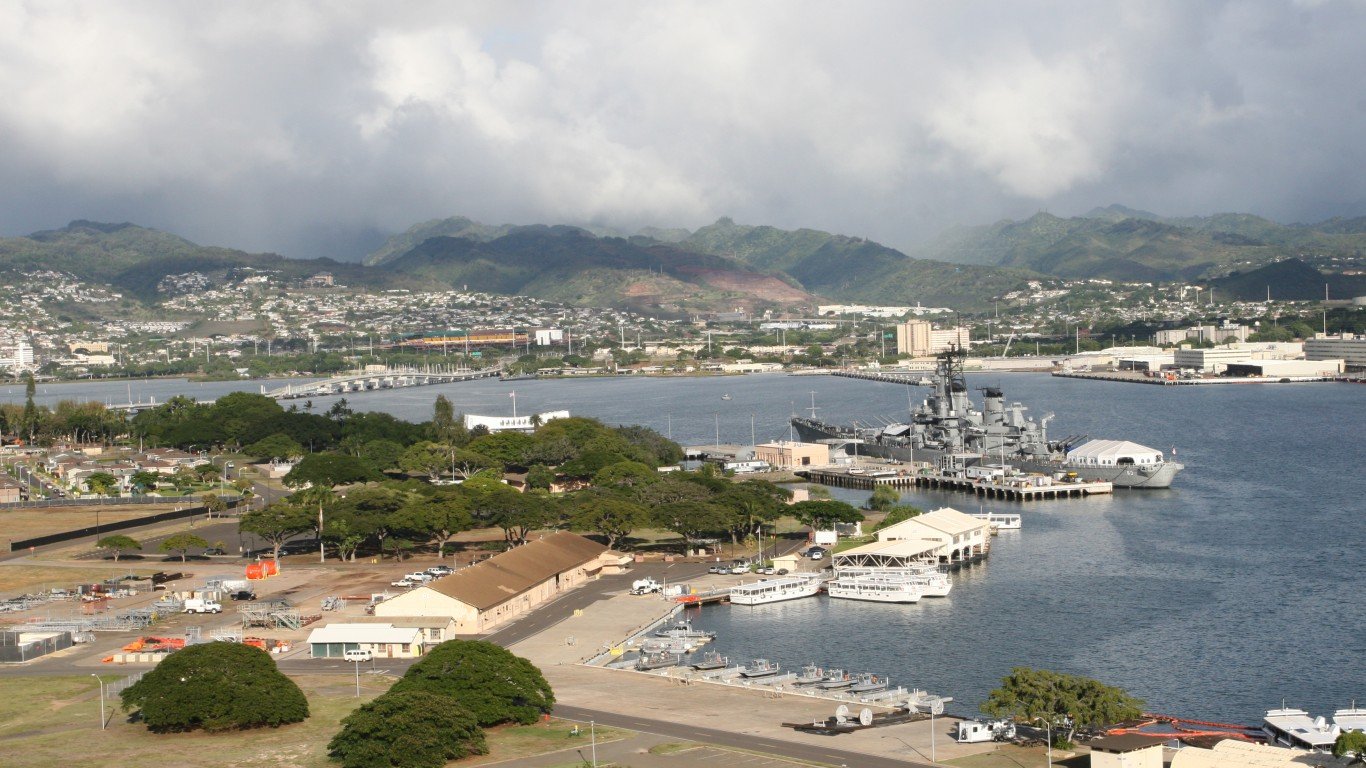
According to multiple Pearl Harbor tour sites, out of the 102 ships in the harbor at the time of the attack, only 69 were damaged. This speaks to the highly targeted mission the Japanese set out to accomplish.
5. Inspired By A Fictional Book

Unbeknownst to millions of Americans, it was reported that Marshal Admiral Isoruko Yamamoto, commander of the Japanese Navy, read a 1925 book by Hector Bywater, The Great Pacific War. This book is said to have inspired much of the Japanese naval strategy in a surprise attack.
4. USS Arizona
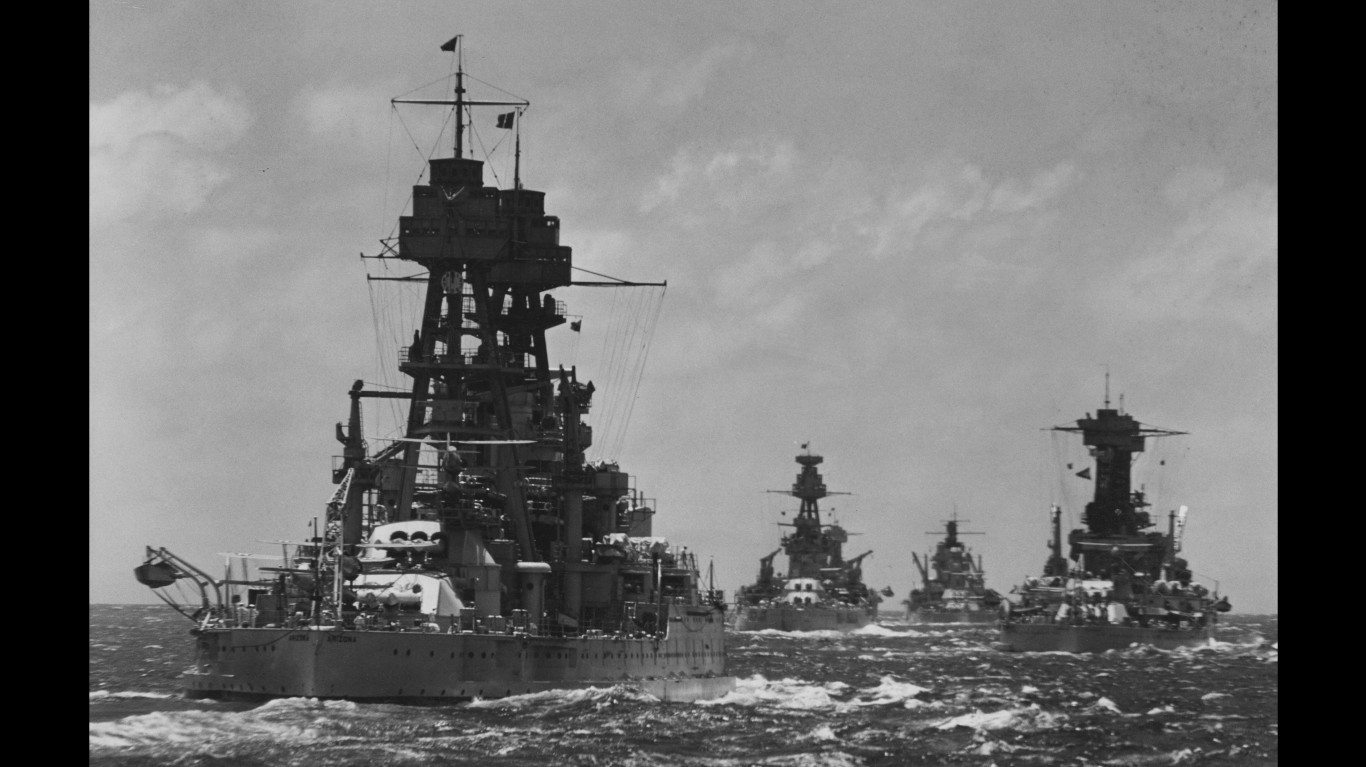
While most people know about the USS Arizona sinking, what most Americans don’t realize is that this ship alone was responsible for half of all American fatalities as a result of the surprise attack. This is according to the World War II Museum in New Orleans.
3. Submarine Plans
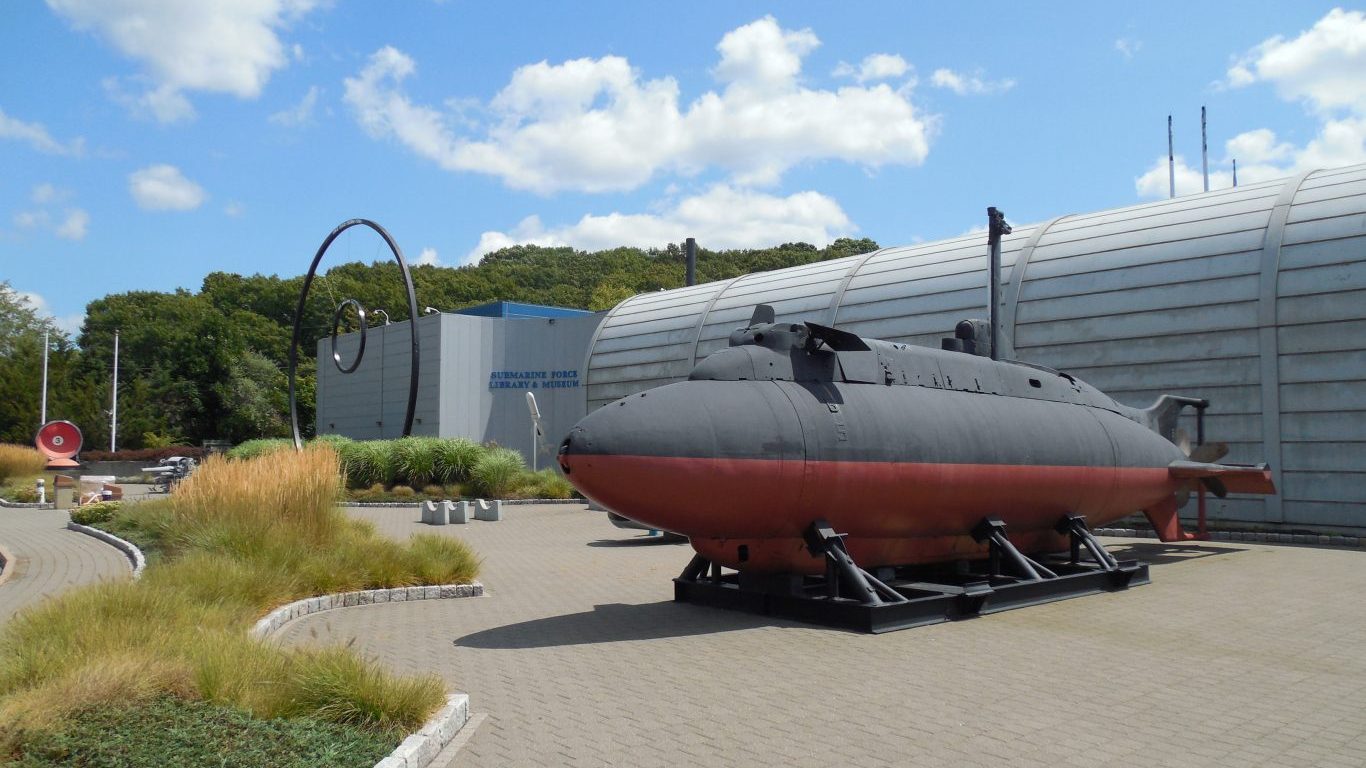
Most Americans remember Pearl Harbor as an attack by Japanese planes, but Japan’s midget submarines were supposed to play a far more crucial role. Japan deployed five midget submarines, but none saw success in targeting larger ships, according to Pearl-Harbor.info.
2. 75 Minute Attack
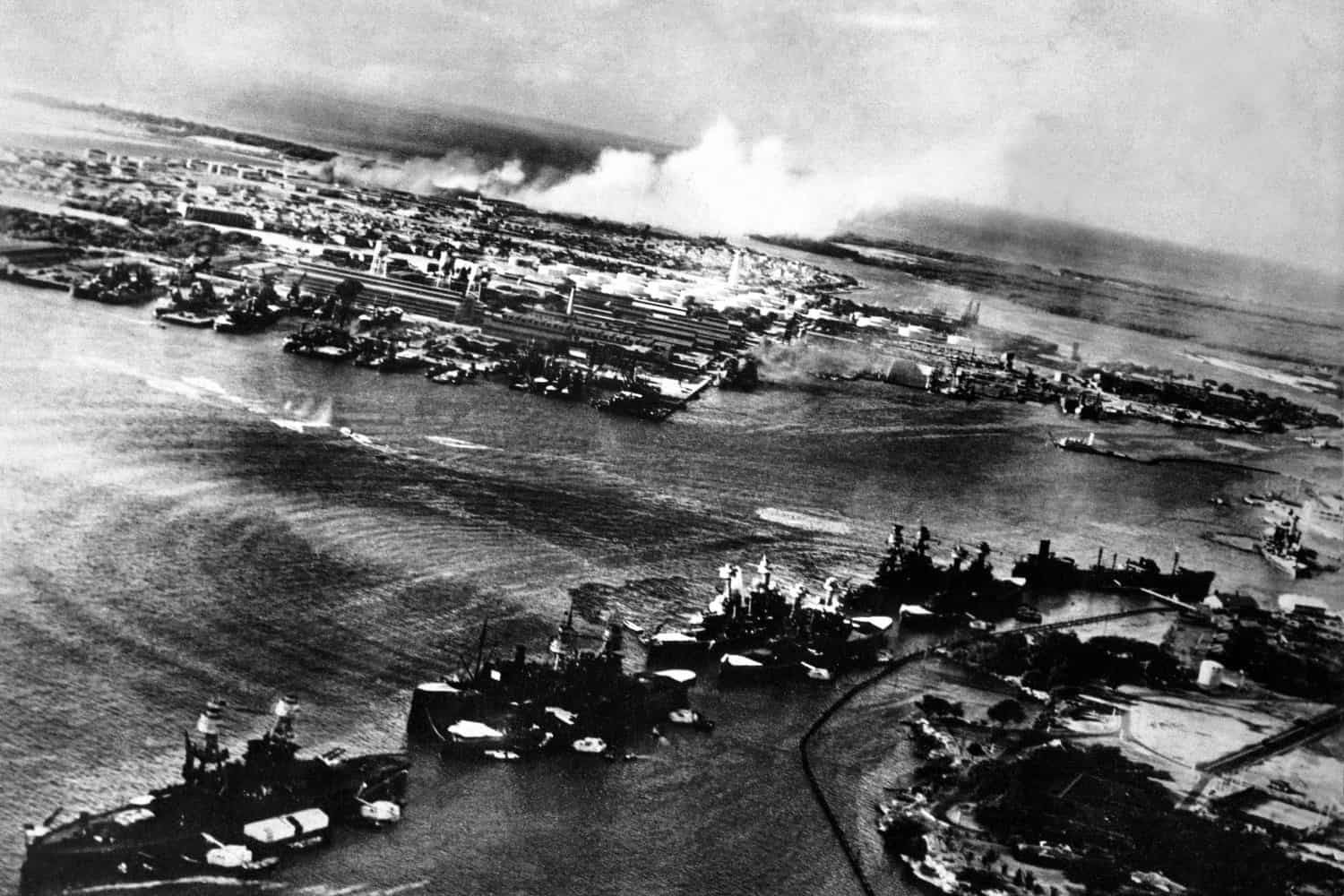
By all accounts, the attack on Pearl Harbor lasted for hours and hours. However, according to reports from the day, the entire Japanese attack, which began at 7:55 HST, lasted only 75 minutes and involved two waves of aircraft.
1. First Shots Fired
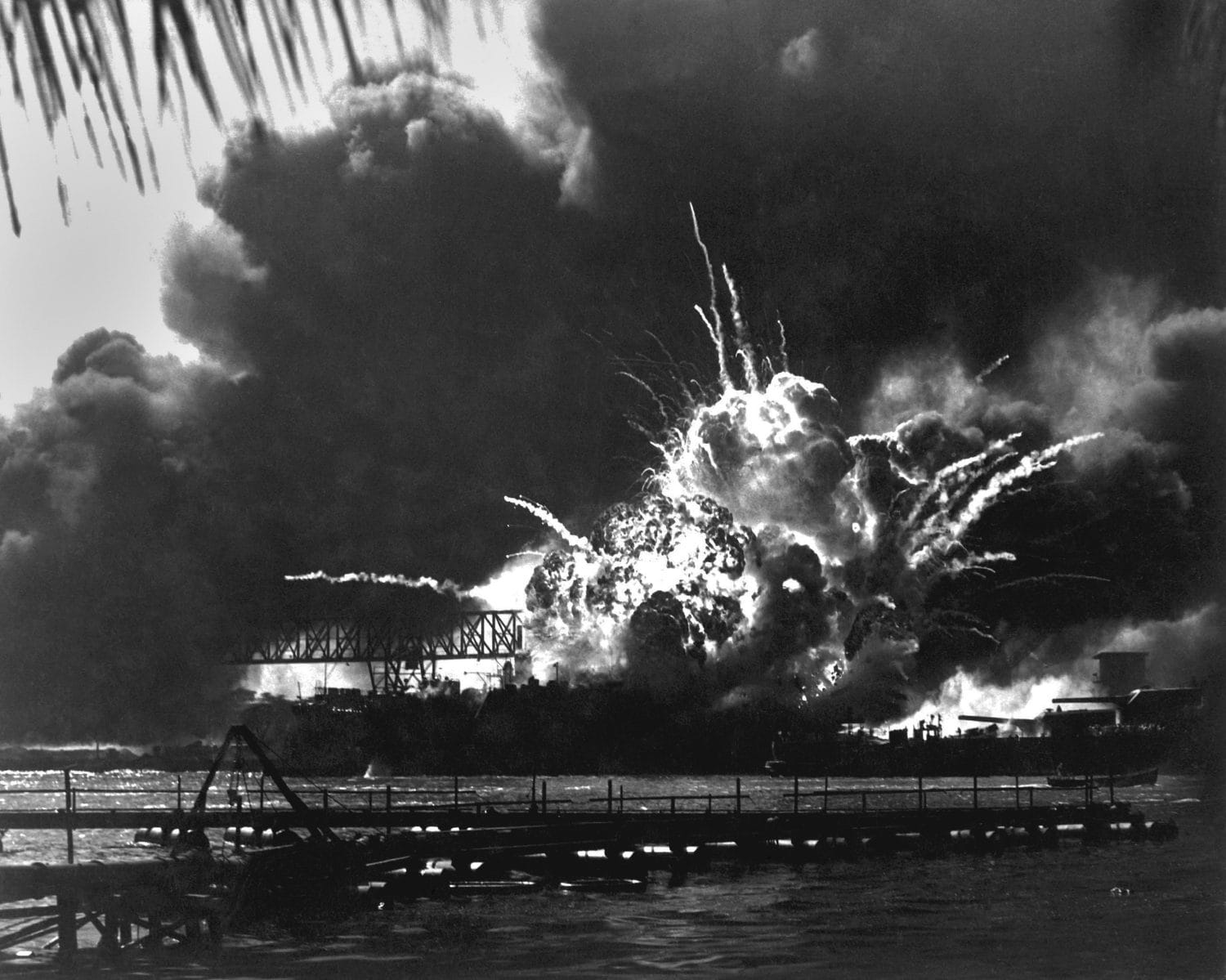
According to the National Pearl Harbor Remembrance Day records, it was America that fired the first shot on December 7, 1941. The USS Ward, a Wickes-class destroyer, saw a Ko-hyoteki-class midget submarine near the entrance to the harbor and fired at it, marking America’s first shots in the war.
Contact [email protected] for any questions or corrections.
David Beren has been a Flywheel Publishing contributor since 2022. Writing for 24/7 Wall St. since 2023, David loves to write about topics of all shapes and sizes. As a technology expert, David focuses heavily on consumer electronics brands, automobiles, and general technology. He has previously written for LifeWire, formerly About.com. As a part-time freelance writer, David’s “day job” has been working on and leading social media for multiple Fortune 100 brands. David loves the flexibility of this field and its ability to reach customers exactly where they like to spend their time. Additionally, David previously published his own blog, TmoNews.com, which reached 3 million readers in its first year. In addition to freelance and social media work, David loves to spend time with his family and children and relive the glory days of video game consoles by playing any retro game console he can get his hands on.