Why These WWII-Era Weapons Remain Battlefield Favorites
World War II ended generations ago, yet many of its weapons are still firing in today’s conflicts. Heavy machine guns, bolt-action rifles, artillery pieces, and even tanks continue to appear from Africa to Eastern Europe. Built for a global conflict…


World War II ended generations ago, yet many of its weapons are still firing in today’s conflicts. Heavy machine guns, bolt-action rifles, artillery pieces, and even tanks continue to appear from Africa to Eastern Europe. Built for a global conflict that demanded toughness and mass production, these guns and vehicles still serve because they’re reliable, affordable, and easily repaired. Here, 24/7 Wall St. is taking a closer look at WWII-era weapons that refuse to retire.
To identify World War II weapons that are still in use by militaries, reserves and other forces around the world, 24/7 Wall St. reviewed various historical and military sources. We ordered these weapons chronologically. We included supplemental information regarding the year introduced, country of origin, manufacturer and more on each weapon.
Here is a look at World War II weapons that are still in service:
Why Are We Covering This?
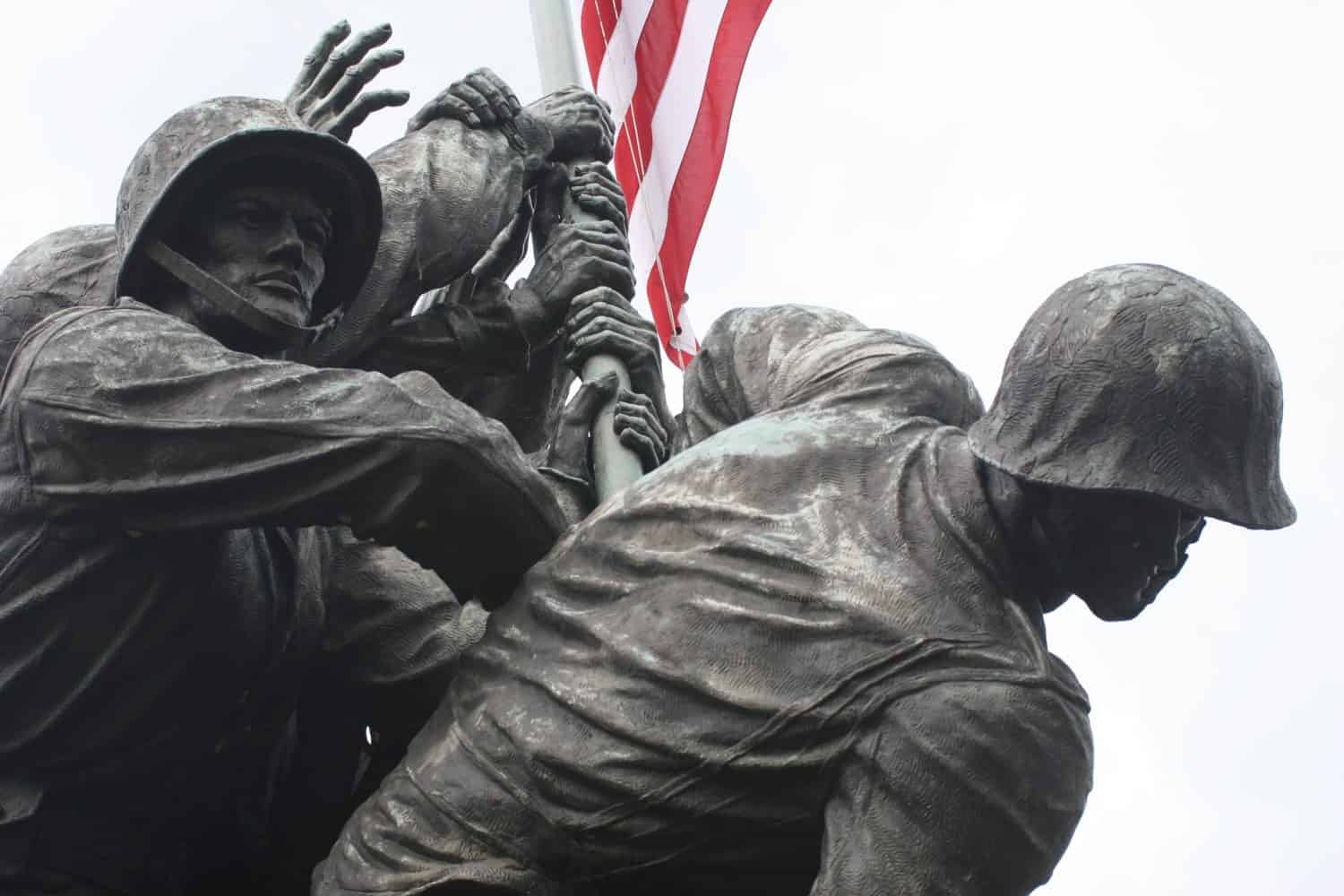
WWII-era weapons still appearing on today’s battlefields reveal a deeper story about global conflict, military budgets, and the enduring practicality of rugged engineering. These weapons still remain as tools of war because they’re reliable, affordable, and accessible in places where modern equipment is scarce or politically difficult to acquire. Understanding why these aging designs still persist, we get a clearer look at how uneven modernization shapes warfare around the world.
The Unexpected Longevity of WWII Weapons
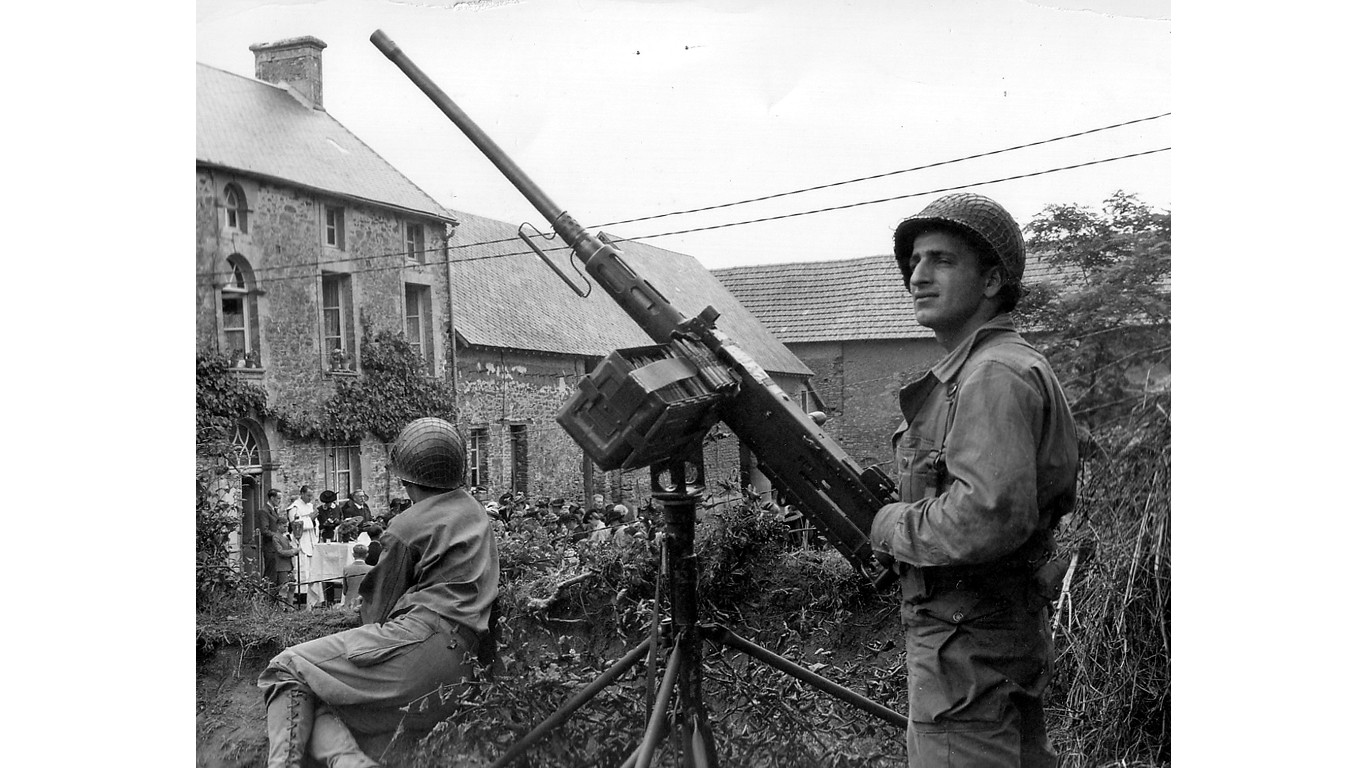
World War II ended eighty years ago, but many of its weapons never left the battlefield. Heavy machine guns, old tanks, field guns, and even bolt-action rifles still show up in today’s wars from Africa to the Middle East. These aren’t museum pieces or reenactment props—they’re real combat tools, still pulled out of storage and fired in live conflicts around the world.
Built in an Era of Rugged, Over-Engineered Design
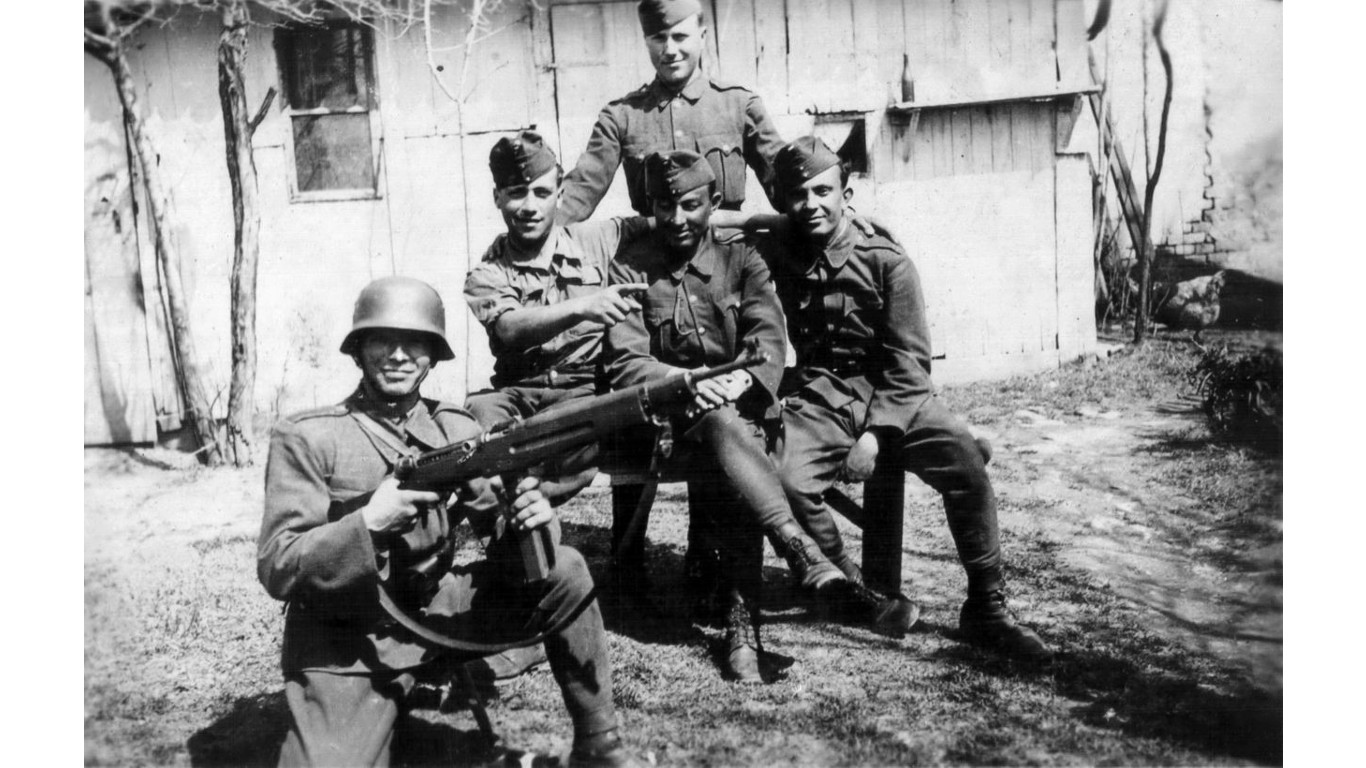
Many WWII-era weapons were designed in an age when simple mechanics and overbuilt steel were the norm. Armies needed guns that could survive mud, sand, cold, and neglect—and still function. As a result, a lot of these designs are brutally tough, forgiving of abuse, and easy to keep running with basic tools. In low-tech environments, that kind of ruggedness still beats sophistication.
Why Modern Militaries Still Use Them
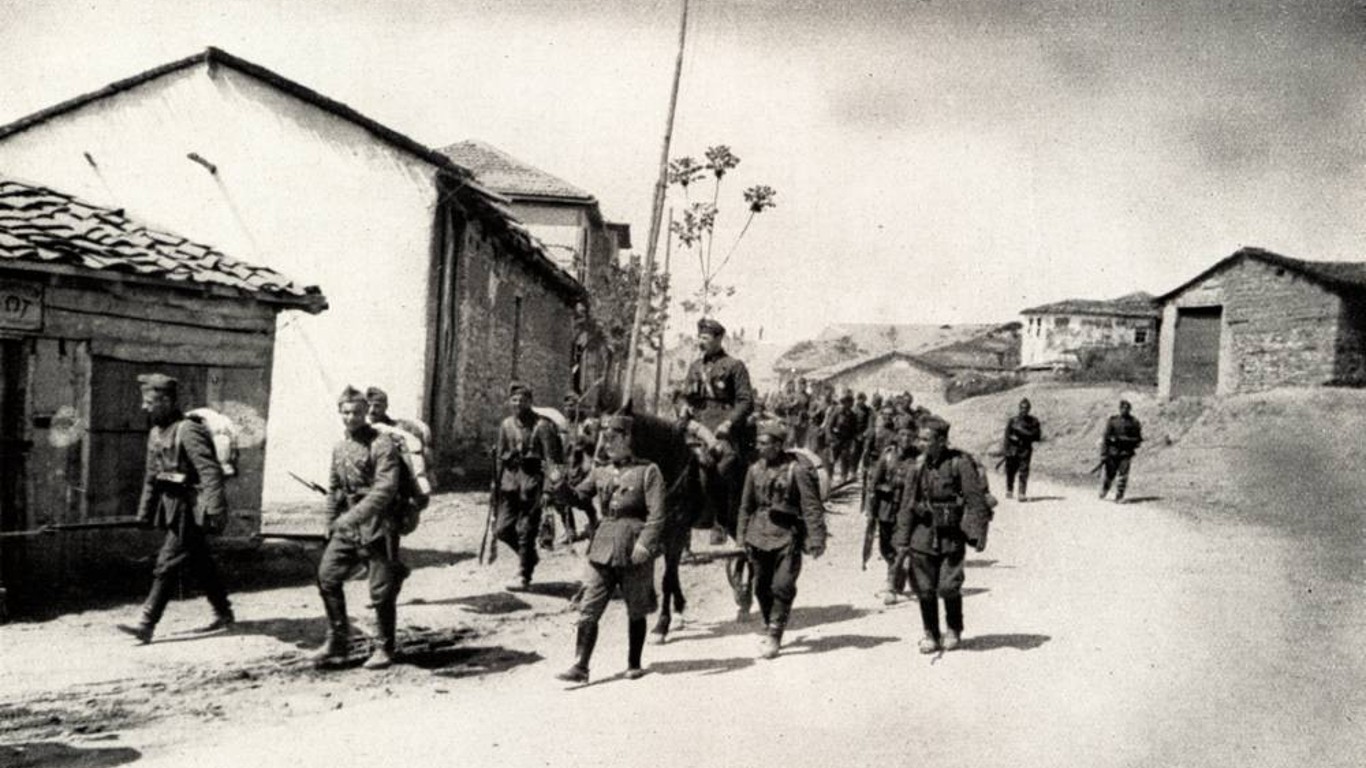
For many countries, the choice isn’t between old and new—it’s between old and nothing. WWII-era weapons remain attractive because they’re cheap, widely available through surplus, and familiar to generations of soldiers. Spare parts can be cannibalized, manuals are everywhere, and maintenance is straightforward. When budgets are tight, a “good enough” seventy-year-old machine gun often wins over a brand-new system.
The Roles Where Old Weapons Still Excel
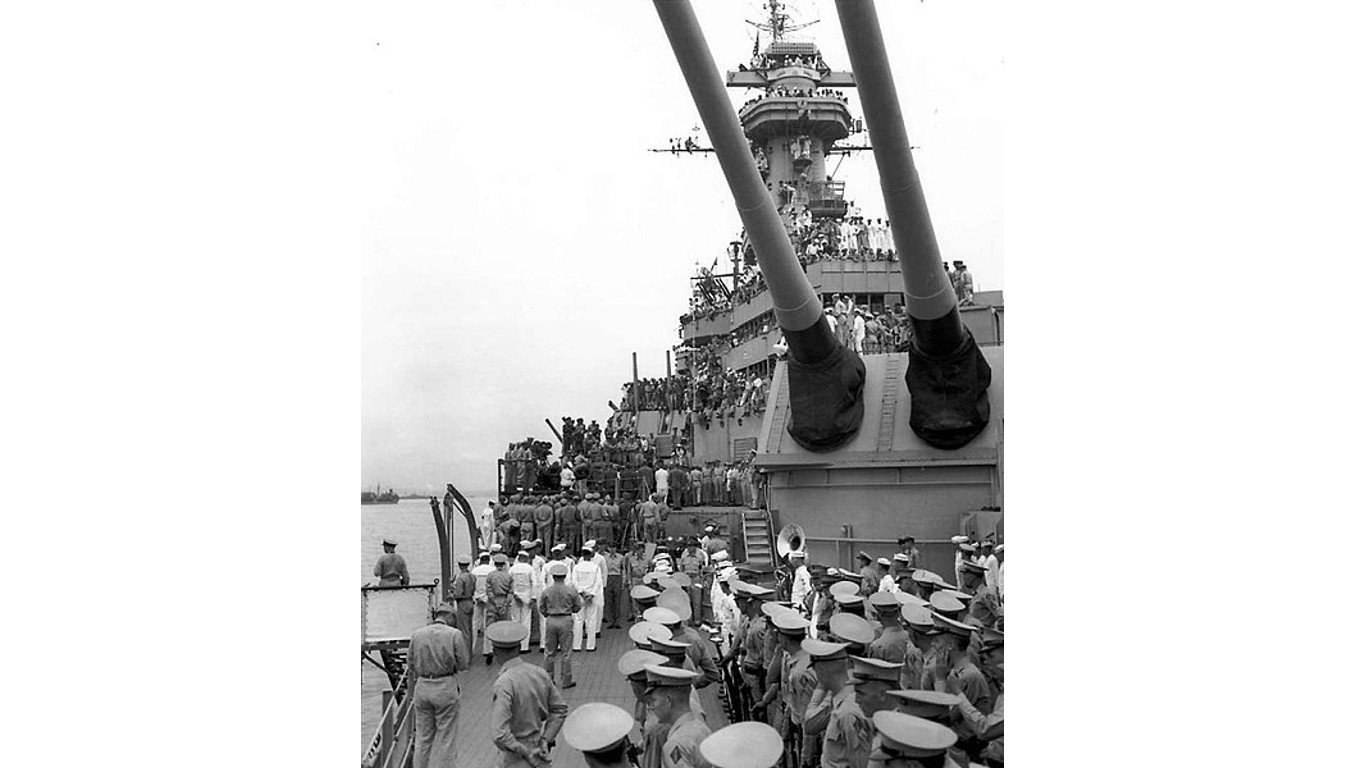
These weapons may be outdated for high-end, peer-on-peer warfare, but they still shine in certain roles. Heavy machine guns and autocannons remain deadly on checkpoints and convoy escort duties. Old tanks work as fire support or intimidation tools. Bolt-action rifles and field guns still have value in static defense and irregular warfare. In the right niche, “obsolete” hardware can still be brutally effective.
What Their Continued Use Says About Global Conflict
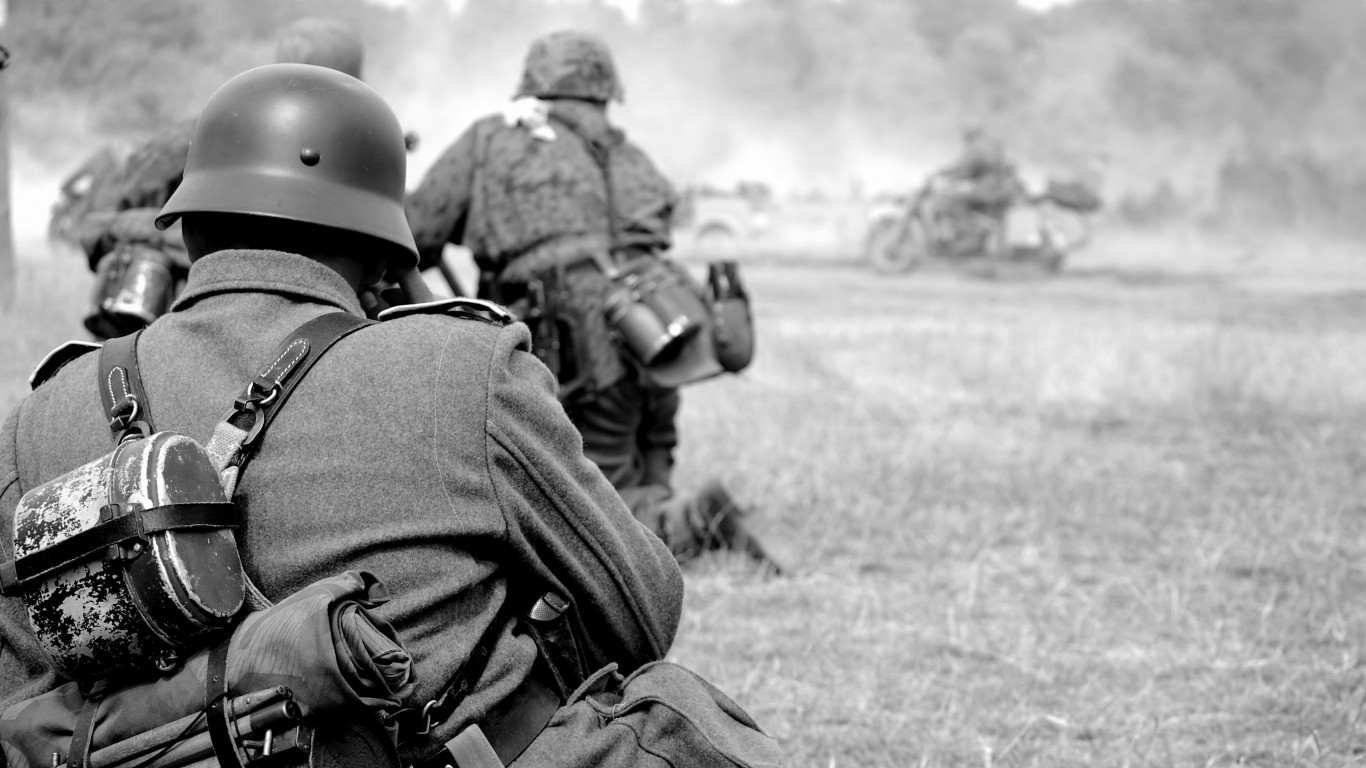
The fact that WWII-era weapons are still firing today says as much about the world as it does about the guns themselves. It highlights the gap between wealthy militaries and underfunded forces that rely on whatever they can keep running. It also shows how many modern conflicts are fought with low-tech tools in familiar terrain. These relics of a past war remain a working part of how today’s wars are fought.
Mosin-Nagant
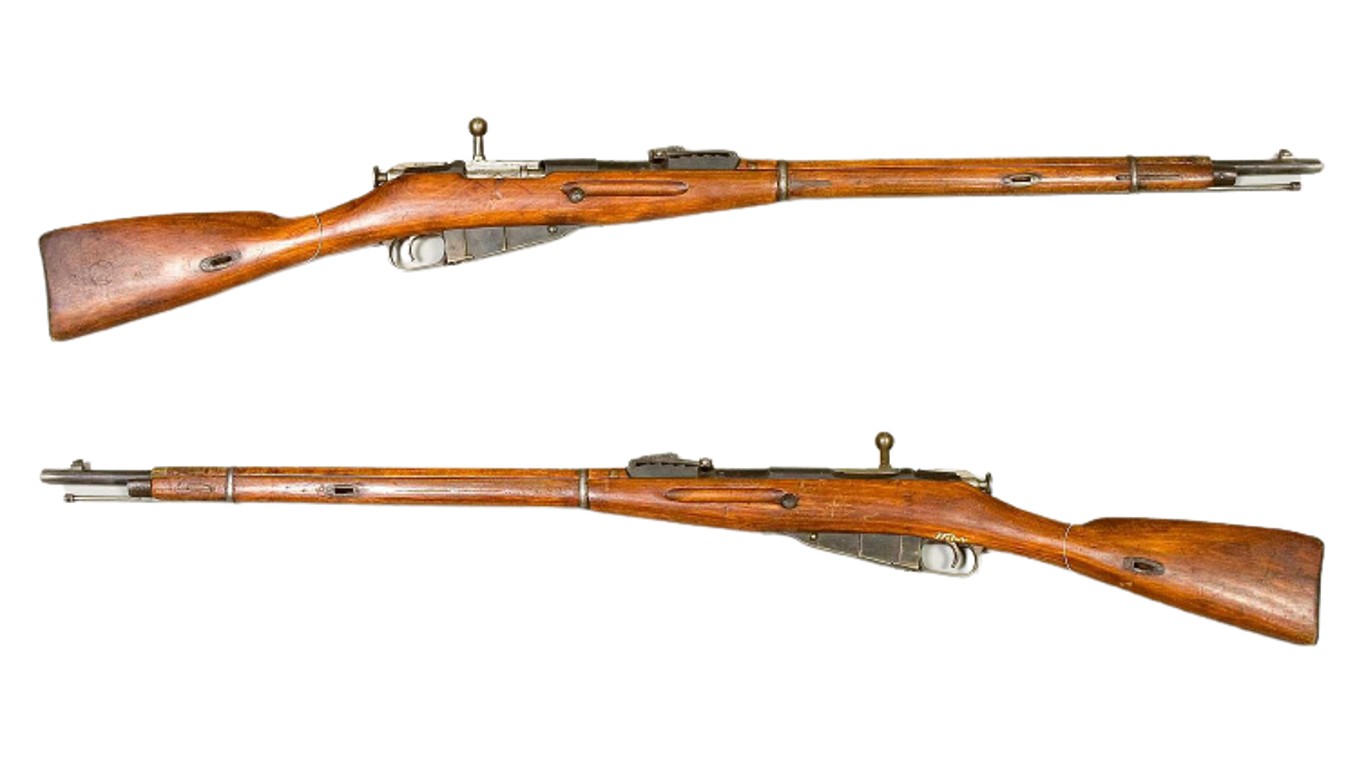
- Year introduced to service: 1891
- Country of origin: Russia
- Manufacturer: Imperial Arsenals
- Weapon type: Bolt-Action Rifle
- Why still in use: Simple, rugged, massive surplus.
- Drawbacks: Harsh recoil, limited modernization.
The Mosin‑Nagant still appears in battlefield footage because millions were produced and remain stored around the world. Its rugged design and long-range capability keep it relevant for militias and irregular groups. Despite slow cycling and old ergonomics, it is dependable and cheap to operate.
M1911 Pistol
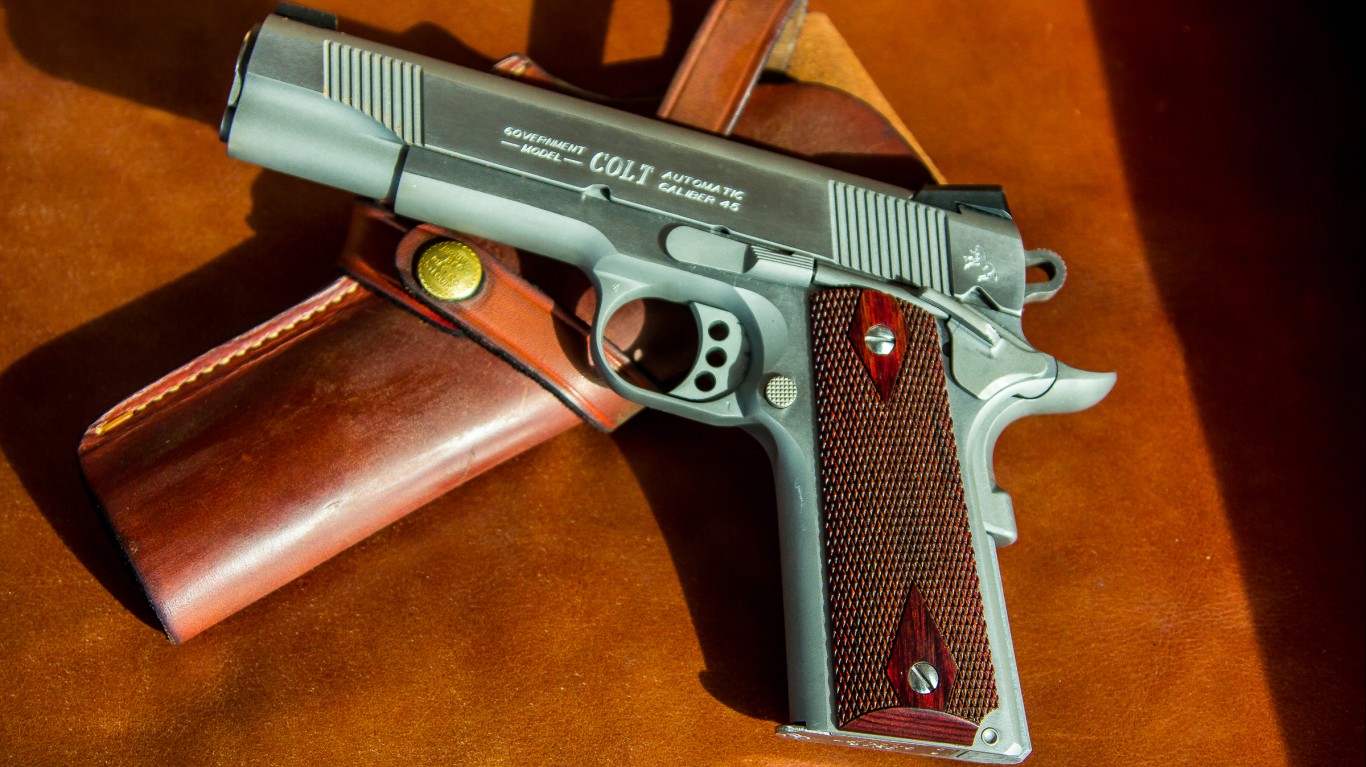
- Year introduced to service: 1911
- Country of origin: United States
- Manufacturer: Colt
- Weapon type: Pistol
- Why still in use: Extremely reliable, simple, powerful .45 ACP platform still valued.
- Drawbacks: Heavy recoil, low capacity, aging frames.
The M1911 remains in limited service because its rugged steel frame and .45 ACP stopping power continue to deliver reliable performance. Many nations still maintain surplus stocks, and its simple design allows field repairs with minimal tools. Although its capacity and weight are outdated, its battlefield durability ensures ongoing use among reserve and militia forces.
Oerlikon 20mm

- Year introduced to service: 1918
- Country of origin: Switzerland
- Manufacturer: Oerlikon
- Weapon type: Autocannon
- Why still in use: Reliable, widely adaptable.
- Drawbacks: Limited range vs. modern aircraft.
The Oerlikon 20mm cannon remains in service because it is reliable, easy to mount, and effective against small boats and low‑slow aircraft. Naval platforms value it for close‑range defense. Spare parts and global familiarity keep it operational nearly a century after its introduction.
Browning M1919
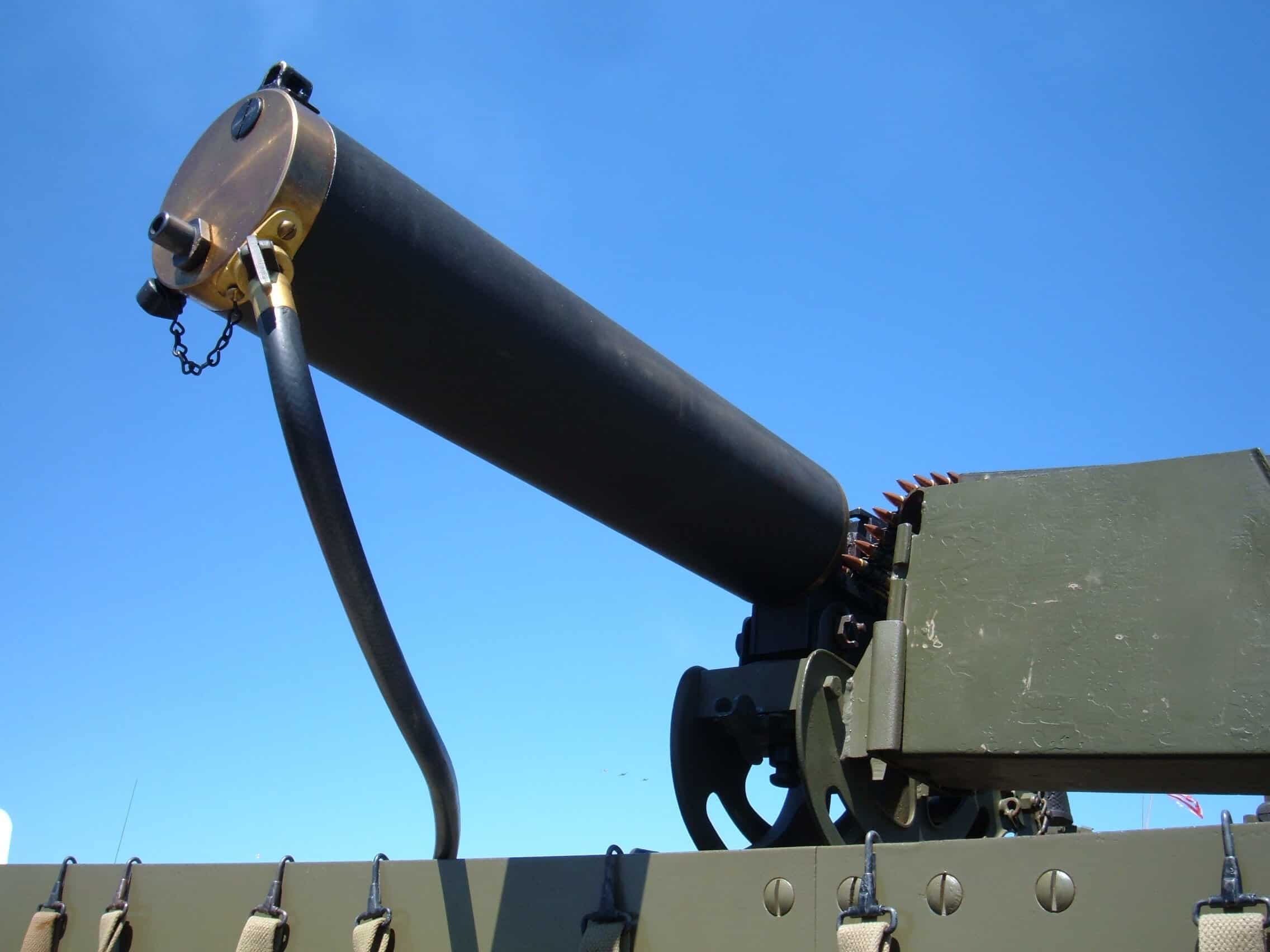
- Year introduced to service: 1919
- Country of origin: United States
- Manufacturer: Colt
- Weapon type: Medium Machine Gun
- Why still in use: Durable, accurate, widely distributed.
- Drawbacks: Heavy, older rate of fire.
The M1919 survives because vast numbers were produced and distributed worldwide. Many countries rechambered it to extend service life. Although heavy compared to modern MGs, its reliability and ease of maintenance keep it relevant in training and reserve capacities.
DP-28/DPM

- Year introduced to service: 1928
- Country of origin: Soviet Union
- Manufacturer: Degtyaryov
- Weapon type: Light Machine Gun
- Why still in use: Reliable, tolerant of dirt and abuse.
- Drawbacks: Bulky pan magazines, slow reloads.
The DP‑28’s reliability under extreme conditions keeps it in service nearly a century later. Its ruggedness and ease of field repair make it ideal for remote forces. Although its pan magazine is cumbersome, the weapon remains effective in sustained fire roles across low‑resource armies.
Thompson SMG

- Year introduced to service: 1931
- Country of origin: United States
- Manufacturer: Auto-Ordnance
- Weapon type: Submachine Gun
- Why still in use: Reliable, strong .45 ACP close-quarters performance.
- Drawbacks: Heavy, high ammo consumption.
The Thompson endures thanks to its durability and the global proliferation of surplus after WWII. Its strong close-range performance remains valuable to irregular forces. Although heavy with a high rate of fire, its ruggedness and availability ensure that the weapon still appears in modern conflict zones.
Bofors 40mm
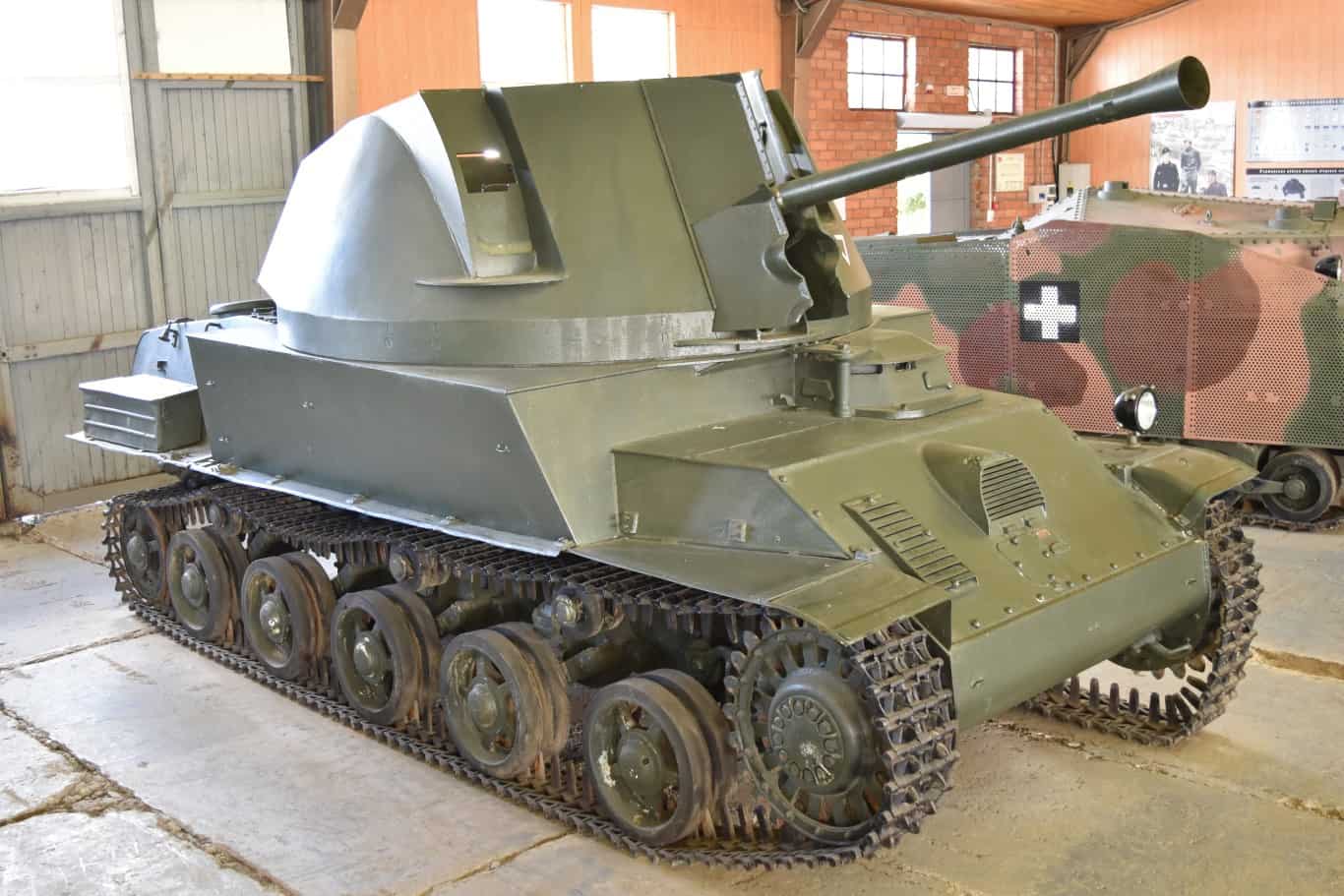
- Year introduced to service: 1932
- Country of origin: Sweden
- Manufacturer: Bofors
- Weapon type: Anti‑Aircraft Gun
- Why still in use: Highly effective, modernized continuously.
- Drawbacks: Crew‑heavy, large footprint.
The Bofors 40mm is still used by dozens of nations thanks to its excellent balance of firepower, accuracy, and reliability. Constant modernization has kept it relevant against drones and helicopters. Despite its age, it remains one of the most trusted medium‑caliber AA guns in the world.
Tokarev TT‑33

- Year introduced to service: 1933
- Country of origin: Soviet Union
- Manufacturer: Tula Arsenal
- Weapon type: Pistol
- Why still in use: Simple, powerful, widely distributed.
- Drawbacks: Poor safety, harsh recoil.
The TT‑33 persists because of its simplicity, strong 7.62×25 cartridge, and widespread postwar distribution. Many former Soviet states still issue it to reserves or police. Though ergonomically dated, its durability and ease of maintenance ensure ongoing use in regions with limited budgets.
Browning M2
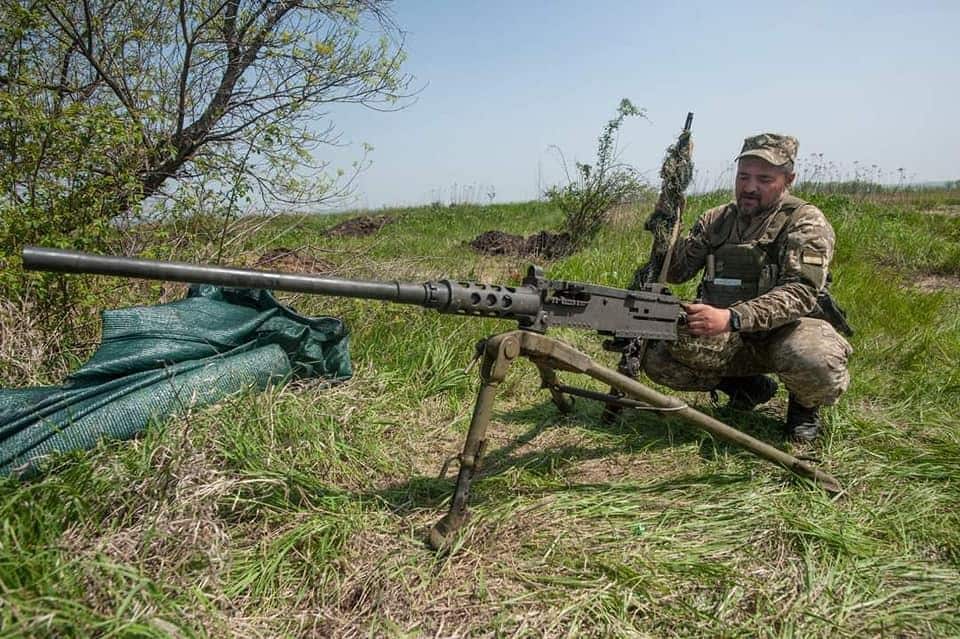
- Year introduced to service: 1933
- Country of origin: United States
- Manufacturer: Browning/Colt
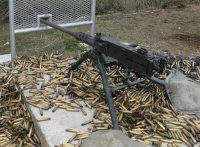
- Weapon type: Heavy Machine Gun
- Why still in use: Extremely powerful, indestructible reputation.
- Drawbacks: Heavy, crew‑served.
The Browning M2 remains one of the world’s longest-serving weapons due to its unmatched power and reliability. Used against infantry, vehicles, and aircraft, it continues as a frontline heavy machine gun. Its longevity reflects a design so effective that even modern militaries have not replaced it.
Browning AN/M2
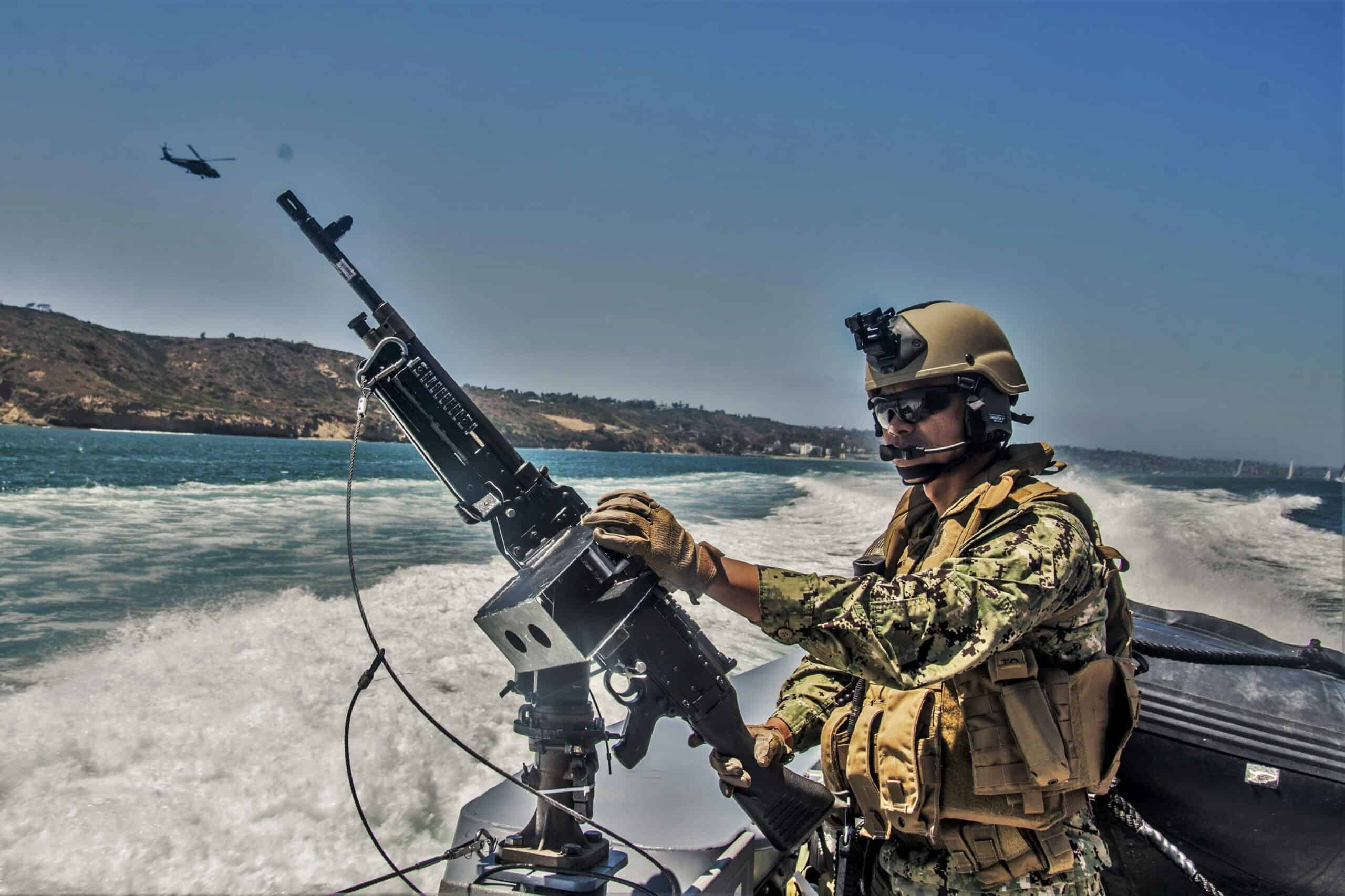
- Year introduced to service: 1933
- Country of origin: United States
- Manufacturer: Browning
- Weapon type: Aircraft Machine Gun
- Why still in use: Lightweight, fast‑firing, versatile mounts.
- Drawbacks: Limited penetration, aging stocks.
Originally an aircraft weapon, the AN/M2 still appears on helicopters, naval craft, and light vehicles in developing nations. Its high rate of fire and low weight make it ideal for patrol and defensive roles. While not suited for modern armored threats, it remains dependable and inexpensive to maintain.
Browning Hi-Power
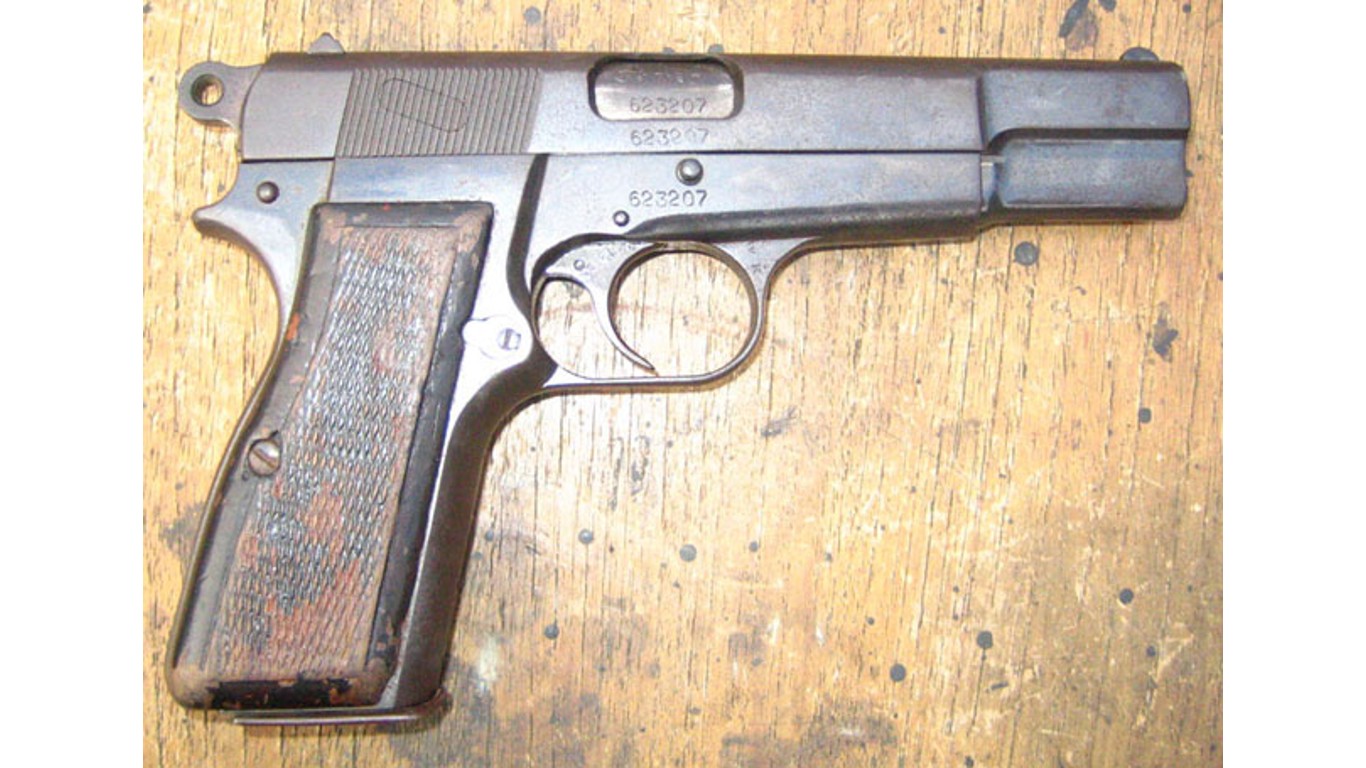
- Year introduced to service: 1935
- Country of origin: Belgium
- Manufacturer: FN Herstal
- Weapon type: Pistol
- Why still in use: High capacity, reliable, widely distributed.
- Drawbacks: Aging frames, limited modularity.
The Hi‑Power remains in service because its accuracy, ergonomics, and double‑stack magazine were ahead of their time. Many countries adopted it for decades, ensuring large stockpiles remain. Though outpaced by modern pistols, its proven reliability and global parts availability keep it operational.
Karabiner 98k
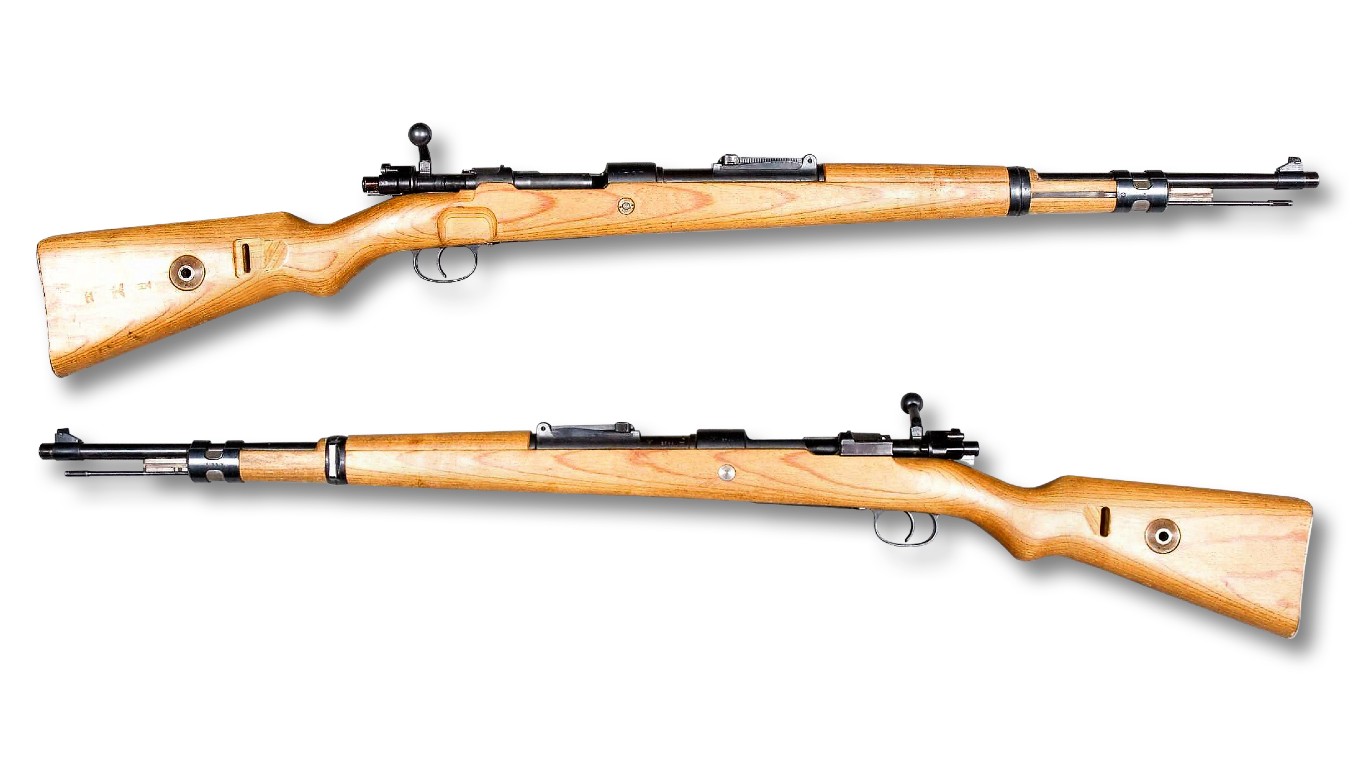
- Year introduced to service: 1935
- Country of origin: Germany
- Manufacturer: Mauser
- Weapon type: Bolt-Action Rifle
- Why still in use: Reliable, powerful, globally distributed.
- Drawbacks: Slow rate of fire, limited optics.
The K98 remains in service because of its ruggedness and the massive quantities produced during WWII. Its excellent accuracy makes it suitable for designated marksmen in low‑resource militaries. Despite its slow bolt action, it continues to see use in remote or mountainous regions due to its reliability.
M1 Garand
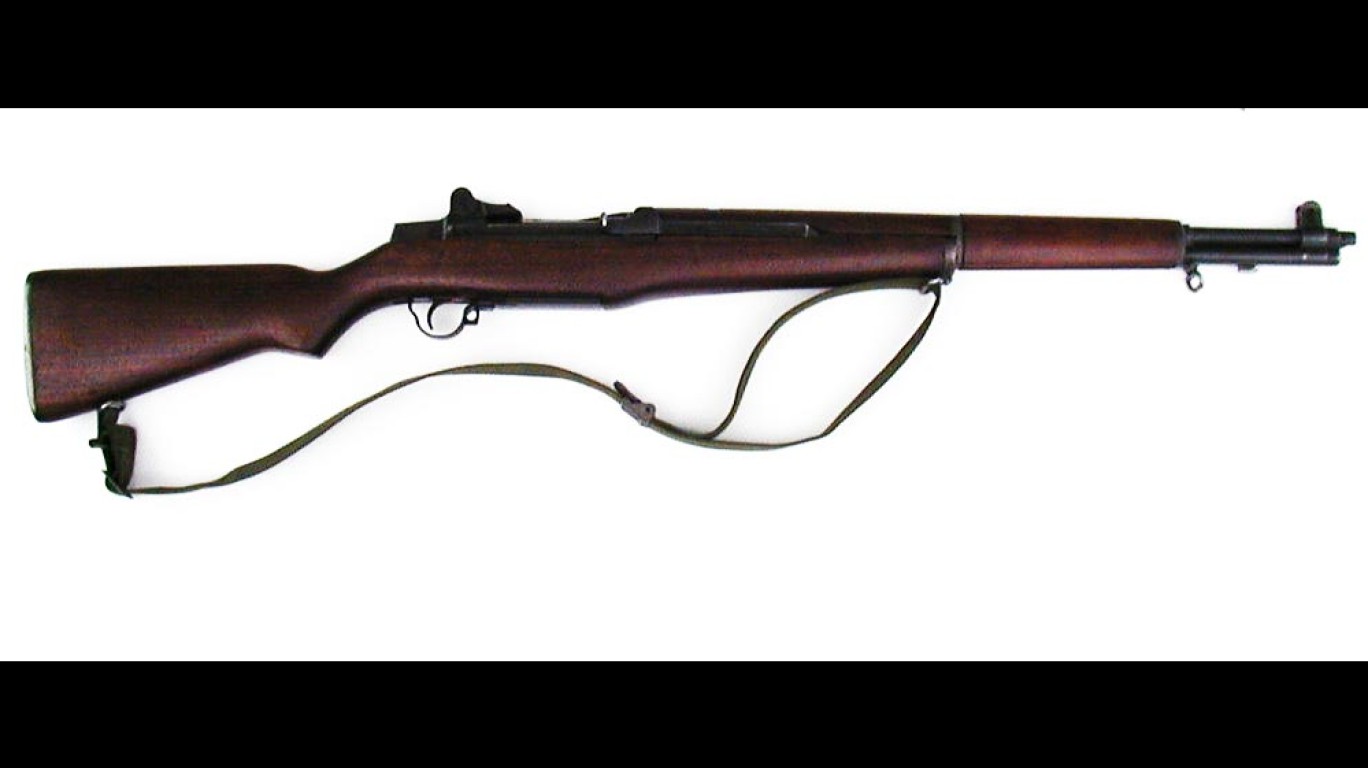
- Year introduced to service: 1936
- Country of origin: United States
- Manufacturer: Springfield Armory
- Weapon type: Battle Rifle
- Why still in use: Accurate, durable, widely available.
- Drawbacks: Heavy, limited 8-round clips.
The M1 Garand endures in some reserve units due to its accuracy, rugged construction, and huge surplus supply. Although heavy and limited by its en‑bloc clip system, it remains an effective rifle for training and defensive roles. Its reliability and strong ballistic performance continue to make it useful in lower‑intensity conflicts.
Bren LMG
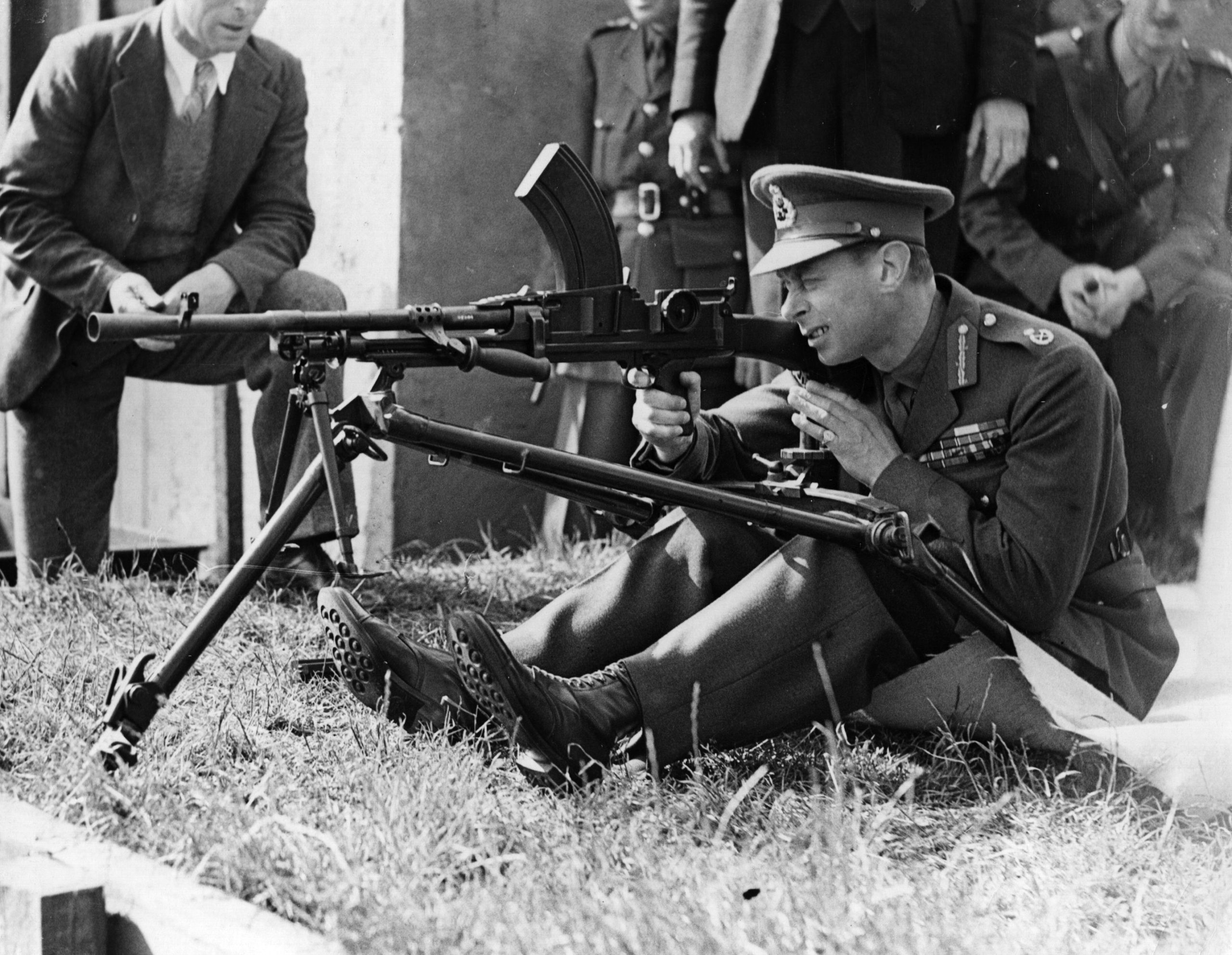
- Year introduced to service: 1938
- Country of origin: United Kingdom
- Manufacturer: Enfield
- Weapon type: Light Machine Gun
- Why still in use: Accurate, durable, easy to maintain.
- Drawbacks: Heavy, outdated magazine system.
The Bren light machine gun survives because of its accuracy and legendary reliability. Many countries kept them in service for decades due to their simple maintenance requirements. Although top‑loading magazines limit modern optics, the Bren’s ruggedness ensures it still appears in small militaries and militias.
MP40
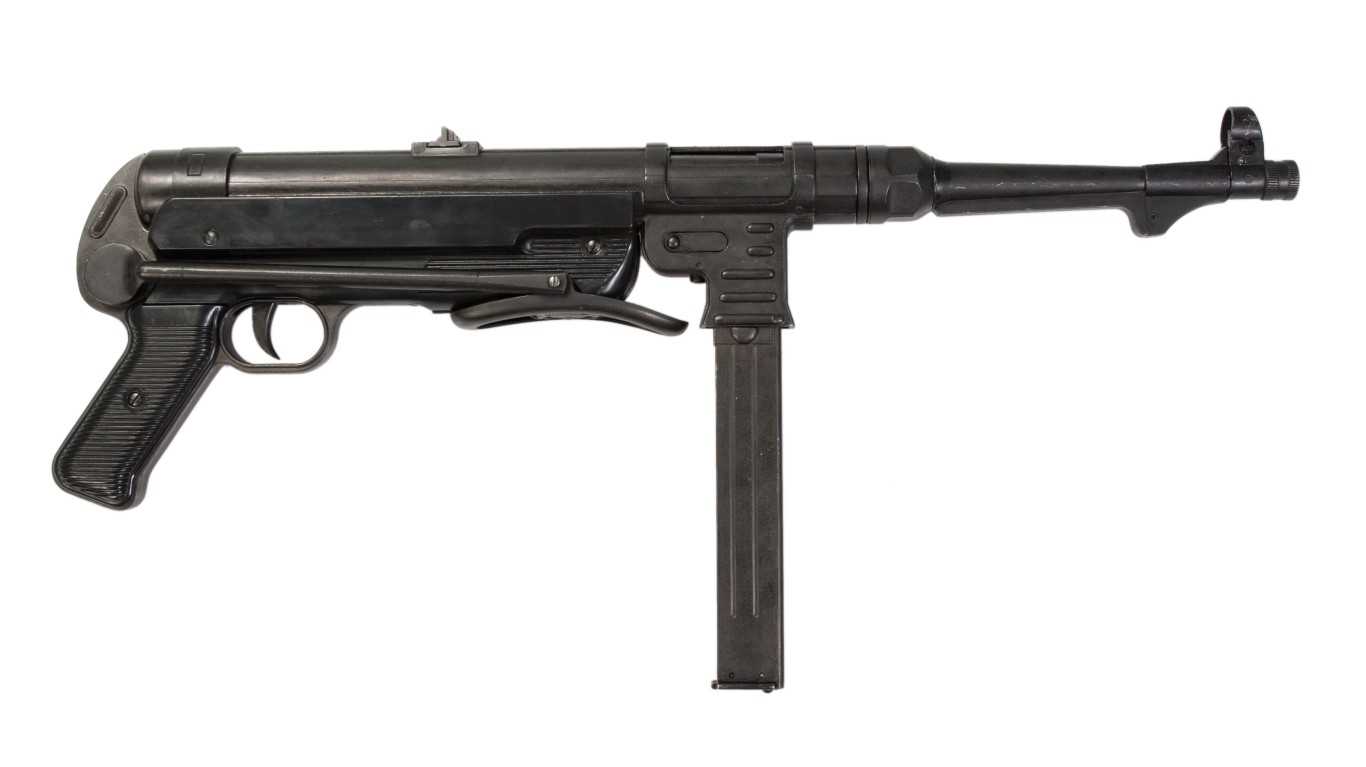
- Year introduced to service: 1938
- Country of origin: Germany
- Manufacturer: ERMA
- Weapon type: Submachine Gun
- Why still in use: Simple, controllable, widely available.
- Drawbacks: Limited range, aging parts.
The MP40 persists in conflict zones because many remained in circulation after WWII. Its controllable recoil and simple blowback operation make it effective in close combat. Although outdated and increasingly difficult to maintain, it continues to appear among militias and insurgents.
Hispano‑Suiza HS.404

- Year introduced to service: 1938
- Country of origin: France/UK
- Manufacturer: Hispano‑Suiza
- Weapon type: Autocannon
- Why still in use: Strong 20mm performance, adaptable to boats and legacy aircraft.
- Drawbacks: Heavy recoil, aging feed systems.
The HS.404 continues in limited service due to its powerful 20mm ammunition and adaptability. Older aircraft and patrol boats still employ it for close‑range engagements. Though outdated, the cannon’s reliability and global parts availability ensure its continued presence in small militaries.
QF 25‑pdr

- Year introduced to service: 1940
- Country of origin: United Kingdom
- Manufacturer: Royal Ordnance
- Weapon type: Field Howitzer
- Why still in use: Durable, accurate enough, low training burden.
- Drawbacks: Slow to reposition, lacks modern fire controls.
The QF 25‑pounder stays in service because of its rugged design and low operating cost. While modern artillery surpasses it, the 25‑pdr remains effective for indirect fire in nations with limited budgets. Its simple operation and durability make it a practical weapon decades after WWII.
ZPU AA System

- Year introduced to service: 1940
- Country of origin: Soviet Union
- Manufacturer: Degtyaryov Plant
- Weapon type: Anti‑Aircraft Gun
- Why still in use: Versatile, powerful 14.5mm system.
- Drawbacks: Heavy recoil, limited vs. jets.
The ZPU family remains widely used due to its availability, rugged construction, and ability to mount on trucks. Effective against helicopters and infantry, it continues to appear in modern conflicts. Its low cost ensures continued service despite limitations against high‑speed aircraft.
T‑34 Tank

- Year introduced to service: 1940
- Country of origin: Soviet Union
- Manufacturer: KhPZ
- Weapon type: Medium Tank
- Why still in use: Simple, rugged, enormous surplus.
- Drawbacks: Completely outdated armor and optics.
The T‑34 remains in niche service because it is rugged, easy to maintain, and available in huge numbers. Some countries still use them for training or emergency reserve roles. Though obsolete in modern armored combat, its simplicity ensures it remains operational in lower‑tech militaries.
Sten Gun
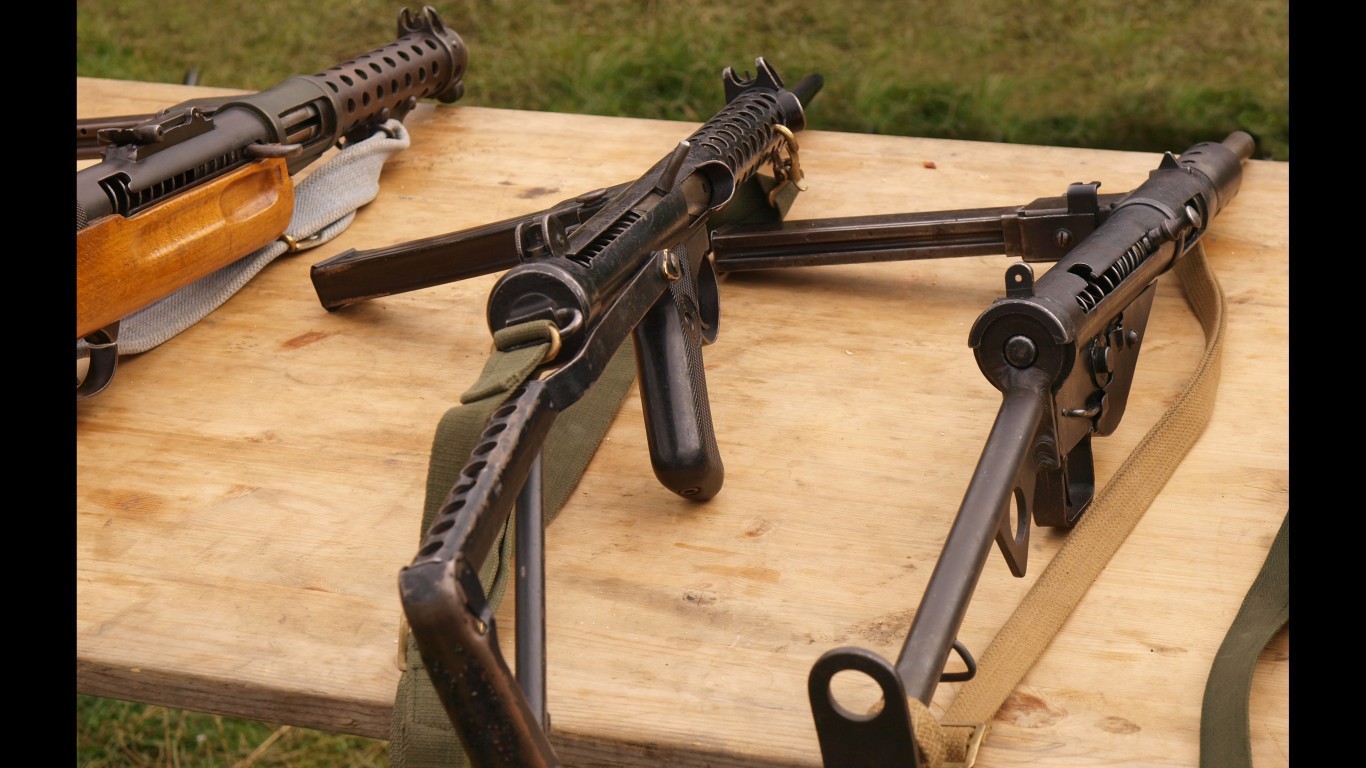
- Year introduced to service: 1941
- Country of origin: United Kingdom
- Manufacturer: RSAF Enfield
- Weapon type: Submachine Gun
- Why still in use: Ultra‑cheap, simple, can be locally manufactured.
- Drawbacks: Unsafe, poor accuracy.
The Sten continues to appear in conflicts because it can be produced or repaired with basic tools. Its simplicity made it a favorite among resistance movements and militias. Although notoriously crude and sometimes unsafe, its availability ensures it remains in limited service worldwide.
Lee-Enfield No.4
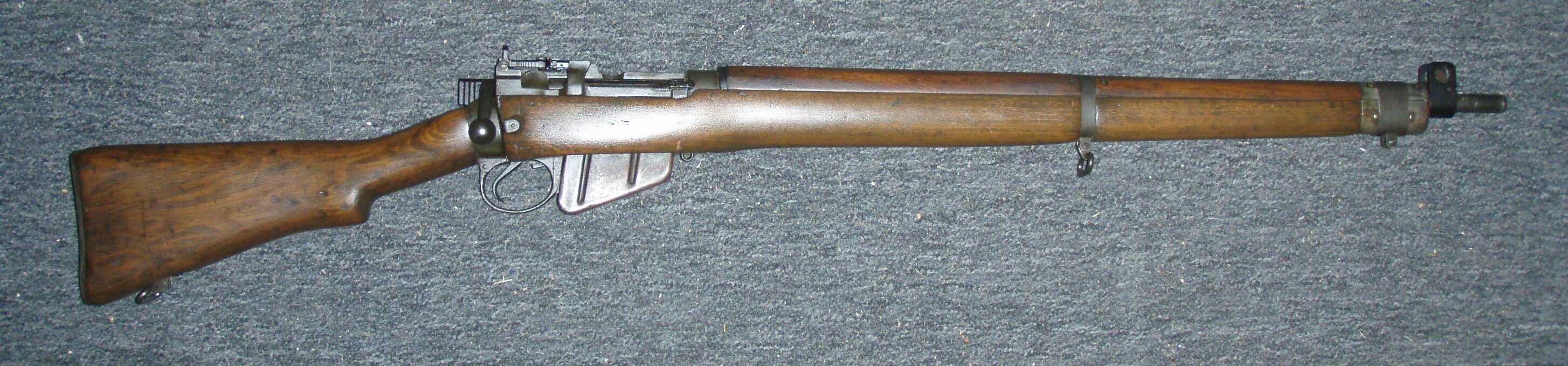
- Year introduced to service: 1941
- Country of origin: United Kingdom
- Manufacturer: RSAF Enfield
- Weapon type: Bolt-Action Rifle
- Why still in use: Accurate, extremely durable.
- Drawbacks: Heavy, limited modernization.
The Lee‑Enfield No.4 remains in service because of its unmatched durability and fast bolt action. Numerous developing nations rely on stockpiles for police and paramilitary roles. While outdated compared to semi-autos, its reliability and accuracy keep it in circulation, especially in mountainous regions.
PPSh‑41
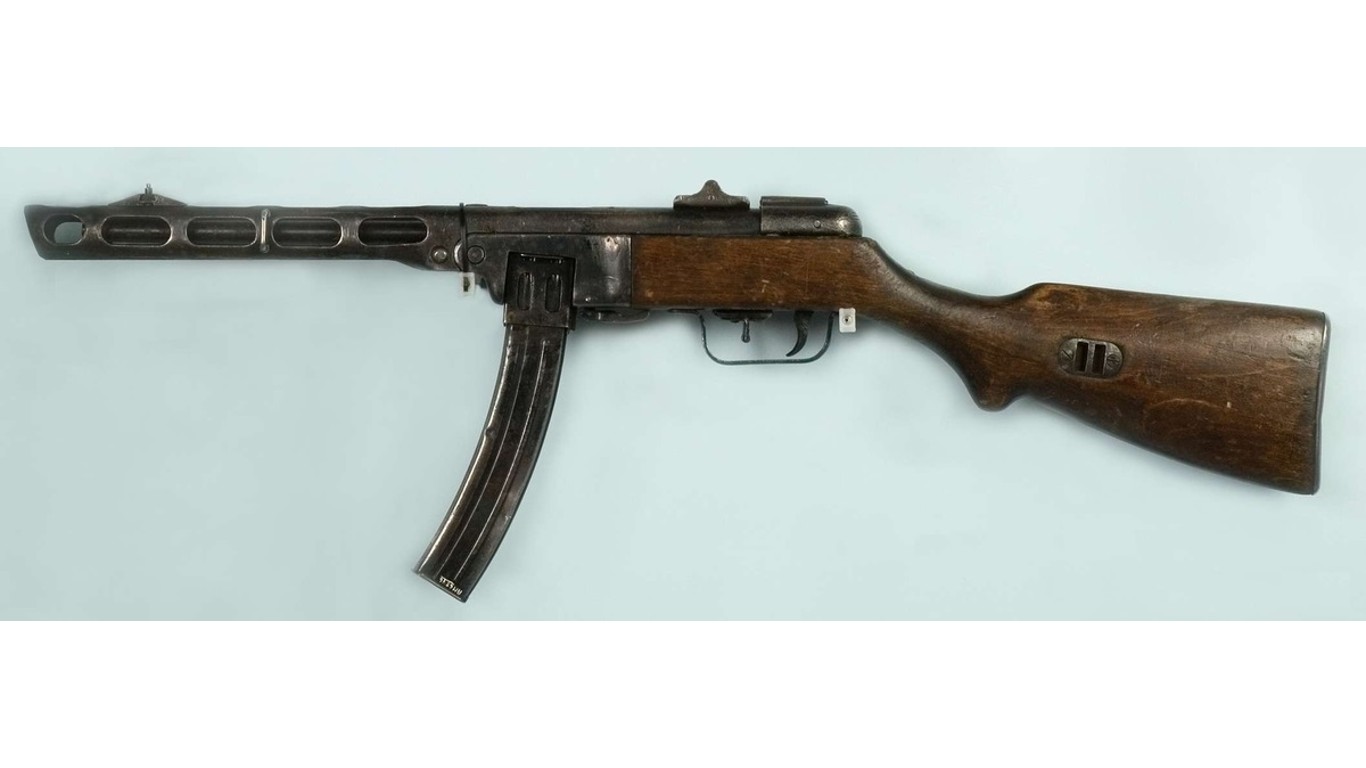
- Year introduced to service: 1941
- Country of origin: Soviet Union
- Manufacturer: Zavod No. 367
- Weapon type: Submachine Gun
- Why still in use: High rate of fire, extremely durable.
- Drawbacks: Heavy drums, poor long‑range accuracy.
The PPSh‑41 remains in use because it is nearly indestructible and was produced in massive quantities. Its high rate of fire makes it formidable in close‑quarters engagements. While inaccurate at range, its simplicity and availability ensure continued use among militias and paramilitary forces.
M3 Stuart
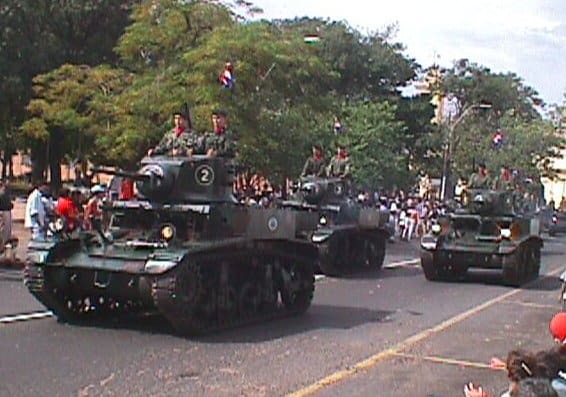
- Year introduced to service: 1941
- Country of origin: United States
- Manufacturer: American Car & Foundry
- Weapon type: Light Tank
- Why still in use: Reliable, fast, simple to maintain.
- Drawbacks: Thin armor, outdated gun.
The M3 Stuart continues limited service in parts of South America and Asia thanks to its reliability and low operating cost. While ineffective against modern armor, it remains useful for reconnaissance and policing roles where mobility and mechanical simplicity matter more than firepower.
M1 Carbine
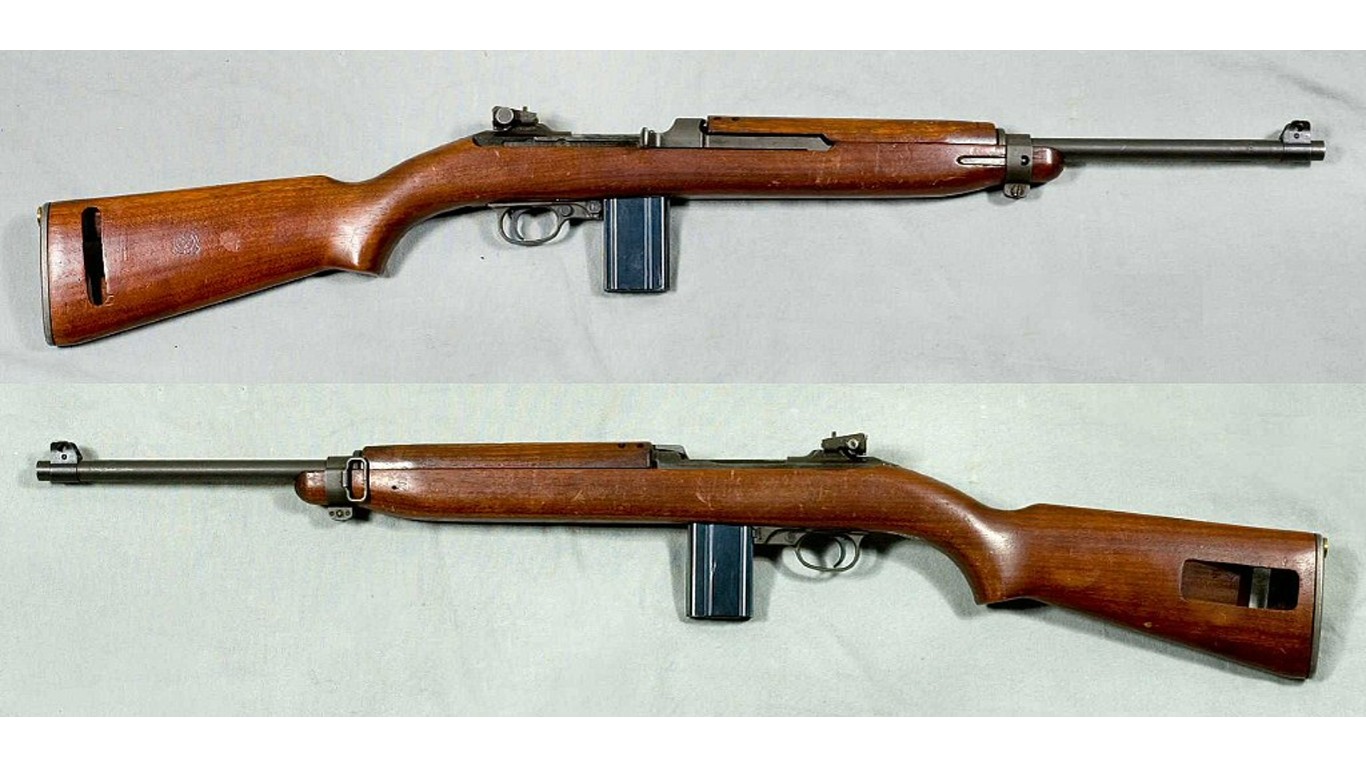
- Year introduced to service: 1942
- Country of origin: United States
- Manufacturer: Inland/Winchester
- Weapon type: Carbine
- Why still in use: Lightweight, easy to maintain.
- Drawbacks: Lower stopping power, aging magazines.
The M1 Carbine remains in global service because of its light weight, low recoil, and ease of use. It is ideal for police forces, militias, and reserve troops. While its stopping power is limited by modern standards, its reliability and massive surplus availability keep it in circulation today.
MG42/MG3
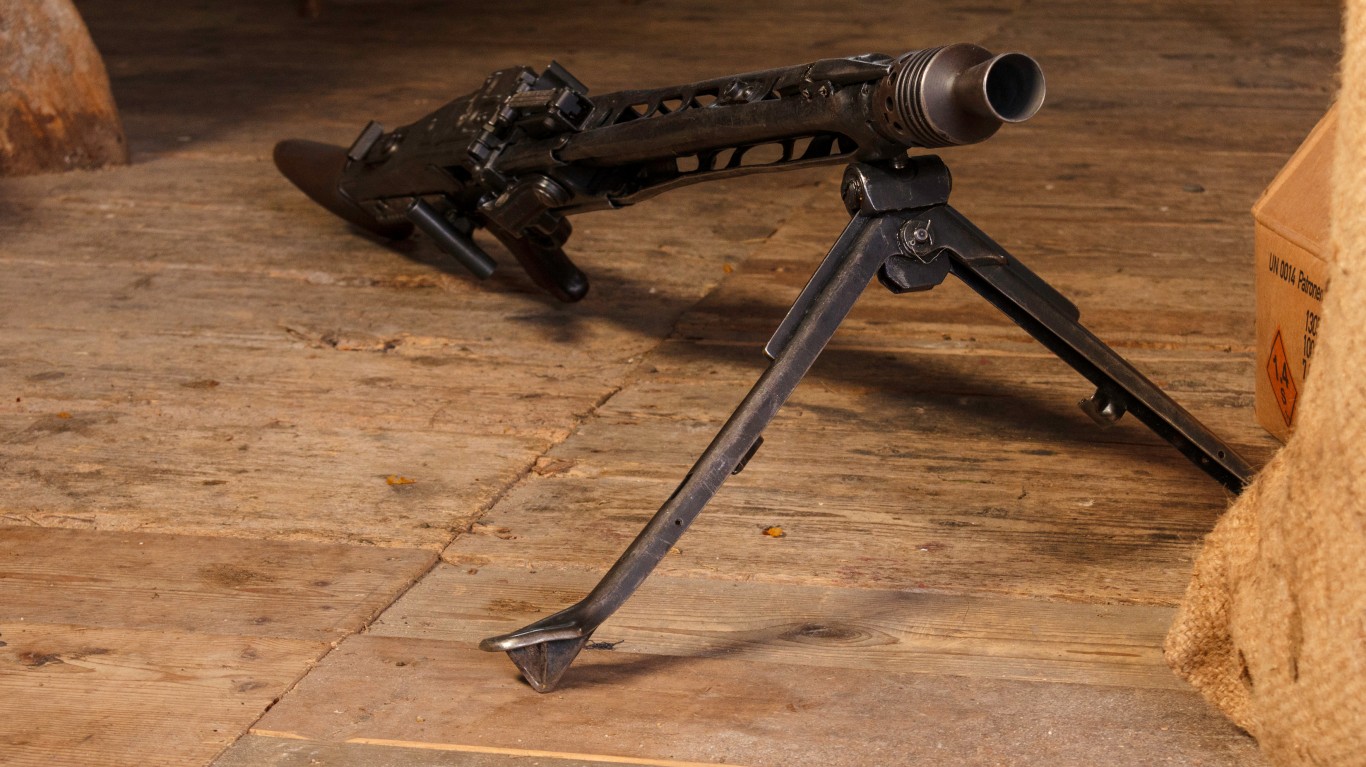
- Year introduced to service: 1942
- Country of origin: Germany
- Manufacturer: Mauser/Rheinmetall
- Weapon type: Machine Gun
- Why still in use: Extremely fast fire rate, durable, modernized.
- Drawbacks: Heavy, difficult for new users.
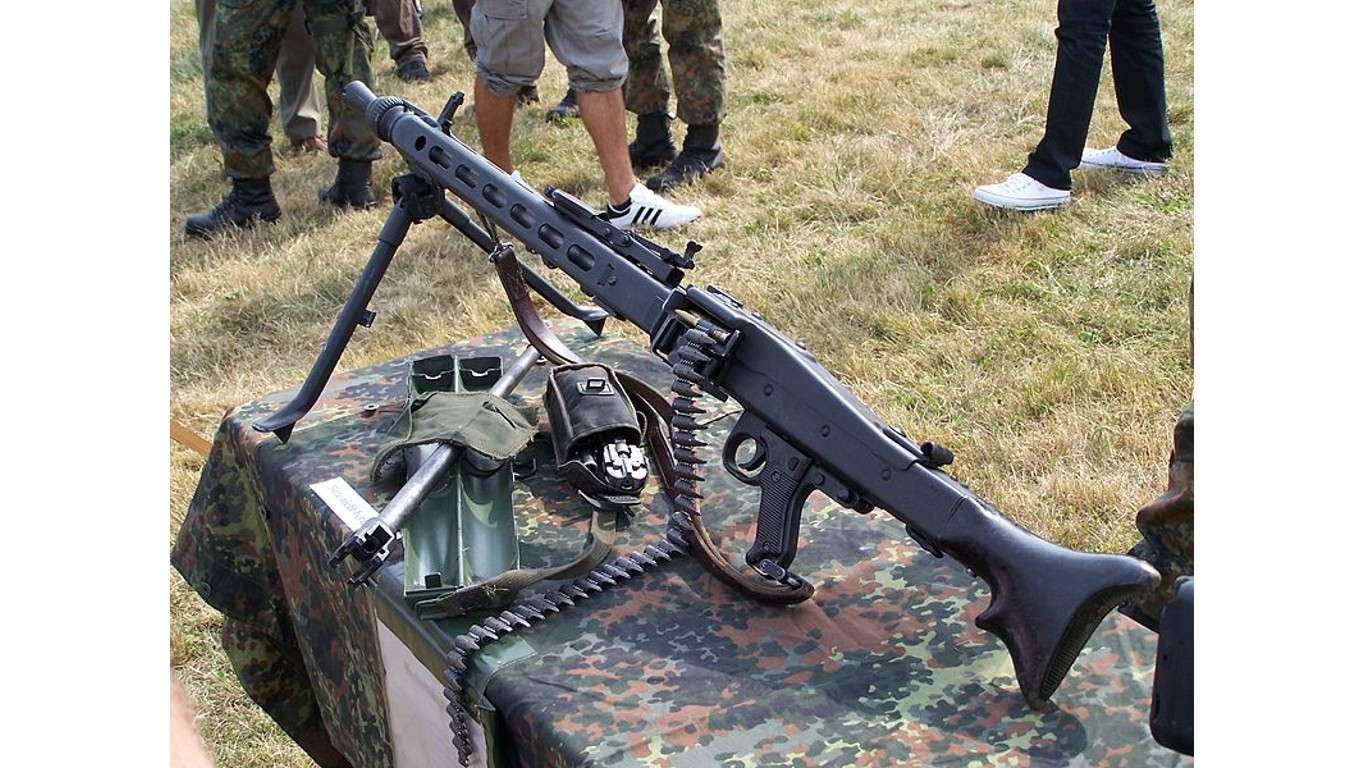
The MG42’s revolutionary design lives on in the MG3, still used by NATO forces. Its blistering rate of fire and rugged construction make it a powerful support weapon. Though heavy and demanding, its effectiveness ensures widespread service even decades after WWII.
Bazooka (M1/M9)
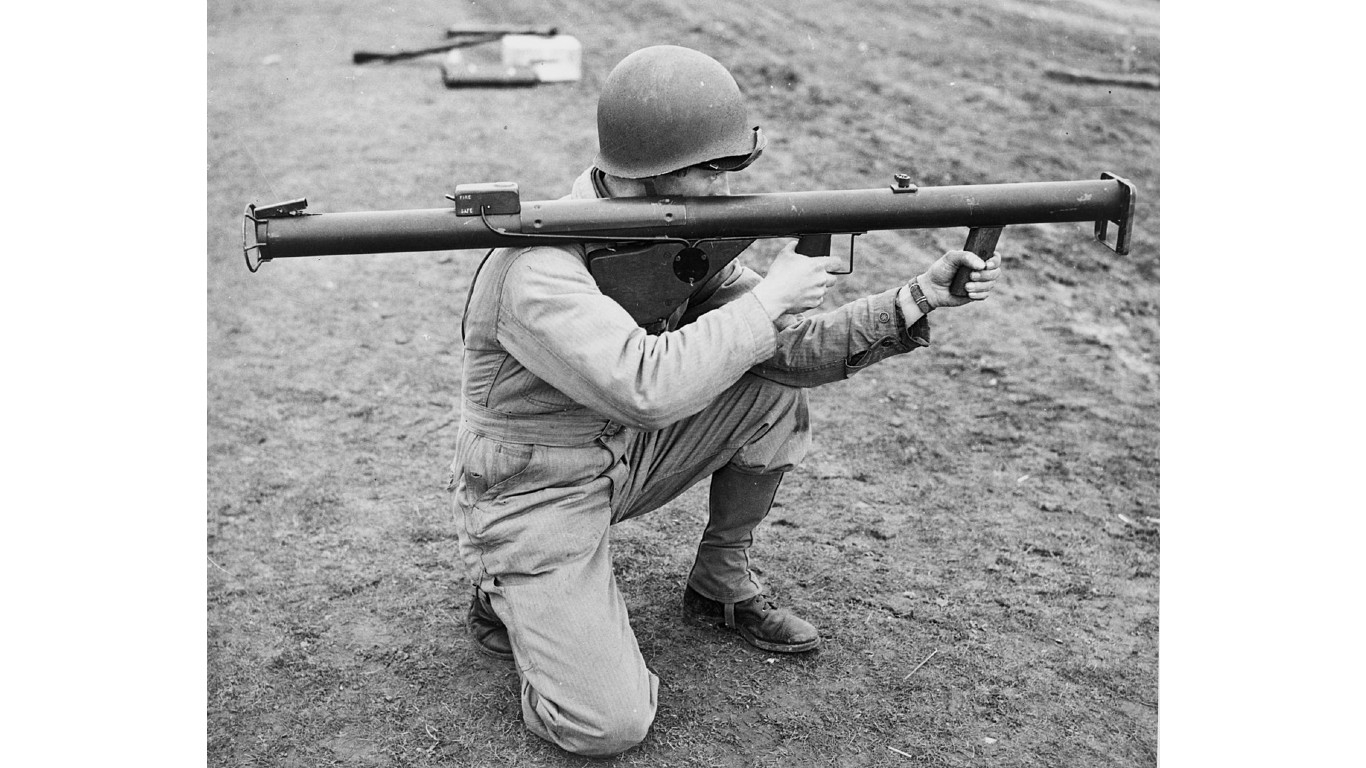
- Year introduced to service: 1942
- Country of origin: United States
- Manufacturer: General Electric
- Weapon type: Rocket Launcher
- Why still in use: Cheap, simple anti-armor/fortification tool.
- Drawbacks: Ineffective against modern armor.
The early Bazooka persists in smaller militaries and militias because it is inexpensive, simple to operate, and still effective against light vehicles and bunkers. Although obsolete against modern tanks, its ease of use and low cost ensure limited but ongoing service.
Sherman Variants
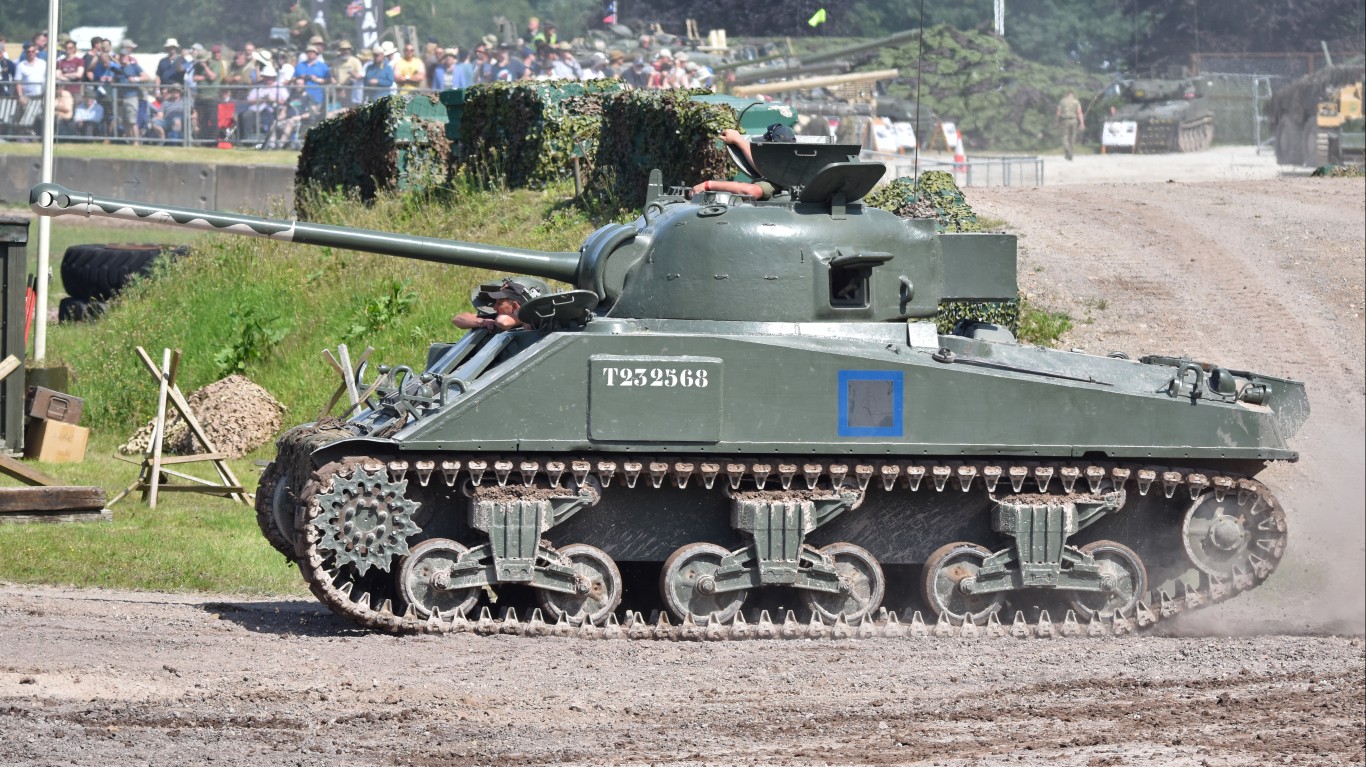
- Year introduced to service: 1942
- Country of origin: United States
- Manufacturer: Multiple Manufacturers
- Weapon type: Medium Tank
- Why still in use: Reliable drivetrain, easy to repair, adaptable chassis.
- Drawbacks: Outclassed armor and gun.
Some countries maintain Sherman variants because the platform is easy to maintain and supports engineering or fire-support conversions. Though hopelessly outdated as a front‑line tank, its ruggedness and spare‑part availability extend its life in support and ceremonial roles.
QF 6‑pdr

- Year introduced to service: 1942
- Country of origin: United Kingdom
- Manufacturer: Vickers
- Weapon type: Anti‑Tank Gun
- Why still in use: Simple, effective vs. light armor.
- Drawbacks: Obsolete against modern tanks.
The 6‑pdr anti‑tank gun continues serving in small militaries because it remains useful against lightly armored vehicles and fortifications. Though ineffective against modern MBTs, its simplicity, low cost, and reliability keep it relevant in static defenses and training roles.
ZiS‑3 Field Gun

- Year introduced to service: 1942
- Country of origin: Soviet Union
- Manufacturer: Artillery Plant No.92
- Weapon type: Field Gun
- Why still in use: Reliable, accurate, simple to train on.
- Drawbacks: Limited fire‑control modernization.
The ZiS‑3 endures because of its durability and ease of training. Many developing countries rely on it for defensive artillery or ceremonial roles. While outmatched by modern systems, its low operational cost ensures ongoing relevance.
M3 Grease Gun
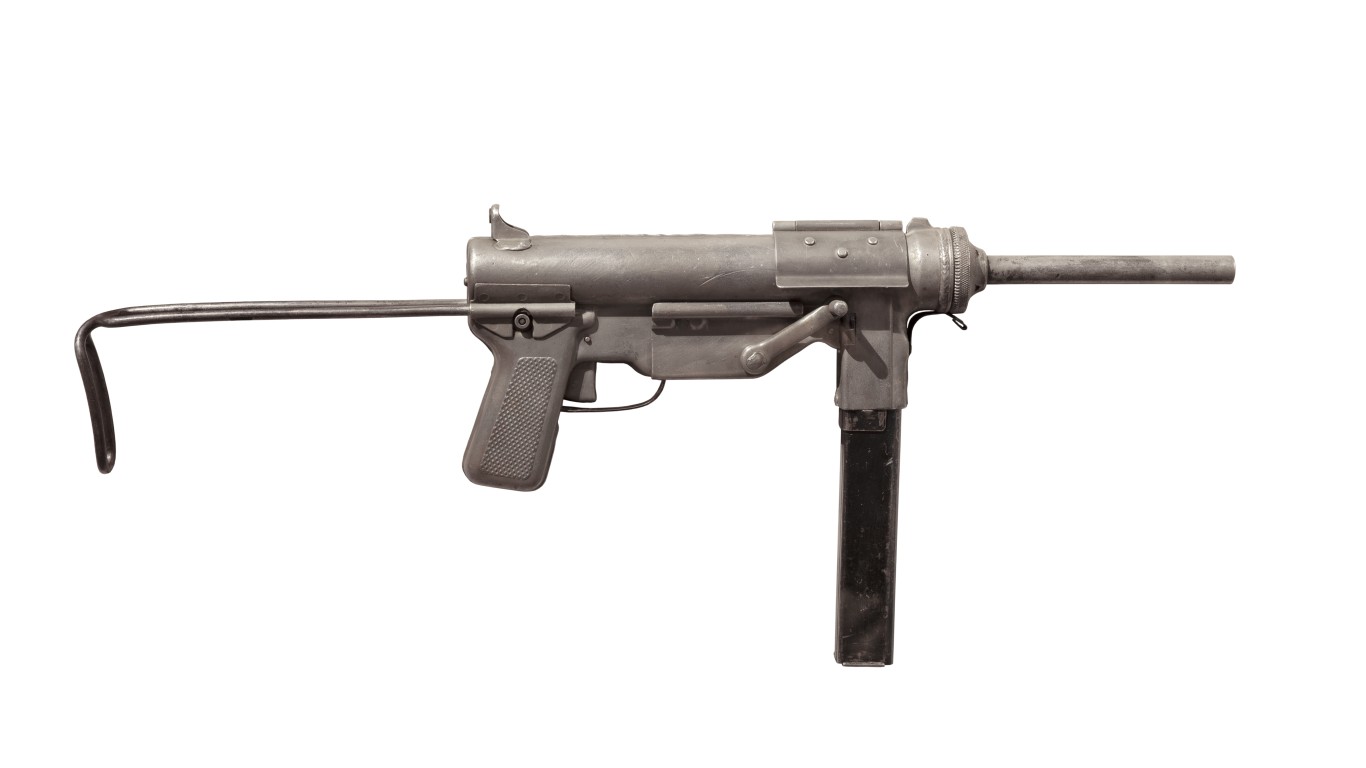
- Year introduced to service: 1943
- Country of origin: United States
- Manufacturer: GM Guide Lamp
- Weapon type: Submachine Gun
- Why still in use: Cheap, compact, extremely simple.
- Drawbacks: Crude sights, slow rate of fire.
The M3 Grease Gun persists in service due to its simplicity, compact design, and minimal maintenance needs. Many armored units used it for decades because it was easy to repair and reliable in harsh environments. Although primitive by modern standards, its durability keeps it relevant in low-income militaries.
Contact [email protected] for any questions or corrections.
Chris Lange is a financial and geopolitical writer with more than a decade of experience covering a myriad of topics. He has published thousands of articles for 24/7 Wall St., with past coverage focused heavily on stocks, IPOs, healthcare, defense, global affairs, and technology.
His work has been quoted, or referenced by a number of outlets including Business Insider, USA Today, Yahoo Finance, MSN, The Motley Fool, and many other publications. A graduate of Southwestern University, he studied business with a focus on investments and has previous experience in banking and startups.
When not reading or writing the news, he is following his passion for Lacrosse, playing chess, or building solar projects with his dad.