Do You Know More About Your 401(K) Than Other Americans?
New changes are coming to your 401(k) in 2025 — and many people, including investors, are quite excited. On January 1, 2025, a provision of the SECURE 2.0 Act (originally passed in 2022) went into effect. The rule change modified…

This post may contain links from our sponsors and affiliates, and Flywheel Publishing may receive compensation for actions taken through them.

New changes are coming to your 401(k) in 2025 — and many people, including investors, are quite excited. On January 1, 2025, a provision of the SECURE 2.0 Act (originally passed in 2022) went into effect. The rule change modified catch-up contributions for people with 403(b), 457(b), and 401(k) plans. For people under 60 years old, the standard catch-up contribution limit is $7,500. But if you’re between ages 60-63, the SECURE 2.0 Act increased the catch-up contribution limit to 150% of the standard — or $11,250. This means that workers under 60 can contribute up to $31,000 per year, and people between 60-63 up to $34,750. (Check out the biggest downsides of having millions in your 401(k).)
For some of you, this change might excite you. For others, you might be confused about what exactly all of these numbers mean. But you’re not alone. While many people know that they contribute to a 401(k), have heard the term, and even recognize its importance, there’s still a general lack of understanding about how a 401(k) works. Understanding how this account works is critical, as this money will be used for retirement and helping you live a life that allows you to stop working. Here, 24/7 Wall St. set out to explore the most common 401(k) questions and answers to help you remain informed. To do so, we used our own expertise from decades in this field, but also used insights from places like Schwab and the IRS. The questions are laid out from simple to more complex. Which 401(k) questions can you answer?
Why We’re Asking About Your 401(K)

Your 401(k) holds the key to your retirement’s security. Yet most Americans treat these accounts like total mysteries. Every paycheck, millions of workers blindly contribute without knowing whether they’ve made the right choices — or are even getting their full employer match. But knowing about your 401(k) is important. The decisions you make, from how much you’re contributing to which investments are chosen, shape the next decades of your financial future. Being informed about your 401(k) is a way to avoid losing thousands of dollars, so you can feel safe and secure as you move forwards.
Can you answer these questions about your 401(k)?
1. Question: What Is A 401(k)?

To begin, if you’re looking to better understand what you’re investing in, you have to be able to answer the most basic question available. So, for every American out there, what is a 401(k)?
Answer: Retirement Savings
The short answer is that a 401(k) is a smart and easy way to save money for retirement. When you have a 401(k), through your employer, part of your bi-weekly or monthly pay is taken out before taxes. This pay is then deposited into an account of your choice, where it can be invested and grow over time. Many employers will also match what you put in — but you’ll have to read on to learn what that means.
2. Question: What Is Employer “Matching”?

Like we said above, many employers often “match” for your 401(k). But what does “employer matching” mean?
Answer: More Money
Employers are not technically required to do anything with your 401(k). However, one primary benefit of working for a company is they will often provide matching funds toward your account. The most common employer action is to match dollar-for-dollar on the first 6% of employee-donated contributions to a 401(k) account.
3. Question: Do I Have Contribution Limits?
When it comes to a 401(k), you probably want to maximize your input. But that may not be possible. Are there any contribution limits that exists with a 401(k)?
Answer: Yes

If the introduction to this article didn’t give it away (sorry), there are indeed conribution limits when it comes to your 401(k) — but these have gone up since 2024. In total, the combined employee and employer contribution at the end of 2024 was $69,000, but with the new limits, we’ll undoubtedly see that change this year.
4. Question: When Should I Contribute?

You might be wondering: when should you begin contributing to a 401(k) account?
Answer: Immediately

You should absolutely start contributing to your 401(k) immediately if you haven’t started doing so already. The more constructive answer is that you should start contributing to 401(k) as soon as you can afford to do so. The more you put in, the more money you have to grow, and the better retirement you will enjoy.
5. Question: The Difference Between Traditional and Roth?
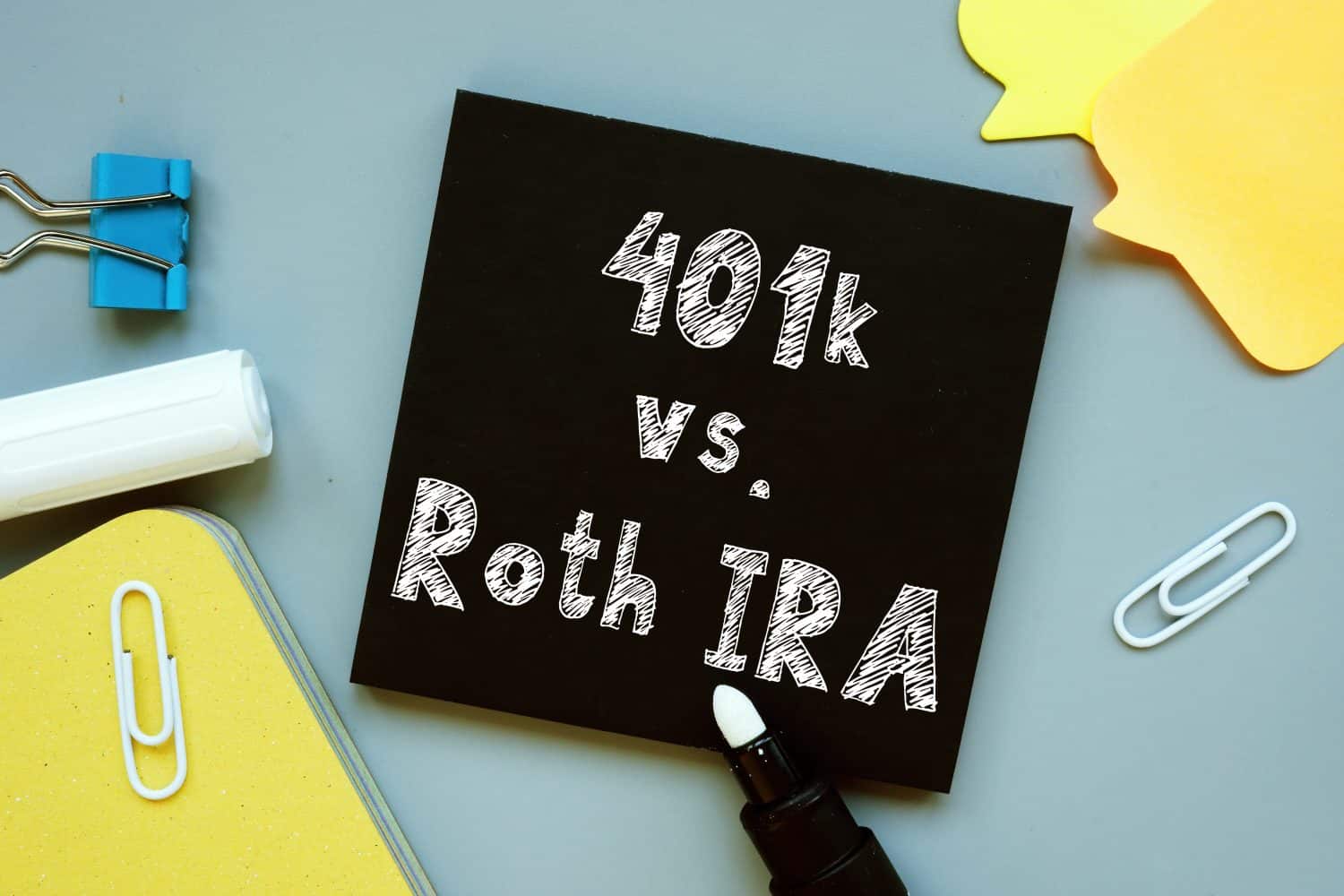
A traditional 401(k) account is not the only one available. You might’ve also heard of what’s called a Roth 401(k). What is the tax difference between a Roth 401(k) and a traditional 401(k) account?
Answer: When It’s Beneficial
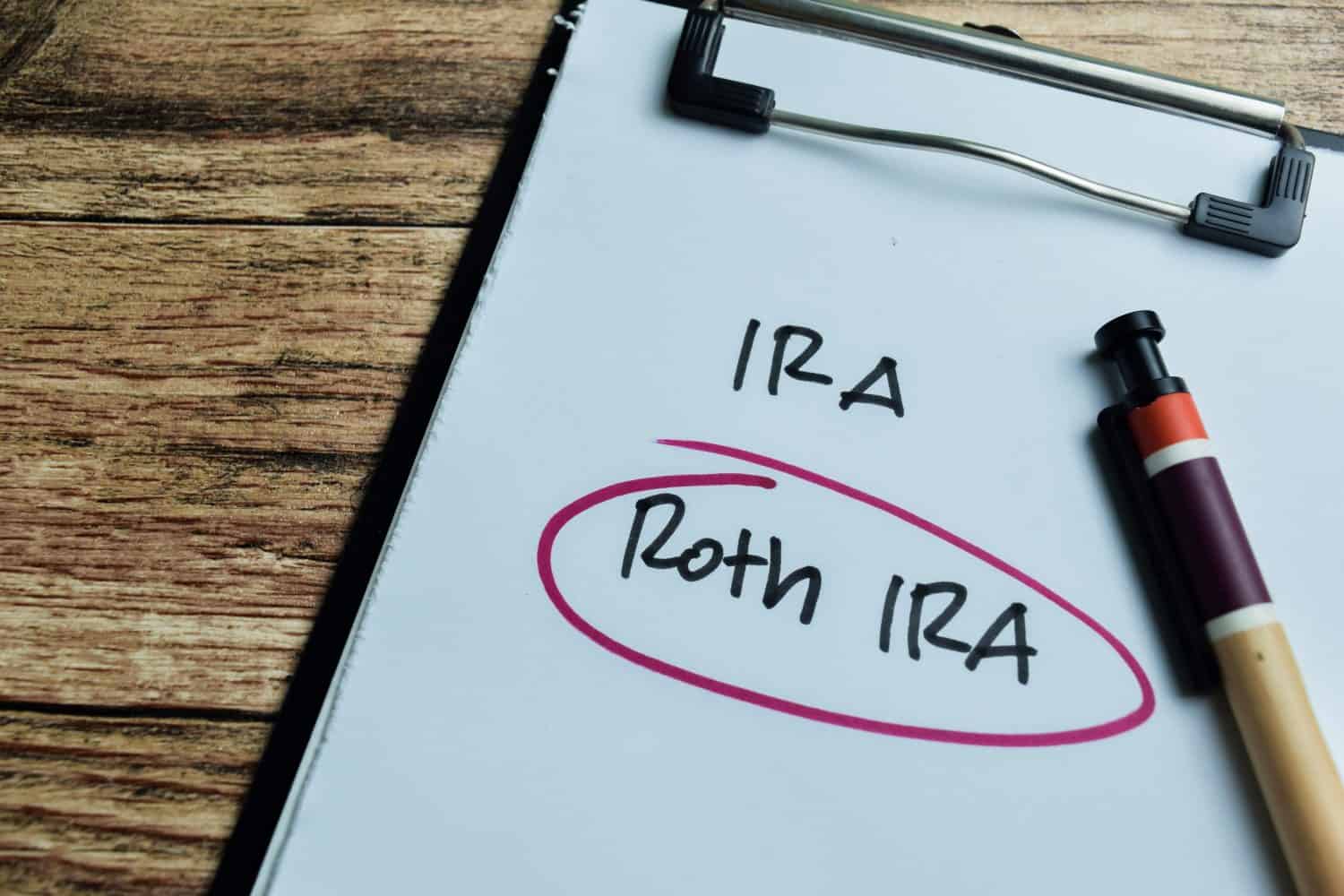
For the most part, the easiest way to remember the difference is that a traditional 401(k), which most people use, will give you a tax benefit today. When you contribute from your pay to a traditional 401(k) while working, you are lowering the amount of gross income that will be taxed. A Roth 401(k) will give you a tax benefit in retirement since any contributions are made with after-tax income.
6. Question: Do Employees Have to Offer a 401(k)?
Now that you’re learning more about the 401(k), you might be wondering if every employer has to make this available for their companies. So let’s see: are employers required to offer a 401(k) to their employees?
Answer: Yes (Most of the Time)

In many states, employers must offer employees a 401(k) program so they can automatically deduct the contribution. However, only a few states mandate this as a requirement to operate in the state. Still, as employers often benefit tax-wise by offering this program, the number of companies that choose not to provide 401(k) programs is shrinking.
7. Question: Is It Risky?
I saw what happened in 2008 and 2009 with 401(k) accounts — and you might have, too. Are they risky investments?
Answer: It Can Be Risky

There is no question that investing your money in the market comes with risk. The good news is that you can choose how much risk you have with a 401(k), which remains one of the safest ways to grow your money. While not universally true, many people who lost their 401(k) savings during the mortgage crisis did so by panic selling and not waiting for the market to recover.
8. Question: What Should I Be Saving?

Again, when you have an option like this, it makes sense that you want to be saving as much as possible. So you might be asking yourself: how much should I be saving with a 401(k)?
Answer: It Depends
The tough answer to this question depends on how much you can afford to set aside for retirement. It would be best if you did what you could to contribute the maximum amount without hurting your current lifestyle. If you want to trust the experts, Fidelity says you should save up to at least 8 times your final salary, while T. Rowe Price says up to 12 times your current salary.
9. Question: When Can I Withdraw?

Hopefully, once you start contributing more regularly, you’ll see your 401(k) rising. At what age can you start withdrawing from your 401(k) without incurring any penalties?
Answer: 59.5 Years Old

The reality is that as soon as you turn 59.5, you can start making withdrawals without incurring any penalty. If you look to withdraw from a 401(k) account before you turn this age, you will incur a 10% early withdrawal penalty. However, some exceptions exist if you become disabled or have financial hardship.
10. Question: What is Vesting?

Earlier, we talked about matching. But there’s another term you should know: vesting. What is vesting as it relates to a 401(k) program?
Answer: How Much You Own And When
The way employer contributions are set up for many companies is that they have to do what is called vesting. If your employer allows immediate vesting, you can leave the company tomorrow and keep all their matched contributions. However, some companies have a cliff vesting schedule that only allows you to own their matched contributions after a set period.
11. Question: What Are The Fees?
What fees can be associated with a 401(k) investment account?
Answer: It Depends

There is no question that fees are associated with a 401(k) account. It’s just a matter of how much. For most people, you should expect to pay around 1-2% of the total value of your assets in a 401(k) account if you need some management with a financial advisor. If you put your money in an index fund, you will pay far less in fees.
12. Question: Can I Take A Loan?

All of a sudden, you find yourself dealing with some hardship — and that money in your account looks pretty good. Can you take a loan from your 401(k) if you need emergency cash?
Answer: Yes, Up to a Set Amount

If you have a traditional 401(k), there is a good chance you can take a loan up to $50,000 or 50% of the vested balance, whichever is less. However, as this is a loan, you should expect it to earn accrued interest and generally have less time to pay it back, likely five years. It’s worth noting that money can be deducted from your salary by your employer as an easy way to make payments.
13. Question: What If I Change Jobs?

Earlier this year, I found myself in a predicament when I left my job — but still had my 401(k) set up. What happens to your existing 401(k) account if you change jobs?
Answer: It Goes With You

The good news is that 401(k) programs are set up so that if you change jobs, your 401(k) can be rolled into a new plan at a new employer. The challenge is whether you have any money not yet vested, which could be forfeited if you leave ahead of its vesting date.
14. Question: What If You Die?

What happens if someone who owns a 401(k) passes away?
Answer: It’s Inherited

This is a fairly common question that more Americans should be familiar with. If someone who owns a 401(k) dies, a beneficiary will already be assigned. Of course, any withdrawals made by the beneficiary would still be subject to any eligible income taxes. If you are not a spouse, you must also withdraw the money within 10 years, while a spouse can roll the money into a new retirement plan.
15. Question: What is a Hardship Withdrawal?

What is a hardship withdrawal from a 401(k)?
Answer: Accessing the Money

If you are in a tough financial position, you can access your 401(k) to pull out emergency funding. In most cases, this money will be used to cover medical bills or make a house or vehicle payment. It’s important to know that while you can pull out money to help, it’s taxed, and you could incur a penalty depending on the account type.
16. Question: Can I Decline My Employer Match?
Can you decline having an employer provide matching 401(k) funds?
Answer: Yes

If you don’t want to accept money from an employer offering matching 401(k) funds, you can do so. However, there are very few instances in which this would make sense. If you decline to have your employer match your funds, you’re essentially giving up free money that could boost your long-term savings.
17. Question: Can I Have a 401(k) If Self-Employed?

Remote work is becoming more common, and so is working for yourself. But navigating work as a self-employed individual can be challenging. Can you set up a 401(k) plan if you are self-employed?
Answer: Yes

If you’re self-employed, you can set up a solo 401(k) plan. These plans are built for this very reason, and you can make a total contribution of up to $66,000 per year or $73,500 if you are 50 and older in 2024.
18. Question: Is There Automatic Enrollment?

Do employers automatically enroll you in a 401(k) savings plan?
Answer: Sometimes

There are thousands, if not tens of thousands of employers who will automatically enroll you in their 401(k) plan by default. The good news is that employees can opt-out and back in at different times.
19. Question: Do I Have Different Options?

Not every 401(k) plan is the same! Do I have different 401(k) options from my employer?
Answer: Yes, You Should
Assuming your employer follows standard practice, you should have various investment options from your employer to be used with your 401(k). This could be a self-directed account where you are solely responsible for managing the money or a full-brokerage option where you can mix everything from bonds, stocks, mutual funds, and ETFs.
20. Question: Graded vs. Cliff Vesting?

What is the main difference between graded and cliff vesting with an employer 401(k)?
Answer: When They Vest

In the case of a 401(k) account with your employer that has graded vesting, you may be 25% vested after your first year, 50% after the second year, and so on until you hit fully vested status. With cliff vesting, the employer contribution is considered at 0% until you have been on the job for a predetermined period, after which the money your employer contributes becomes 100% invested.
Contact [email protected] for any questions or corrections.