Dave Ramsey said ‘You must gain control over your money or the lack of it will forever control you.’ And this is how to do it
Dave Ramsey has helped millions of people get a better understanding of their finances and pursue ambitious long-term goals. He implores his followers to gain control over their finances. That means having enough funds to cover your living expenses and…

This post may contain links from our sponsors and affiliates, and Flywheel Publishing may receive compensation for actions taken through them.

Dave Ramsey has helped millions of people get a better understanding of their finances and pursue ambitious long-term goals. He implores his followers to gain control over their finances. That means having enough funds to cover your living expenses and still saving money each month.
People who don’t have control over their finances often spend above their means and end up with deep credit card debt. Losing control over finances can leave people feeling desperate and having fewer choices in life. For instance, bad finances can result in a bad credit score, which limits housing options. A bad FICO score also results in higher APRs on financial obligations.
If you want to control your money, this guide will highlight some of the things that you can do.
Seek Higher Paying Career Opportunities

Constantly striving to increase your income is one of the best ways to get your money under control. While keeping expenses low will also help, the costs of products and services continue to rise. Furthermore, there’s only so much cost-cutting you can do before you reach necessities.
Picking up a side hustle and asking for a raise can boost your income right away. However, you can increase your earnings more by job hopping and developing high-paying skills.
Set a Budget

Prioritizing a high income is pivotal to getting control over your finances, but a high income combined with higher expenses won’t be good for your long-term money goals.
Budgets allow consumers to rein in their expenses. Setting a budget starts with listing the necessities, such as food and housing. Then, you can allocate a small percentage of your remaining paycheck toward non-essentials.
One popular budgeting rule is the 50/30/20 rule. Advocates of this approach believe in spending 50% of their paycheck on necessities, allocating 30% of their paycheck toward discretionary purchases, and saving the remaining 20%. You can adjust those percentages based on your financial situation, but the idea is to know how much you intend to spend and save.
Regularly Invest

Almost every successful retirement plan depends on steady investments over a long period of time. Maxing out your 401(k) plan and IRA will reduce your tax bill and get you closer to long-term retirement goals.
While some people think about investing whatever remains after covering their living expenses, people who want more control over their money should prioritize investing over discretionary spending. For instance, people should invest a fixed percentage of their paycheck into assets before making any non-essential purchases.
A fixed percentage allows you to adjust your portfolio contributions as your income changes. Furthermore, treating discretionary spending as the scraps puts a stronger emphasis on decisions that will lead to financial independence.
Store Your Cash in a High-Yield Savings Account
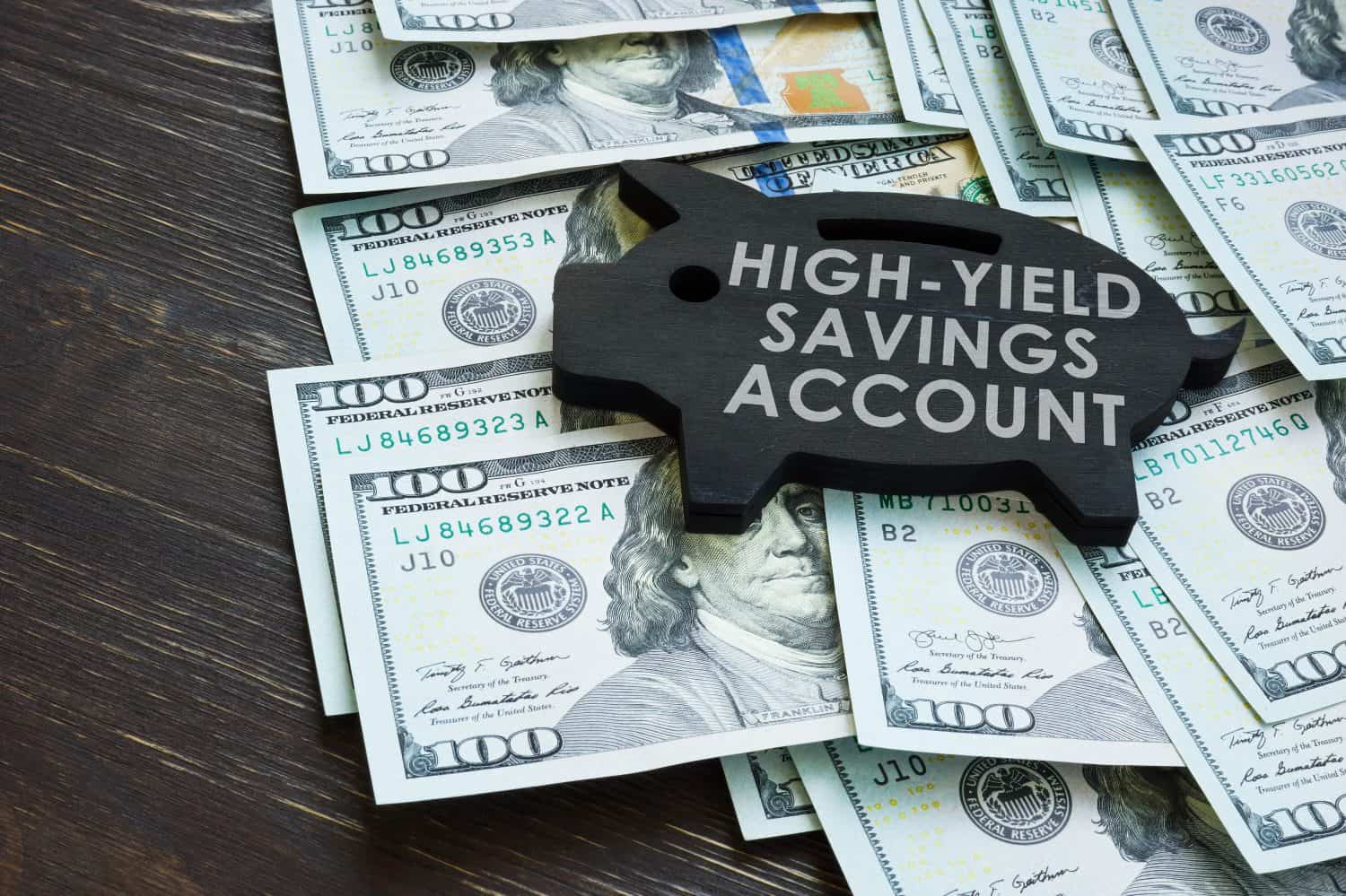
Investing your money is great, but you still need an emergency fund to navigate expenses as they arrive. Experts’ opinions vary, but it is good to have at least six months of living expenses in an emergency fund. A consumer who spends $10,000 per month should aim for a $60,000 emergency fund.
You can put the money to good work in a high-yield savings account. These accounts allow you to earn a risk-free return on your balance, with yields ranging from 2.00% to 4.00% in most cases.
A high-yield savings account offers more stability while your assets go to work in your retirement portfolio. Your bank may already offer a high-yield savings account, but comparing other options can help you discover a higher APY. A higher rate allows you to earn more interest from the same money, making it worth the effort to compare financial institutions.
Contact [email protected] for any questions or corrections.
Marc Guberti is a personal finance writer who has written for US News & World Report, Business Insider, Newsweek and other publications. He also hosts the Breakthrough Success Podcast which teaches listeners how to use content marketing to grow their businesses.