Dave Ramsey’s Stealth Social Security Strategy May Not Work For You
When it comes to claiming Social Security, you have many options. You could sign up for benefits as early as age 62. But if you don’t wait until full retirement age (FRA), which is 67 if you were born in…

This post may contain links from our sponsors and affiliates, and Flywheel Publishing may receive compensation for actions taken through them.
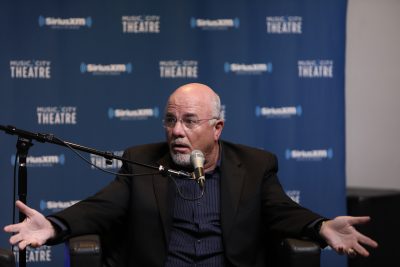
When it comes to claiming Social Security, you have many options. You could sign up for benefits as early as age 62. But if you don’t wait until full retirement age (FRA), which is 67 if you were born in 1960 or later, you’ll face a permanent reduction in your monthly benefits.
If your FRA is 67 and you claim Social Security at 62, your monthly checks will shrink by about 30%. That’s a pretty big hit.
Despite that, financial guru Dave Ramsey thinks claiming Social Security at 62 is a good idea. But there’s a reason for that. And Ramsey’s savvy strategy may not end up working for you.
Why Ramsey suggests claiming Social Security as early as possible
Dave Ramsey is known for his anti-debt stance, and his guidance is often geared toward helping people achieve financial stability. As such, he’s not one to be reckless with Social Security advice.
Rather, Ramsey’s advice is rooted in math. He says that if you claim Social Security at 62 and invest the money rather than hold out for the promise of larger monthly checks, you can come out ahead financially. And that’s conceivable with the right investment portfolio. But while Ramsey’s advice is well-intended, it’s not going to work for a lot of people.
Investing may not be in your comfort zone
Ramsey’s advice to claim Social Security at 62 makes a big assumption — that the typical beneficiary is comfortable investing and actually knows how. But in reality, a lot of people are clueless on how to invest. And choosing stable assets like bonds makes it less likely that you’ll come out ahead financially by investing your benefits at 62 rather than waiting to file and locking in larger monthly checks.
Plus, you never know how the stock market will perform. Even if you’re comfortable building an investment portfolio, there’s the risk of losing money or not having your assets grow as quickly as expected. When you wait on Social Security, you’re guaranteed a certain annual boost to your monthly checks.
Most retirees need their benefits right away
Another flaw in Ramsey’s strategy? Most people who claim Social Security need the money immediately to cover bills.
Many retirees don’t have savings or other income to live on. That leaves little room to put money into the stock market.
If you’re entering retirement with little to no savings, you probably need your Social Security checks to cover housing, groceries, medical bills, and other expenses. In that case, filing early and reducing them in the process for life is risky, especially since your costs could rise over time.
Ramsey’s advice may only work for certain retirees
If you’re someone who’s knowledgeable about investing and has a large pile of money saved in an IRA or 401(k), then Ramsey’s Social Security advice could work for you. But if you don’t know a thing about investing and don’t have retirement savings to fall back on, then you may want to take a more cautious approach to claiming benefits and wait.
In fact, if you really have no other retirement income, you may want to delay Social Security past FRA for boosted checks. Each year you hold off until age 70 grows your benefits by 8%. And that return is guaranteed, whereas with the stock market, you never quite know what you’re going to get.
Contact [email protected] for any questions or corrections.
Maurie Backman has more than a decade of experience writing about financial topics, including retirement, investing, Social Security, and real estate. Her work has appeared on sites that include The Motley Fool, USA Today, U.S. News & World Report, and Kiplinger.
Prior to becoming a full-time financial writer, Maurie worked in the financial industry trading distressed debt. She then changed course and spent a few years designing electronic toys. After a stint in content marketing and UX, she shifted back into writing and has since covered everything from the housing market to estate planning to Medicare.
When she's not busy writing, Maurie can be found hiking, walking her dogs, driving her kids to their various sports practices and games, and curling up with a good book. She cooks on occasion and bakes way too often.