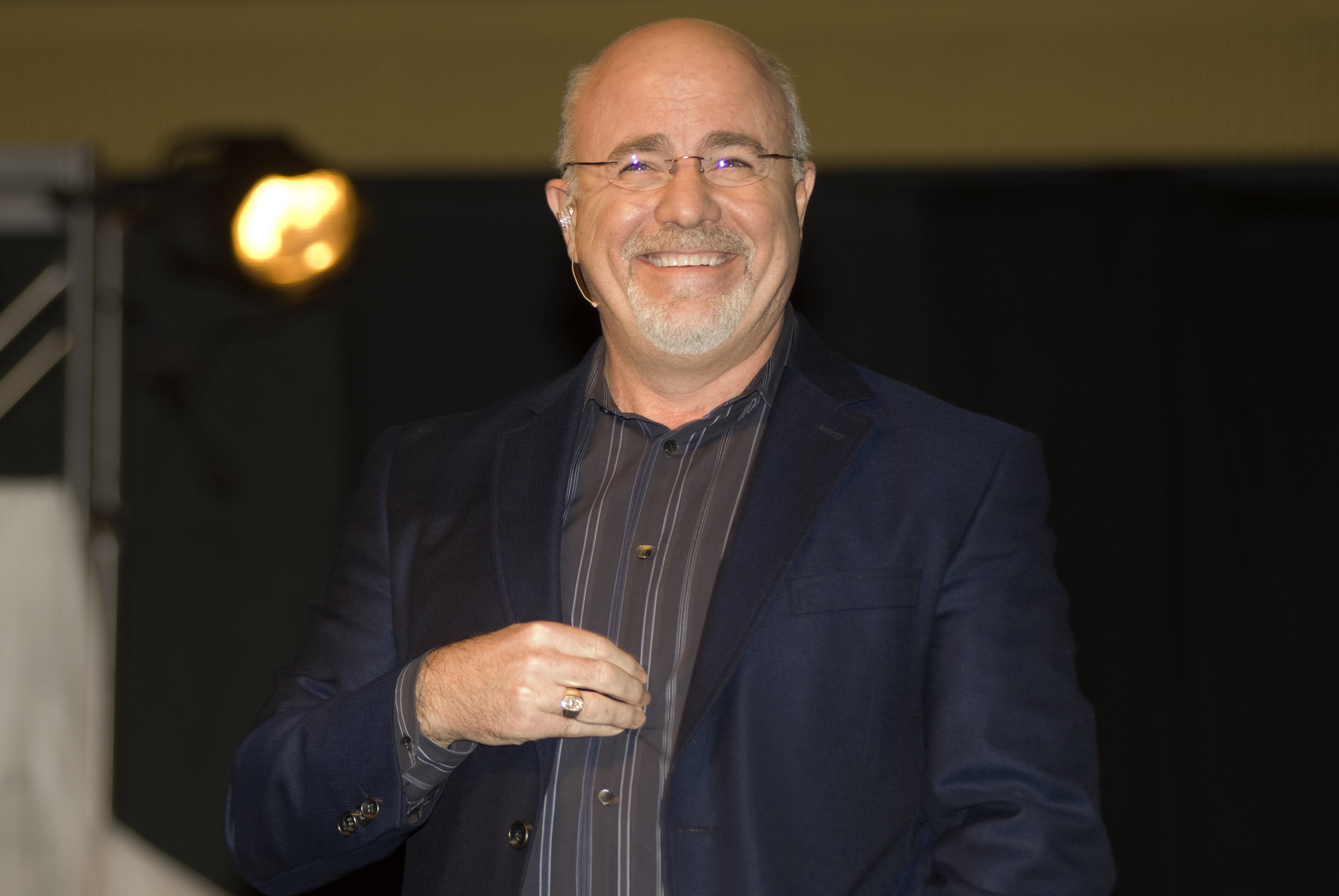
Dave Ramsey’s Social Security Advice Steers Too Many Retirees Wrong
One of the trickiest decisions retirees have to make is figuring out when to claim Social Security. There’s a lot riding on your filing age of choice. If you file for benefits prior to reaching full retirement age (FRA),…


One of the trickiest decisions retirees have to make is figuring out when to claim Social Security.
There’s a lot riding on your filing age of choice. If you file for benefits prior to reaching full retirement age (FRA), they’ll be reduced. If you file after FRA, they’ll be boosted. But there’s a huge gap between the smallest benefit you might receive and the largest.
The earliest age you can claim Social Security is 62. If your FRA is 67, filing at that point will result in about a 30% reduction, whereas filing at 70 will result in a 24% increase.
Let’s plug in some numbers so the ramifications are more clear.
Imagine you’re entitled to $2,000 a month in Social Security at an FRA of 67. If you file at 62, you’ll get $1,400 a month instead. File at 70, and your monthly checks rise to $2,480.
You’d think someone as financially cautious as Dave Ramsey would generally advise people to claim Social Security at 70. After all, Ramsey is a big proponent of financial stability and specifically aims to steer people away from debt for that reason.
But surprisingly, Ramsey’s a fan of claiming Social Security at 62. And while there’s a reason for that stance, it could end up steering a lot of older Americans in a very bad direction.
Why Ramsey thinks Social Security at 62 is a good idea
Ramsey’s advice on Social Security stems from the fact that those benefits die when you do. If you don’t end up living a very long life, you can come out ahead financially in terms of lifetime benefits by claiming Social Security at 62 instead of later.
Also, Ramsey says that people who claim Social Security at 62 to get their money sooner can invest it and grow it into a larger sum. Obviously, you can invest your Social Security checks at any age. But if you start getting them at 62, that gives your money extra time to grow.
Why Ramsey’s advice isn’t spot-on this time
Ramsey may have good intentions with his Social Security advice. But it’s likely to be a poor choice for the typical Social Security recipient.
The problem is that most retirees do not have much in the way of independent savings. And so a lot of older Americans are extremely reliant on Social Security to cover their living costs.
If you’re in that situation, and you slash your monthly benefits by claiming them early, you risk not having enough money to cover your costs throughout retirement.
Even if you do have savings, claiming Social Security at 62 can be risky. There are strategies you can use to prevent your nest egg from running out. But there are no guarantees. And the longer you live, the greater your risk of depleting your IRA or 401(k).
If you wait on Social Security, though, you’ll have larger benefits coming your way later in life in case your savings end up running out. If you file at 62, those late-in-life checks will be smaller.
Finally, Ramsey’s suggestion to claim Social Security at 62 and invest the money is something many claimants probably won’t do. Many people of all ages fear the stock market. And the idea of investing for the first time in retirement could be extremely daunting.
Meanwhile, waiting on Social Security automatically increases those monthly checks. So rather than take the risk of investing, it probably makes more sense for the typical older American to just file at a later age.
It’s a very personal choice
You could choose to follow Dave Ramsey’s advice on Social Security. Or you can choose another filing age. But either way, make sure to think through your decision carefully and base it on factors that include:
- Your savings level
- Your retirement income needs
- Your health and longevity-related expectations
Finally, don’t forget your spouse. If you’re married and are the higher earner in your household, if your spouse outlives you, they’ll be eligible for survivor benefits.
Reducing those monthly checks by claiming Social Security at 62 won’t just whittle down your own benefits. It could leave your surviving spouse with less money.
That’s another thing Ramsey’s advice overlooks. So it’s important to take his suggestion with a grain of salt.
Contact [email protected] for any questions or corrections.
Maurie Backman has more than a decade of experience writing about financial topics, including retirement, investing, Social Security, and real estate. Her work has appeared on sites that include The Motley Fool, USA Today, U.S. News & World Report, The Washington Post, and Kiplinger.
Prior to becoming a full-time financial writer, Maurie worked in the financial industry trading distressed debt. She then changed course and spent a few years designing electronic toys. After a stint in content marketing and UX, she shifted back into writing and has since covered everything from the housing market to estate planning to Medicare.
When she's not busy writing, Maurie can be found hiking, walking her dogs, driving her kids to their various sports practices and games, and curling up with a good book. She cooks on occasion and bakes way too often.