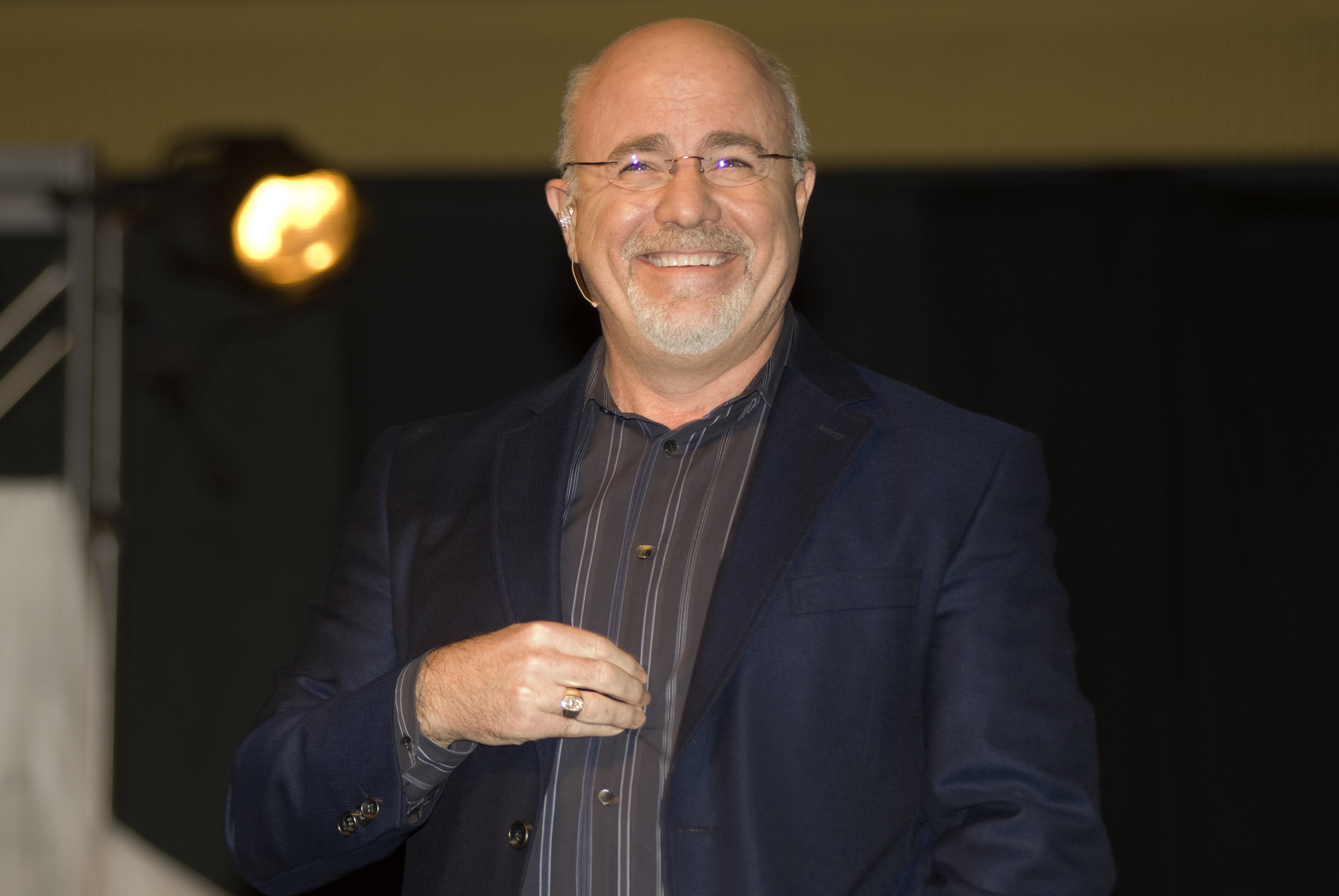
Dave Ramsey’s Social Security Advice Might Backfire On You
One of the trickiest financial decisions you might have to make in your lifetime is figuring out when to claim Social Security. You’re eligible to start getting those monthly benefits at age 62. But you won’t get your monthly…

This post may contain links from our sponsors and affiliates, and Flywheel Publishing may receive compensation for actions taken through them.
One of the trickiest financial decisions you might have to make in your lifetime is figuring out when to claim Social Security.
You’re eligible to start getting those monthly benefits at age 62. But you won’t get your monthly benefits in full if you don’t wait until full retirement age, or FRA, which is 67 for people born in 1960 or later.
There’s also the option to delay Social Security past FRA. For each year you wait, until age 70, your benefits increase by 8%.
Dave Ramsey is actually a firm believer in claiming Social Security as early as possible. But while his advice might work for some people, it could sorely backfire for others.
The danger in Ramsey’s Social Security advice
Ramsey’s logic for claiming Social Security at 62 is simple. As he puts it, Social Security dies with you. So the sooner you claim benefits, the more monthly payments you might end up with. Ramsey also thinks that investing those benefits could grow them into a larger sum than what you’d get by waiting to file.
But Ramsey’s advice is based on three assumptions:
- You won’t live a long life
- You’ll invest your benefits rather than spend them
- You’ll invest your benefits wisely
There are plenty of people who end up living well into their 90s. Claiming Social Security early means risking less lifetime income in that scenario as well as less monthly income.
Plus, not everyone is comfortable investing, and not everyone is an investing genius. Choosing the wrong investments could whittle those early Social Security benefits down to a lot less money instead of more.
Ramsey’s advice is also dangerous for people without retirement savings. Let’s say you’re in that boat, and you’re eligible for $2,000 a month in Social Security at FRA. If you file at 62 instead, you’ll shrink your benefits to $1,400.
If you’re unable to work part-time in retirement and you don’t have other income to rely on, you might have to cover all of your monthly expenses on a mere $1,400 check. If that doesn’t sound doable, it’s because it probably isn’t — not unless you’re willing to make extreme sacrifices.
Granted, it’s not exactly easy to live on $2,000 a month, either. But it’s not as difficult as living on $1,400.
Be careful with Ramsey’s Social Security advice
Dave Ramsey has a lot of good advice for everyday Americans. His suggestions to avoid costly debt and always maintain emergency savings are solid ones to follow. But when it comes to Social Security, Ramsey may be off base for the typical retiree.
Of course, there are some retirees for whom Ramsey’s advice may be suitable. If you have a large amount of savings and other income streams, then claiming Social Security at 62 could make more sense — especially if you’re comfortable investing the money.
Otherwise, you may want to wait until FRA or even beyond to claim Social Security, especially if those benefits will constitute most or all of your retirement income. Filing early could mean setting yourself up for an ongoing financial struggle.
Contact [email protected] for any questions or corrections.
Maurie Backman has more than a decade of experience writing about financial topics, including retirement, investing, Social Security, and real estate. Her work has appeared on sites that include The Motley Fool, USA Today, U.S. News & World Report, and Kiplinger.
Prior to becoming a full-time financial writer, Maurie worked in the financial industry trading distressed debt. She then changed course and spent a few years designing electronic toys. After a stint in content marketing and UX, she shifted back into writing and has since covered everything from the housing market to estate planning to Medicare.
When she's not busy writing, Maurie can be found hiking, walking her dogs, driving her kids to their various sports practices and games, and curling up with a good book. She cooks on occasion and bakes way too often.