Dave Ramsey to Young Couple: $281k Income Means You Can Eliminate $207k Debt in 12 Months
Joe, 25, called The Ramsey Show 12 days before his wedding with a question most engaged couples whisper about: “I think I know the answer to this, but should I write a check for $17,500 today and just pay everything…

This post may contain links from our sponsors and affiliates, and Flywheel Publishing may receive compensation for actions taken through them.

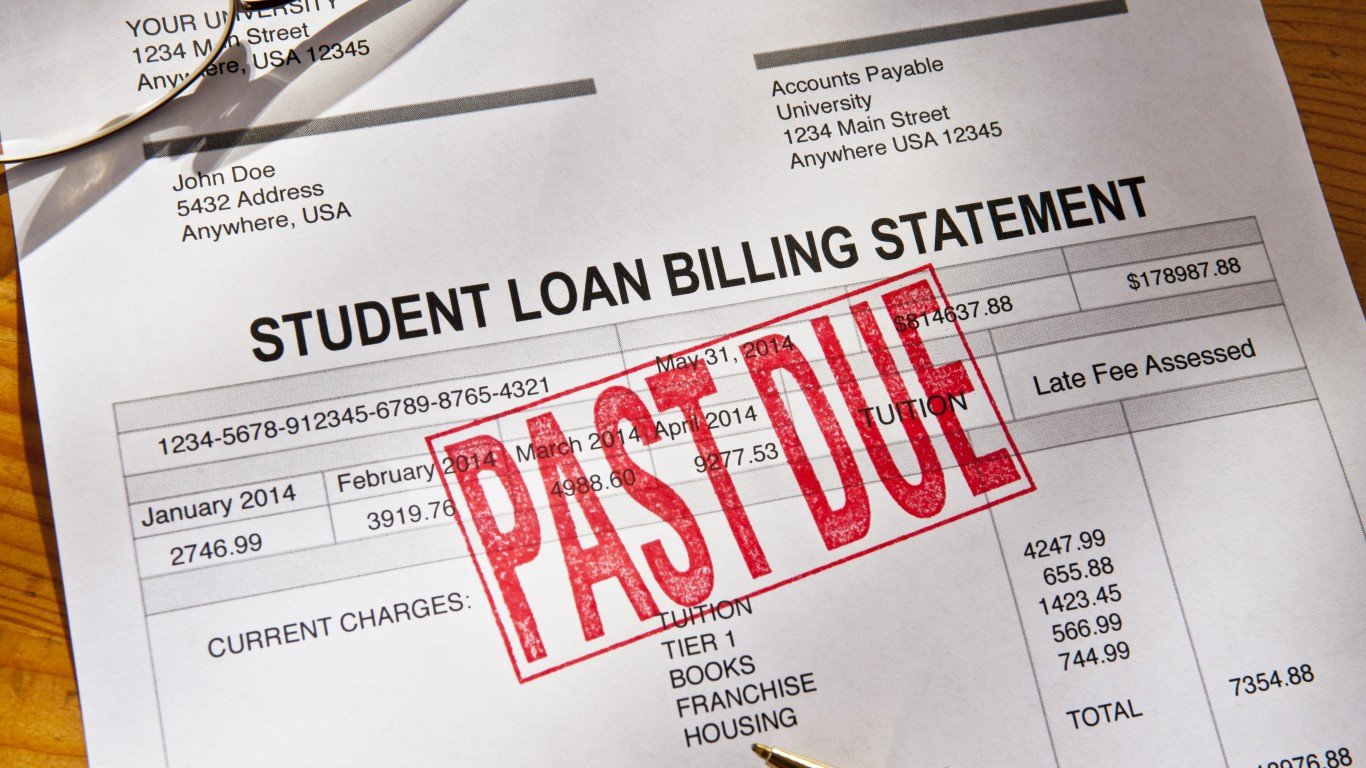
Joe, 25, called The Ramsey Show 12 days before his wedding with a question most engaged couples whisper about: “I think I know the answer to this, but should I write a check for $17,500 today and just pay everything off?” He is self-employed earning $181,000 a year, has stacked $150,000 in savings over two years, and carries $17,500 in consumer and medical debt. His fiancée is graduating as a chiropractor with $190,000 in student loans and a projected $100,000 income.
Dave Ramsey‘s answer was blunt: “You’re now going to be making $281,000 trying to pay down $207,000. You got a big pile here, but you got a big shovel to clean it.”
The verdict: Ramsey is right, and the math is the reason
Wiping out the debt before the wedding, then attacking her loans together, is the correct call. The $17,500 is consumer and medical debt, categories that almost always carry rates well above what a savings account or balanced portfolio will deliver. The 10-year Treasury yield sits near 5%, and the fed funds upper bound is near 4%. Paying it off is a guaranteed return that beats the risk-free alternative.
Now the student loans. Ramsey’s framing: “If you use that, now you’re down to $74,000 left to pay off, making $281,000, and now we’re done in a year.” Throw the remaining $132,500 of Joe’s savings at her $190,000 balance after the honeymoon. That leaves roughly $74,000. On a combined $281,000 household income, a one-year payoff means setting aside about $6,000 a month after tax. Tight, not impossible, especially with no other consumer payments in the picture.
Compare that to the alternative: keep the $150,000 invested, make minimum payments, and stretch repayment across 10 years. At a 7% federal student loan rate, the interest alone on $190,000 over a decade runs into the tens of thousands. Your invested cash would need to clear that hurdle after taxes to come out ahead. Doable in a strong market. Not guaranteed.
The variable that flips the answer
The factor that most determines whether this advice helps or hurts you is the spread between your debt rate and your realistic after-tax investment return.
If your partner’s loans are federal undergraduate loans at 5%, the case for paying them off is a coin flip against investing in a diversified portfolio expecting 7% to 8%. You can defensibly split the difference: pay extra, but keep an emergency fund and a retirement contribution intact.
If the loans are graduate or professional school debt at 7% to 8%, like most chiropractic, dental, and medical school borrowing, the math collapses in favor of payoff. A guaranteed 7% return, which is what eliminating a 7% loan delivers, beats the expected return of the S&P 500 once you adjust for risk. There is no reasonable portfolio that reliably outperforms that after taxes.
The one carve-out: an employer 401(k) match. If Joe or his fiancée has access to a dollar-for-dollar match, that match is an instant 100% return. Capture it first, then route everything else at the loans.
The lifestyle trap waiting on the other side
Ramsey’s sharpest warning was about what happens after the debt is gone: “The biggest temptation after you get married and you’re making $281,000 at 25 is to look like you make $281,000. Let’s get some fancy new cars.”
The data backs him up. The national savings rate has fallen to about 4%, down from roughly 6% two years ago. Meanwhile motor vehicle spending is running near $781 billion, near the top of its recent range. Households are earning more and saving less. A couple clearing $281,000 with no payments who let spending creep up to match income ends up exactly where they started, only with nicer wheels.
What to actually do this week
- Pull every loan statement and rank by interest rate. Anything above 6% is a payoff target before investing beyond an employer match.
- Run the one-year payoff math. Take your combined after-tax income, subtract a realistic budget, and see how much you can route monthly to the debt.
- Capture any 401(k) match before extra debt payments. That is the only exception worth making.
- Build a written spending plan for the first 12 months of marriage. Cap car, housing, and travel before income lands, not after.
- Keep a three-to-six month emergency fund untouched. Going to zero cash to kill debt is the one place Ramsey’s plan deserves pushback.
Joe said it best himself: “I’m more than willing and wanting to just start from a clean slate.” If the rates on your debt clear the bar, that clean slate is worth more than the portfolio you would have built around it.
Contact [email protected] for any questions or corrections.
Don Lair writes about options income, dividend strategy, and the kind of boring-but-durable investing that actually funds retirement. He's the founder of FITools.com, an independent contributor to 24/7 Wall St., and a former writer for The Motley Fool.