Charleston’s 4% vs. 6% Tax Gap Could Change Your Retirement by Six Figures
Charleston draws in retirees with coastal living, outdoor recreation, historic neighborhoods, strong dining and cultural infrastructure, and a favorable tax structure compared to many Northeastern states. But the retirement math deserves closer scrutiny. South Carolina ranks among the more affordable…

This post may contain links from our sponsors and affiliates, and Flywheel Publishing may receive compensation for actions taken through them.

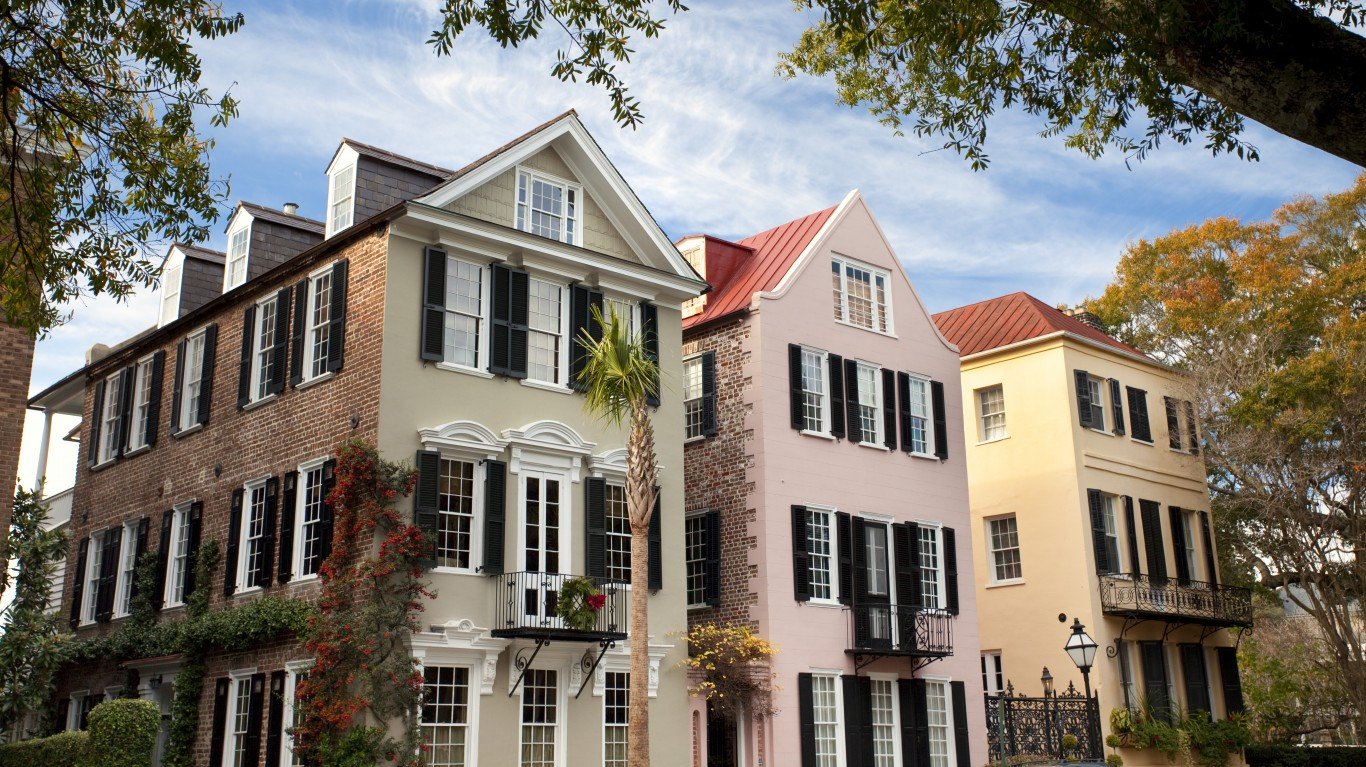
Charleston draws in retirees with coastal living, outdoor recreation, historic neighborhoods, strong dining and cultural infrastructure, and a favorable tax structure compared to many Northeastern states. But the retirement math deserves closer scrutiny.
South Carolina ranks among the more affordable states with a cost-of-living index of 93.749 against a U.S. baseline of 100, and the state’s adjusted tax burden of $6,167 per capita sits in the lower third nationally. The Charleston metro itself runs hotter than the state average, but the structural advantages still hold for a couple willing to live outside the historic peninsula. One of the largest long-term financial variables is where the retiree establishes primary residency, a decision that can shift lifetime retirement costs by six figures.
The Real Annual Cost
Assume a couple, both 65, settling in West Ashley or another moderate-priced part of the Charleston metro. A modest single-family home may still run roughly $500,000 to $700,000, while much of Mount Pleasant now sits materially higher. With 30-year mortgage rates around 6.5%, a paid-off home is the working assumption here. Property taxes on a primary residence are relatively low, often $2,000 to $3,500 annually, but homeowners insurance and flood coverage near the coast can run $5,000 to $9,000. Utilities, maintenance, landscaping, internet, and repairs may add another $10,000 to $14,000 annually depending on property size, age, HOA structure, and proximity to the coast.
Healthcare for a Medicare-eligible couple, including Part B, Medigap, Part D, dental, and vision costs, runs roughly $9,000 to $12,000 annually. Food and dining out together may approach $14,000 annually in Charleston’s restaurant-driven economy, while the cost of fuel, insurance, and maintenance for two paid-off vehicles often lands near $6,500. Lifestyle spending varies sharply. Golf memberships, marina fees, entertainment, travel, and periodic flights to visit family can easily add another $8,000 to $15,000 annually, with boat ownership pushing costs substantially higher.
Rounded honestly, a comfortable Charleston retirement for a homeowning couple lands near $80,000 annually. Renters or peninsula residents should add another $15,000 to $25,000.
The Math of Funding It
Take the $80,000 working number. The higher-earning retired couple in this profile draws roughly $50,000 from Social Security combined, leaving a $30,000 gap the portfolio must fund. At a 4% starting withdrawal rate, that requires a portfolio of $750,000. At a more conservative 3.5% rate, roughly $857,000. At an aggressive 5%, about $600,000. For a couple wanting meaningful protection against healthcare shocks, inflation, and market volatility, a more realistic target is roughly $900,000 to $1.1 million in invested assets plus a paid-off home.
Current conditions argue for the conservative end of that range. Consumer sentiment recently fell below 50, near recessionary territory, while CPI remains elevated around 3.8% year over year. The Fed funds rate near 3.75% after a year of cuts means new bond ladders and CDs will likely yield less than the ones now rolling off. Retirees positioning fixed-income allocations into intermediate Treasuries while yields remain above 4.5% may lock in more durable income than remaining heavily concentrated in cash products likely to reprice lower.
The 4% vs 6% Assessment Gap
This is the variable most Charleston retirement discussions ignore. South Carolina assesses owner-occupied primary residences at 4% of fair market value. Non-primary residences, including second homes and rentals, are assessed at 6%. Combined with the school operating millage exemption that applies only to primary residences, the practical property tax on the same $650,000 house can run roughly $2,500 as a primary residence and $9,000 or more as a second home.
Many retirees attempt to preserve northern residency for familiarity or perceived tax advantages and accidentally walk into this structure. The interaction matters because South Carolina taxes retirement income favorably for older residents while simultaneously rewarding primary residency status through the property tax system. Establishing South Carolina residency, surrendering the old driver’s license, and registering to vote locally can therefore materially improve long-term retirement sustainability. Over a 25-year retirement, the difference can easily compound into six figures.
What Decides Whether It Works
Three variables carry the outcome of a Charleston retirement strategy.
First, flood and wind insurance. Charleston’s coastal geography creates one of the sharpest insurance cost escalators in the Southeast, particularly under FEMA’s Risk Rating 2.0 framework. Verify the specific flood zone and insurance quote before purchasing property rather than assuming current premiums will remain stable.
Second, healthcare access after age 80. MUSC anchors one of the stronger healthcare systems in the region, but specialist wait times have lengthened as the metro population has expanded. Establishing primary care access early in retirement materially reduces friction later.
Third, discretionary spending behavior. Charleston’s restaurant culture, tourism economy, and coastal lifestyle can gradually push retirees toward higher recurring spending than originally planned. The retirees who remain financially stable long term are usually those who treat Charleston as a sustainable cost structure rather than an endless vacation.
Charleston remains financially workable for retirees entering with substantial assets, controlled housing costs, full Social Security benefits, and realistic expectations about insurance, healthcare, and long-term spending behavior. Without those conditions in place, retirees may find the coastal lifestyle quietly dragging their budget out to sea.
Contact [email protected] for any questions or corrections.
Drew Wood has edited or ghostwritten nine books and published more than 1,500 articles on investing, business, politics, travel, world cultures, wildlife, and earth science. He holds a doctorate and four master's degrees and has nearly 30 years of college teaching experience. His travels have taken him to 25 countries, including three years living in Ukraine.