Mom Wants Her Farm Animals Cared for After She’s Gone. Her Son Doesn’t Want the Farm. What Happens Next?
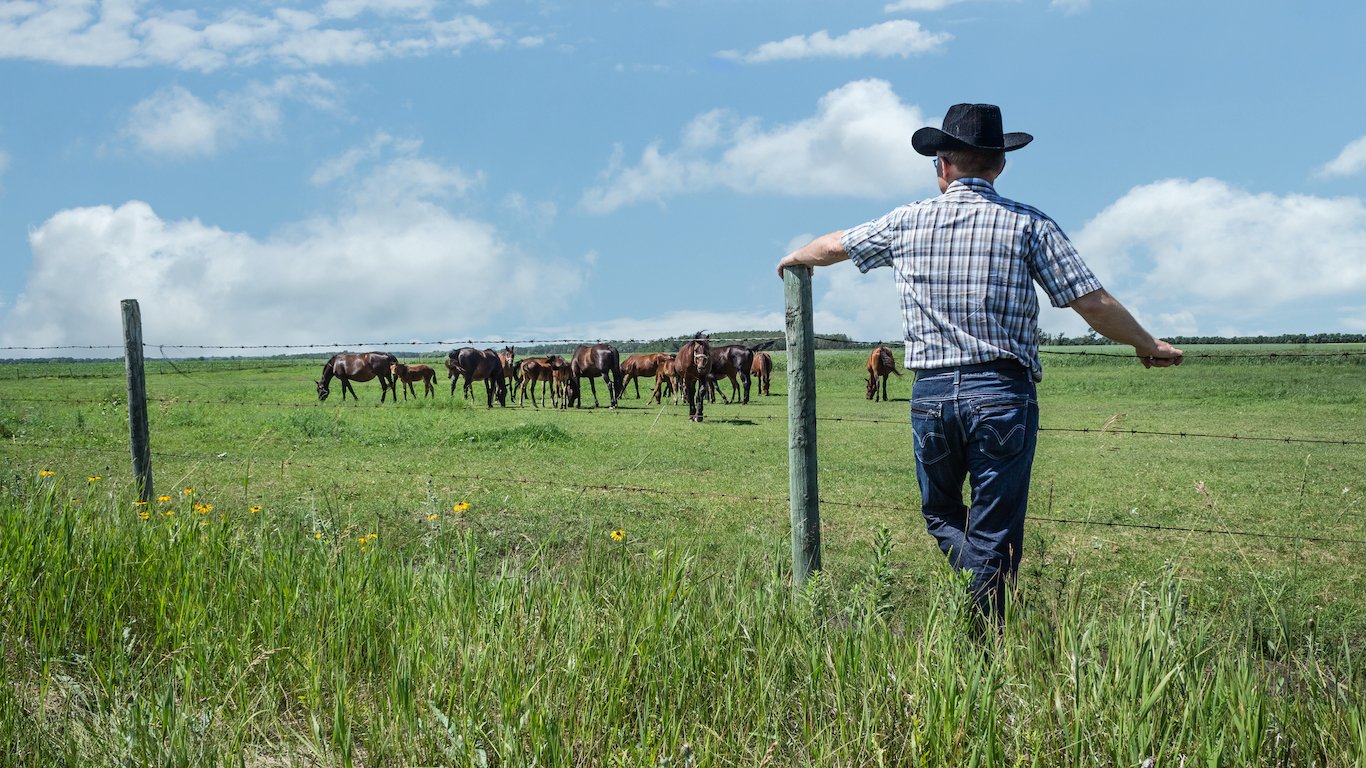
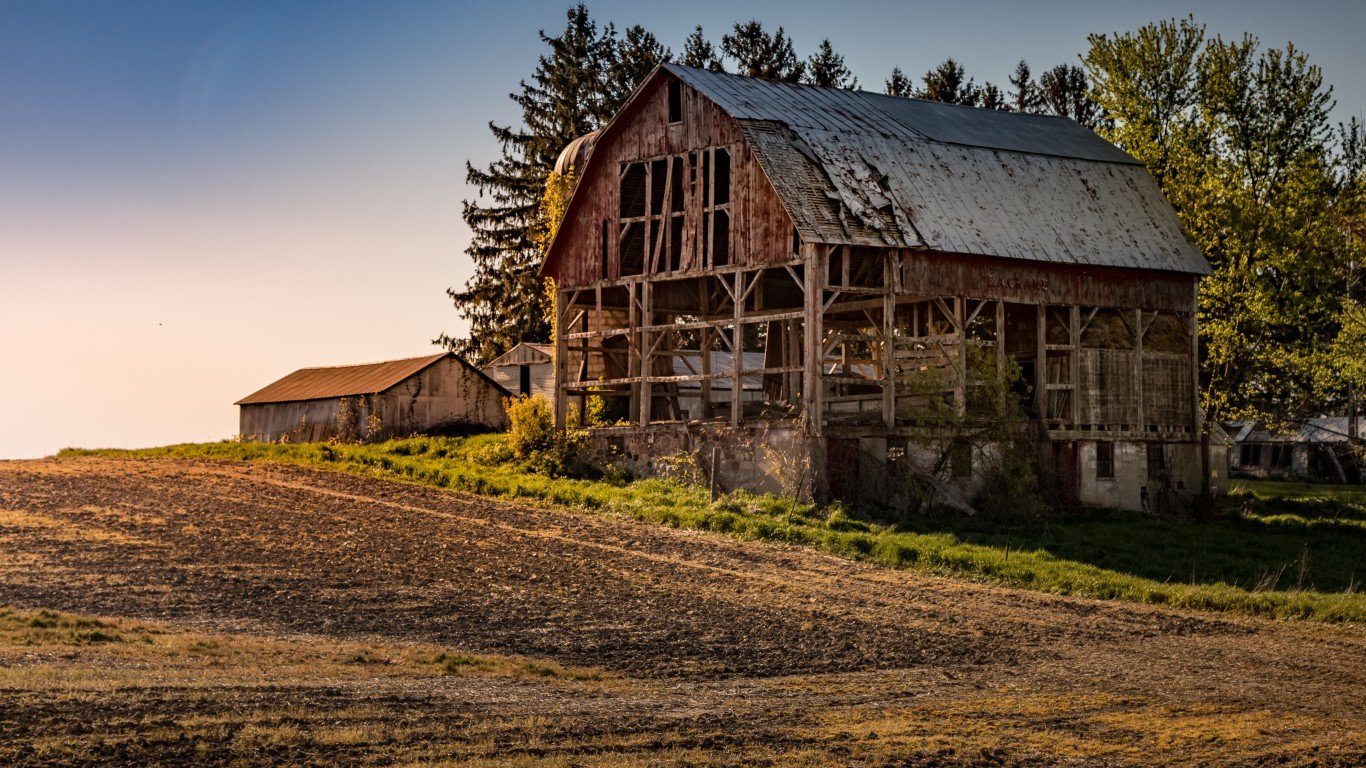
An 86-year-old widow is an animal lover who owns a paid-off farm worth roughly $289,000 near Bluefield, West Virginia. She shares it with four dogs, six cats, one Highland cow, and fourteen show chickens. After she dies, she wants the…

This post may contain links from our sponsors and affiliates, and Flywheel Publishing may receive compensation for actions taken through them.
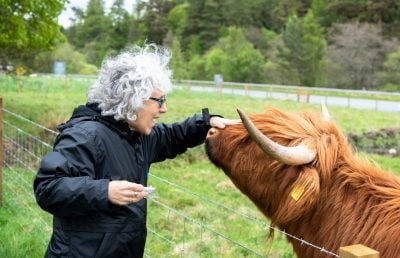
An 86-year-old widow owns a paid-off farm worth roughly $289,000 near Bluefield, West Virginia. She shares it with four dogs, six cats, one Highland cow, and fourteen show chickens. After she dies, she wants the animals to remain on the farm and receive proper care for the rest of their lives. Her son lives in a suburb of Charleston and wants to honor her wishes, but he has no intention of moving two and a half hours away into the mountains to become a full-time caretaker.
The situation looks like an inheritance problem. It is really a succession problem, and those two challenges require very different solutions. Inheritance questions are about who receives the property. Succession questions are about who continues the life built around it. What follows is a realistic look at what it takes for a son to honor a beloved parent’s wishes for a small herd, without uprooting his own life or subsidizing a project that was her passion, not his.
The West Virginia Pet Trust That Isn’t Happening
In a larger estate, this problem might be solved with a pet trust. West Virginia law, under § 44D-4-408 of the state code, allows owners to set aside money for animal care after death. Wealthy families sometimes fund trusts with hundreds of thousands of dollars, appoint caretakers, and write detailed instructions covering everything from feeding schedules to end-of-life decisions. That is not this situation. A $289,000 farm is not large enough to support the kind of elaborate trust structure often discussed in estate-planning seminars, and a trust without adequate funding is simply a legal document without teeth.
More realistically, the widow leaves the farm and the rest of her estate to her son and makes her wishes known in clear, documented form. Legally, he could sell the property and rehome the animals. But if he wants to honor her wishes, he does not have to move to Bluefield. He can remain in Charleston, hire local help, manage the property at a distance, and draw on estate assets to cover expenses until the animals reach the ends of their natural lives. For a family of ordinary means, that is usually what honoring a parent’s wishes actually looks like in practice.
The Scenario, Priced Honestly
The good news is that this is rural southern West Virginia, where costs run well below the national average and expectations tend to be practical. The goal is not to create a showcase farm. It is to keep the animals healthy and comfortable while doing the minimum necessary maintenance on the property. A realistic annual budget breaks down as follows:
-
Feed, hay, bedding, and supplies: $1,500 to $3,000
-
Routine veterinary care and medications: $1,000 to $2,500
-
Property taxes and insurance: $800 to $1,500
-
Utilities and basic services: $2,000 to $4,000
-
Repairs and upkeep: $500 to $2,000
That puts the basic cost of maintaining the property and caring for the animals at roughly $5,800 to $13,000 per year before labor. Labor is typically the largest variable, which is exactly why the structure of any workable plan needs to address it first.
What Makes It Work
The most practical solution may be surprisingly simple. Rather than hiring a caretaker by the hour, the son could rent the farmhouse to a local tenant at a below-market rate in exchange for daily animal care. According to current market data from Zillow, the average rent across all property types in Bluefield runs about $850 per month, with a range of roughly $595 to $1,545. A rural farmhouse with outbuildings and acreage would sit toward the higher end of that range, perhaps $800 to $1,000 per month in a standard arms-length lease. Charging $500 to $650 instead, with animal care duties written into the lease, effectively trades housing value for labor.
At $575 per month, the property generates roughly $6,900 annually. That covers a meaningful portion of the estimated $5,800 to $13,000 in yearly operating costs. More to the point, the arrangement eliminates what would otherwise be the single largest expense by converting it into a rent concession. As the animals gradually reach the ends of their natural lives and are not replaced, both the costs and the complexity of the arrangement decline.
Even so, the arrangement does not guarantee that every expense is covered. If a funding gap remains, the farm itself can help close it. Pasture can be leased to a neighboring farmer, hay rights can be rented, and unused buildings or acreage can generate modest income. If part of the property has accessible timber, selective harvesting might be considered. Farm equipment and household contents could be sold to build a small reserve fund. None of these activities will make the property highly profitable, but that is not the standard they need to meet. If the caretaker-tenant arrangement covers most of the costs, a few thousand dollars a year from agricultural use may be enough to keep the plan viable.
The Impolite, But Important Question
The practical question that rarely gets asked politely is: how long are these animals likely to live? The answer shapes everything about the financial commitment.
Highland cattle are notably long-lived. Most reach 15 to 20 years, and some live even longer with good care. That means the cow could represent a multi-decade obligation if she is still relatively young. The show chickens present a shorter horizon: backyard and heritage breeds typically live 5 to 10 years, with some reaching beyond that under careful management. The dogs and cats fall somewhere in between, depending on breed, age, and health. Taking the full mix of animals into account, the realistic obligation runs somewhere between a few years and roughly two decades, with most of the caregiving burden likely resolved well before the outer limit.
As the herd gradually declines, the arrangement shifts from a farm-management problem to something closer to a pet-care problem. At that point, the son may decide he has reasonably fulfilled his mother’s wishes and bring the remaining animals to Charleston or place them with willing friends and relatives. His job is not to preserve the farm indefinitely. It is to make sure the animals his mother loved are cared for within financial and practical reason, in a way that lets him feel he honored her wishes as faithfully as the situation allowed.
Editor’s note: This article was updated to reflect current Bluefield, West Virginia rental market data from Zillow, which shows an average market rent of approximately $850 per month, and to include verified lifespan context for Highland cattle (15 to 20 years) and backyard chickens (5 to 10 years), which affects the article’s assessment of the likely duration of the caregiving obligation.
Contact [email protected] for any questions or corrections.
Drew Wood has edited or ghostwritten nine books and published more than 1,500 articles on investing, business, politics, travel, world cultures, wildlife, and earth science. He holds a doctorate and four master's degrees and has nearly 30 years of college teaching experience. His travels have taken him to 25 countries, including three years living in Ukraine.