He Replaced a $25,000 Alfalfa Crop With a $25,000 Water Lease. Social Security Counted Only the Crop as Earnings.
A farmer swapped an alfalfa crop for a water lease, pocketed the same amount, and discovered that Social Security treats identical checks in ways that could quietly reshape his retirement picture.

This post may contain links from our sponsors and affiliates, and Flywheel Publishing may receive compensation for actions taken through them.
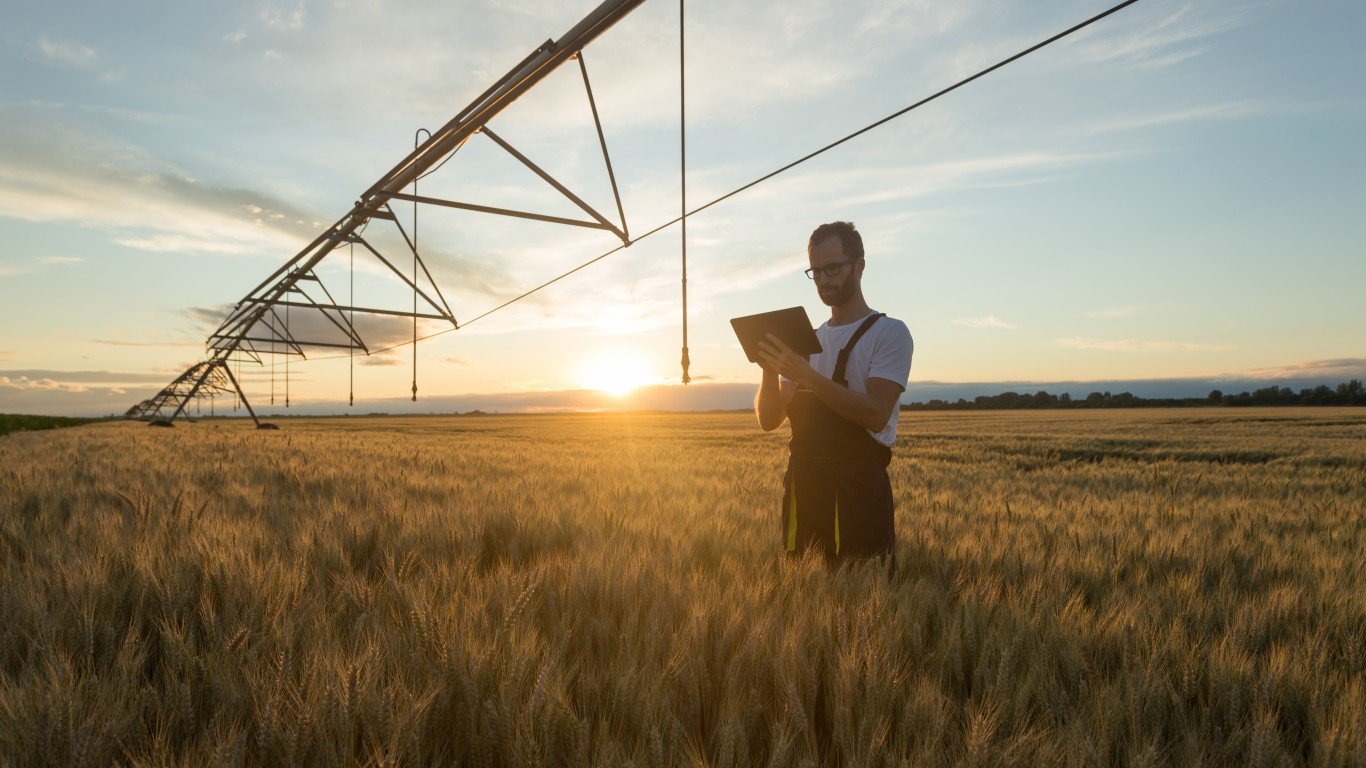
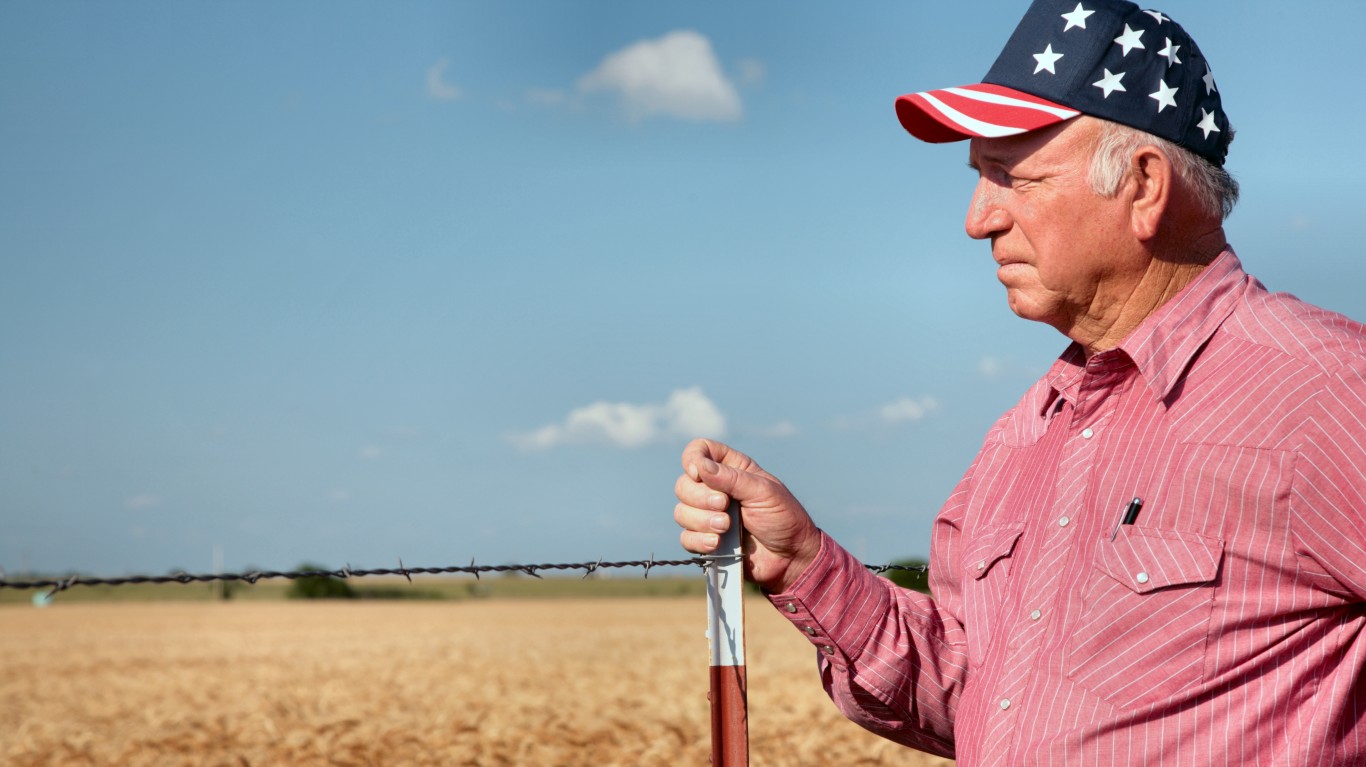
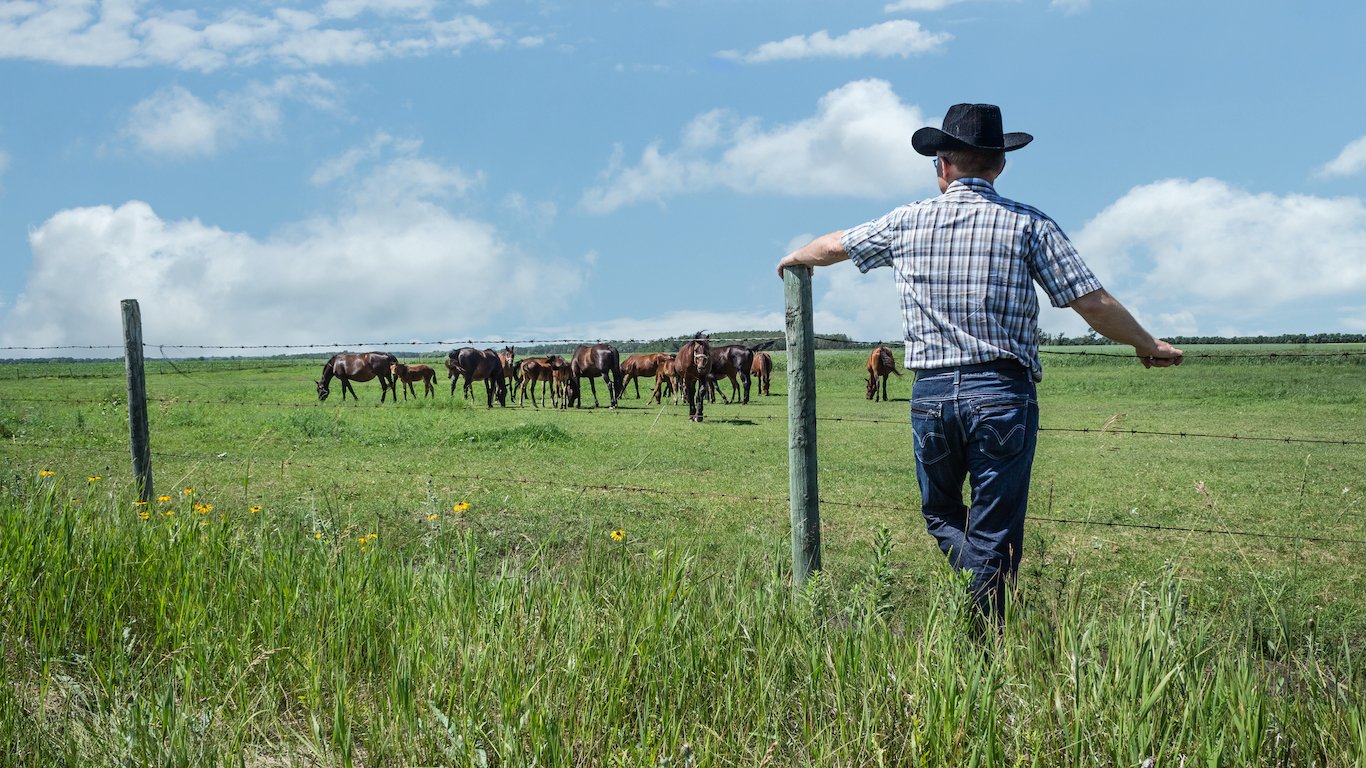
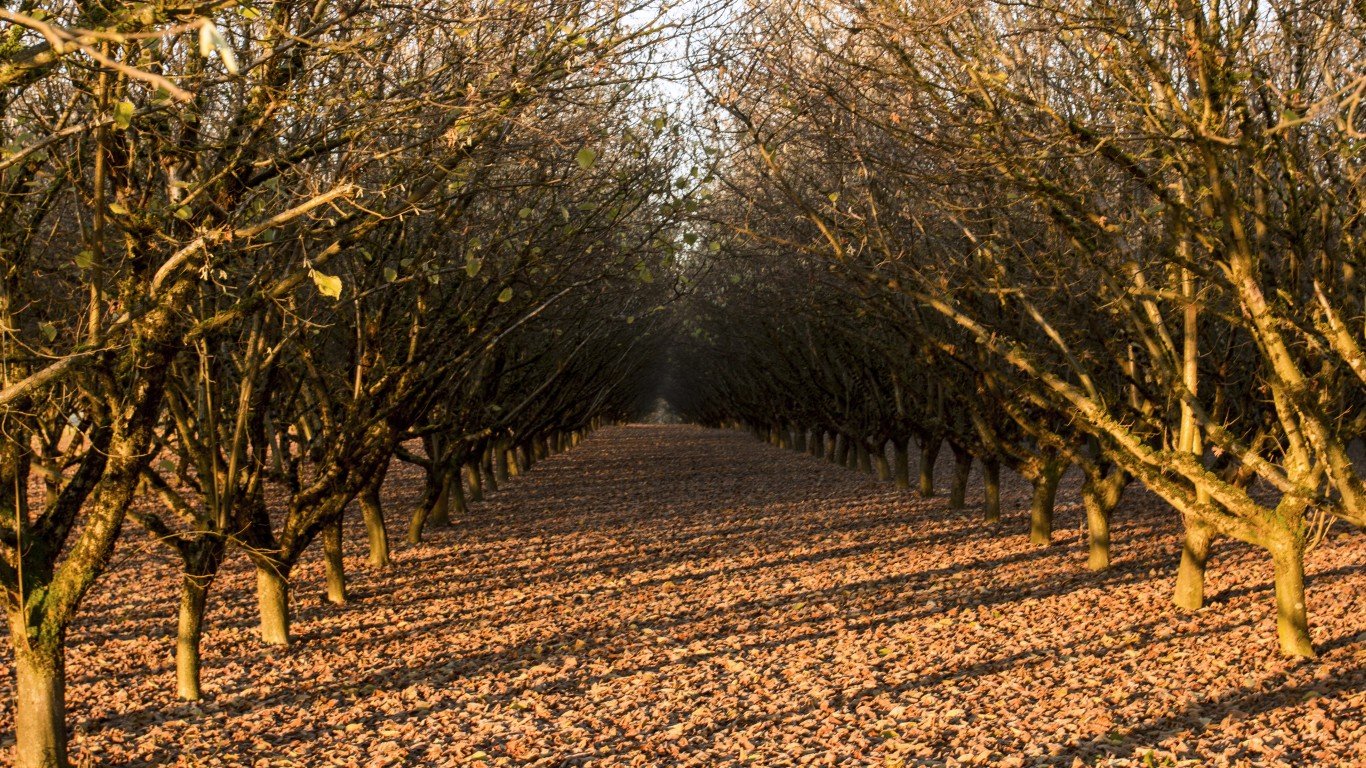
Picture a farmer in the arid West who has grown alfalfa on the same ground for decades. Water gets tighter, hay prices swing, and a buyer offers him another use for one field: leave it fallow and lease the water right instead. The alfalfa might have produced $25,000. The water agreement pays roughly the same.
For a farmer approaching Social Security, however, equal checks can produce very different results. One comes from operating the farm. Assume the other is structured as a genuine passive property lease requiring no farming, management or other services from him. Social Security can count the first as earnings and leave the second outside the earnings test.
The Crop Comes From Work
When he raises and sells alfalfa through his farm, the proceeds belong in the farming business. The IRS directs farmers to report sales of crops they raise on Schedule F, with the resulting net self-employment earnings flowing into the Social Security system. That matters twice. Covered self-employment earnings can build his Social Security record, which uses the highest 35 years of earnings to calculate retirement benefits. If he has already claimed before full retirement age (FRA), the same earnings can also count against the retirement earnings test.
In 2026, someone under FRA for the entire year can earn $24,480 before Social Security withholds $1 in benefits for every $2 above the limit. The $25,000 alfalfa figure is gross revenue, not the amount Social Security ultimately counts. Farm expenses come out first, and the remaining net profit can feed both his earnings record and the retirement earnings test.
The Water Payment Can Land Somewhere Else
A passive rental arrangement can work differently. Federal Social Security law generally excludes qualifying rents from real estate from net earnings from self-employment unless exceptions such as material participation apply. The IRS similarly treats straightforward cash rent from farmland as Schedule E rental income when the owner does not materially participate in production.
Water rights complicate that analysis because their legal character varies by state and the agreement itself matters. A separately held right leased without services may be treated differently from income generated through the active farm business. That distinction is worth establishing before assuming the $25,000 is retirement-test earnings.
If the payment is properly treated as passive rental income outside self-employment, it does not build another covered Social Security year and generally does not count against the earnings test. SSA specifically excludes qualifying real-estate rents from that test. Same farmer. Same $25,000. One payment can reflect labor while the other reflects ownership.
The Word “Lease” Does Not Settle It
This is where the contract can fool him. A payment called “rent” is not automatically passive income. The IRS provides a useful warning through the Conservation Reserve Program. Those payments are commonly called annual rental payments, yet the IRS instructs individuals to report them on Schedule F as agricultural program payments rather than as ordinary real-estate rent on Schedule E.
A water-conservation or crop-replacement agreement can likewise involve facts very different from a clean lease of a property right. If the farmer must manage acreage, perform services or remain materially involved, the tax and Social Security result can change.
Double Edged Sword
For someone already collecting benefits before FRA, keeping a qualifying passive lease outside the earnings test can be valuable. But there is a price: those dollars generally do not enter the covered earnings record either. A farmer with a low year among his highest 35 might prefer another strong year of covered farm earnings if the resulting benefit increase matters more than temporary earnings-test withholding. Someone already satisfied with his earnings history may value keeping the lease payment outside the test instead.
Before replacing the crop, three questions deserve answers:
- Determine how the proposed water payment will actually be reported for federal tax purposes, not merely what the agreement calls it.
- Check the Social Security earnings record for low years that another season of covered farm profit could potentially replace.
- If benefits have already started before FRA, compare the earnings-test effect of continued farming with the treatment of a properly structured passive lease.
The field can generate the same $25,000 whether it grows alfalfa or sits dry. Social Security cares about something the check amount cannot reveal: whether the money came from his work or from what he owns.
Contact [email protected] for any questions or corrections.
Gerelyn Terzo is the author of dividend investing handbook "Dividend Investing Strategies: How to Have Your Cake & Eat It Too." A veteran financial journalist, she covers agri-finance for outlets like Global AgInvesting and the broader stock market and personal finance for 24/7 Wall Street. She began at CNBC and later helped launch Fox Business in New York. Gerelyn currently resides in Woodland Park, Colorado and dabbles in nature photography as a hobby.