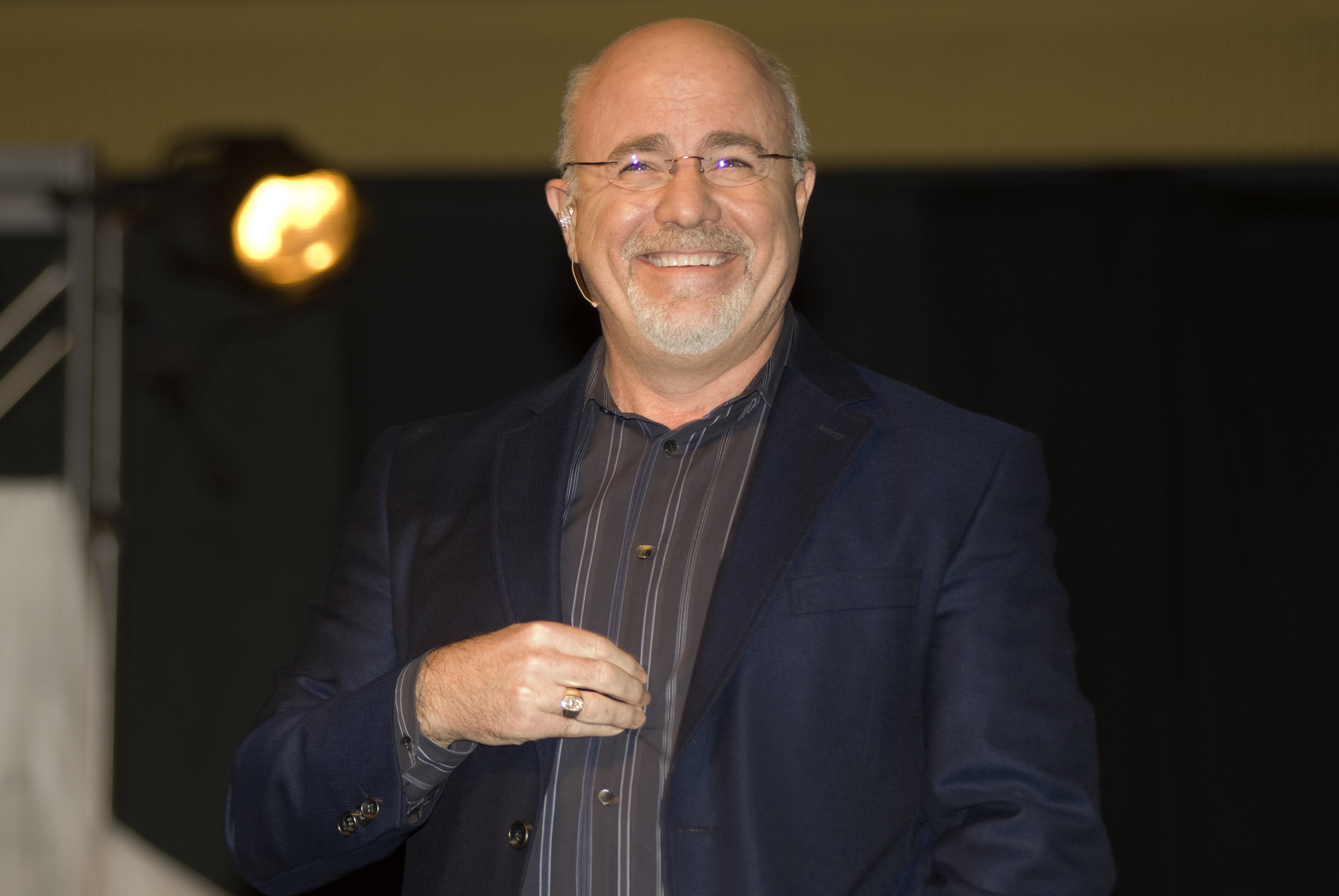
‘The Borrower Is Slave to the Lender’: Dave Ramsey Warns a 22-Year-Old Against Letting a Rich Friend Pay Off His $70,000 Debt
Dave Ramsey did not hesitate when a 22-year-old caller named Keegan asked whether he should let a wealthy friend pay off his remaining debt. His verdict: “When you borrow money from someone, you change the relationship to that of master-servant.…

This post may contain links from our sponsors and affiliates, and Flywheel Publishing may receive compensation for actions taken through them.

Dave Ramsey did not hesitate when a 22-year-old caller named Keegan asked whether he should let a wealthy friend pay off his remaining debt. His verdict: “When you borrow money from someone, you change the relationship to that of master-servant. The borrower is slave to the lender.”
Keegan called in after aggressive progress on $70,000 in total debt he had accumulated since age 18, split between $40,000 in credit cards and $30,000 in student loans. He earns $3,500 a month doing marketing for a pain cream company. Two weeks before the call, he sold his car for $13,000 and his bicycles for $10,000, then wiped out two credit cards that totaled up to $8,500 in debt, bringing his balance to roughly $43,000. Then he floated the real question: “I have a friend who offered to pay off all my debt and I pay him back. I don’t really know if I want to do that or not because I don’t want to ruin — I know money can ruin a relationship.”
Take the money, lose the friend
Ramsey is right, and the reason has almost nothing to do with the interest rate. The moment a friend hands you $43,000, the friendship converts into a business partnership with no operating agreement. A co-host on the segment put it plainly: the friend has front row seats to how you’re living your life every day. Every dinner out, every weekend trip, every new pair of shoes gets weighed against the outstanding balance.
The average credit card APR is almost 21%, near record territory. On $43,000 of revolving debt, that is real money bleeding out every month. A zero-interest loan from a wealthy friend eliminates that on paper. What it also does is transfer the emotional weight of the debt from an anonymous bank to a person Keegan sees at birthdays and holidays. Banks do not resent you for taking a vacation. Friends do.
Ramsey’s second point is the one most callers miss: “The secret sauce is Keegan. When Keegan changed, everything changed. And before Keegan changed, nothing changed.” The behavior that produced $70,000 of debt by age 22 does not get fixed by refinancing. If Keegan swaps credit cards for a friend loan and keeps his old spending patterns, he ends up with new credit card debt and a wrecked friendship. Card companies will happily extend fresh credit at 21%. The friend will not extend a second favor.
The variable that decides the outcome
Whether accepting the loan destroys the friendship depends on whether the borrower has already changed the habits that created the debt. Interest rate spreads are irrelevant. Keegan has changed. He sold assets, cut expenses, and attacked the smallest balances first, using the debt snowball method Ramsey has preached for decades. He is producing results on a $3,500 monthly income.
That momentum is precisely the argument against the loan. A person who is already winning does not need a bailout. A person who is not winning will use a bailout to postpone the reckoning. In either case, the friend loses.
The macro backdrop reinforces the point. The U.S. personal savings rate has fallen to 3.9% in the first quarter of 2026, down from 6.2% in 2024 Q1. Credit card delinquency is almost 3%, still elevated. University of Michigan consumer sentiment printed at 44.8 in May, well into pessimistic territory. Most Americans are one setback away from carrying a balance. The behavioral discipline Ramsey is demanding of Keegan is the same discipline the broader economy is failing at.
What to do if a wealthy friend offers a bailout
- Decline the loan and accept a gift only if freely offered. Ramsey has said that if you want to help someone, give them money rather than lend it. A gift preserves the friendship. A loan converts it into a transaction.
- List every debt smallest to largest and attack the smallest first. Pay minimum payments on everything else. Keegan used this debt snowball to eliminate $8,500 in two accounts within weeks.
- Add income before you optimize expenses. Ramsey challenged Keegan to pick up an extra job worth roughly 30 additional hours a week. On a $3,500 monthly base, a second job is the fastest lever available.
- Sell what depreciates and what you do not use. Keegan raised $23,000 from a car and bicycles. Most 22-year-olds sit on more sellable assets than they realize.
- Refuse to refinance until the behavior is fixed. A better rate on the same habits produces the same debt again within 18 months, only now with a resentful friend attached.
The interest savings from a friend loan are real. The cost of losing the friend is larger and permanent. Fix the borrower first, and the debt takes care of itself.
Contact [email protected] for any questions or corrections.
I am a long time investor and student of business, and believe finding good companies that can become great investments is the best game on earth. After 20 years of writing and researching the public markets it is clear that individuals have never had more tools and information to take control of their financial lives. From ETFs and $0 commissions to cryptos and prediction markets there has never been a greater democratization of access to investing.
I write to help people understand the investments available to them so they can make the best choice for their portfolio, whether they're starting out or looking for income in retirement.