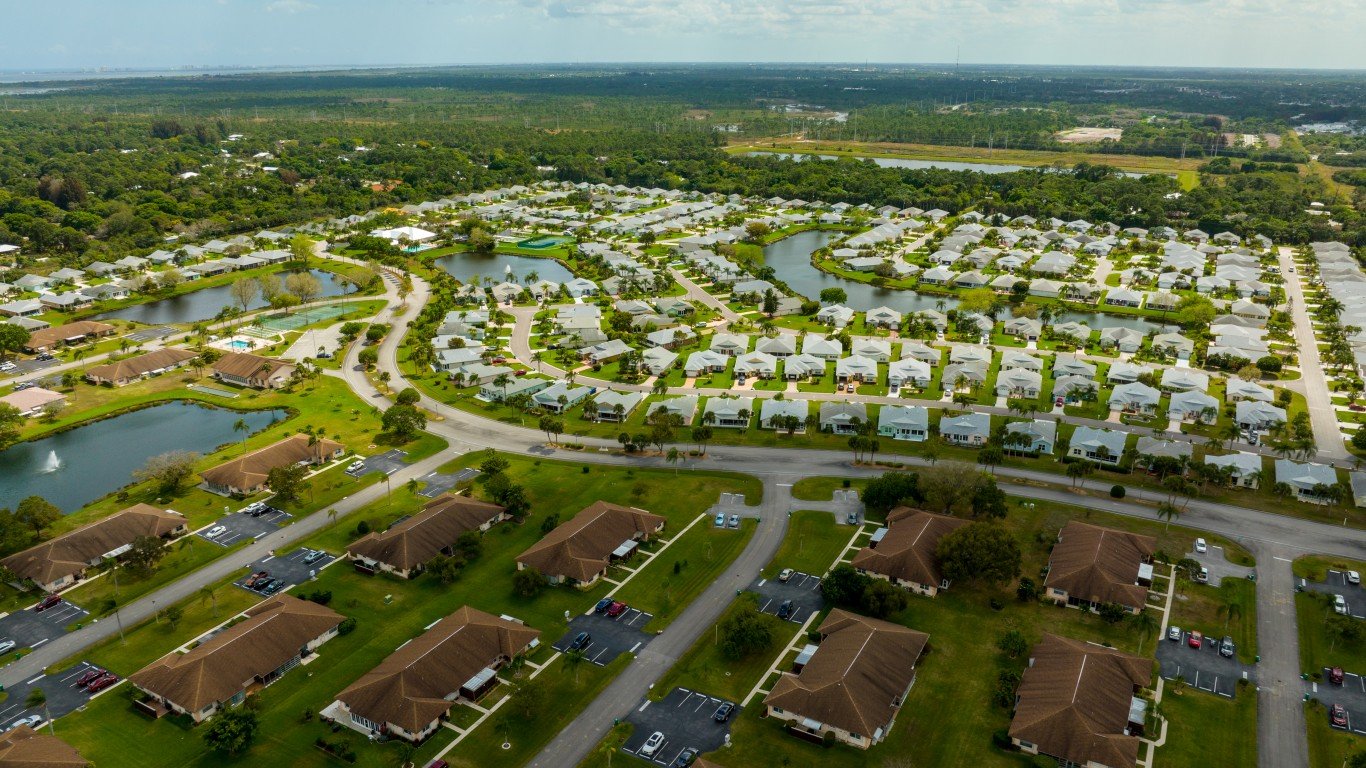
Every Golfer Wants to Retire on the Course. Few Actually Run the Math
A private golf community retirement sounds simple until you price the part most buyers never see coming, and it has nothing to do with the house.

This post may contain links from our sponsors and affiliates, and Flywheel Publishing may receive compensation for actions taken through them.

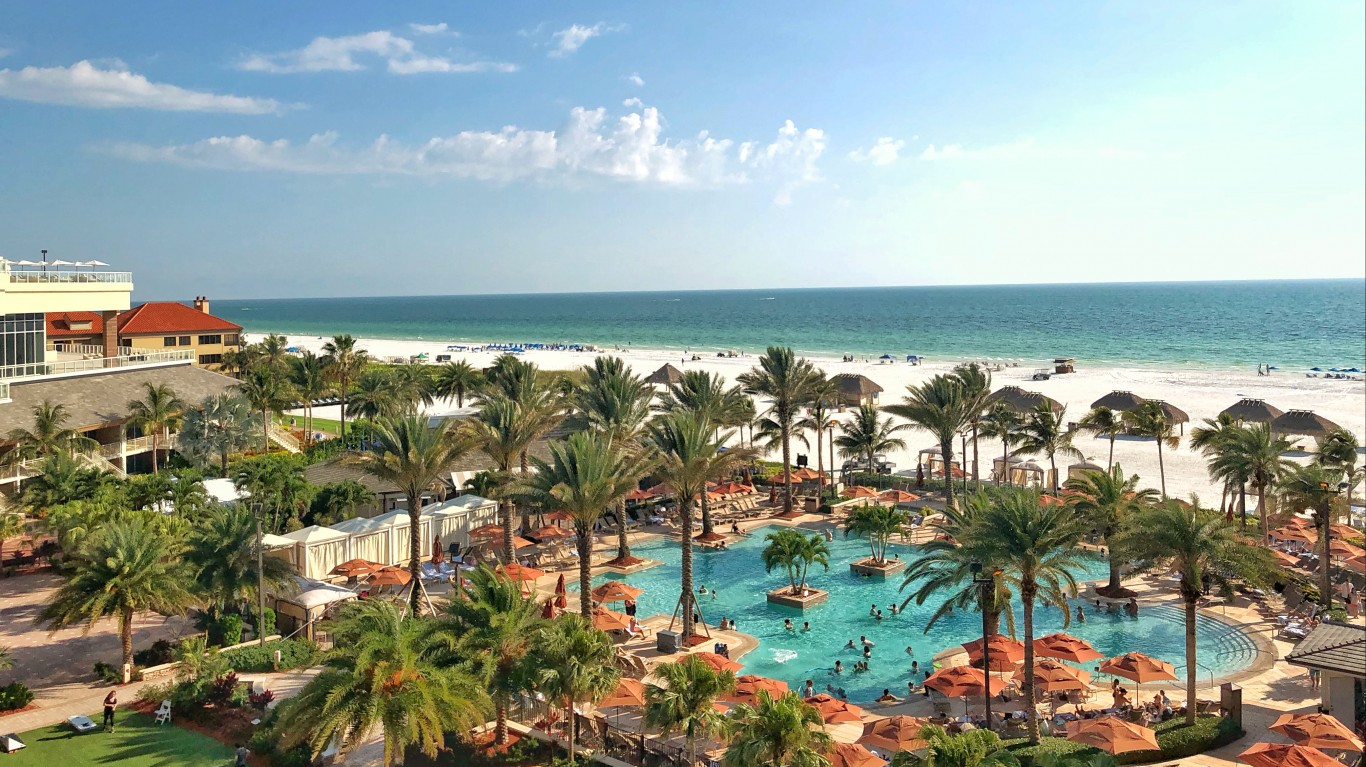
Every golfer has a daydream: wake up, coffee on the back porch, tee time at 9:15, home by 1:00, and do it again tomorrow. It ranks alongside the beach condo and mountain cabin as a common retirement fantasy. And it is one of the least stress-tested. People price the house on the golf course. They almost never price the golf.
Let us take a 62-year-old couple who want to retire into a private-club golf community, play four or five rounds a week, and stay there for thirty years. We will build the budget in current dollars, subtract what Social Security and Medicare actually cover, and then look at what has to be sitting in the portfolio on day one.
The Line Item Most Buyers Underprice
A home on the course is the sticker. The carrying cost of actually playing the course is the mortgage you never see coming. At a mid-tier private club in a Sun Belt community, expect an initiation fee of $30,000 to $75,000, monthly dues of roughly $900 to $1,500 for a full golf membership, a food and beverage minimum of $100 to $200 a month, cart fees or a trail fee for a private cart, bag storage, locker, range balls, and a capital assessment every few years when the greens get redone or the clubhouse gets a facelift. A couple with one full membership is looking at $22,000 to $30,000 a year, every year, before they hit a single ball. Add a second membership for the spouse and you can push $40,000.
That is the number that displaces everything else in the budget. If the plan does not name it, the plan does not work.
Building the Working Budget
Assume a paid-off home in a golf community in a state with cost of living near the national average, say the Carolinas or north-central Florida. Annual carrying costs in current dollars:
- Property taxes, insurance, HOA on a golf-community home: $14,000
- Home maintenance, replacement reserves, one vehicle replacement amortized: $9,000
- Utilities, internet, phones: $6,500
- Groceries and household on the USDA moderate plan for two: $12,000
- Dining, travel, gifts, personal: $12,000
- Pre-Medicare ACA coverage for two at 62 (bridge to 65): roughly $18,000 net of subsidy, then Medicare Parts B, D, and Medigap at roughly $9,500 combined once both cross 65
- Club dues, assessments, and golf carrying costs: $28,000
- Federal and state income tax on withdrawals: $9,000 to $12,000 depending on state
That lands the working budget around $118,000 a year during the ACA bridge years and closer to $110,000 once Medicare takes over. Call the planning number $115,000.
What the Portfolio Actually Has to Be
Two Social Security checks at full retirement age for a dual-earner couple land in the neighborhood of $60,000 combined a year if both claim at 67. Delay one to 70 and the household number climbs closer to $68,000. Claim both at 62 and it drops nearer $42,000.
Take the middle path, $60,000 from Social Security starting at 67, and the portfolio needs to cover the full $115,000 for the first five years, then the $55,000 gap after that. Using a 3.7% withdrawal rate appropriate to a 30-year horizon that starts before Medicare, the day-one target is roughly $1.85 million in investable assets, with about $575,000 of that earmarked for the bridge years in short-duration instruments. A Treasury ladder built out to five years currently yields 4.04% to 4.41% across the curve. This makes the bridge fundable without touching equities.
If one spouse wants a full membership too, add $12,000 a year in perpetual outflows and the target moves to roughly $2.15 million. If the club sits in a higher-cost state, add another $150,000 to $250,000.
The Assessment Nobody Budgets For
Private clubs run capital assessments. Greens get rebuilt on a 15- to 20-year cycle, cart paths get redone, clubhouses get renovated, and irrigation systems fail on their own schedule. Members get a letter with a number usually between $5,000 and $25,000, sometimes payable over 24 months. Across a 30-year retirement, plan on three of them. That is a real $30,000 to $75,000 you need sitting in reserves, separate from the withdrawal math, or you will be selling equities into a down market to keep your locker.
Dues at established private clubs have historically outpaced headline CPI by a percent or two a year because labor and turf inputs run hot. A dues line that starts at $18,000 can be $32,000 fifteen years in, and your Social Security COLA will not keep up.
What It Actually Takes
Retiring on the course is a roughly $1.85 million to $2.2 million portfolio problem for a couple at 62 with a paid-off house, one full golf membership, a Treasury-laddered ACA bridge to 65, both Social Security checks claimed at 67, and a 3.7% withdrawal rate. Build in a dedicated $50,000 reserve for capital assessments and assume dues will grow faster than your COLA. Do that, and the tee time at 9:15 holds up for thirty years. Skip the carrying-cost math, and the house on the fairway becomes the most expensive view you have ever owned.
Contact [email protected] for any questions or corrections.
I am a long time investor and student of business, and believe finding good companies that can become great investments is the best game on earth. After 20 years of writing and researching the public markets it is clear that individuals have never had more tools and information to take control of their financial lives. From ETFs and $0 commissions to cryptos and prediction markets there has never been a greater democratization of access to investing.
I write to help people understand the investments available to them so they can make the best choice for their portfolio, whether they're starting out or looking for income in retirement.