Delaware Is Quietly Stealing Florida’s Retirees and the Tax Math Explains Why
The Florida retirement reflex runs deep, but a growing number of retirees are running the actual numbers and landing somewhere unexpected. What they find on the expense side reorders the whole conversation.

This post may contain links from our sponsors and affiliates, and Flywheel Publishing may receive compensation for actions taken through them.
The Sunshine State reflex is decades old. Around age 58, a couple starts pricing Sarasota or The Villages because Florida means no state income tax. That reflex deserves a second look. A quieter argument has taken shape for Delaware, built on the arithmetic of what actually leaves a retiree’s checking account each month. This is a look at whether the default answer still holds and for whom.
Checking the Migration Story Before Repeating It
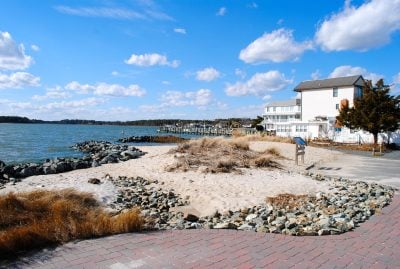
The claim that Delaware is pulling retirees from Florida is popular in real estate circles and harder to prove from public data. IRS county-to-county migration files and Census flows do not cleanly isolate a Florida-to-Delaware retiree pipeline. What is defensible: Delaware, specifically Sussex County around Lewes and Rehoboth, has been a consistent net gainer of older movers, and a rising share comes from Mid-Atlantic states that a decade ago would have booked a Naples closing. The New Jersey or Pennsylvania retiree who once assumed Florida is now running a Delaware column on the spreadsheet and often keeping it.
Tax Comparison That Actually Matters for Retirees
Delaware has no state or local sales tax. Applied to everyday purchases, that is a continuous saving on everything from appliances to restaurant meals.
Delaware does levy a state income tax at a 6.6% top bracket. What softens it for retirees: Social Security benefits are not taxed, and residents age 60 and older get a $12,500-per-person exclusion on pension and other qualifying retirement income. A married couple both over 60, drawing Social Security and pulling modestly from IRAs, can end up with a Delaware state tax bill that is closer to a rounding error than a burden (state rules are only half the picture, since federal rules on required withdrawals and bracket creep do their own damage, which we mapped in a free guide to the tax traps retirees hit).
Property taxes offer another structural advantage. The Tax Foundation’s 2025 State Tax Competitiveness Index ranks Delaware first in the country on the property tax component and second on sales tax. Delaware also offers a senior school property tax credit for qualifying residents. Florida has no state income tax, and its weighted state and local tax burden per capita comes in at $5,110, one of the five lowest in the country. Delaware’s comparable figure is $8,130. On paper, Florida wins the headline.
Florida’s Hidden Offset Nobody Puts on the Brochure
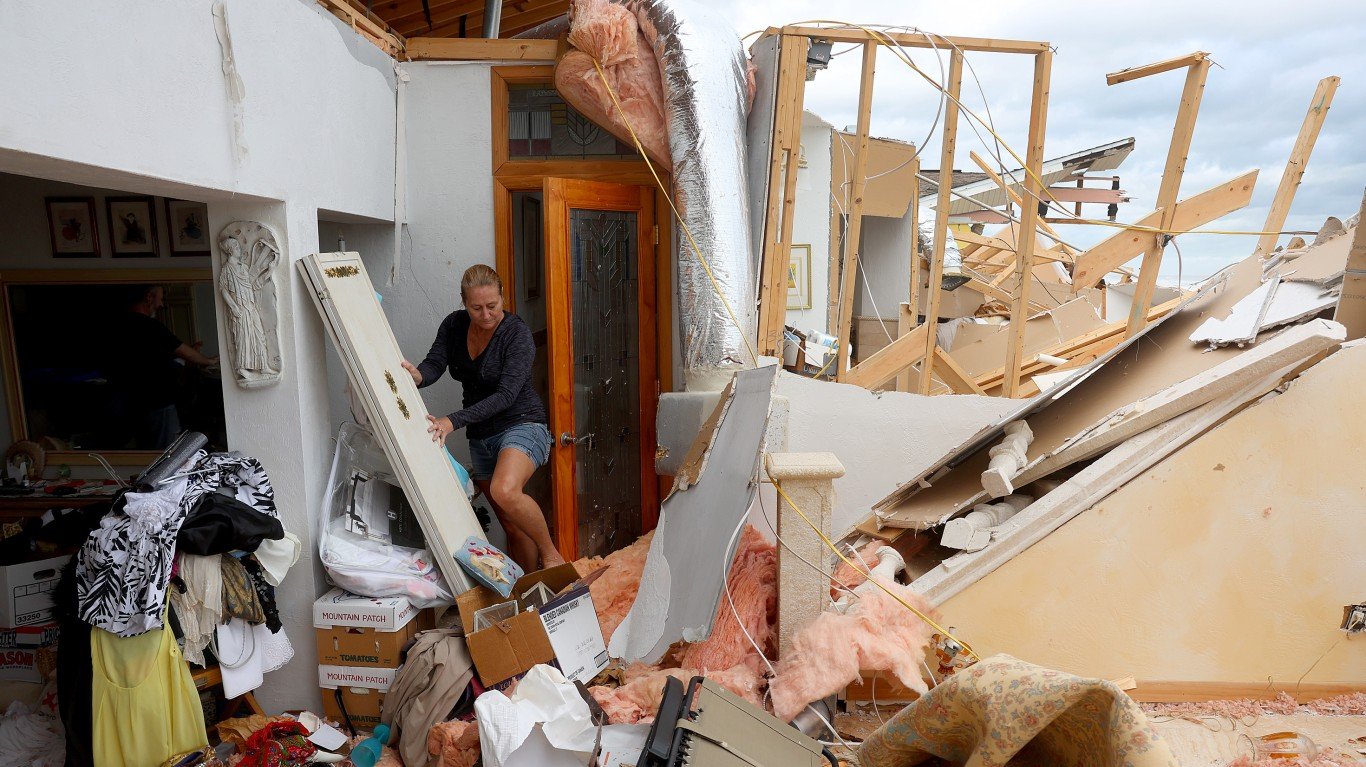
Homeowners insurance is the big offset. Florida premiums have skyrocketed after recent hurricane seasons, private carriers have pulled back from coastal counties, and the state’s Citizens property insurance pool has absorbed policies at rates that would have seemed absurd in 2015. Flood insurance through NFIP has also been repriced under Risk Rating 2.0, hitting older policies the hardest. Condo owners along the coast are facing special assessments triggered by structural inspections and reserve requirements passed after Surfside, and those bills routinely land as five- or six-figure surprises that were never on anyone’s pre-move budget.
Delaware tells a calmer story. The BEA’s 2024 regional price parity puts Delaware’s cost of living at 99.8, below Florida’s 103.4. Housing near the Delaware beaches is not cheap, but the recurring carrying costs for insurance, taxes, and assessments tend to run below what you would pay for a comparable coastal Florida property. For a retiree with modest taxable income, the state income tax savings from choosing Florida can easily be smaller than the annual insurance premium required to live there. Once that inequality flips, the ranking flips right along with it.
What Delaware Costs You in Return
Winters in Delaware are a real trade-off, since February in Milton is not February in Fort Myers. The retiree infrastructure is thinner: fewer active adult communities, a smaller ecosystem of pickleball leagues and 55+ social clubs, and healthcare concentrated in the Wilmington and Christiana corridor. South of the canal, specialist care often means a drive to Philadelphia or Baltimore. Proximity to grandchildren in the Northeast is the flip side, and for many movers, that is the whole point.
Verdict: Who Each State Actually Suits
Contact [email protected] for any questions or corrections.
David Beren has been a Flywheel Publishing contributor since 2022. Writing for 24/7 Wall St. since 2023, David loves to write about topics of all shapes and sizes. As a technology expert, David focuses heavily on consumer electronics brands, automobiles, and general technology. He has previously written for LifeWire, formerly About.com. As a part-time freelance writer, David’s “day job” has been working on and leading social media for multiple Fortune 100 brands. David loves the flexibility of this field and its ability to reach customers exactly where they like to spend their time. Additionally, David previously published his own blog, TmoNews.com, which reached 3 million readers in its first year. In addition to freelance and social media work, David loves to spend time with his family and children and relive the glory days of video game consoles by playing any retro game console he can get his hands on.