Their Solar Panels Were Never Installed. The Loan Payments Came Anyway.
Homeowners across the country signed up for solar panels, watched installers disappear, and then received a payment notice anyway. The loan servicer has a simple answer for why the bills keep coming, and most borrowers have no idea how to…

This post may contain links from our sponsors and affiliates, and Flywheel Publishing may receive compensation for actions taken through them.

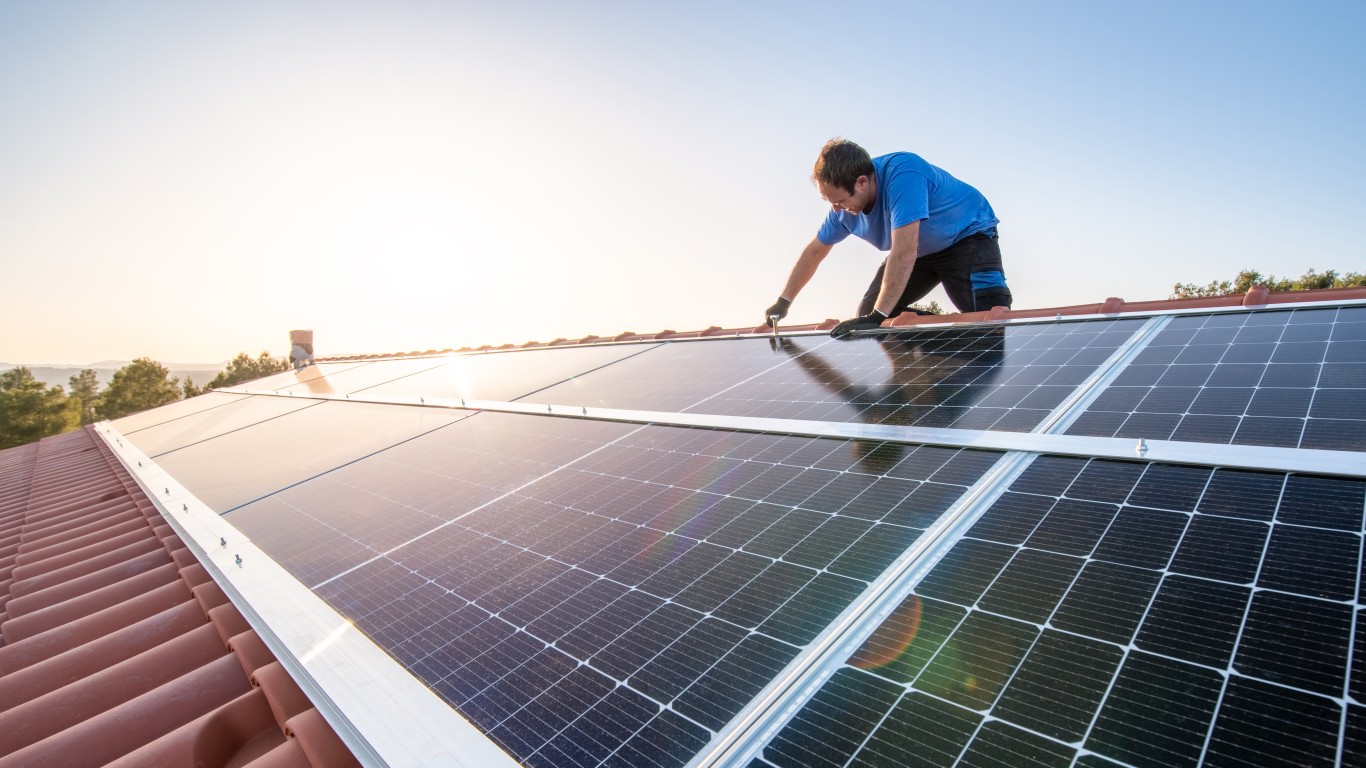
Picture a homeowner in a paid-off ranch house who signed a contract for rooftop solar because a door-to-door salesperson promised the panels would cut the electric bill in half. The financing paperwork was quick. The installation was not. Months later, the panels are on the roof but not producing power, or the racking never went up at all, or the installer’s phone number rings to a voicemail that is full. The one thing working perfectly is the automatic debit from the checking account. The loan servicer is a different company than the installer, and it wants its money on the first of every month.
The pattern is common. In its most recent annual complaint report, published in March, the Consumer Financial Protection Bureau flagged a specific pattern in the roughly 6.6 million complaints it received in 2025: borrowers described merchants who did not complete the installation of their solar panels, panels that were not operating as expected, or solar companies that went out of business, but were still expected to pay the loan.
Why the Payments Keep Coming
The structure sets the trap. The installer sells the system. A separate finance company writes the loan and pays the installer up front. Once that check clears, the installer has been made whole whether the panels ever produce a kilowatt or not. The homeowner’s contract is with the lender, not the installer. When the roof stays dark, the lender’s position is straightforward. According to the CFPB, companies typically responded that they investigated the merchant dispute and “typically found that the merchant followed its policies or the consumer failed to provide requested information and, therefore, they were still responsible for the payments.” Occasionally a transaction is reversed and refunded. Usually it is not.
Why a Dead Panel Is a Real Threat
For a household with a cushion, a disputed solar loan is a legal headache. For a household without one, it is a slow-motion emergency. The FINRA Foundation’s most recent National Financial Capability Study found that 63% of adults with household income under $25,000 probably or certainly could not come up with $2,000 for an unexpected expense, versus 15% of those earning $75,000 or more. Only 46% of U.S. adults have set aside three months of living expenses, down from 53% in 2021. Among people who would struggle to raise $2,000, 48% would borrow from family or friends, 39% would sell something they own, and 28% would take out a loan.
Layer that on top of an average credit card interest rate of 20.94% and a University of Michigan consumer sentiment reading of 49.5 in June, and the picture sharpens. A monthly draft for panels that do not work becomes a real financial hit. It pushes a fragile household onto a credit card at 20% interest, then onto a family loan, then into arrears on something else.
What a Homeowner in This Spot Can Actually Do
- Put the dispute in writing to the lender, not just the installer, and keep every photo, timestamp, and unanswered voicemail.
- File a complaint with the CFPB, which routes it to the servicer and requires a written response.
- Contact the state attorney general’s consumer protection unit. Several states have already sued solar installers for deceptive practices.
Broader household credit stress has not yet broken. The credit card delinquency rate sits at 2.92%, still in the normalizing range. But the aggregate hides the individual. Somewhere a retiree is writing a check this week for a rooftop that produces nothing. The signal to watch is whether the CFPB’s next report shows the solar dispute category growing again, and whether any lender starts pausing payments while installations are verified. Until one does, the roof stays dark and the debit keeps hitting.
Contact [email protected] for any questions or corrections.
Don Lair writes about options income, dividend strategy, and the kind of boring-but-durable investing that actually funds retirement. He's the founder of FITools.com, an independent contributor to 24/7 Wall St., and a former writer for The Motley Fool.