Buy Now Pay Later Isn’t Free Money, It’s Costing You 8-10% in Hidden Fees
George Kamel, the Ramsey Solutions personality, recently spent 23 minutes on YouTube dismantling the Buy Now Pay Later pitch. His core claim: BNPL companies charge merchants 8% to 10% in processing fees, double or triple the 2% to 4% typical…

This post may contain links from our sponsors and affiliates, and Flywheel Publishing may receive compensation for actions taken through them.

George Kamel, the Ramsey Solutions personality, recently spent 23 minutes on YouTube dismantling the Buy Now Pay Later pitch. His core claim: BNPL companies charge merchants 8% to 10% in processing fees, double or triple the 2% to 4% typical card processors charge. Merchants bake that cost into shelf prices, which means everyone shopping at a BNPL-accepting store pays more, whether they split the payment or not.
Kamel calls the pattern “death by a thousand cuts”: shoppers tell themselves “it’s only $10, right?” while quietly stacking 90 payments that total $900. The stakes are simple, but if you treat a four-payment plan as free money, you will spend more, owe more, and lose the price signal that tells you whether you can actually afford the thing in your cart.
The verdict: Kamel is right, and the math is hiding in the sticker price
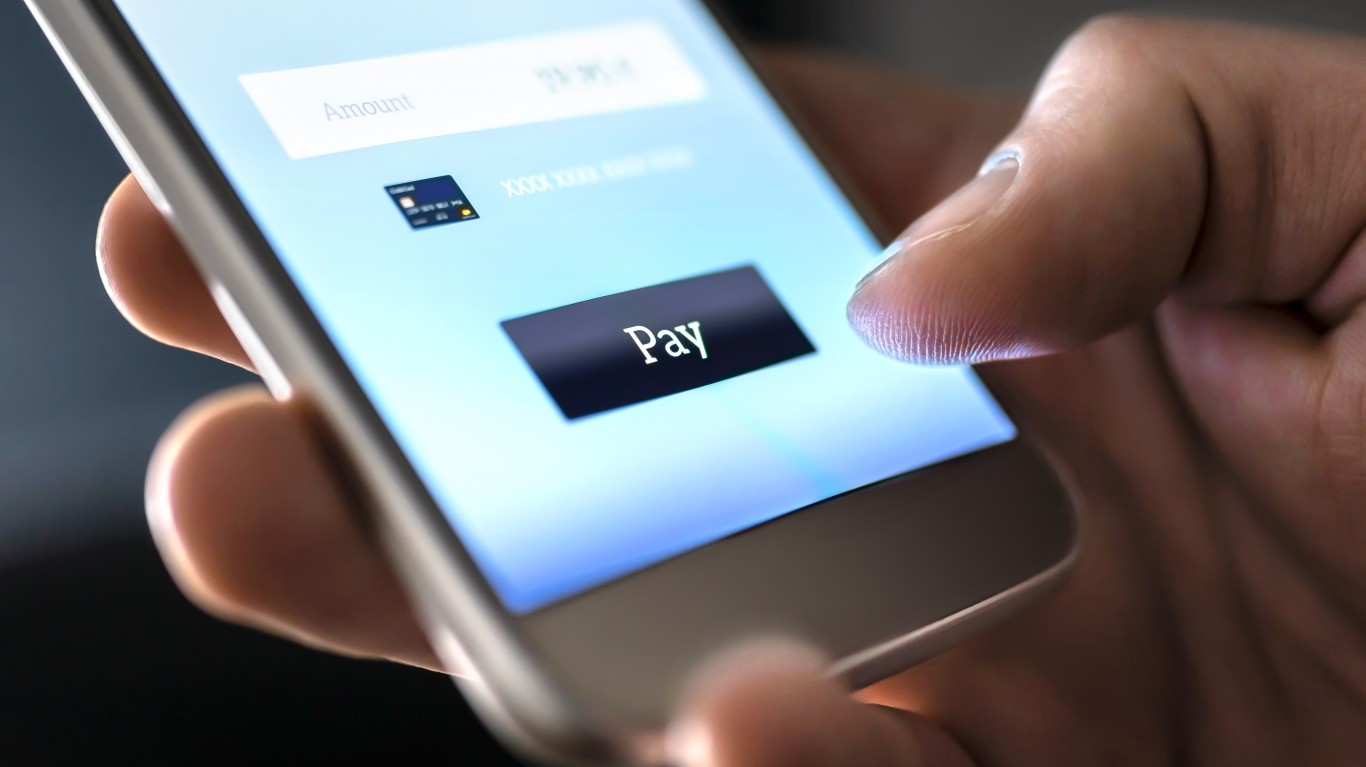
The advice holds up. A pay-in-four loan is completely interest-free to you as the shopper, but the provider still has to make money. They charge the store a merchant fee instead, and that cost eventually trickles right back down into the price tag.
Let us look at how this plays out in real life. If you buy a $400 pair of running shoes and split it into four $100 payments, the retailer pays roughly 9% to the BNPL provider, which steals about $36 from that transaction. Contrast that with a standard credit card swipe, where the processing fee is closer to 3%, or just $12. Because the store loses $24 more on the BNPL sale, they have to protect their margins. Retailers cover this gap by raising retail prices, scaling back promotions, or cutting out seasonal sales entirely. The cost lands on every single customer who walks through the door, even the ones paying with cash.
This has scaled into a massive macroeconomic trend. The CFPB tracks pay-in-four borrowing closely and reports that the average loan size sits right at $135 over six weeks. Their landmark Making Ends Meet survey revealed that roughly 17% of consumers with a credit file used BNPL at least once in the prior year. Now that pay-in-four options are standard checkout features for clothing, tech, groceries, and concert tickets, that heavy merchant fee structure is quietly baked into almost every major category that households buy from.
The behavioral half of Kamel’s argument is where the real damage shows up. The CFPB found that 69% of BNPL borrowers were revolving on at least one credit card at the time of the survey, and BNPL borrowers were 11 percentage points more likely than non-BNPL borrowers to have a delinquency of at least 30 days on their credit record. People are layering BNPL on top of existing debt.
The variable that flips the math
The single factor that determines whether BNPL hurts you is whether you would have bought the item at full price today without the payment plan.
Look at scenario one: You were already completely prepared to buy those $400 shoes with cash this week. Using a pay-in-four plan costs you nothing directly, but you are still stuck paying the embedded markup that the retailer baked into the sticker price to cover their platform fees. It is a mild loss.
Now look at scenario two: You definitely would not have dropped $400 on shoes, but that clever framing of four simple payments of $100 made it feel like a minor $100 decision. You ended up spending $400 that you otherwise would have kept in your bank account, and a big chunk of that cash went toward the markup retailers added to cover the cost of the financing.
In other words, you essentially financed your own price hike. To make matters worse, if you fall behind and miss a payment, CFPB data shows you are statistically likely to already be carrying a revolving credit card balance. Thanks to the recent interest rate environment, those credit card balances are trapping consumers at a brutal average interest rate of 25.2% elsewhere.
What to actually do
Treat BNPL as a pricing signal, not a payment tool. Three concrete steps:
- Before you click “pay in four,” check whether you can pay the full price in cash today without touching savings earmarked for bills, rent, or an emergency fund. If the answer is no, the price is wrong for you, regardless of how the installments are sliced.
- List every active BNPL plan you have open right now. Add the remaining payments. If that number surprises you, that is the “death by a thousand cuts” effect Kamel is describing, and it belongs at the top of your debt payoff list alongside any revolving balances.
- For larger purchases, compare the BNPL-listed price against retailers that do not heavily promote pay-in-four. The price gap is often the merchant fee in plain sight.
BNPL carries a hidden markup you pay at the register and a behavioral nudge that gets you to spend more than you planned. Kamel’s framing is blunt, and the data backs him up.
Contact [email protected] for any questions or corrections.
David Beren has been a Flywheel Publishing contributor since 2022. Writing for 24/7 Wall St. since 2023, David loves to write about topics of all shapes and sizes. As a technology expert, David focuses heavily on consumer electronics brands, automobiles, and general technology. He has previously written for LifeWire, formerly About.com. As a part-time freelance writer, David’s “day job” has been working on and leading social media for multiple Fortune 100 brands. David loves the flexibility of this field and its ability to reach customers exactly where they like to spend their time. Additionally, David previously published his own blog, TmoNews.com, which reached 3 million readers in its first year. In addition to freelance and social media work, David loves to spend time with his family and children and relive the glory days of video game consoles by playing any retro game console he can get his hands on.