201 Billionaires Now Own Sports Teams, and It’s No Longer Just a Trophy
Billionaires have been buying sports teams for decades, but something in the ownership calculus quietly shifted, and the leagues, clubs, and fans who thought they understood the game are now operating under a different set of rules.

This post may contain links from our sponsors and affiliates, and Flywheel Publishing may receive compensation for actions taken through them.

The Altrata Billionaire Census 2026, published in August 2026 and reporting on the billionaire class as of calendar year 2025, puts a hard number on a story that has been building for a decade: 201 billionaires held a direct stake in a sports team or franchise. Set against a global billionaire population of 3,795 in 2025, that is a small but rapidly consequential slice of the world’s richest people writing checks into leagues, clubs and franchises, according to Altrata.
What the 201 Figure Actually Counts
The census is specific about the definition, and the definition matters. Altrata counts billionaires with a direct stake in a sports team or franchise, where a stake can be a controlling or minority share, or via a consortium. Stakes that have since been sold are excluded. That framing bundles very different kinds of ownership into a single count. A sole controlling owner of an NFL franchise sits in the same 201 as a billionaire holding a small minority interest inside a syndicate deal. The report measures the number of ultra-wealthy individuals who have a live, unsold ownership interest of any size in a professional team, regardless of voting power or economic control.
That distinction is where most casual reads of the number go wrong. A minority stake inside a consortium and outright team control are counted identically here.
Trend Line: From Trophy to Strategic Position
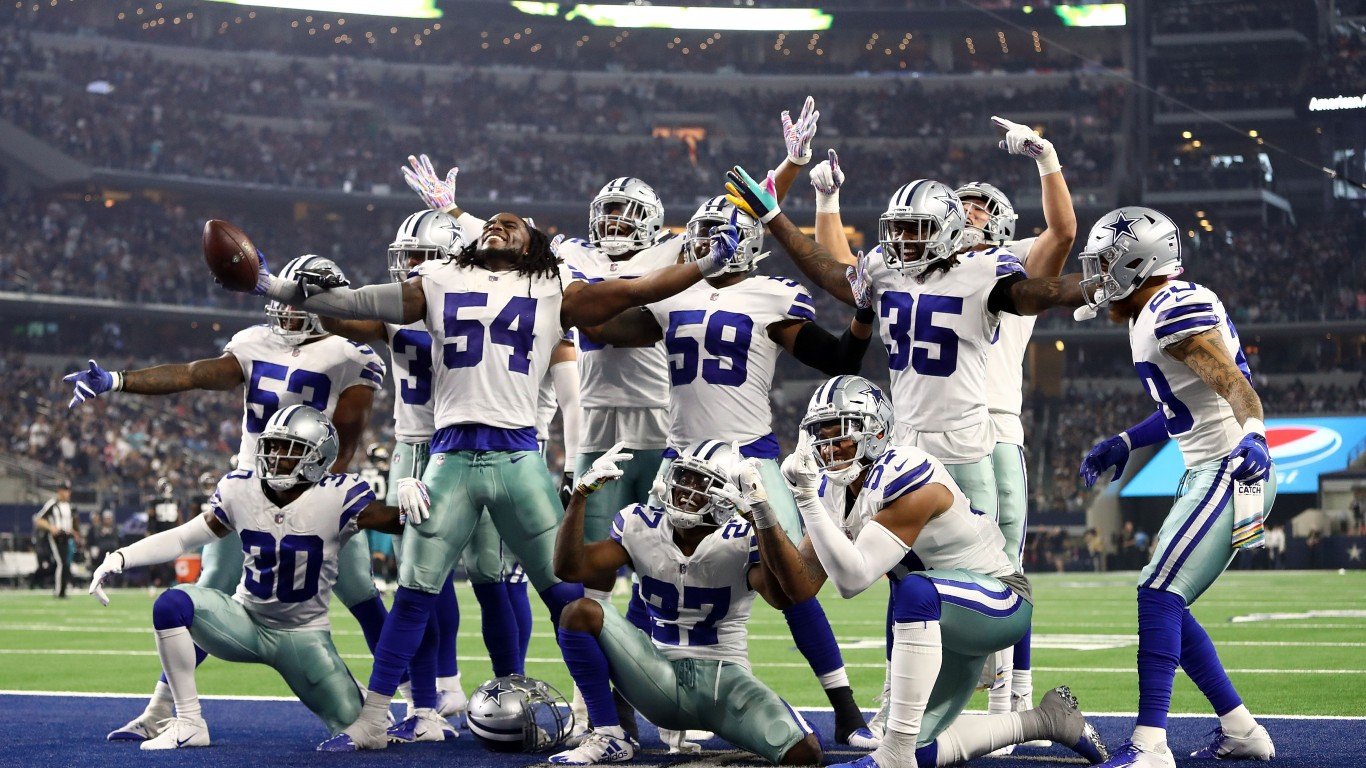
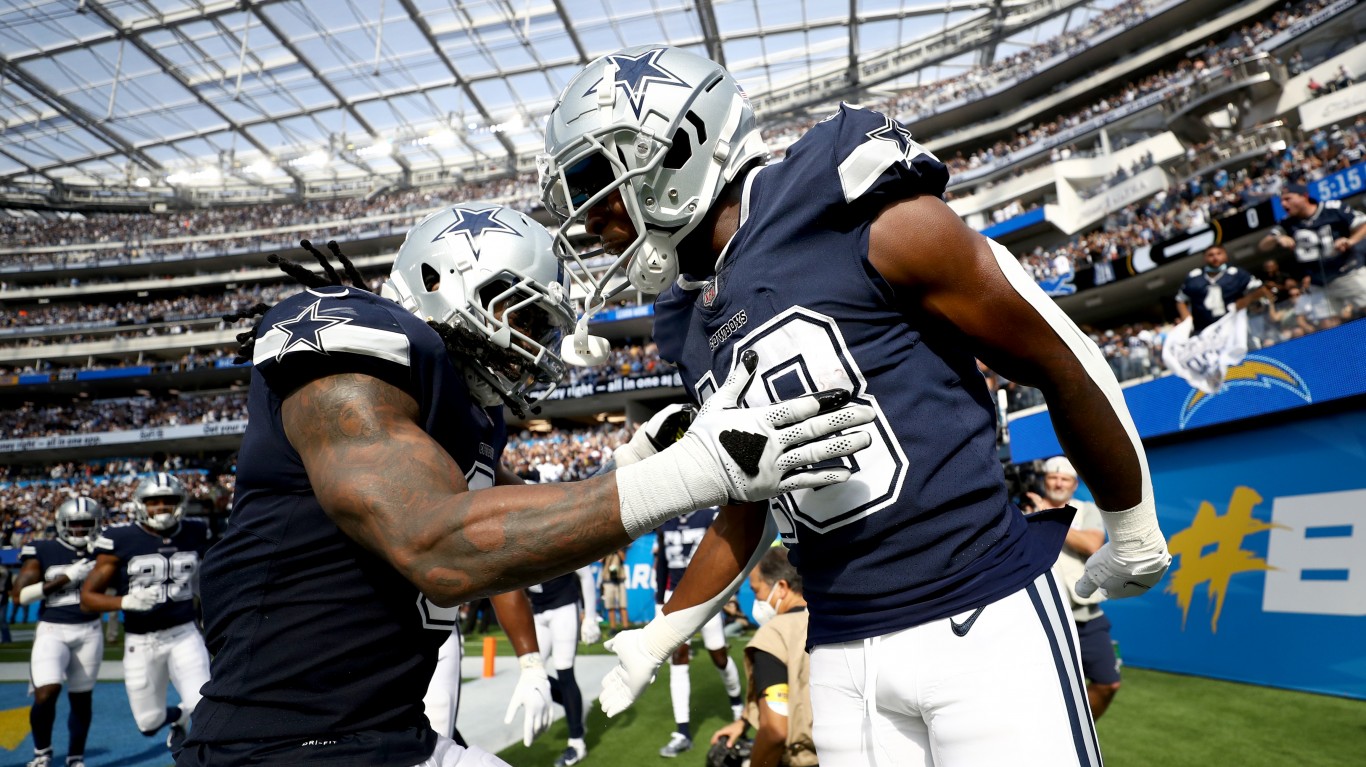
The census frames the shift plainly. Older ownership stories were passion buys: Jerry Jones acquiring the Dallas Cowboys in 1989, Robert Kraft purchasing the New England Patriots in 1994, Steve Ballmer acquiring the Los Angeles Clippers in 2014, Malcolm Glazer buying Manchester United in 2005 (with Sir Jim Ratcliffe acquiring a 27.7% stake in 2024), John Henry’s Fenway Sports Group acquiring Liverpool in 2010, and Stan Kroenke becoming majority owner of the Rams in 2010 and Arsenal in 2011. The newer wave reads differently. Altrata describes a continuing shift from passion-driven engagement to a more investment-led portfolio allocation, driven by expanding sports media rights, streaming platforms, sports betting and sponsorship revenue, and the increased monetization potential of global fan bases.
Cricket is the clearest new front. Mukesh Ambani’s Reliance Industries acquired the Mumbai franchise at the Indian Premier League’s launch in 2008, and Lakshmi Mittal’s family has since agreed to a majority stake in the Rajasthan Royals in a partnership deal, subject to regulatory approval. Then, in August 2026, Amazon (NASDAQ:AMZN | AMZN Price Prediction) founder Jeff Bezos was part of a consortium of prominent billionaires, including Lakshmi Mittal, that acquired a large minority stake, per the same census.
Scale the intent against the balance sheet, though. Altrata says the defined category of real estate and luxury assets, which includes direct sports team ownership, accounts for under 2% of a typical billionaire’s total wealth holdings. Direct sports ownership sits inside that already thin slice. The shift in strategic intent is real, even as the report shows only a modest allocation of billionaire capital into sports.
Why Investors Outside the Tier Should Care
Rising franchise valuations are the mechanism. As billionaires signal that teams are portfolio assets rather than trophies, institutional capital and private equity sponsors have followed them in, expanding the buyer pool and repricing minority stakes. For fans, that changes what a club optimizes for: media distribution, betting integrations and international fan monetization become the levers, because those are what an investment-led owner underwrites. For leagues, it changes governance, because consortium structures scatter economic interest across many holders who are counted individually in Altrata’s 201 but who negotiate collectively.
For public-market investors, the read-through is narrower and cleaner: the same revenue streams pulling billionaires into franchises, media rights, streaming, sponsorship and regulated betting, are the streams that show up in listed sports, media and gaming equities.
The 201 figure is a snapshot of 2025, not a live tally, according to Altrata. Read it as a threshold crossed. Sports ownership at the top of the wealth pyramid is being underwritten as an investment, and the money following the billionaires in is what will set valuations from here.
Contact [email protected] for any questions or corrections.
Joel South covers large-cap stocks, dividend investing, and major market trends, with a focus on earnings analysis, valuation, and turning complex data into actionable insights for investors.
He brings more than 15 years of experience as an investor and financial journalist, including 12 years at The Motley Fool, where he served as an investment analyst, Bureau Chief, and later led the Fool.com investing news desk. He has also co-hosted an investing podcast and appeared across TV and radio discussing market trends.