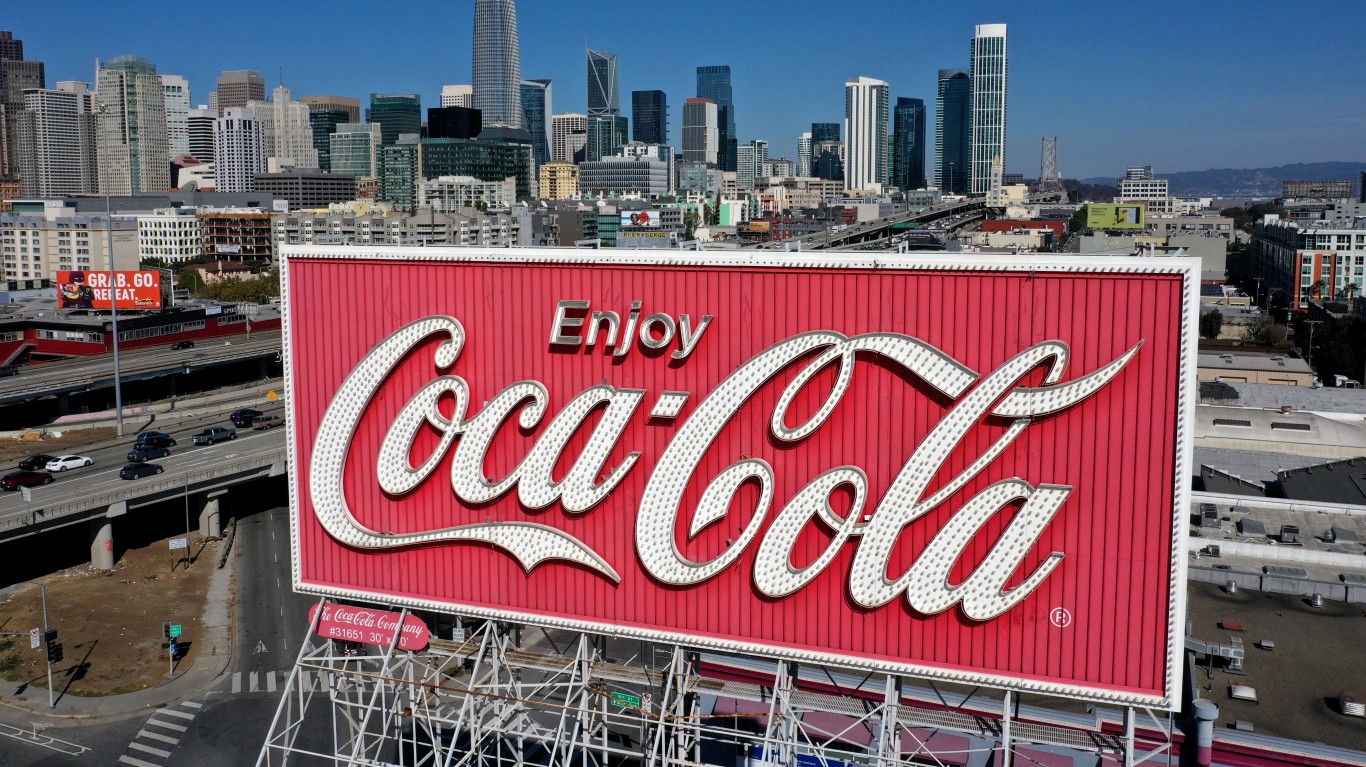
A 67-Year-Old Retiree Just Watched Coca-Cola Raise Its Dividend for the 64th Year in a Row. Here Is What That Payout Is Really Worth Today.
Coca-Cola just handed retirees their 64th consecutive dividend raise, but the share price surge this year quietly undercut part of that win. Whether this checks out as a buy, hold, or trim depends entirely on which side of the trade…

This post may contain links from our sponsors and affiliates, and Flywheel Publishing may receive compensation for actions taken through them.

If you own Coca-Cola (NYSE:KO | KO Price Prediction) for the income, the date that matters this week is September 15, 2026. That is the next ex-dividend cutoff, and it is the last chance to be on the books for the current payout at the newly raised rate. For a 67-year-old drawing supplemental income from a dividend stock, this is the kind of housekeeping date that quietly determines whether a check lands in October or not.
Coca-Cola declared the higher rate back on February 19, 2026, lifting the quarterly dividend from $0.51 to $0.53 per share. That works out to a forward annual payout of $2.12. It also extended one of the longest income streaks on the U.S. market: 63 consecutive years of dividend increases as of 2025, now 64 with this year’s raise.

Why the Raise Feels Smaller Than It Looks
Here is the part that trips up retirees comparing statements from January to September. The payout went up, but the yield on new money went down, because the share price ran hard. Coca-Cola started the year at $69 and now trades near $88, a year-to-date gain of about 28%. Over one year the stock is up nearly 33%.
The current dividend yield sits around 2.3%. A buyer in January was locking in a materially higher yield on cost than a buyer today, even though the dollar payout is the same $2.12 either way. Two things are true at the same time. The company gave you a raise. The market took back part of the income appeal by bidding the shares up.
What Really Backs the Check
A 2.3% yield is only useful if you trust it will keep growing. On that score, the coverage picture is comfortable. Coca-Cola paid $8.8 billion in dividends during 2025 against net income of $13.1 billion. Management guided to full-year 2026 free cash flow of roughly $12.4 billion, and the CFO flagged that “Our balance sheet remains strong with our net debt leverage of 1.4 times EBITDA, which is below our target range of 2 to 2.5 times.” Volume grew 5% in Q2, and comparable EPS is guided to 9% to 10% growth for the year.

Translation for a retiree: the dividend is well protected. Coverage is deep, cash generation is expanding, and the balance sheet has room. The BODYARMOR trademark impairment and the ongoing IRS tax case are real, but neither threatens the payout.
New Money Versus Old Money
This is where the article earns its keep. The right move depends on which side of the trade you are on.
If you already own the shares: keep collecting. Your yield on cost is whatever it is, the payout just rose, and the tax treatment on qualified dividends stays favorable. For a retiree in the 12% or 22% federal bracket, qualified dividends generally get taxed at 0% or 15%, which is why holding a Dividend King in a taxable account has always been friendlier than pulling the same dollars from a traditional IRA.
If you are deploying new retirement cash today: understand you are buying a 26x earnings consumer staple at a 2.3% yield, with an analyst target of $95 that leaves modest room from here. Broad dividend ETFs currently offer higher starting yields with none of the single-stock concentration risk. At 67, with a portfolio you are meant to live on, one beverage company should not be the whole income engine no matter how long the streak.

Two Things to Do This Month
- Confirm your position size. If Coca-Cola is more than roughly 5% of your income-generating assets, the streak is doing you a disservice by encouraging concentration. Positions above that threshold leave a retirement income plan hostage to one beverage company’s execution.
- Mind the ex-dividend date. To collect the October payment at the raised $0.53 rate, you need to own the shares before September 15, 2026. Selling on or after that date still gets you the check.
The common mistake here is treating a 64-year raise streak as a reason to add more at any price. The streak is a quality signal about durability, and it says nothing about the price you pay today. A position sized to enjoy the raises works; a position large enough to dominate a retirement income plan concentrates too much of the outcome in one beverage company.
Contact [email protected] for any questions or corrections.
Joel South covers large-cap stocks, dividend investing, and major market trends, with a focus on earnings analysis, valuation, and turning complex data into actionable insights for investors.
He brings more than 15 years of experience as an investor and financial journalist, including 12 years at The Motley Fool, where he served as an investment analyst, Bureau Chief, and later led the Fool.com investing news desk. He has also co-hosted an investing podcast and appeared across TV and radio discussing market trends.