The Same Cow Brought Him $90,000 in Milk and $40,000 at Auction. Social Security Counted Only One.
A dairy farmer collecting Social Security can pull in money from the same herd two completely different ways, and the government treats each check by its own rules. Which pile ends up affecting his benefits might not be the one…

This post may contain links from our sponsors and affiliates, and Flywheel Publishing may receive compensation for actions taken through them.
Two Checks From the Same Barn
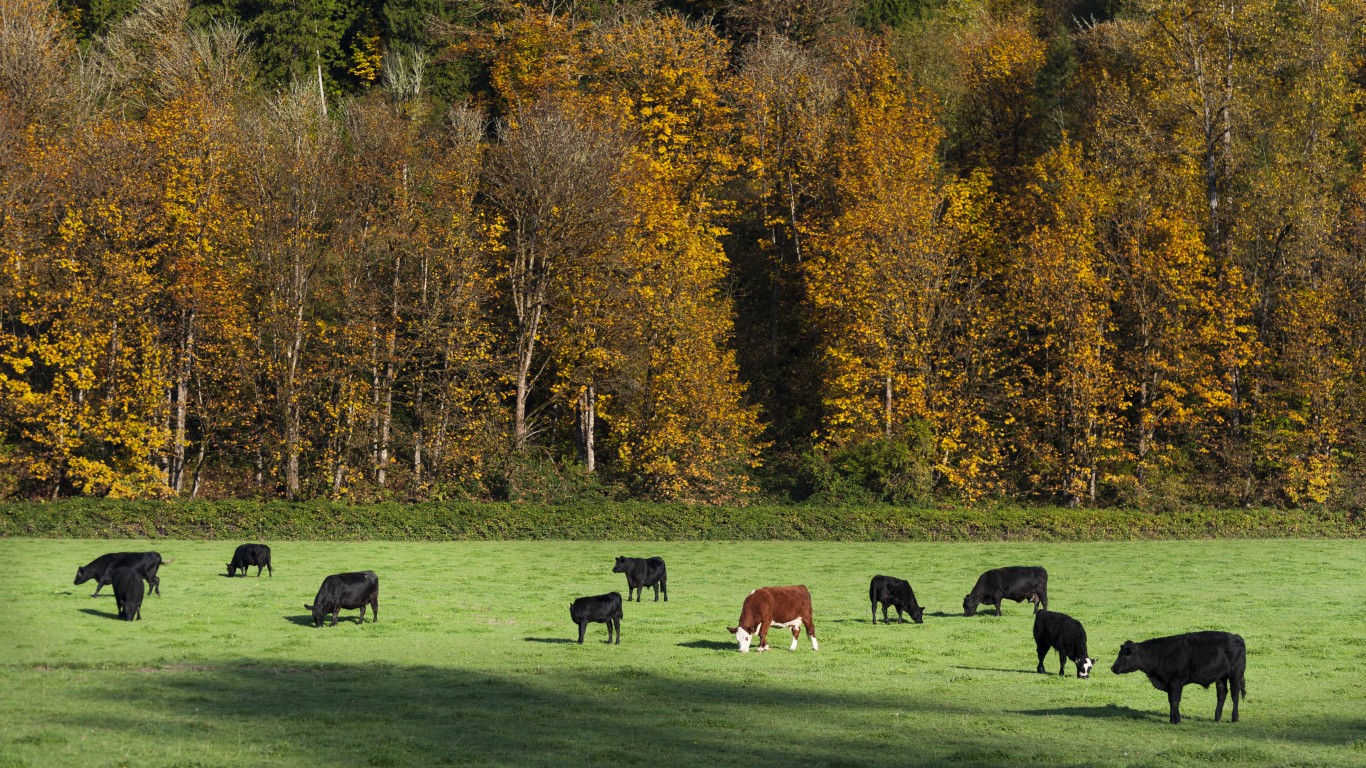
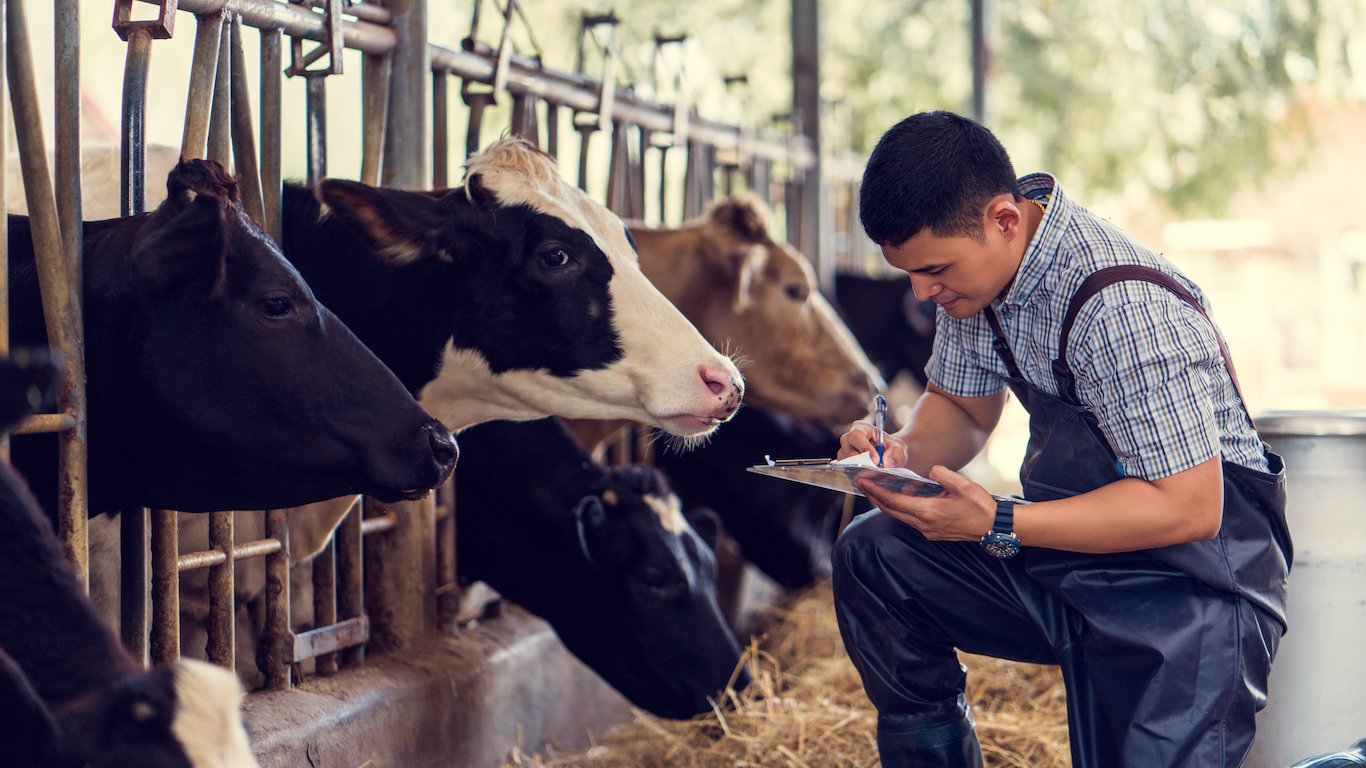
A dairy farmer spends years milking the same herd. In one season, milk checks bring in roughly $90,000. Later, he sells several longtime production cows at auction and collects another $40,000. Both piles of money came out of the same barn. Social Security can treat them very differently.
The milk belongs to the operating farm business. After expenses, that profit becomes net earnings from self-employment and can build his Social Security record. The gain from selling cows held for dairy production generally does not. For a farmer already collecting benefits before full retirement age (FRA), that distinction can determine whether Social Security withholds part of his check.
The Milk Is Farm Earnings
Milk sales generally flow through Schedule F along with the farm’s expenses. What ultimately matters to Social Security is the resulting net self-employment income, not the gross amount deposited by the milk processor. Those covered earnings do two jobs. They can strengthen the farmer’s Social Security record, which is built from his highest 35 years of indexed earnings. And before FRA, they can count under the retirement earnings test.
In 2026, someone under FRA for the entire year can earn $24,480 before Social Security begins withholding $1 in benefits for every $2 above the limit. Suppose the dairy operation produces $50,000 of net self-employment earnings after expenses. That puts him $25,520 above the 2026 limit and could cause $12,760 of benefits to be withheld. Then the auctioneer sells the dairy cows. That money takes another route.
The Auction Check Is Different
The IRS specifically excludes gains and losses from livestock held for dairy, breeding, draft or sporting purposes from net earnings from self-employment, provided the animals were not held primarily for sale. So if these cows spent years in the milking herd, a taxable gain on their eventual sale generally does not become self-employment earnings.
That means the auction gain ordinarily does not add to the farmer’s Social Security earnings record or count under the retirement earnings test. The tax return can still be more complicated. Dairy cows are business property, and depreciation taken over the years can affect both adjusted basis and the tax character of the gain when they are sold. But that complexity does not turn the auction proceeds into farm self-employment income. The milk came from operating the business. The cows themselves were assets used to produce it.
A Taxable Gain Can Still Reach His Benefits
Staying outside the earnings test does not mean the auction is invisible everywhere. A taxable gain from selling the dairy animals can increase the income used to determine how much of his Social Security benefits are subject to federal income tax.
So a farmer could have no additional benefits withheld under the retirement earnings test because of the cow sale and still owe more income tax on benefits for that year. That is the useful distinction: Social Security’s earnings test and the IRS calculation for taxing benefits are looking at different things.
Know Which Animals Are Producing and Which Are Inventory
Before auction day, three steps can keep the two income streams from getting mixed together:
- Keep records showing which animals were held and used for dairy production and which were raised primarily for sale.
- Have the tax preparer calculate adjusted basis and prior depreciation before estimating the taxable gain from the production animals.
- If Social Security benefits have already started before FRA, project the farm’s net self-employment earnings separately from the livestock-sale gain when estimating the earnings-test effect.
For years, the cows earned money by standing in the milking line. When they finally leave through the auction ring, Social Security stops looking at them as the source of the farm’s work income and starts treating the check for what it is: money from selling the assets that produced it.
Contact [email protected] for any questions or corrections.
Gerelyn Terzo is the author of dividend investing handbook "Dividend Investing Strategies: How to Have Your Cake & Eat It Too." A veteran financial journalist, she covers agri-finance for outlets like Global AgInvesting and the broader stock market and personal finance for 24/7 Wall Street. She began at CNBC and later helped launch Fox Business in New York. Gerelyn currently resides in Woodland Park, Colorado and dabbles in nature photography as a hobby.