The Wellness Visit Is Free. The Blood Panel Ordered With It Bills Separately, and the Vitamin D Test Isn’t a Medicare Screening at All
One blood draw, four tubes, and a free appointment can still produce a bill weeks later because the orders written during a wellness visit travel through Medicare on separate tracks with different rules. Knowing which lane each test lands in…

This post may contain links from our sponsors and affiliates, and Flywheel Publishing may receive compensation for actions taken through them.

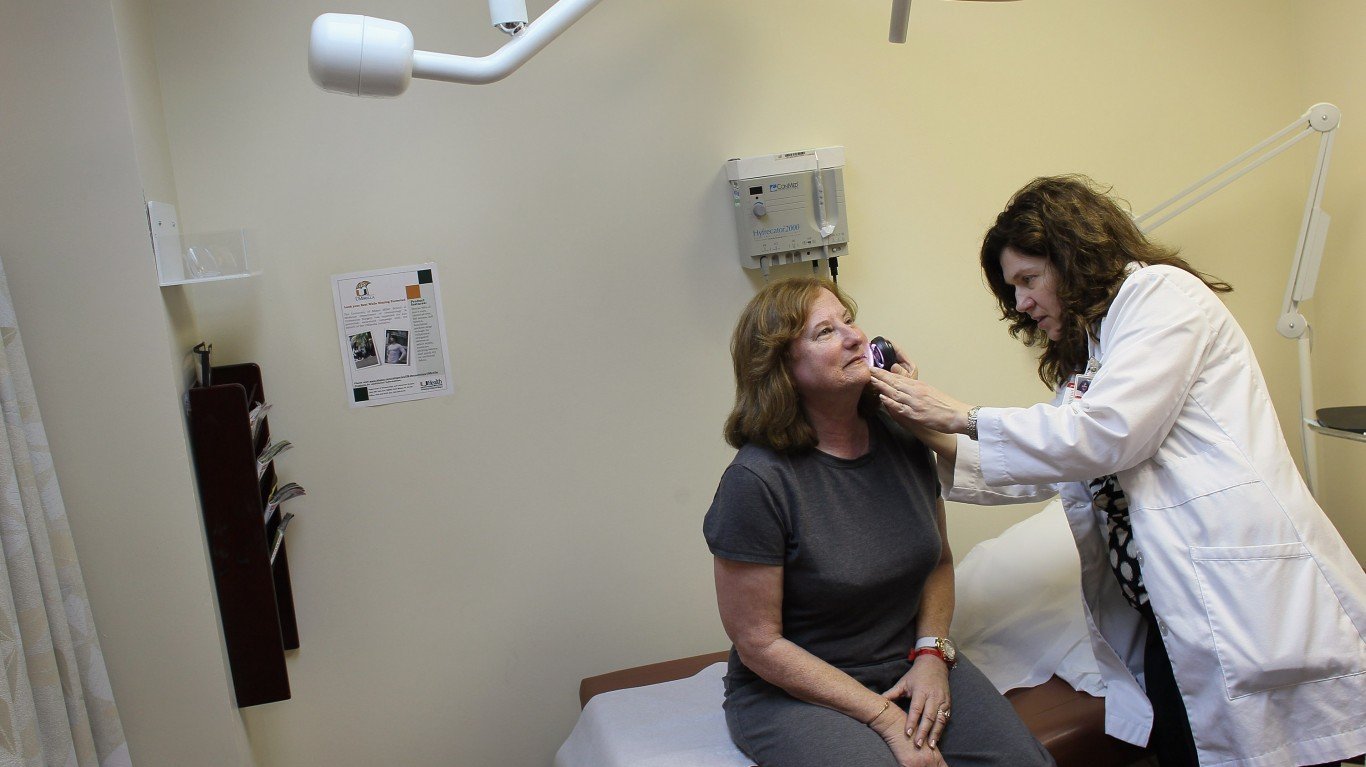
A 72-year-old walks into her Annual Wellness Visit expecting the “free” appointment her Medicare handbook promised. The doctor orders “routine blood work”: a lipid panel, a metabolic panel, a fasting glucose, and a vitamin D level. One nurse, one tourniquet, four tubes. Weeks later her Medicare Summary Notice arrives with a denied vitamin D claim and a $75 bill from the lab.
The visit was free. The orders written during were not.
This applies to anyone on Original Medicare who assumes a “wellness” appointment wraps everything ordered inside it in the same $0 coverage. Medicare Advantage plans play by their own rules, so we will stick with Original Medicare.
What “Free” Actually Covers at the Wellness Visit
The Annual Wellness Visit is a prevention-planning conversation, not a physical. When the provider accepts assignment, the beneficiary pays nothing and the Part B deductible does not apply. Medicare warns that additional tests or services performed during that encounter may follow separate coverage rules. Ordering a test during a preventive appointment does not make it preventive.
“Billed separately” is not the same as “billed to you.” Whether a separate claim costs anything depends on which of three lanes the test falls into.
One Blood Draw, Three Medicare Rules
The same tubes drawn together can travel through Medicare on three different tracks.
- Statutory preventive screening. A cardiovascular (lipid) panel is covered once every five years at $0. Diabetes screening is covered up to twice a year for at-risk beneficiaries at $0. These carry no deductible or coinsurance when frequency and eligibility rules are met.
- Medically necessary diagnostic test. A CBC, comprehensive metabolic panel, or thyroid panel ordered to work up or monitor a documented condition is billed separately from the wellness visit, but Medicare-covered clinical diagnostic laboratory tests generally carry $0 cost sharing. The patient still owes nothing.
- Routine testing with no covered indication. A test ordered simply to “check everything” with no supporting diagnosis generates a bill. Medicare denies the claim, and if the lab collected a valid Advance Beneficiary Notice first, the patient owes the stated cash price.
The vitamin D order without a diagnosis almost always lands in the third lane.
Why Vitamin D Sits Outside Prevention
Vitamin D testing (CPT 82306) sits outside Medicare’s statutory preventive-services list. It qualifies as a diagnostic test only when the medical record and billing code support a covered condition under the local Medicare Administrative Contractor’s Local Coverage Determination.
Palmetto GBA’s current vitamin D LCD, effective January 1, 2026, states that Medicare does not reimburse routine vitamin D screening in asymptomatic patients or during general encounters. Covered indications include stage III or worse chronic kidney disease, osteoporosis, osteopenia, malabsorption disorders, calcium abnormalities, and certain long-term medication use. The exact list and frequency limits depend on which contractor administers claims in a beneficiary’s region.
Vitamin D is denied when a clinician orders it as a “let’s check your levels” add-on with nothing in the chart to justify it. That is exactly how it tends to get ordered during an Annual Wellness Visit.
How the ABN Decides Who Pays
When a lab or provider expects Medicare to deny a test as not reasonable and necessary, they should hand the patient an ABN before the draw. A valid notice identifies the test, explains the likely denial reason, and estimates the out-of-pocket cost. If the patient chooses to sign the notice, financial liability could shift to her.
If Medicare denied the test as unnecessary and no ABN was offered, the physician or lab will generally cover the cost.
Five Questions to Ask Before the Needle Goes In
- Which of these tests are Medicare preventive screenings, and has the frequency limit already been used this cycle?
- Which are diagnostic, and what documented condition supports each one?
- Is vitamin D covered under my regional contractor’s LCD for my diagnosis?
- If any test is likely to be denied, where is the ABN and what is the cash price?
- Can any noncovered add-on simply be dropped from the order today?
The Annual Wellness Visit does what it says. The orders written during it carry their own rules, and one denied line item can turn a free appointment into an unwelcome invoice (surprise lab charges are one of several Medicare traps we mapped in a free guide to Medicare’s hidden bills). Read the Medicare Summary Notice line by line, and if a charge appears without an ABN behind it, dispute it before paying.
Contact [email protected] for any questions or corrections.
Gerelyn Terzo is the author of dividend investing handbook "Dividend Investing Strategies: How to Have Your Cake & Eat It Too." A veteran financial journalist, she covers agri-finance for outlets like Global AgInvesting and the broader stock market and personal finance for 24/7 Wall Street. She began at CNBC and later helped launch Fox Business in New York. Gerelyn currently resides in Woodland Park, Colorado and dabbles in nature photography as a hobby.