Section 102(a) Shields Your Inheritance From Federal Tax. Five States Don’t Care What the IRS Does
The IRS has no claim on your inheritance, but five states wrote their own rules, and your relative's zip code determines whether you walk away with the full amount or hand over tens of thousands before you cash a single…

This post may contain links from our sponsors and affiliates, and Flywheel Publishing may receive compensation for actions taken through them.

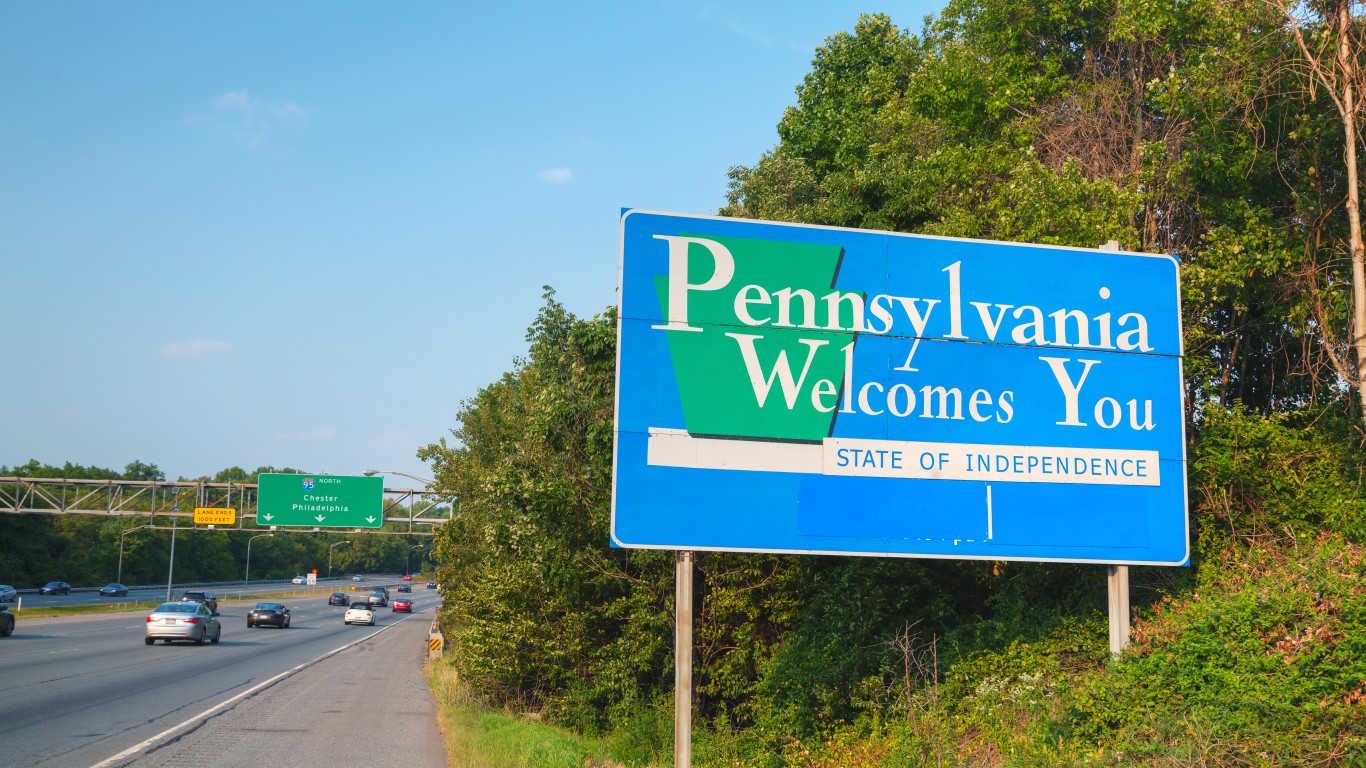
Consider a 62-year-old woman whose aunt in Pennsylvania leaves her $200,000. The IRS takes nothing, and Pennsylvania sends her a bill for $30,000.
Federal law makes inheritances tax-free to recipients. Five states tax heirs directly: Kentucky, Maryland, Nebraska, New Jersey, and Pennsylvania. What you owe depends on how closely you were related to the deceased.
IRC Section 102 Keeps the IRS Away From Your Inheritance
The federal shield is Internal Revenue Code Section 102(a). It excludes property acquired by “gift, bequest, devise, or inheritance” from gross income. The $200,000 never appears on your Form 1040.
Section 102(b) taxes income the property earns after you receive it. Withdrawals from inherited traditional IRAs or 401(k)s count as ordinary income. Section 1014 resets the cost basis of inherited stock or real estate to its value at death, wiping out accumulated capital gains.
The federal estate tax under Section 2001 is charged to the estate, and only above a $15 million per-person exemption in 2026. Almost every family falls below that line.
Five States Tax Heirs Directly, and Iowa Just Left the List
An estate tax comes out of the whole estate before anyone gets paid, and the size of the estate sets the bill. An inheritance tax lands on each heir’s share, and the heir’s relationship to the deceased sets the rate. Maryland levies both. Its estate tax applies above $5 million.
Iowa was the sixth inheritance-tax state until its repeal took full effect January 1, 2025. The remaining five states:
- Pennsylvania: Article XXI of the Tax Reform Code of 1971, with rates at 72 P.S. §9116
- New Jersey: Transfer Inheritance Tax, N.J.S.A. 54:34-1 et seq.
- Kentucky: KRS Chapter 140, with beneficiary classes in KRS 140.070
- Maryland: Tax-General Article §7-203
- Nebraska: Neb. Rev. Stat. §77-2001 through §77-2006, collected by counties
Spouses owe nothing in all five states. Kentucky exempts spouses, children, parents, and grandparents. Maryland exempts a spouse, child, stepchild, sibling, and spouse of a child. Pennsylvania charges children 4.5%. Nebraska charges immediate relatives 1% over $100,000.
Same $200,000 Inheritance, Five Different State Bills
A niece or nephew inheriting $200,000 would owe:
| State of the deceased | Rule for a niece or nephew | Tax owed |
|---|---|---|
| Pennsylvania | 15% on the full amount | $30,000 |
| New Jersey | Class D, 15% on the first $700,000 | $30,000 |
| Maryland | 10% on the full amount | $20,000 |
| Nebraska | 11% over $40,000 | $17,600 |
| Kentucky | Class B, graduated 4% to 16% | Varies by bracket |
A sibling inheriting the same $200,000 would owe $24,000 in Pennsylvania. In New Jersey, where siblings are Class C and the first $25,000 is exempt with 11% on the rest, the bill is $19,250. It would be $1,000 in Nebraska and zero in Maryland. A Pennsylvania child would pay $9,000.
Your Relative’s Address Decides Which State Collects
The tax follows the deceased’s residence and property location. A Florida heir inheriting from a Pennsylvania aunt owes Pennsylvania. A Pennsylvania heir inheriting from a Florida parent owes nothing.
Pennsylvania taxes a resident decedent’s stocks, bonds, and bank accounts wherever they’re held, along with real estate and tangible property in the state. For nonresidents, it taxes only real property and tangible personal property located in Pennsylvania. A retiree who moves to Florida but keeps a Poconos cabin leaves that cabin exposed.
Deadlines count too. Pennsylvania returns are due nine calendar months after death, and paying within three months earns a 5% discount.
Moves That Shrink or Erase the Bill
- Leave IRAs to charity. Charities are exempt from Pennsylvania’s tax and avoid income tax on traditional IRAs. Leave cash or stepped-up stock to heirs instead.
- Lock down domicile. Retirees moving to no-tax states should update driver’s license, voter registration, and retitle or sell property left behind.
- Watch the gift look-back. Pennsylvania pulls gifts above $3,000 per recipient made within one year of death back into the taxable estate.
Rates may change. Nebraska lawmakers keep debating deeper cuts, and one proposal would lower the rate for remote relatives from 11% to 3%. If a relative in one of these five states plans to leave money to nieces, nephews, or friends, have an estate attorney or CPA run the numbers while that relative can still change the plan (we put the full beneficiary-and-titling checklist that heads off exactly this kind of surprise in a free guide here: Die With a Plan).
Contact [email protected] for any questions or corrections.
Vilma Rios is a tax professional and tax content contributor with more than 15 years of experience in tax and accounting. She specializes in federal tax research, tax education, and translating complex tax rules into clear, practical information for individuals, families, and small-business owners.
Vilma is a Content Tax Contributor II with the National Association of Tax Professionals (NATP), where she contributes to tax education and professional content. She has also presented tax information through webinars, including Spanish-language tax education, and has appeared on Telemundo 47 discussing tax topics and helping viewers understand important tax-filing requirements.
Her experience also includes tax and accounting work, tax research, IRS-related matters, and public tax education. While in college, Vilma volunteered in an IRS-sponsored tax assistance program and was recognized for her community service by local and state officials.
Known as “Your Tax Geek,” Vilma is passionate about making taxes easier to understand and helping people navigate an increasingly complex tax system.