5 Reasons To Retire In West Virginia And 1 Big Reason Not To
A lot of people treat West Virginia like a punchline or a place you drive through on the way somewhere else. That misses what makes it interesting for retirees trying to stretch a portfolio. The state solves one of the…

This post may contain links from our sponsors and affiliates, and Flywheel Publishing may receive compensation for actions taken through them.
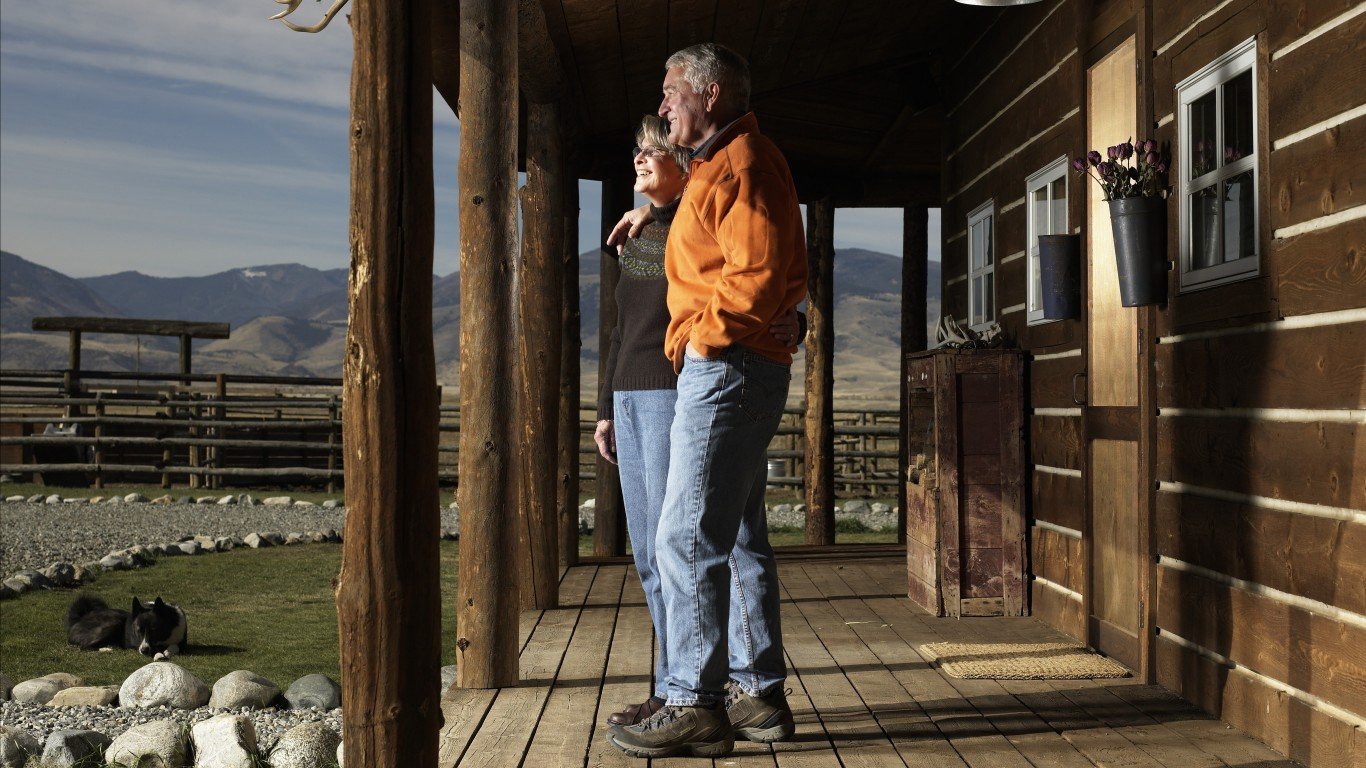
A lot of people treat West Virginia like a punchline or a place you drive through on the way somewhere else. That misses what makes it genuinely interesting for retirees trying to stretch a portfolio. The state solves one of the hardest problems in retirement planning: housing costs. The real question is whether the savings are large enough to outweigh the tradeoffs, especially as you age and medical needs grow.
The Affordability Case Is Real
The biggest retirement expense is usually not healthcare, travel, or groceries. It is housing. West Virginia attacks that cost more aggressively than almost any state east of the Mississippi. According to Zillow, the average home value in West Virginia was $182,704 as of June 2026, up nearly 3% over the prior year, while the Redfin national median sat near $399,000 that same period. Set those two numbers side by side and the gap is concrete: West Virginia’s typical home costs less than half the national median.
A retiree who sells a house in Northern Virginia, Maryland, Florida, or North Carolina can often buy a comparable home in West Virginia outright and still bank a meaningful amount of equity. That changes the retirement math entirely. Every dollar not spent on a mortgage, rent, property taxes, homeowners insurance, or HOA fees is a dollar your portfolio no longer has to generate. For many households, the appeal of West Virginia is not that life looks dramatically different. It is that the same life costs substantially less.
The Five Reasons That Actually Matter
First, housing. West Virginia’s biggest advantage is also its simplest. Housing costs remain dramatically below most retirement destinations, and the gap has not closed. A retiree selling a home in a high-cost coastal or Sunbelt market can often purchase a comparable West Virginia property outright, with money left over to invest. That reduces what a portfolio must generate every year and lowers retirement risk immediately.
Second, taxes. Starting with the 2026 tax year, West Virginia fully exempts Social Security income from state income tax, completing a three-year phase-out signed into law by former Gov. Jim Justice under House Bill 4880. The deduction rose from 35% in 2024 to 65% in 2025, reaching 100% in 2026 for every recipient regardless of income level. Property taxes also remain modest by national standards. For retirees living primarily on Social Security, pensions, and portfolio withdrawals, the state takes a smaller bite out of recurring income than many popular retirement destinations.
Third, access to nature. The Monongahela National Forest, the New River Gorge, and dozens of state parks put hiking, fishing, boating, and mountain scenery within easy reach. Many retirees spend significant money vacationing in places that offer what West Virginia residents can reach on an ordinary Tuesday afternoon.
Fourth, a climate that avoids the extremes. Winters can be cold, but most of the state avoids the hurricane exposure of the Southeast, the wildfire concerns of the Mountain West, and the relentless summer heat of Arizona and parts of Texas. Insurance costs tend to reflect that lower natural-disaster risk, which matters more as home insurers continue repricing coastal exposure upward.
Fifth, flexibility. Retirement in West Virginia does not have to mean living in a remote mountain hollow. Morgantown offers a major research university and a growing healthcare network. Martinsburg and the Eastern Panhandle provide easy access to the Washington, D.C., region. Bridgeport and Charleston offer regional medical centers and full services while maintaining a far lower cost structure than larger metropolitan areas.
What $500k, $750k, and $1 Million Actually Buy
Run a real budget against West Virginia’s cost structure. A couple owning their home outright can live on roughly $48,000 to $55,000 a year: about $9,000 for property tax, insurance, and maintenance; $9,600 for Medicare Part B and a supplement ($202.90 monthly per person for Part B alone in 2026, before supplement and Part D costs); $8,500 for food on the USDA moderate plan; $5,000 for utilities; $5,500 for transportation; and a $10,000 miscellaneous and reserves bucket covering home repairs, the next vehicle, and federal taxes owed on portfolio withdrawals.
The average retired worker’s Social Security check reached $2,087.52 a month as of August 2026, or roughly $25,000 a year per person. The average spousal benefit ran about $987 per month in the same period. Combined, a household pairing one retired worker’s benefit with one spousal benefit collects around $3,075 a month, or approximately $37,000 a year. That leaves a gap of roughly $11,000 to $18,000 for the portfolio to cover each year, depending on where the actual budget lands.
At a 4% withdrawal rate, $500,000 generates $20,000 a year and closes that gap. $750,000 produces $30,000 and supports real travel and grandchildren on top of core expenses. $1 million delivers $40,000, putting a West Virginia couple at a lifestyle that would require closer to $1.4 to $1.6 million in coastal Florida to replicate. A straightforward mix of broad-market index funds, an intermediate Treasury ladder, and a slice of investment-grade bonds can support the withdrawal without relying on exotic income products.
One Big Reason Not To Retire in West Virginia
The challenge is not the weather, the politics, or the entertainment options. It is healthcare access, and that concern has grown sharper in the past year.
A healthy 65-year-old can live almost anywhere. An 82-year-old with heart disease, mobility limitations, or a complicated medication regimen faces a different calculation. Large portions of West Virginia remain rural, and rural healthcare networks are under serious financial pressure. A 2025 report by the Center for Healthcare Quality and Payment Reform identified 13 rural West Virginia hospitals at risk of closure, with six of those facing immediate closure risk within two to three years. The report linked the danger to inadequate insurance reimbursements, a lack of other revenues to bridge the gap, and thin financial reserves. Passage of the One Big Beautiful Bill, which includes Medicaid provisions that will further reduce rural hospital revenues, adds additional strain to a network that was already fragile, according to the West Virginia Hospital Association.
Specialist shortages, staffing challenges, and longer travel times all become far more consequential once medical care shifts from an occasional event to a regular part of life. Good healthcare does exist in West Virginia. Morgantown, Martinsburg, Huntington, Charleston, and several regional centers provide strong care. The concern is distance. Many of the cheapest and most scenic retirement locations are also the farthest from major medical systems. The savings that look compelling at 67 can feel less compelling after an emergency room visit followed by a two-hour drive to a specialist.
The Honest Answer
West Virginia works best for retirees who understand exactly what they are buying. They are not buying luxury amenities, endless sunshine, or a nonstop social calendar. They are buying affordability, scenery, space, and the ability to make a smaller portfolio go much further.
For a couple with average Social Security benefits and a paid-off home, $500,000 can support a workable retirement. At $750,000, the budget becomes comfortable. At $1 million, many retirees can enjoy a lifestyle that would require substantially more assets in the Sunbelt or along the East Coast. The key is location within the state: choose a town with reliable access to healthcare and services, and West Virginia becomes one of the strongest retirement values in America. Choose solely on housing price, and the cheapest house in the state can become the most expensive retirement decision you make.
Editor’s note: This update corrects the combined Social Security household income figure from $42,000 to approximately $37,000 per year, reflecting the August 2026 SSA data showing a retired worker average of $2,087.52 and a spousal benefit average of $987 per month. The number of West Virginia rural hospitals at immediate closure risk has been revised from five to six, per updated Center for Healthcare Quality and Payment Reform data, and context on the One Big Beautiful Bill’s Medicaid provisions and their impact on rural hospital revenues has been added. The Zillow year-over-year appreciation figure has been refined to nearly 3% (from “about 3%”) to match Zillow’s reported 2.9%.
Contact [email protected] for any questions or corrections.
Drew Wood has edited or ghostwritten nine books and published more than 1,500 articles on investing, business, politics, travel, world cultures, wildlife, and earth science. He holds a doctorate and four master's degrees and has nearly 30 years of college teaching experience. His travels have taken him to 25 countries, including three years living in Ukraine.