‘I Prepaid It With the $395 Annual Fee’: Clark Howard on the Catch Behind Your Free Airport Lounge Lunch
Clark Howard called his Capital One Lounge meal the greatest lunch ever, then immediately explained why that lunch was anything but free. Whether your own lounge visits actually justify the annual fee comes down to a few numbers most cardholders…

This post may contain links from our sponsors and affiliates, and Flywheel Publishing may receive compensation for actions taken through them.
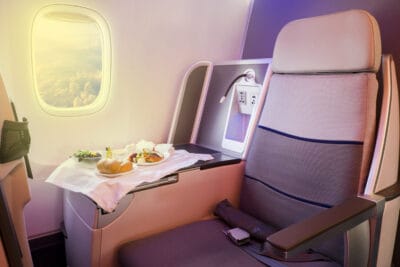
A Pennsylvania listener named David wrote to Clark Howard with a question that plenty of lounge regulars have probably asked themselves. After years of complimentary food, wine and cocktails, he wanted to know: “It feels free to me, but I know nothing is free. So how do the lounges make money?”
Howard hosts The Clark Howard Podcast, where he gives consumer money advice. On his October 5 episode, he described a meal at a Capital One Lounge in New York, calling it “the greatest lunch ever.” Then he explained the catch: “I prepaid it with the $395 annual fee.”
The $395 he mentioned is the annual fee on the Venture X card from Capital One (NYSE:COF | COF Price Prediction). He estimated the fee on the Sapphire Reserve from JPMorgan Chase (NYSE:JPM) at “$795, something like that,” and that matches the card’s current $795 fee. Pay either fee mainly for lounge access and fly only a few times a year, and those free lunches cost you a lot.
Howard Is Right, and the Break-Even Math Shows Why
Howard’s take holds up: “Most people get those cards, think they’re going to travel a lot more than they do. And so if you’re not traveling like a maniac, like I am, these cards don’t pay off.” For the bank, the lounge is a marketing cost. On Capital One’s July earnings call, management said it keeps investing in “rewards, lounges, unique access to experiences” to attract heavy spenders.
Say one lounge visit saves about $40 on airport food and a drink. You’d need about 10 lounge visits a year to cover a $395 fee with meals alone. A $795 fee would take about 20 visits.
The Venture X comes with perks that offset the fee: a $300 annual travel credit and 10,000 anniversary miles. Use the full credit and the fee drops to $95. If each mile is worth a penny, the miles add $100, getting the card to break-even before you enter a lounge.
The credit only works on travel booked through Capital One Travel, the bank’s own booking site. Many people book directly with airlines to earn elite status or get easier changes, leaving the credit unused and forcing the full $395 to be earned back through lounge visits.
Starting February 1, 2026, cardholders pay $45 per adult guest at Capital One Lounges, unless they put at least $75,000 a year on the card. A spouse’s free lunch now costs more than the meal it replaces.
Your Real Trip Count Decides Whether the Card Pays Off
Look at your actual trip history from last year.
Two trips a year, booking directly with airlines, one lounge visit per trip: about $80 of lounge value for a $395 fee. You lose $315 a year.
Six trips a year, at least $300 booked through Capital One Travel, lounge use on every outbound flight: roughly $640 in value. You come out about $245 ahead.
Most cardholders end up closer to the first case than expected. Planned trips and real trips rarely match up, and that difference is the profit Howard described.
Your Lounge Lunch Comes From a Bank Losing Investors’ Confidence
Capital One runs its own lounges. It also owns a payment network, since it completed its acquisition of Discover in May 2025. On an earlier episode, Howard said the bank “decided they wanted both ends of the transactions.”
Shareholders haven’t been rewarded. The stock trades near $196, down 18% this year. Earnings fell short in Q4 2025 at $3.86 and Q1 2026 at $4.42.

Marketing spending, which includes premium benefits, came to about $1.7 billion last quarter, up 23% from a year earlier. Your lounge lunch is part of that.
Check Your Lounge Math Before the Card Renews
- Count real lounge visits. Go through the past 12 months of statements and count departures from airports with a Capital One Lounge or Priority Pass lounge you used. Multiply by what you would have spent on food.
- Check the travel credit. Did you use the full $300? Will you book through Capital One Travel next year or keep booking directly with airlines?
- Add guest costs. If a partner usually flies with you, add $45 per visit unless you spend enough on the card for free guests.
- Downgrade if needed. If lounge value plus credits used is less than the fee, switch to a lower-fee card. Ask for a product change instead of closing the account to keep your credit history intact.
The lounge lunch only feels free if your actual travel already covers the fee.
Contact [email protected] for any questions or corrections.
Jake has been been working in financial media for almost 15 years. He focuses on all things personal finance for 24/7 Wall St. with high hopes to educate and entertain. Most recently, Jake spent 12 years working various roles at The Motley Fool. He started copy editing fool.com content, worked on premium and marketing campaigns, and helped launch The Ascent, a personal finance brand.
His work has been featured on platforms like MSN, Yahoo Finance, USA Today, and more. He's written about credit cards, social security, ETFs, savings accounts, and just about anything else you can imagine when thinking about money. Jake love to cook, play golf, and tell people he's never had a cavity. (It's true!)