Ray Dalio Warns Against Timing the Market. Steady Investing Could Turn $1,000 a Month Into $712,000
Ray Dalio says beating the market requires Olympic-level skill most investors simply don't have, yet millions keep trying anyway. Here's what the math says happens when you stop guessing and just show up every month instead.

This post may contain links from our sponsors and affiliates, and Flywheel Publishing may receive compensation for actions taken through them.
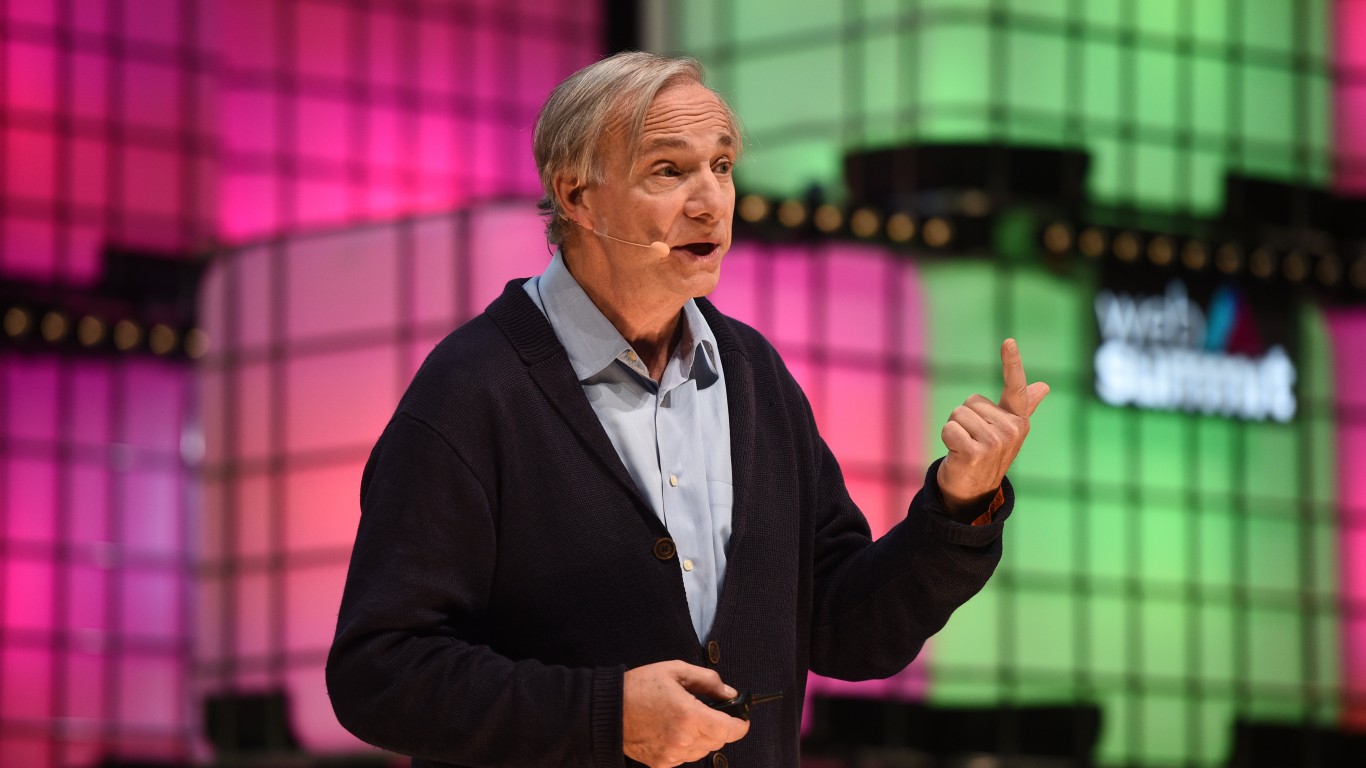
Ray Dalio founded hedge fund Bridgewater Associates. He says trying to time the stock market is harder “than competing in the Olympics.” Most people chase that dream anyway, selling before crashes and buying at bottoms. The reality is far simpler: Steady monthly investing into a low-cost index fund beats timing almost every time.
Why Market Timing Breaks Down for Ordinary Investors
A market timer must be right twice: on the exit and the re-entry, and getting out before a decline is only half the trade. Wait too long to return and the rebound happens without you. Most people fail on that second decision. The market’s strongest days cluster near its worst ones, often in the same panicky weeks when cash feels safest. Miss a handful of those rebound sessions and your long-run result drops sharply.
Fear works against you twice. It pushes you out after prices have already dropped, then keeps you out until they’ve already recovered, leaving you to sell low and buy high, the exact reverse of the goal.
Automatic Contributions Remove the Hardest Decisions
A standing order takes away the hardest decisions. Pick a dollar amount and a date, then let your brokerage move the money on schedule. That setup takes away three things that sink investors: when to buy, where prices go, and the urge to wait for a better moment.
This is dollar-cost averaging: investing the same amount at regular intervals regardless of price. In a downturn, a fixed $1,000 a month buys more shares when prices fall and fewer when they rise. Down markets lower your average cost per share, turning a slump into a discount on future gains.
Vanguard S&P 500 ETF (NYSEARCA:VOO) and SPDR S&P 500 ETF Trust (NYSEARCA:SPY) both track the S&P 500. VOO’s expense ratio is 0.03% and SPY’s is about 0.09%. Over two decades, a lower fee means more of every dollar stays invested and compounding. VOO has gained about 326% over the past 10 years on an adjusted basis. That is what staying invested through every scare in that decade looked like.
$1,000 a Month for 20 Years: What Compounding Delivers
Investing $1,000 a month for 20 years at an assumed 9.5% annual return will result in an account that grows to about $712,000. Of that, $240,000 is money you contributed. The rest comes from compounding. This assumes the same return every year, which no real market delivers. Real years swing between strong gains and losses. Treat this as an illustration of compounding.
Your contributions make up about 34% of the ending value, with growth providing the other $472,000. In a 30-year plan, your deposits would be a smaller slice because compounding gets an extra decade, while over a shorter horizon, more of the result comes from your paycheck. That’s the real late-saver story: starting later puts more of the work on your contribution rate. The monthly number must be larger and stay steady. Each missed month hurts more when fewer months remain.
Sequence of Returns Risk Hits Late Savers the Hardest
Sequence of returns risk is the danger that bad returns land at the worst moment. For a 20-year saver, that moment comes near the end, when the balance is largest. A bear market in the final years wipes out far more dollars than the same drop early on, because it hits a much bigger pile. A shorter horizon also leaves less time to recover. Someone with three decades to go can wait out a bear market. Someone a few years from retirement may have to sell while prices are down, locking in the loss (we mapped out why a drop in those first withdrawal years hurts most, and how to defend against it, in a free guide here).
The practical fix is a glide path. In the last several years before you need the money, direct new contributions toward bonds or cash. A late drop is then less likely to force you to sell, and your gains stay protected.
Set Your Schedule Now and Stop Second-Guessing It
1. Automate the transfer: Many disciplined savers set up a recurring purchase of an S&P 500 index fund for the day after payday.
2. Check fees: Look up the fund’s expense ratio on the sponsor’s website. Small fee differences compound over 20 years.
3. Run your numbers: Use the compound interest calculator at Investor.gov with your monthly amount, years until retirement, and a conservative return.
4. Raise contributions with raises: For a late saver, the deposit amount drives the outcome more than anything else.
5. Schedule a glide path review: Several years before retirement, start moving new money toward safer assets.
Dalio’s warning is reason enough to missed the Olympic event. The investor who keeps buying on schedule usually ends up ahead of the one waiting for the perfect moment.
Contact [email protected] for any questions or corrections.
Joel South covers large-cap stocks, dividend investing, and major market trends, with a focus on earnings analysis, valuation, and turning complex data into actionable insights for investors.
He brings more than 15 years of experience as an investor and financial journalist, including 12 years at The Motley Fool, where he served as an investment analyst, Bureau Chief, and later led the Fool.com investing news desk. He has also co-hosted an investing podcast and appeared across TV and radio discussing market trends.