Tesla Gets Competition From Nvidia In Self Driving Cars
Nvidia is quietly signing deals with some of the world's biggest automakers, and its self-driving platform looks remarkably like Tesla's most prized technology. The question now is whether Tesla's brand can hold off a rival that plays for the entire…

This post may contain links from our sponsors and affiliates, and Flywheel Publishing may receive compensation for actions taken through them.
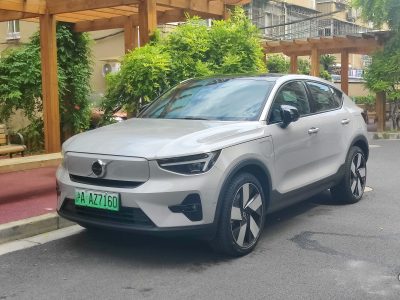
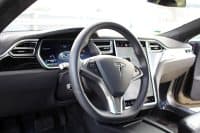
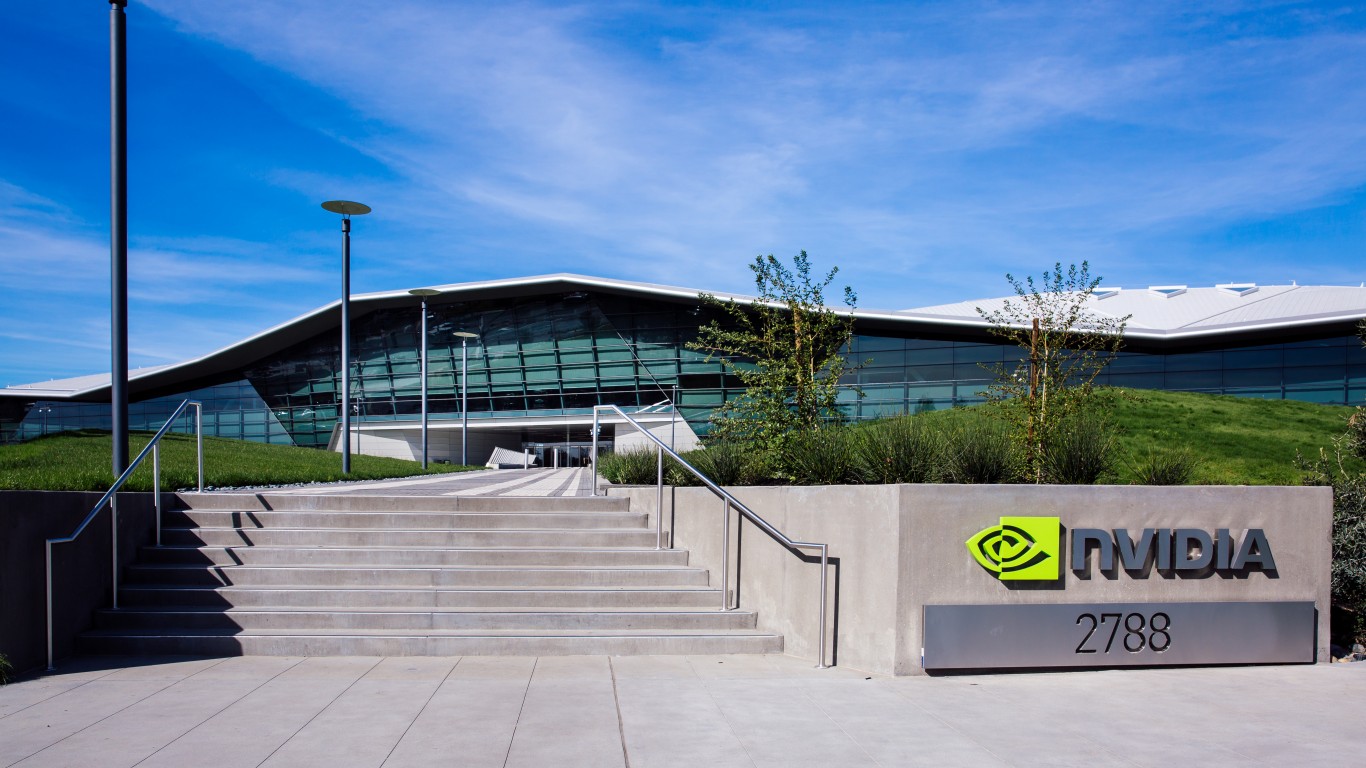
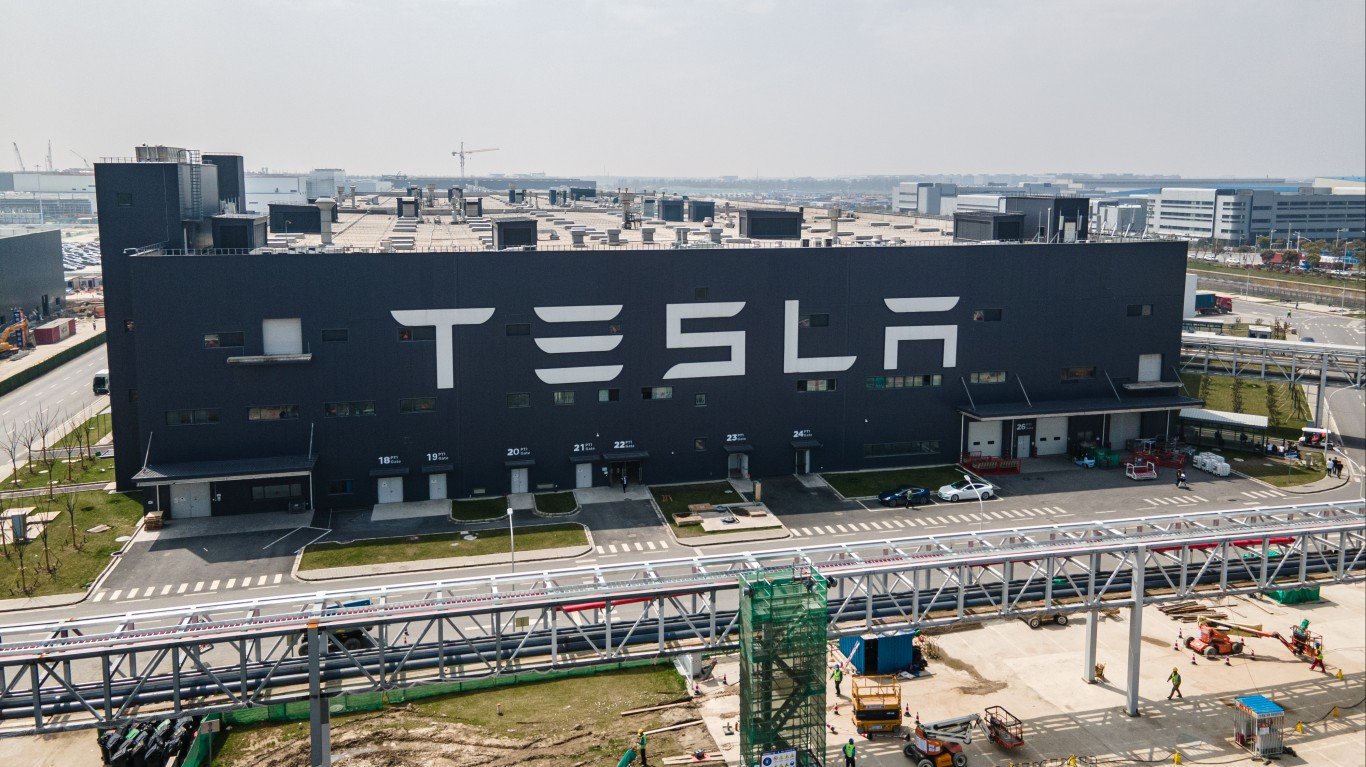
Nvidia (NASDAQ: NVDA | NVDA Price Prediction) announced a deal with Volvo yesterday. Volvo is far from one of the world’s largest car companies. However, Zhejiang Geely Holding Group, which owns it, is a player in the Chinese car sector—the world’s largest car market by far. The Nvidia product sounds and looks a lot like Tesla’s (NASDAQ: TSLA) self-driving feature. Tesla is working hard to roll out the product and hopes to gain approval in several countries soon.
New Volvos will have what it calls “eyes-off and mind-off.” InsideEVs reports, “By using Nvidia’s Hyperion platform, which includes custom high-powered chips and a full suite of sensors mounted around the vehicle, Volvo says its new point-to-point system will offer Level 2++ functionality.” The technology is also part of partnerships with Mercedes and Hyundai. Tesla has the equivalent of Level 2++ in its “Full Self-Driving (Supervised)” product. Nvidia’s product equals that. Volvo’s product launches in three years, which puts it at a disadvantage.
Of course, Tesla’s technology only works on a Tesla. Nvidia can eventually claim the advantage of partnerships that could extend to many manufacturers. To some extent, Tesla’s brand power will be needed to win over customers.
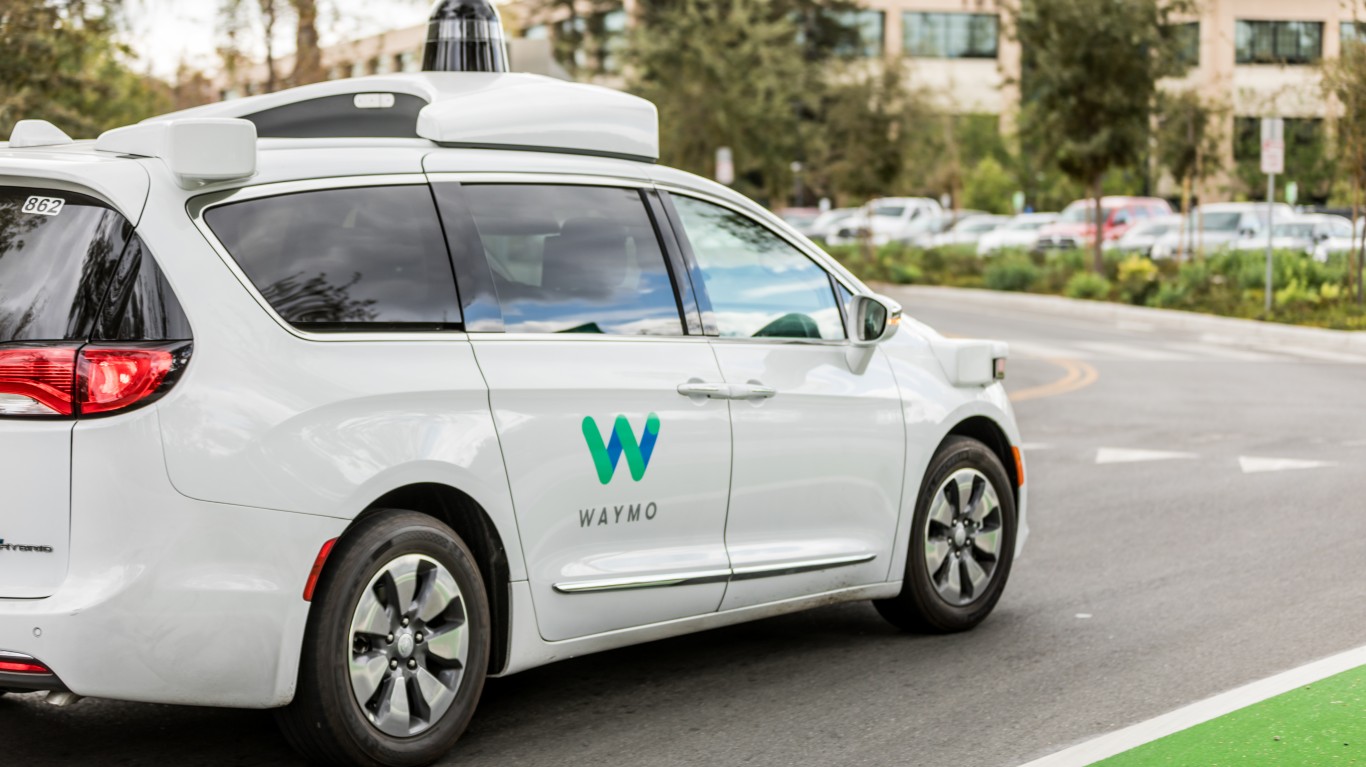
Tesla has a growing number of self-driving competitors, which makes it less likely it can own a large part of the market share across the industry. The primary rival is Google’s Waymo, which is on the road in both the US and Europe. It can claim a lead in terms of testing footprint.
The winners of the self-driving race will win for two reasons. One is the strength of technology. The other is regulatory approval. Depending on the geography, approval can happen at the national, state, or city level. Products are not considered “safe enough” today to operate without human supervision. Meanwhile, it is not good news for Tesla that Nvidia is winning over more car company partners.
Contact [email protected] for any questions or corrections.
Douglas A. McIntyre is the co-founder, chief executive officer and editor in chief of 24/7 Wall St. and 24/7 Tempo. He has held these jobs since 2006.
McIntyre has written thousands of articles for 24/7 Wall St. He is an expert on corporate finance, the automotive industry, media companies and international finance. He has edited articles on national demographics, sports, personal income and travel.
His work has been quoted or mentioned in The New York Times, The Wall Street Journal, Los Angeles Times, The Washington Post, NBC News, Time, The New Yorker, HuffPost USA Today, Business Insider, Yahoo, AOL, MarketWatch, The Atlantic, Bloomberg, New York Post, Chicago Tribune, Forbes, The Guardian and many other major publications. McIntyre has been a guest on CNBC, the BBC and television and radio stations across the country.
A magna cum laude graduate of Harvard College, McIntyre also was president of The Harvard Advocate. Founded in 1866, the Advocate is the oldest college publication in the United States.
TheStreet.com, Comps.com and Edgar Online are some of the public companies for which McIntyre served on the board of directors. He was a Vicinity Corporation board member when the company was sold to Microsoft in 2002. He served on the audit committees of some of these companies.
McIntyre has been the CEO of FutureSource, a provider of trading terminals and news to commodities and futures traders. He was president of Switchboard, the online phone directory company. He served as chairman and CEO of On2 Technologies, the video compression company that provided video compression software for Adobe’s Flash. Google bought On2 in 2009.