Dave Ramsey Calls 2026 Crash Predictions “Freaking Asinine.” Here’s What the Data Says.
Dave Ramsey told a worried caller that a stock market halving is freaking asinine, but the math behind a retiree's 401(k) tells a more complicated story about who actually gets hurt when prices fall.

This post may contain links from our sponsors and affiliates, and Flywheel Publishing may receive compensation for actions taken through them.

A listener named Mark in Arizona put a frank question to The Ramsey Show on October 16, 2026: “Many of the financial experts in quotes are saying that 2026 is the beginning of a massive market crash. They even compare it to the Great Depression, they say. They say that people over 40 with 401(k)s or IRAs are in real trouble. Is this a claim that has weight behind it or just unnecessary grandstanding for clicks and views?”
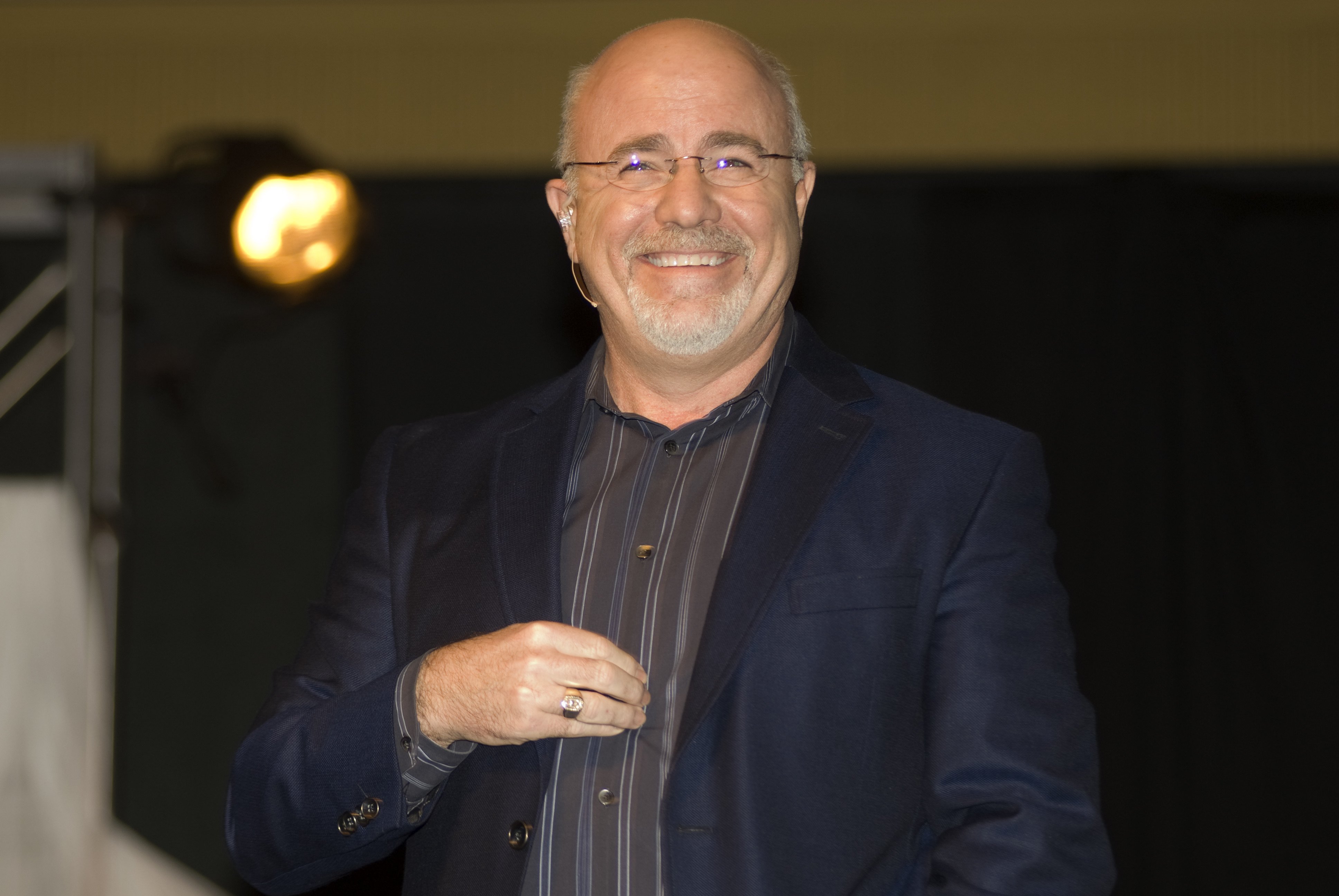
Dave Ramsey, the debt-payoff radio host, answered without hedging:
“To predict that randomly in 2026 all these people’s stocks are suddenly going to go in half while the profits and assets of those companies remain the same is freaking asinine. The stock market is not based on your negative ninny expert’s opinion.”
The stakes are concrete. Gen X workers on Fidelity’s platform hold an average 401(k) balance of $222,100. Sell that account in fear after a 30% drop, and you lock in $155,470. The paper loss becomes a real one the day you leave.
Ramsey Gets the Action Right and the Odds Wrong
Ramsey’s advice to stay invested is correct. His claim that a halving is mathematically impossible exaggerates the case.
A stock price equals company profits multiplied by the price investors are willing to pay for each dollar of those profits. Over decades, profits drive the result. Over months, that multiple moves with fear. Prices can fall hard while profits hold firm, simply because buyers get scared. The S&P 500 fell sharply during the dot-com bust and again in the 2008 financial crisis.
Ramsey is right about what matters for your account. No one times those drops based on a pundit’s forecast, and the long-run path follows earnings. The SPDR S&P 500 ETF Trust (NYSEARCA:SPY) rose 255% over the past 10 years. That turns $100,000 into about $354,730, even with the pandemic crash in the middle.
Shorter windows tell the same story. SPY gained 68% over five years, 14% over one year and 12% so far in 2026.
The crash talk has a trigger. SPY slipped about 1% over the past week and about 1% over the past month. Reuters reported stocks dipping today after an AI-led selloff.
The VIX, Wall Street’s fear gauge, rose from 15 on October 9 to 19. That is still inside its normal range.
The economy is reading calmer than the headlines. Real GDP grew 2% annualized in the latest quarter. The gap between 10-year and 2-year Treasury yields stands at a positive 0.3%, and historically, a negative reading has signaled a recession. Consumer sentiment is low at 48.1. People feel worse than the data looks.
Fear selling is expensive. A 50% drop requires a 100% gain to get back to even. Sell at the bottom, and you miss that rebound entirely.
Keep contributing, and every dollar buys more shares. At $100 a share, $1,000 buys 10 shares.
At $70, it buys about 14.
Plenty of savers flinch anyway. In one 2025 survey, 11% cut 401(k) contributions because of economic conditions. Another 21% took loans or hardship withdrawals.
Your First Withdrawal Date Decides Whether a Crash Hurts
What matters is when you have to sell shares to live on.
If retirement is 15 years away, a crash lowers the price of the shares you’re buying. If you’re already withdrawing, the math changes. Take a retiree pulling $20,000 a year from a $400,000 portfolio. That is a 5% withdrawal rate.
After a 30% drop to $280,000, the same $20,000 becomes about 7%. The retiree has to sell more shares at low prices, and those shares can’t recover. This is what planners refer to as sequence risk (the danger of bad returns coming right when withdrawals start).
That makes Mark’s question partly valid. A saver over 40 is in trouble only if the money they’ll need in the next few years is sitting in stocks (we walked through why the opening years of retirement do the most damage, and how to defend them, in a free guide here).
Four Moves to Make Before the Next Crash Headline
- Write down your first withdrawal year. Money needed within about five years (an illustrative rule of thumb) belongs in cash or bonds. Money needed after that can ride out a crash in stocks.
- Keep contributions running. A falling market means each paycheck buys more shares. Cutting contributions during a dip means buying less when prices are lowest.
- Compare your mix to a target-date fund for your retirement year. More than 40% of Fidelity 401(k) workers in their 50s and early 60s pick their own investments. If you hold far more stock than the target-date fund does, that gap is worth reviewing while markets are calm.
- Run the halving test. Cut your stock balance in half on paper. If you could still cover the next five years of withdrawals without selling stock, a crash prediction should change nothing.
Ramsey is right that retirement savers should ignore crash forecasts, and that only works if the money you need soon is already out of stocks.
Contact [email protected] for any questions or corrections.
Chris Lange is a financial and geopolitical writer with more than a decade of experience covering a myriad of topics. He has published thousands of articles for 24/7 Wall St., with past coverage focused heavily on stocks, IPOs, healthcare, defense, global affairs, and technology.
His work has been quoted, or referenced by a number of outlets including Business Insider, USA Today, Yahoo Finance, MSN, The Motley Fool, and many other publications. A graduate of Southwestern University, he studied business with a focus on investments and has previous experience in banking and startups.
When not reading or writing the news, he is following his passion for Lacrosse, playing chess, or building solar projects with his dad.