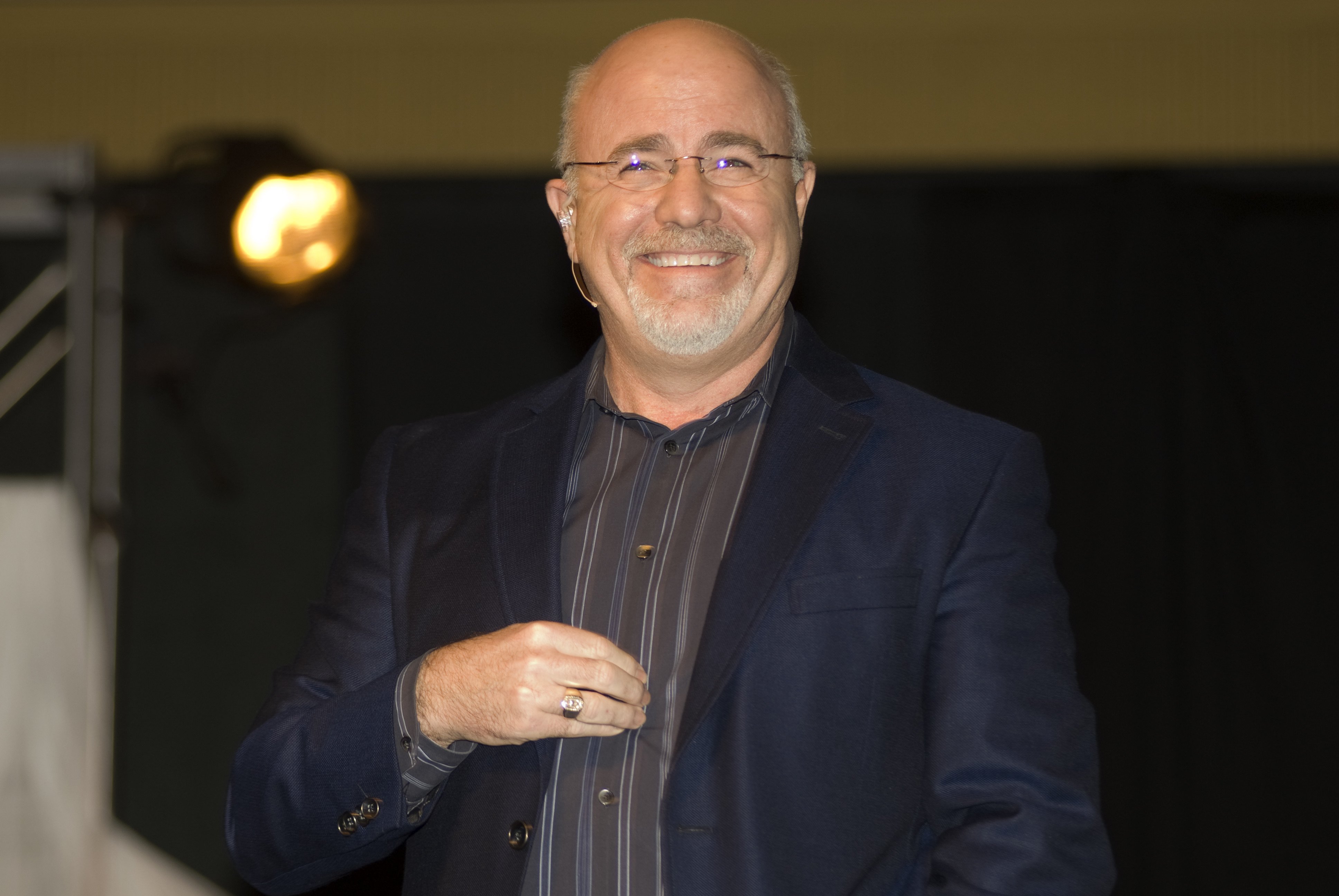
Dave Ramsey Says Personal Finance Is 80% Behavior. Here Are 3 Retirement Mistakes to Avoid
Dave Ramsey built his reputation on a single ratio, and for people closing in on retirement that ratio carries a price tag most never calculate until it's too late. Three common decisions made under stress can cost more in a…

This post may contain links from our sponsors and affiliates, and Flywheel Publishing may receive compensation for actions taken through them.

On an October 16, 2026 episode of The Ramsey Show, a caller was struggling to stay motivated. Dave Ramsey answered with a short formula: “Personal finance is 80% behavior. It’s only 20% head knowledge.”
If you’re within ten years of retirement, that ratio comes with a price tag, and one panicked sale in a bear market can wipe out years of careful saving. So can one year of skipped catch-up contributions, or one new car loan.
Ramsey Has It Right, and Retirees Have the Most to Lose
Ramsey’s split holds up, and close to retirement it may even understate the case. A behavior mistake costs more as your balance grows, and balances usually peak in your late 50s and 60s. Federal Reserve data show households aged 55 to 69 hold 41% of U.S. household net worth. They also hold about half of all defined contribution retirement assets.
People also tend to overestimate what they know. The FINRA Foundation’s latest National Financial Capability Study found 64% of adults give themselves high marks for financial knowledge. Scores on its literacy quiz are low. Feeling informed does little to stop a bad decision made under stress.
What One Panicked Sale Costs
Picture a hypothetical 62-year-old with $500,000 in a portfolio heavy on stocks.
A bear market cuts it 25%, to $375,000. Getting back to the starting balance takes a 33% gain from the bottom. That math is why a drop feels permanent while you’re living through it.
Investor A holds. In this example, the market recovers within a year, and the account is back to $500,000. Investor B sells at the bottom and keeps the money in cash earning 4%. A year later, B has $390,000. Both knew the textbook answer. The one who acted on fear is $110,000 behind, and that missing money stops compounding for the rest of retirement.
Follow-Through Is Worth Five Figures
The 2026 rules let workers aged 60 to 63 add a “super” catch-up of $11,250 on top of the $24,500 standard limit.
That brings the total to $35,750. In Dave Ramsey’s terms, knowing that limit exists is the 20%. Raising your contribution rate every January for four straight years is Dave Ramsey’s 80%.
Someone adding that extra catch-up at ages 60 through 63 puts in $45,000.
At an assumed 6% annual return until age 67, it grows to about $59,000. Most savers never get close.
A 2025 PLANSPONSOR survey found about 40% of participants put in less than 5% of income. Nearly as many kept their plan’s default rate.
Your Cash Buffer Decides Whether Discipline Survives
The biggest factor in a downturn is how much cash you’ve set aside for near-term spending. Staying disciplined is easy when nothing forces your hand, but it breaks down when bills come due, and your only money sits in stocks that just fell.
Go back to the $500,000 retiree, who now withdraws $40,000 a year. That retiree pays the bills from cash. With one to two years of spending set aside in cash, the stocks are left alone to recover.
Without a buffer, the retiree has to sell that much stock at the $375,000 bottom. After the recovery, those shares would have been worth about $13,000 more.
Borrowing from your retirement account is the other way out, and plenty of people take it. FINRA found 12% of non-retired respondents with retirement accounts took a loan from the account in the past year. Another 11% took a hardship withdrawal. Paychex data show hardship withdrawals in 2025 ran 365% above their five-year average.
Four Moves to Make Before Your Next Paycheck
- Write down your spending number. Add up your fixed bills, then add a realistic monthly amount for everything else. Check that total against what your portfolio and Social Security can cover. The average retired worker’s benefit is $2,071 a month after the 2026 cost-of-living raise.
- Fund the buffer. Make it your first priority. Move one to two years of planned withdrawals into a high-yield savings account or short-term Treasuries. That way, a bear market never forces you to sell.
- Put your catch-up on autopilot. Set your 401(k) contributions to the 2026 maximum for your age. If your 2025 Social Security wages (Box 3 on your W-2) were above $150,000, your catch-up money has to go into a Roth account. On the full super catch-up, a 62-year-old in the 24% bracket gives up about $2,700 of upfront tax savings. Plan for a smaller paycheck.
- Set rules. Plan for downturns and debt. Write down what you’ll do when stocks fall sharply: spend from cash, rebalance, sell nothing out of fear. Add a rule that you won’t sign any new loan without waiting a weekend first.
What protects your retirement is doing the right moves when it’s hardest.
Contact [email protected] for any questions or corrections.
Chris Lange is a financial and geopolitical writer with more than a decade of experience covering a myriad of topics. He has published thousands of articles for 24/7 Wall St., with past coverage focused heavily on stocks, IPOs, healthcare, defense, global affairs, and technology.
His work has been quoted, or referenced by a number of outlets including Business Insider, USA Today, Yahoo Finance, MSN, The Motley Fool, and many other publications. A graduate of Southwestern University, he studied business with a focus on investments and has previous experience in banking and startups.
When not reading or writing the news, he is following his passion for Lacrosse, playing chess, or building solar projects with his dad.