Gold Just Crashed 32% From Its Record in 10 Months, Shattering the Safe Haven Retirees Leaned On. Warren Buffett Spent Decades Warning About Exactly This, and His Reason Wasn’t the Price

This post may contain links from our sponsors and affiliates, and Flywheel Publishing may receive compensation for actions taken through them.
For a lot of retirees, gold was the part of the portfolio that wasn’t supposed to move. It was the money set aside for the day stocks fell apart. This year, gold did the falling.
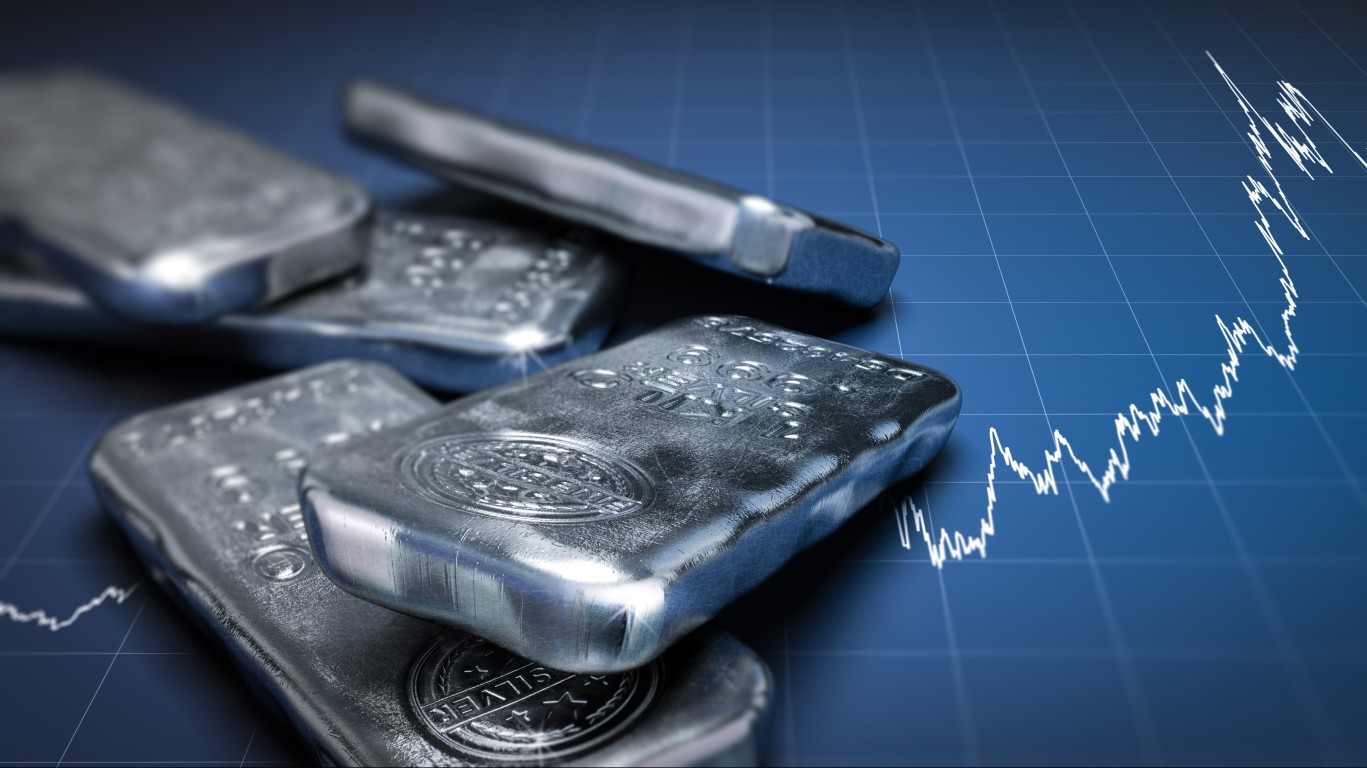
Spot gold slipped below $3,800 an ounce on Tuesday night for the first time since September 2025, 32% below its January 29 record of $5,594.82. SPDR Gold Shares (NYSEARCA: GLD), the fund many retirees hold in an IRA, is down 11% this year.
What the Drop Means in Dollars
Take a 68-year-old who moved $400,000 into gold near the January peak to protect a $1.2 million retirement. At today’s price, that gold is worth about $271,000. The safest third of his savings just lost $129,000. His $800,000 in stocks would have had to fall 16% to do the same damage.
He bought gold because it felt solid. What he owns is a price, and that price depends entirely on what the next buyer will pay.
Why Buffett Never Trusted It
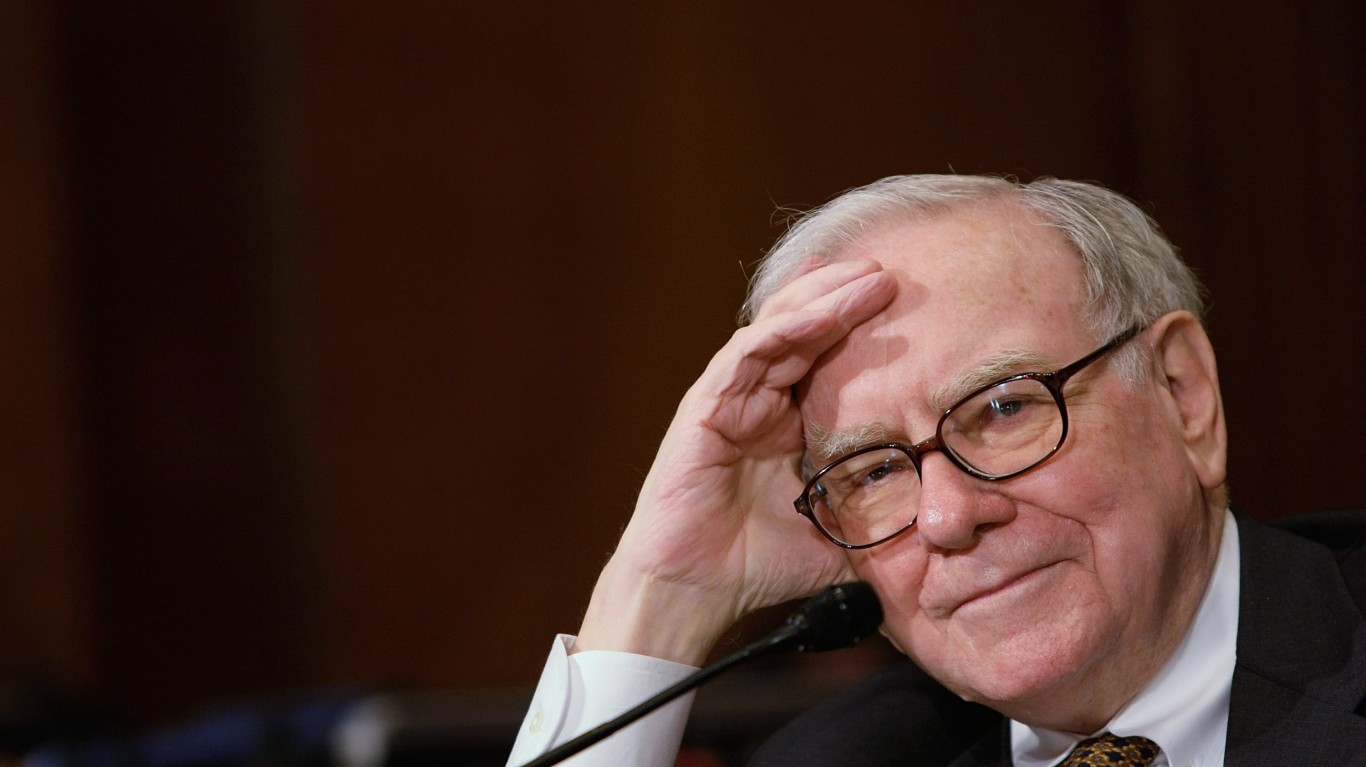
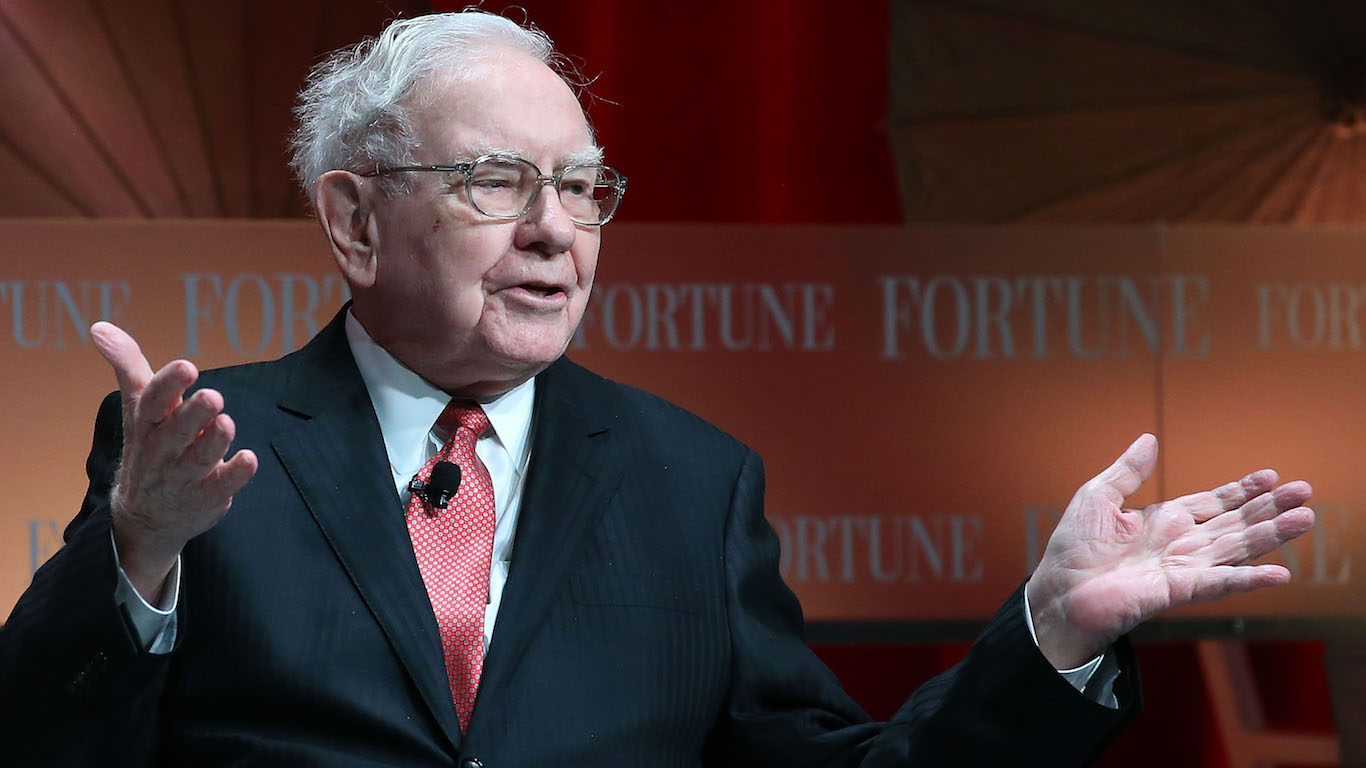
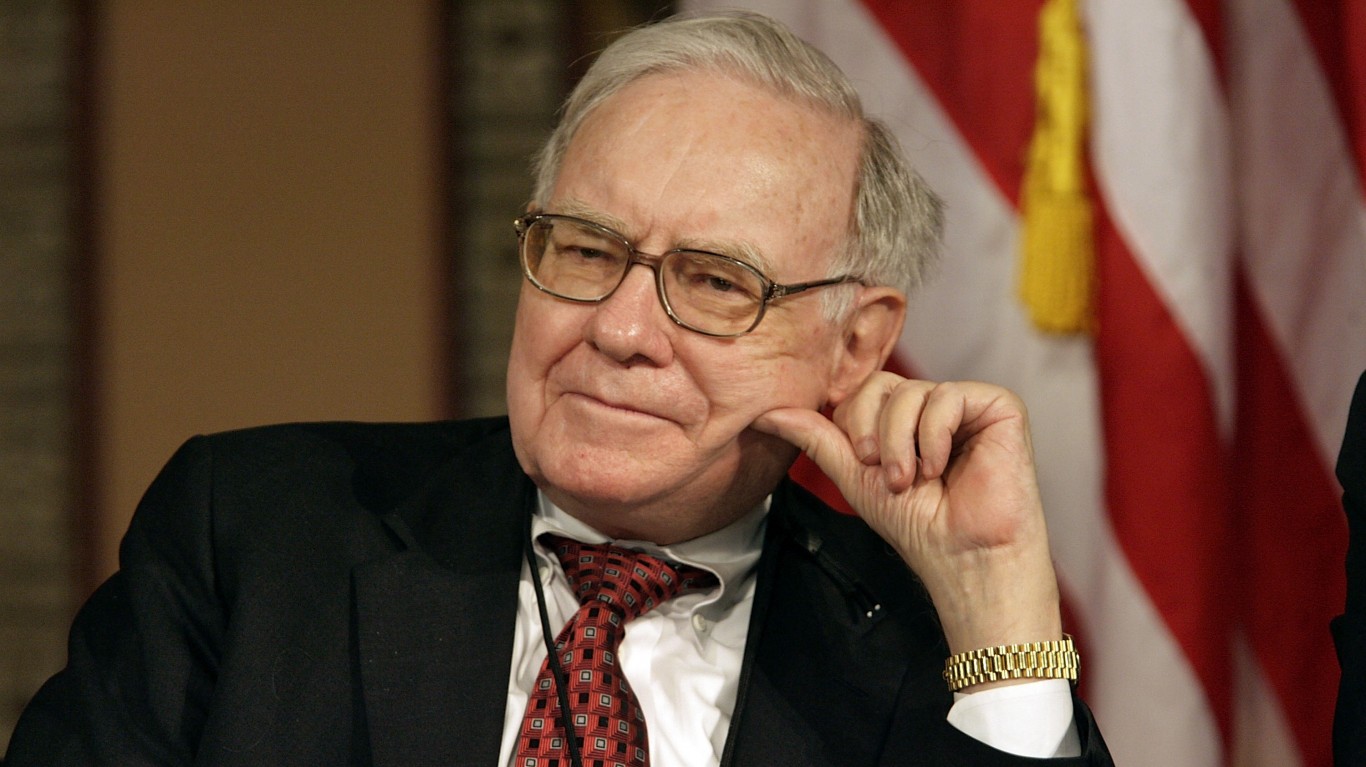
That is the point Buffett has made for decades. In a 1998 talk at Harvard, he described gold this way: it “gets dug out of the ground in Africa, or someplace. Then we melt it down, dig another hole, bury it again and pay people to stand around guarding it. It has no utility.”
In his 2011 letter to Berkshire Hathaway shareholders, he pictured all the world’s gold melded into a single cube about 68 feet on each side. Then he compared it with what the same money could buy: all the cropland in the United States plus 16 Exxon Mobils. A century later, he wrote, the farms and the companies would have produced crops and dividends, while the gold would be “unchanged in size and still incapable of producing anything.”
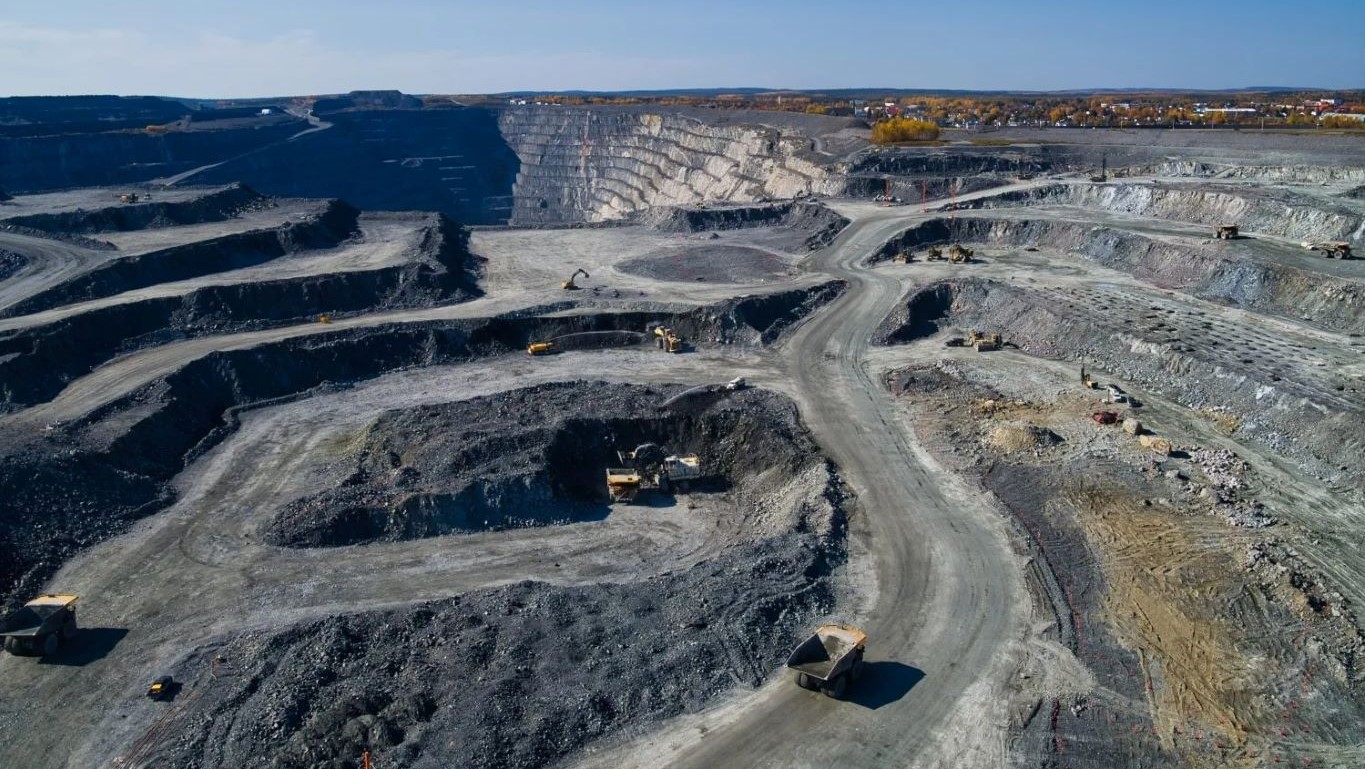
When fear rises, gold rises with it. When fear fades or bonds pay more, there is no income underneath it to slow the fall. Berkshire did buy a stake in gold miner Barrick in 2020 and sold it within months, but a miner has earnings. A bar of gold does not.
What Is Pushing Gold Down Now
St. Louis Fed President Alberto Musalem said on Tuesday that the economy will likely need “several” rate increases before spring 2027, and markets now expect hikes in December and January. With the 10-year Treasury yielding about 5.09% and the dollar at its highest since April 2025, holding a metal that pays nothing gets more expensive.
Goldman Sachs cut its end-2026 target to $4,150 from $4,650 but still sees gold about 9% above today’s price. That view depends on central banks buying about 60 tonnes a month and the Fed ending its hikes early.
What a Retiree Holding Gold Can Do Now
The $271,000 sitting in gold pays nothing. The same money in three-month T-bills at 4.33% would pay about $11,700 a year, roughly $980 a month, without selling a share.
A few steps before deciding:
- Add up everything you hold. Count physical gold, gold funds and mining stocks together. Even after the drop, the 68-year-old above still has about a quarter of his savings in gold, well above the 5% to 10% many planners suggest.
- Use the loss if it sits in a taxable account. Gold bought near the peak and sold now creates a capital loss that can offset other gains and up to $3,000 of ordinary income a year. Inside an IRA, selling has no tax effect either way.
- Trim rather than dump. Selling everything at a 14-month low locks in the full loss. Cutting back to a target keeps some hedge while the rest starts earning again.
The Bottom Line
Gold has lost a third of its value since January and paid nothing along the way. Buffett’s reason for avoiding it was never that the price would crash. It was that gold gives you nothing for waiting, and right now a T-bill gives you 4.33%. Talk with a financial adviser before making large changes to your portfolio.
Contact [email protected] for any questions or corrections.
Don Lair writes about options income, dividend strategy, and the kind of boring-but-durable investing that actually funds retirement. He's the founder of FITools.com, an independent contributor to 24/7 Wall St., and a former writer for The Motley Fool.