Andrew Mellon Gave His Two Children Their Fortune While He Was Still Alive, Years Before He Died in 1937. Twenty Years Later Both Ranked Among America’s Eight Richest People, and Giving Early Is Still Where Any Estate Lawyer Starts

This post may contain links from our sponsors and affiliates, and Flywheel Publishing may receive compensation for actions taken through them.
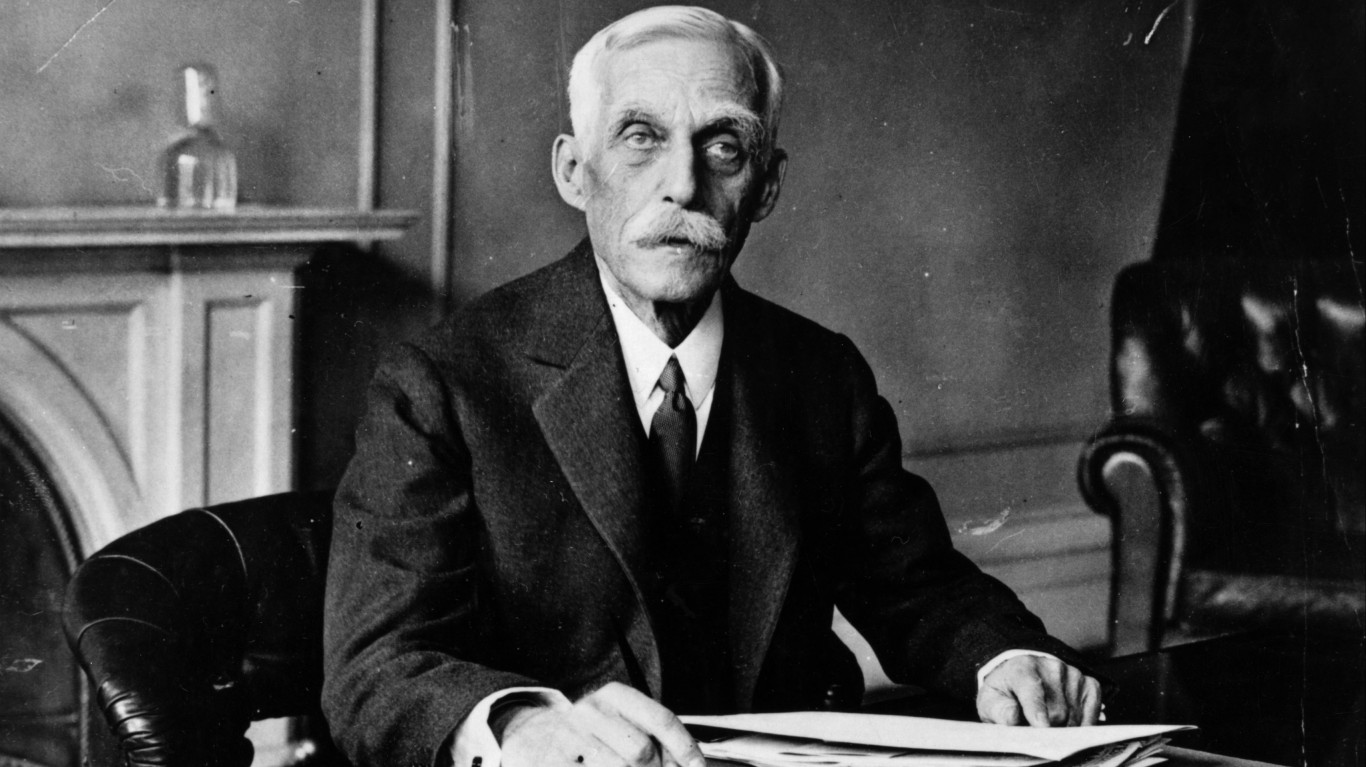
Two rules remain in place today that are important to know when setting up your family. The 2026 annual gift tax exclusion and the lifetime estate tax exemption rest on the same idea: assets handed over during life take their future growth with them. Andrew Mellon, the Pittsburgh banker who served as Treasury Secretary from 1921 to 1932, died on August 26, 1937. When his will was made public, Time reported that his children had already been provided for. The rest of what it called “a very large estate” went to an educational and charitable trust.
Those two children were Ailsa Mellon Bruce and Paul Mellon. In 1957, Fortune published its first list of the wealthiest Americans. Both children placed among the eight richest people in the country, along with their cousins Richard King Mellon and Sarah Mellon Scaife. Fortune estimated that each was worth between $400 million and $700 million.
Why Early Gifts Keep Future Growth Out of an Estate
Federal law values a gift of property at what it was worth on the date of the gift, under 26 U.S.C. § 2512(a)[1]. At death, 26 U.S.C. § 2001(b)[2] figures the estate tax on the taxable estate plus “adjusted taxable gifts” made after December 31, 1976[2]. Those gifts are added back at their value on the gift date, and any growth after the transfer goes to the recipient and remains outside the giver’s estate.
2026 Gift Limits That Decide Who Owes Tax
The annual exclusion is the first limit. Under Section 2503(b)(1), each donor can exclude gifts to any one recipient up to a set amount each calendar year, as long as the gifts are present interests. A present interest means the recipient can use the property right away. The annual exclusion for 2026 is $19,000 per recipient, and it applies separately to each person a donor gives to.
The lifetime basic exclusion amount is the second limit. It covers taxable gifts and the estate at death together. For 2026, it is $15,000,000, up from $13,990,000 for 2025, after amendments from the One Big Beautiful Bill. 26 U.S.C. § 2010(c)(3)[3] sets that figure and indexes it to inflation for deaths after 2026[3].
A gift above the annual exclusion usually means filing a gift tax return, but it usually does not mean paying tax. The unified credit in 26 U.S.C. § 2505(a)[4] offsets gift tax, and each amount of credit used during life lowers the amount left for later years. A 2026 IRS revenue procedure gives an example. A donor whose gifts to one person exceed $19,000 must file a return. The donor owes no gift tax as long as enough lifetime exclusion remains.
Who Gets the Most From It and Who Gets Little
The unified credit applies to U.S. citizens and residents. Anyone can give within the annual exclusion. The lifetime exemption matters mainly to estates that could exceed $15,000,000. Of the 7,195[5] estate tax returns filed in 2024, 2,663 owed any net estate tax.
How the 2026 Gift Rules Apply Before Year-End
- The exclusion is applied per recipient. Each donor gets a separate $19,000 exclusion for each recipient in 2026.
- Outright gifts, or other gifts treated as a present interest, qualify, while gifts of future interests do not qualify for the annual exclusion.
- Gifts are applied within the calendar year. The exclusion runs by calendar year, so gifts made after December 31 apply toward 2027.
- Form 709 is then required. If gifts to any one person go over the exclusion, the return is due by the 15th day of April[6] of the following year, under 26 U.S.C. § 6075(b)(1). An extension for an individual income tax return also covers the gift tax return.
- A record of what the donor originally paid for the given property documents the recipient’s basis.
Basis Trade-Off That Can Cost Heirs Money
A recipient takes over the giver’s tax basis along with the gift. Under 26 U.S.C. § 1015(a), the recipient’s basis is the same as the donor’s. If the asset is worth less than the donor’s basis at the time of the gift, the lower fair market value applies when figuring a loss. Inherited property follows a different rule. Under 26 U.S.C. § 1014(a)(1), the basis resets to fair market value on the date of death.
That can eliminate the gain built up during the original owner’s lifetime. An asset that has gained a lot in value passes all of that gain to the person who gets it as a gift. That person owes capital gains tax when they sell it. IRS Publication 550 adds that, for given digital assets, a recipient with no record of the donor’s basis is treated as having zero basis.
Gifting assets moves future growth outside the donor’s estate, which applies to estates that could reach the $15,000,000 exemption. For low-basis assets held by people well below that level, a step-up in basis at death resets the built-up gain.
Contact [email protected] for any questions or corrections.
David Beren has been a Flywheel Publishing contributor since 2022. Writing for 24/7 Wall St. since 2023, David loves to write about topics of all shapes and sizes. As a technology expert, David focuses heavily on consumer electronics brands, automobiles, and general technology. He has previously written for LifeWire, formerly About.com. As a part-time freelance writer, David’s “day job” has been working on and leading social media for multiple Fortune 100 brands. David loves the flexibility of this field and its ability to reach customers exactly where they like to spend their time. Additionally, David previously published his own blog, TmoNews.com, which reached 3 million readers in its first year. In addition to freelance and social media work, David loves to spend time with his family and children and relive the glory days of video game consoles by playing any retro game console he can get his hands on.