A Widow at 53 Is Too Young for Survivor Benefits. Pennsylvania Still Lowers Her Property Taxes.
Social Security told her to wait seven years, but Pennsylvania built a quiet side door into its tax code that most widows under 60 never find in time.

This post may contain links from our sponsors and affiliates, and Flywheel Publishing may receive compensation for actions taken through them.

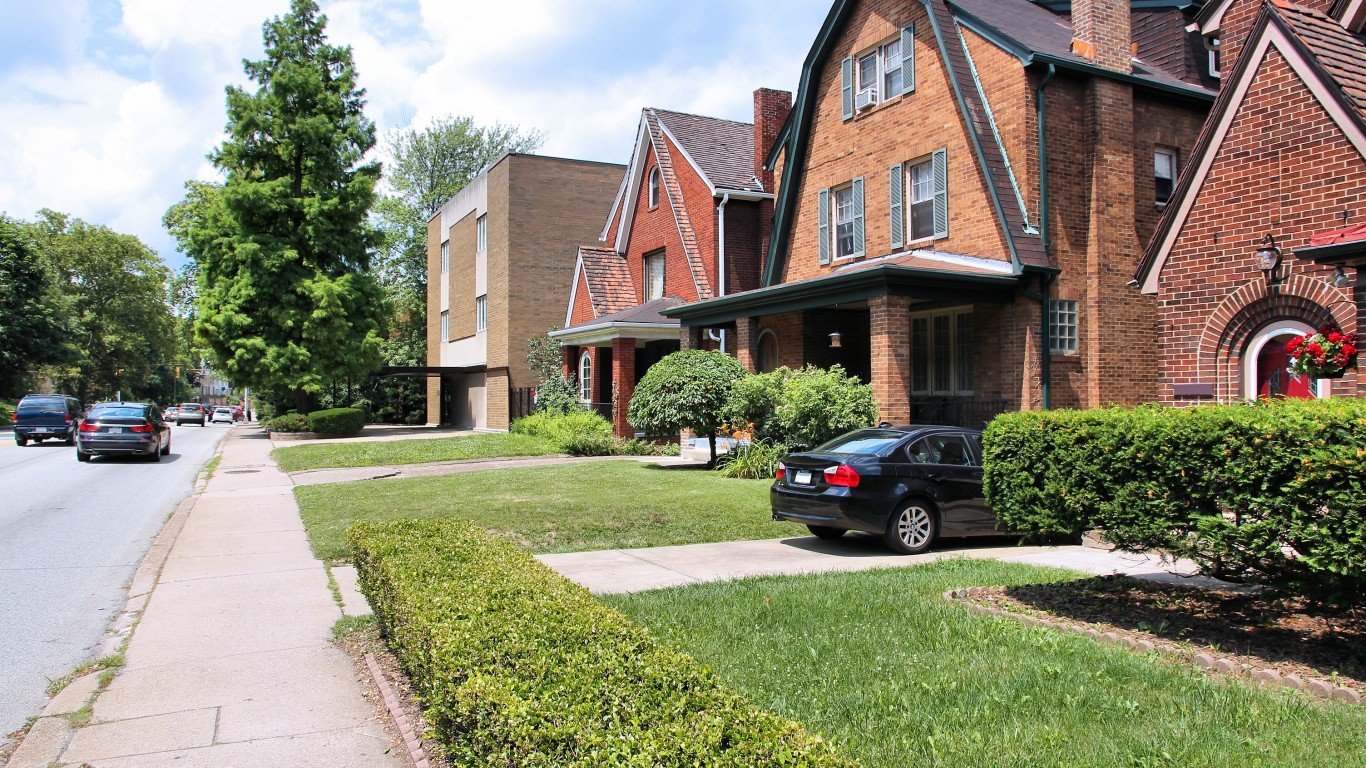
At 53, she is still living in the Pennsylvania house she and her husband paid down together. His paycheck stopped the day he died. Hers keeps the lights on, but the mortgage, property taxes, and homeowners insurance were built for two incomes. When she called Social Security about survivor benefits, the answer landed hard: She was too young. A widow on an online forum described the same shock. Her husband paid into Social Security for 35 years, yet she was told she had to wait seven more years before a single dollar came her way.
That gap between the funeral and the first survivor check is where younger widows quietly go under. It is also where a small, oddly designed Pennsylvania program can matter more than people realize.
The Age Rule That Defines the Next Seven Years
Social Security survivor benefits for a widow or widower generally cannot begin until age 60. The only earlier door opens at 50, and only with a qualifying disability. A widow caring for the deceased worker’s child under 16 can claim at any age, but once that child ages out, the checks generally stop until she turns 60.
For a healthy 53-year-old with no minor children at home, the calendar becomes its own financial problem: seven years without a check, followed by a lower amount if she claims at 60 instead of waiting until full retirement age (FRA). Claiming at 60 generally pays 71.5% of the full benefit. If that benefit would be $2,000 at FRA, she receives roughly $1,430, leaving $570 a month on the table for as long as she collects the reduced amount.
When to file at 60 or later is one of the biggest Social Security levers she has. The right answer depends on factors like cash flow, part-time earnings, longevity, and whether her own retirement benefit could eventually become the larger check.
Why Pennsylvania’s Rebate Opens a Side Door at 50
Pennsylvania’s Property Tax/Rent Rebate Program is one of the few state initiatives that explicitly recognizes the widow gap. According to the Pennsylvania Department of Revenue, eligibility opens to people 65 and older, widows and widowers 50 and older, and people with disabilities 18 and older. Household income must be $48,110 or less annually, but only half of Social Security income counts toward that limit.
The standard rebate ranges from $380 to $1,000 based on income. Some homeowners qualify for an additional $190 to $500, bringing the maximum total to $1,500. The program is funded by the Pennsylvania Lottery and gaming, and applications for rebates on property taxes or rent paid in 2025 are being accepted through December 31, 2026.
A rebate in the hundreds cannot replace a spouse’s income, but it takes a bite out of the property tax bill in exactly the years when no survivor check is coming in. For a widow paying $4,500 a year in property taxes on a modest Pennsylvania home, a $1,000 rebate covers nearly three months of that bill.
Fitting the Pieces Together Before Age 60
Two other levers deserve attention while she waits. First, waiting does not mean missing Social Security’s annual inflation adjustments. Her late husband’s underlying benefit receives applicable cost-of-living adjustments (COLAs) before she claims, while her survivor percentage rises from 71.5% at 60 to as much as 100% at survivor FRA. The 2026 COLA was 2.8%, based on the rise in CPI-W between the third quarters of 2024 and 2025.
Second, retirement-account withdrawals can push her over Pennsylvania’s $48,110 rebate threshold. The program counts the gross amount of pension, annuity, and IRA distributions, although qualifying rollovers are excluded. One large IRA withdrawal could quietly cost her the rebate she had otherwise qualified to receive.
What to Get Right, and What Is Hard to Undo
Two variables are worth sitting with before making any moves:
- File for the Pennsylvania rebate every year she qualifies. It is one of the few forms of relief specifically available to widows under 60, and an application submitted after the final deadline will not be accepted.
- Do not rush the survivor claim at 60 unless cash flow requires it. The early-claiming reduction remains in place while she collects that survivor benefit. Part-time earnings can also cause benefits to be withheld before FRA. If other income, the rebate, and careful withdrawals can carry her longer, each month she waits raises the survivor percentage.
Every widow’s situation carries its own nuances, from her late husband’s earnings record to whether her own retirement benefit could become the larger check. Survivor and retirement benefits are separately claimable, which may allow her to start one and switch to the other later. The rules above are the frame. The details determine which door to walk through, and in what order.
Contact [email protected] for any questions or corrections.
Gerelyn Terzo is the author of dividend investing handbook "Dividend Investing Strategies: How to Have Your Cake & Eat It Too." A veteran financial journalist, she covers agri-finance for outlets like Global AgInvesting and the broader stock market and personal finance for 24/7 Wall Street. She began at CNBC and later helped launch Fox Business in New York. Gerelyn currently resides in Woodland Park, Colorado and dabbles in nature photography as a hobby.