His Income Topped Pennsylvania’s $48,110 Rebate Limit. He Still Qualified.
Frank tallied his Social Security and pension every spring, decided he earned too much for Pennsylvania's property tax rebate, and walked away. He had been doing the math wrong for years.

This post may contain links from our sponsors and affiliates, and Flywheel Publishing may receive compensation for actions taken through them.

A Rebate Left on the Table
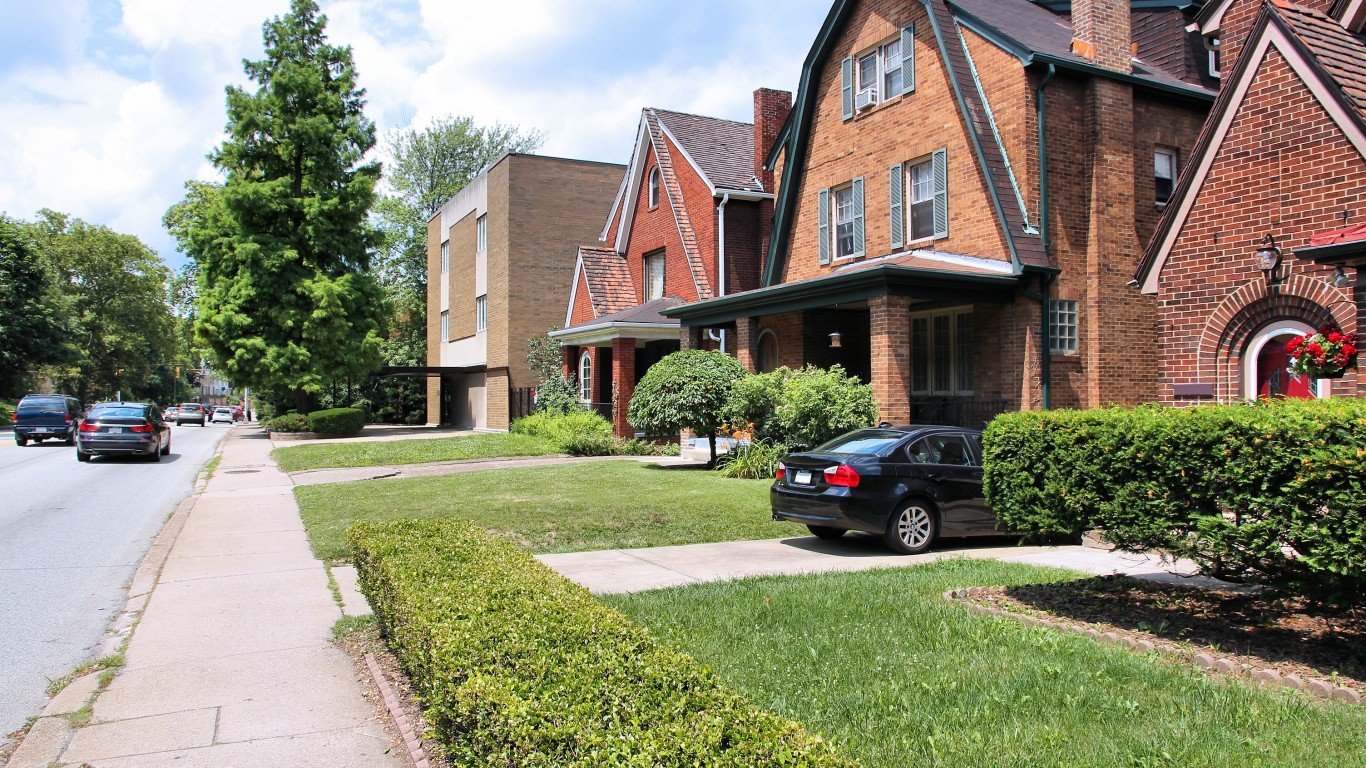
Frank is 70, lives alone in a small Pennsylvania row house, and pays his property taxes from a checking account he watches closely. His income is a monthly Social Security check and a modest pension from decades on a factory floor. Every spring he sees the ads for Pennsylvania’s Property Tax/Rent Rebate, glances at his 1099s, tallies the totals in his head, and decides he earns too much. So he never applies.
He is not alone in that mistake. On one retiree forum, a widower described the same thing: he assumed his gross retirement income disqualified him, only to learn from a neighbor that the state was not counting it the way he was. Once he sat down with the actual rules, he was under the ceiling with room to spare.
That is the trap. When a program uses the word income, retirees assume it means the number on their tax return. It rarely does. In Pennsylvania, the definition is generous enough to change the answer.
The Rule That Rewrites the Math
Pennsylvania’s Property Tax/Rent Rebate Program has a household income ceiling of $48,110 for rebates on property taxes or rent paid in 2025. That number sounds strict until you read how the state measures it. Applicants may exclude half of their Social Security benefits when comparing income with the ceiling. The other half counts, along with pensions, interest, dividends, and most other income, but that single exclusion often decides eligibility.
Play it out with round numbers. Suppose Frank receives $28,000 a year from Social Security and $24,000 from his pension. His gross income is roughly $52,000, which looks like a clear miss. But only half of his Social Security counts. That leaves $14,000 from Social Security plus the $24,000 pension, putting his rebate income at about $38,000. Under the current rules, he qualifies for a $380 rebate.
That may not sound dramatic until the property-tax bill arrives. The standard rebate ranges from $380 to $1,000. Certain homeowners with income of $32,070 or less can also receive a supplemental rebate, bringing the maximum to $1,500. Frank would not qualify for that kicker at $38,000, but $380 is still money he was preparing to leave in Harrisburg.
Why Retirees Miss This Every Year
Frank’s confusion is understandable. Federal taxable income, adjusted gross income (AGI), combined income for Social Security taxation, and Pennsylvania rebate income are four different animals. Each program writes its own definition. Two formulas may both count half of Social Security and still produce different answers because they include different income elsewhere. Mental math built from a federal return is not enough.
Pennsylvania now adjusts its income ceiling annually to account for rising costs, which helps keep a Social Security cost-of-living adjustment (COLA) from automatically pushing recipients out. But that protection cannot help someone who screens himself out using gross income and never applies.
What to Do Before You Assume You Don’t Qualify
Two quick checks can keep hundreds of dollars from slipping through the cracks:
- Read the program’s definition of income. Pennsylvania’s instructions say to exclude half of Social Security, Supplemental Security Income, state supplementary payments, and Railroad Retirement Tier 1 benefits when calculating eligibility income. Your federal 1040 total is not the number that matters here.
- Apply if you are close. Eligible applicants include people 65 and older, widows and widowers 50 and older, and people with disabilities 18 and older. Applications for rebates on 2025 property taxes or rent are open through December 31, 2026. Filing is free. An unfiled application guarantees a rebate of zero.
The hardest mistake to undo in retirement is the quiet one: assuming you are not eligible and never checking. Rules vary, definitions shift, and one line in the instructions can move you from no to yes. Twenty minutes is a fair trade for finding out.
Contact [email protected] for any questions or corrections.
Gerelyn Terzo is the author of dividend investing handbook "Dividend Investing Strategies: How to Have Your Cake & Eat It Too." A veteran financial journalist, she covers agri-finance for outlets like Global AgInvesting and the broader stock market and personal finance for 24/7 Wall Street. She began at CNBC and later helped launch Fox Business in New York. Gerelyn currently resides in Woodland Park, Colorado and dabbles in nature photography as a hobby.