Jamie Dimon Says the Bottom 20% Were Left Behind. At 62, One Worker Couldn’t Afford Eight More Years Without Social Security.
Waiting until 70 can turn a $1,300 monthly Social Security check into a $2,300 one, but for a 62-year-old with worn-out knees and no pension, the math starts asking questions that benefit estimates alone cannot answer.

This post may contain links from our sponsors and affiliates, and Flywheel Publishing may receive compensation for actions taken through them.
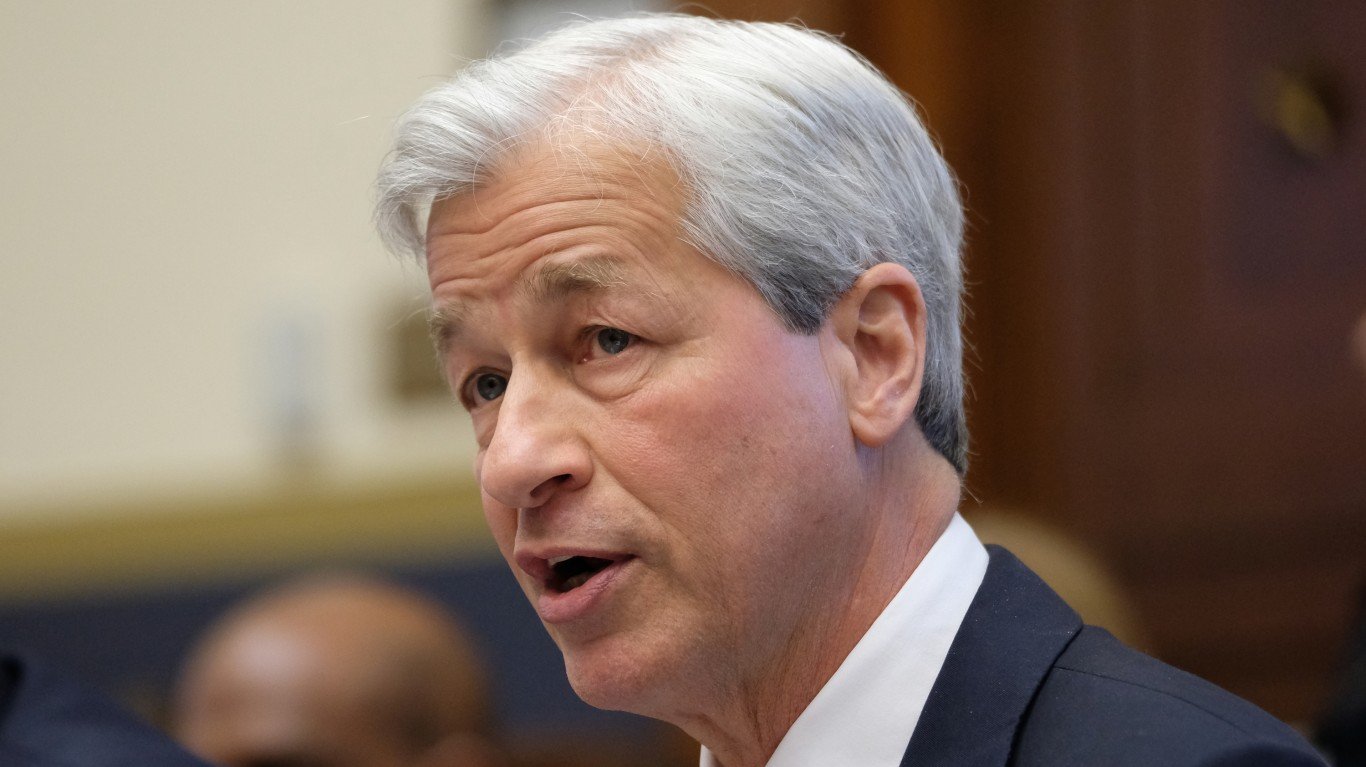
Jamie Dimon has argued that Americans in the bottom 20% went two or three decades without a meaningful pay increase. Many earn less than $20 an hour, he noted, while living with worse health and fewer financial cushions. For these workers, “wait until 70” can sound less like retirement advice than an invoice for eight more years of rent, groceries, and worn-out knees.
Picture a 62-year-old man who spent four decades moving among warehouse jobs, restaurant kitchens, and janitorial work. He has a small savings cushion, no pension, and knees that make another eight years on concrete difficult to imagine. His Social Security statement shows approximately $1,300 a month if he claims now and $2,300 if he waits until 70.
On paper, waiting buys him a much larger check. In his life, it asks him to finance eight years he may not be able to afford.
The Eight-Year Price of Waiting
Social Security rewards delay. For someone whose full retirement age (FRA) is 67, claiming at 62 can shrink the monthly benefit by as much as 30%. Waiting from 67 to 70 adds delayed-retirement credits of approximately 8% a year. Those percentages apply regardless of income. The practical difference is that a higher earner may have a pension, retirement account, or flexible job to cover the gap. This worker has his next paycheck and not much behind it.
Using the estimates above, claiming at 62 would put roughly $124,800 into his hands before age 70. Waiting would produce about $1,000 more each month afterward. Ignoring taxes, investment returns, and other household benefits, the larger check would need approximately ten more years to recover what he gave up. His break-even point lands around age 80 or 81. That does not make claiming at 62 an automatic win. It does show why the larger monthly number cannot settle the decision by itself.
Longevity Does Not Land Evenly
Lower earners, as a group, tend to have shorter lives than higher earners. In its latest research on the topic, the Government Accountability Office found that lower-income men approaching retirement lived an average of 3.6 to 12.7 fewer years than higher-income men across the studies it reviewed. Their shorter lifespans reduced projected lifetime Social Security benefits by as much as 11% to 14%.
That research does not tell this particular worker how long he will live. A healthy 62-year-old with long-lived parents may collect well into his 90s, making the larger age-70 benefit extremely valuable. Delaying also provides insurance against the financial risk of living longer than expected. The research does tell us that universal advice to wait rests on a longevity assumption that is not distributed equally. A worker whose health is already declining may never reach the break-even age. Even if he does, he may collect the larger benefit for fewer years.
Social Security Already Replaces More of His Pay
The benefit formula gives low earners a higher replacement rate than it gives high earners. For a worker who first becomes eligible in 2026, Social Security calculates 90% of the first $1,286 in average indexed monthly earnings, 32% of earnings between $1,286 and $7,749, and 15% above that second line. That progressive formula helps turn a modest earnings record into a meaningful retirement floor. It does not make the claiming age irrelevant. Filing at 62 still reduces the benefit, while waiting still raises it.
The tension is sharper for someone with little else. The smaller check matters more because he needs it now. The larger check also matters more because he may have few other resources if he reaches 85 or 90.
His Budget Gets a Vote
Bridging the years from 62 to 70 would mean continuing physically demanding work, spending down limited savings, or borrowing money. None of those options is free. Using retirement savings to delay Social Security can make sense when the account is large enough to carry the load. Emptying a thin account leaves him exposed to the first roof repair, medical bill, or car problem. Credit-card debt creates an even steeper hurdle. A larger Social Security check at 70 may not compensate for eight years spent paying interest to reach it.
Claiming early brings its own complications. Medicare generally does not begin until 65, so he still needs health coverage. If he continues working before FRA, wages above the annual limit can cause Social Security to withhold part of his benefit. A spouse’s benefit or future survivor benefit can also change the household calculation.
What to Settle Before Filing
Three parts of his life belong beside the benefit estimate:
- Price the bridge to 70. Add the rent, insurance, debt payments, and other expenses that must be covered without Social Security. Then identify where that money would actually come from.
- Use personal health, not income alone. Current health, the physical demands of the job, and family longevity say more about his decision than an average lifespan does.
- Check the household consequences. Continued wages, health coverage before Medicare, spousal benefits, and survivor protection can all shift the better claiming age.
Waiting until 70 remains powerful longevity insurance for anyone able to finance the delay. This worker’s problem is not that he failed to understand the larger number. He may simply lack the money and the knees needed to reach it. The worker in Dimon’s bottom 20% is not ignoring the math. He is supplying the part the math left out: what it costs him to make it to 70.
Contact [email protected] for any questions or corrections.
Gerelyn Terzo is the author of dividend investing handbook "Dividend Investing Strategies: How to Have Your Cake & Eat It Too." A veteran financial journalist, she covers agri-finance for outlets like Global AgInvesting and the broader stock market and personal finance for 24/7 Wall Street. She began at CNBC and later helped launch Fox Business in New York. Gerelyn currently resides in Woodland Park, Colorado and dabbles in nature photography as a hobby.