58% of Credit-Strapped Shoppers Dread the Holidays. For SSI Recipients, a Cash Gift Can Shrink a Later Check
A $200 holiday card tucked into a grandparent's mailbox can quietly trigger a chain reaction inside the Social Security Administration, and the smaller check arrives long after the wrapping paper is gone.

This post may contain links from our sponsors and affiliates, and Flywheel Publishing may receive compensation for actions taken through them.
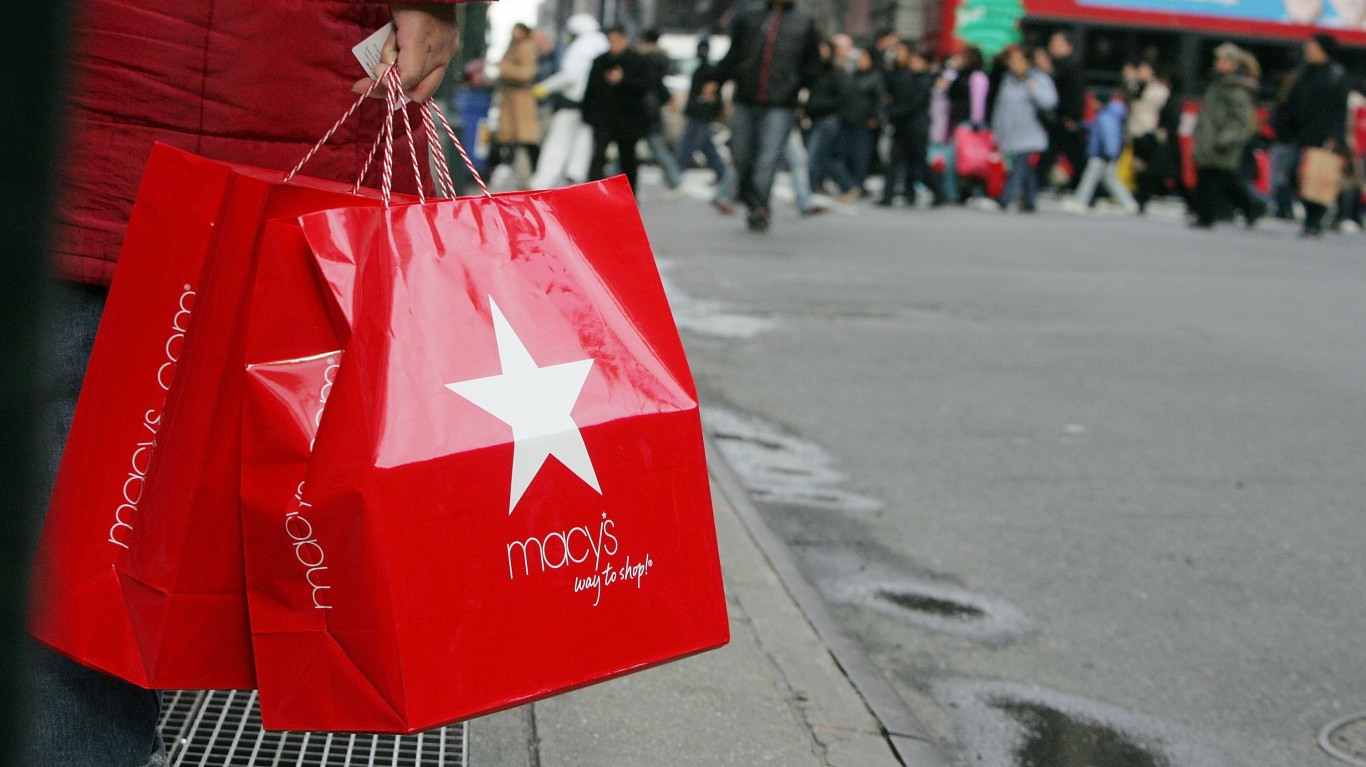
The holiday shopping season is barely underway, and many Americans are already worried about the cost. A Snap Finance survey released October 19 found that 58% of consumers with credit scores below 670 are concerned about affording holiday purchases this year.
When money is tight, a lot of families skip the wrapped gift and tuck cash into a card for an older relative. That’s usually a kind and practical choice. For someone on Supplemental Security Income, the needs-based program for older, blind or disabled people with very little income and savings, that card can lead to a smaller check down the road.
Meet Dolores and Her $200 Christmas Card
Dolores is a hypothetical 74-year-old who lives alone on Supplemental Security Income (SSI). For Christmas, her nephew slips $200 into a card. To him it’s a small gesture. To the Social Security Administration, it’s income.
It’s an easy rule to overlook. What Dolores sees as a Christmas present, Social Security may count against the benefits she depends on.
How a Holiday Gift Turns Into a Smaller February Check
The agency counts cash from friends and relatives as unearned income. As a general rule, the more countable income an SSI recipient has, the smaller the payment. The full federal SSI rate for an individual is $994 a month in 2026, so a $200 gift equals about 20% of a full month’s benefit.
Two exclusions can soften the hit:
- Infrequent income: Social Security can exclude up to $60 in occasional unearned income per calendar quarter. Generally, the money must come no more than once during the quarter from the same source, with no income from that source in the preceding or following month. Money received unexpectedly may also qualify as irregular income.
- General exclusion: The agency doesn’t count the first $20 of most income in a month. Many older SSI recipients also get a small Social Security check, and in that case the $20 usually gets used up against that check.
Here’s the short version. If Dolores has no other income and her $200 gift qualifies for both exclusions, $120 counts against SSI. If another benefit already uses up her $20 monthly exclusion, that rises to $140. And if her nephew sends more cash in January, she could lose the infrequent-income exclusion on the Christmas gift, making the reduction even larger.
Timing also catches people off guard. SSI usually figures each month’s payment from countable income received two months earlier, so a December gift typically shows up in the February check, well after the holidays are over.
Money Left in the Bank Becomes a Second Problem
If Dolores still has the cash when the next month begins, it stops being income and starts counting as a resource. The 2026 SSI resource limit is $2,000 for an individual and $3,000 for a couple. For someone whose checking account already sits close to that line, leftover gift money could push her over.
This is an SSI rule only. Regular Social Security retirement benefits come from a person’s work record, and a personal gift doesn’t reduce them at all. A grandparent living on an ordinary retirement check can take the card and spend it however she likes.
SSI recipients do have to report the gift. The agency asks for changes no later than the tenth day of the month after they happen, which for a December gift means by early January. If a gift goes unreported, SSA can end up overpaying and then take the money back later, often at a worse moment.
Smarter Ways to Give When Someone You Love Gets SSI
Families have two simple options that work within the rules:
- Keep cash small and occasional. A single card of $60 or less in a quarter, with no cash from the same person in the month before or after, can be fully excluded.
- Pay a bill directly. According to SSA, money someone else spends on your expenses for items other than food or shelter, such as a phone or medical bill, doesn’t count as income.
So the most useful gift for Dolores might be her phone bill, paid in full, with nothing left over for the agency to count. Every SSI case is different, and things like where she lives or who she lives with can change the numbers, so a quick call to her local Social Security office before the holidays is worth the few minutes it takes.
Contact [email protected] for any questions or corrections.
Gerelyn Terzo is the author of dividend investing handbook "Dividend Investing Strategies: How to Have Your Cake & Eat It Too." A veteran financial journalist, she covers agri-finance for outlets like Global AgInvesting and the broader stock market and personal finance for 24/7 Wall Street. She began at CNBC and later helped launch Fox Business in New York. Gerelyn currently resides in Woodland Park, Colorado and dabbles in nature photography as a hobby.