He Turned His Orchard Into a Dirt-Dumping Business. $30,000 in Earnings Could Put $2,760 of His Social Security on Hold
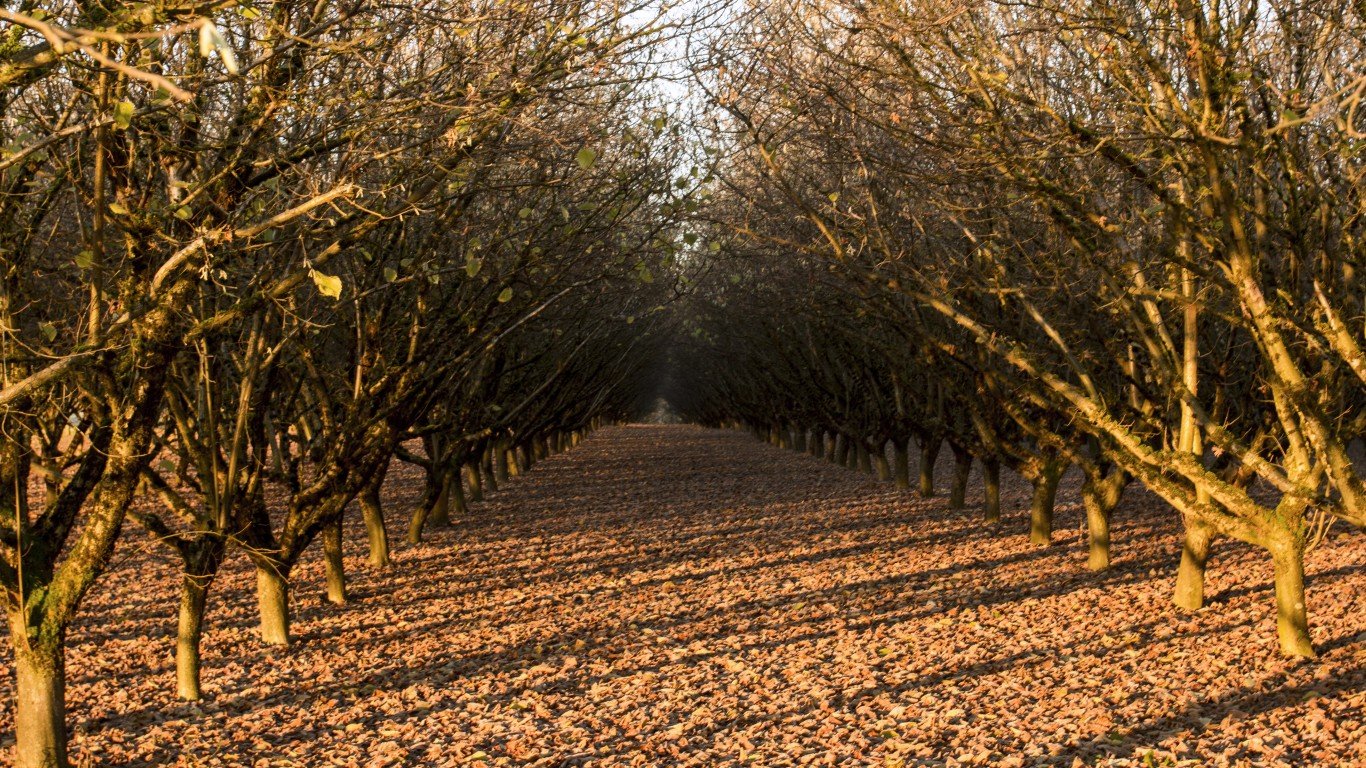
When an Oregon retiree started charging dump trucks to unload fill dirt on his orchard, the county called it farming. Social Security may see something else entirely, and the difference could quietly drain his monthly checks.

This post may contain links from our sponsors and affiliates, and Flywheel Publishing may receive compensation for actions taken through them.
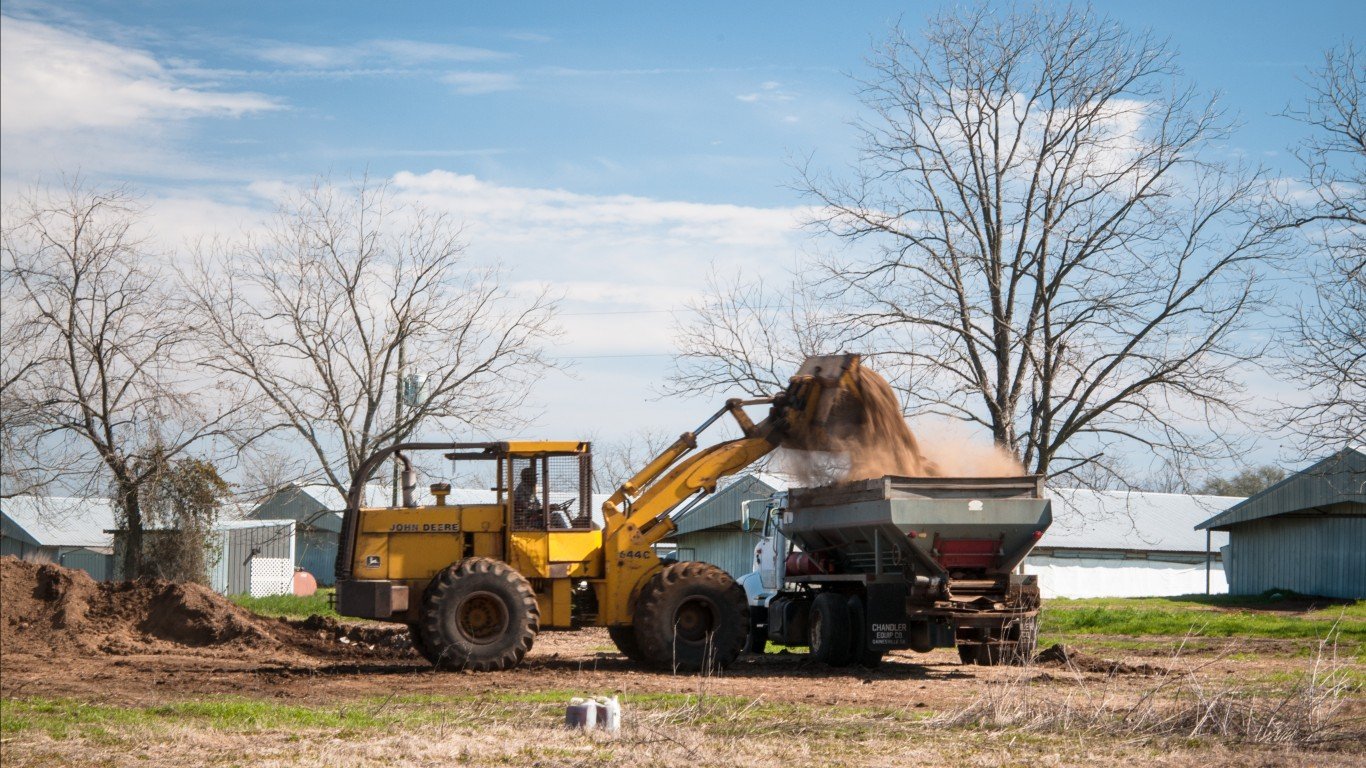
An Oregon orchard has become the center of a fight over whether dumping excavated dirt counts as farming. Marion County approved the use, but farmland advocates are challenging that decision, Capital Press reported October 14. For a retired landowner, the dirt could raise another question: Could the money coming in cost him Social Security checks?
Take a hypothetical retiree, 63, already collecting Social Security, with an orchard that stopped paying years ago. Now dump trucks roll in with fill dirt from construction sites. He charges per load, keeps gate hours, waves drivers to the right spot and grades the piles with his own loader. To him, the land is finally earning its keep again. To Social Security, he has a job.
Because he is below the age for full benefits, the profit from that dirt business can pull money out of his benefit checks.
Why Dirt Fees Count When Rent Usually Gets a Pass
The retirement earnings test looks at two kinds of income: wages and net earnings from self-employment. Pensions, interest and investment income are left out of it.
Rent usually gets left out too. Federal tax law excludes rentals from real estate from self-employment income, with exceptions for real estate dealers and for some farm arrangements where the owner is actively involved. If he leased a back field to a operator for a flat monthly check and stayed out of the work, that money would look like rent.
He does the opposite. He sets prices, takes the deliveries and spreads the soil. He’s not just collecting rent anymore. He’s running a dirt-disposal operation, and the profits could count as earnings from his business. A county’s “farm use” approval answers a zoning question. Social Security asks its own question: is he actively running a business?
Run the Numbers on His 2026 Benefits
The 2026 rules from the agency say beneficiaries under full retirement age (FRA) can earn $24,480 for the year before the earnings test kicks in. Above that line, Social Security deducts $1 for every $2 of earnings.
Say his countable net self-employment earnings for 2026 come to $30,000. He has no other work income, and the special first-year rule doesn’t apply. In that case, $2,760 of his benefits could be put on hold.
This is usually collected by holding back whole monthly payments early in the year. The other checks arrive in full. If he hasn’t planned for it, a January with no deposit can come as a shock.
Two Details That Can Shrink the Damage
The first is expenses. Social Security looks at what he earns after business costs, not the total he collects from truck drivers. Loader fuel, equipment repairs, insurance and permits all come off before Social Security sees a number. The $30,000 in this example is what Social Security counts after business expenses and its adjustment for self-employed workers. Poor records can push the countable figure higher than it really is.
The second is timing. In the first year someone collects retirement benefits, a special rule lets Social Security pay a full benefit for any whole month it considers the person retired, no matter what the annual earnings are. For a self-employed person, that depends on how much work he actually puts into the business that month. If he started collecting this year, months when he did little or no work in the business could still bring full Social Security checks.
Withheld money also comes back. When he reaches the age for full benefits, Social Security gives him credit for the months his checks were withheld. His monthly benefit goes up, but the money doesn’t come back in a lump sum. How much he eventually recovers depends on how long he lives.
What to Gather Before the Next Truck Arrives
Before he treats disposal fees as easy side money, he should take his load bills, expense receipts and tax schedules to a CPA. A business like his generally reports its profit on Schedule C and figures self-employment tax on Schedule SE. But calling the money rent on a tax form doesn’t change what he actually does to earn it.
Then he should give Social Security a realistic estimate of his annual earnings. If he guesses too low, the overpayment gets clawed back later, often when it is least convenient.
The bigger choice is how he sets up the deal. Running the site himself brings in more money, and some of it gets withheld until he reaches the age for full benefits. A true lease, where someone else runs the operation, changes his benefits picture and possibly the zoning picture too. Phasing out of work this way comes with a handful of tax traps most people don’t see coming (we mapped them in a free semi-retirement playbook). Each orchard, contract and county is different, so it pays to get the structure right before the first truck of the season pulls in.
Contact [email protected] for any questions or corrections.
Gerelyn Terzo is the author of dividend investing handbook "Dividend Investing Strategies: How to Have Your Cake & Eat It Too." A veteran financial journalist, she covers agri-finance for outlets like Global AgInvesting and the broader stock market and personal finance for 24/7 Wall Street. She began at CNBC and later helped launch Fox Business in New York. Gerelyn currently resides in Woodland Park, Colorado and dabbles in nature photography as a hobby.