Skin-Care Resolutions Dermatologists Want You to Keep
Marko_Marcello / Getty Images 6. Always remove makeup before bed Wearing makeup overnight can lead to eye irritation, styes, infections, lash breakage, acne, and dry skin, among other problems, Richmond noted. Free radicals can be trapped by makeup, leading to…


The skin, which is the largest organ of the body, plays a major role in a person’s wellbeing as it protects against bacteria and viruses. In order for your skin to keep you healthy, however, you need to keep it healthy, too.
This is easier said than done. Skin diseases, many of which can be serious or even deadly, affect one in four people in the United States every year, according to the American Academy of Dermatology. There are more Americans with skin disease than heart disease or diabetes.
“Often the most common mistake is people doing too much for their skin,” according to Dr. Jason Miller of Schweiger Dermatology Group in New Jersey. Complicated regimens can be time consuming, expensive, and irritating, he noted.
Skin care regimens vary from person to person, based on type of skin and needs. “It is essential to work with your dermatologist to help create a safe, simple, and affordable skin care regimen that you will actually use (and hopefully enjoy using),” Miller said.
But keep in mind that there is no miracle solution to any skin problem, he added. “Skin care regimens are marathons rather than sprints — results are seen gradually with time.” As is the case with all resolutions, you have to stick to them. And some are more effective than others.
To create a list of important skin care resolutions people should stick to, 24/7 Wall St. consulted board certified dermatologists with more than 20 years of combined experience.
Click here for the 17 resolutions dermatologists want you to keep.

1. Wear sunscreen regularly
Not wearing sunscreen regularly is one of the most common mistakes Dr. Heather Richmond, a dermatologist at the Dermatology and Laser Surgery Center in Houston, sees. “Wearing a daily sunscreen is the most important thing you can do to slow down the aging process.” This will lead to significantly fewer wrinkles and other signs of aging later in life, she noted. It will also reduce the risk of skin cancer.
“If you really want to keep your skin looking young, use a sunscreen with SPF 30 or greater 365 days a year,” Miller said.
2. Beware of allergic reactions
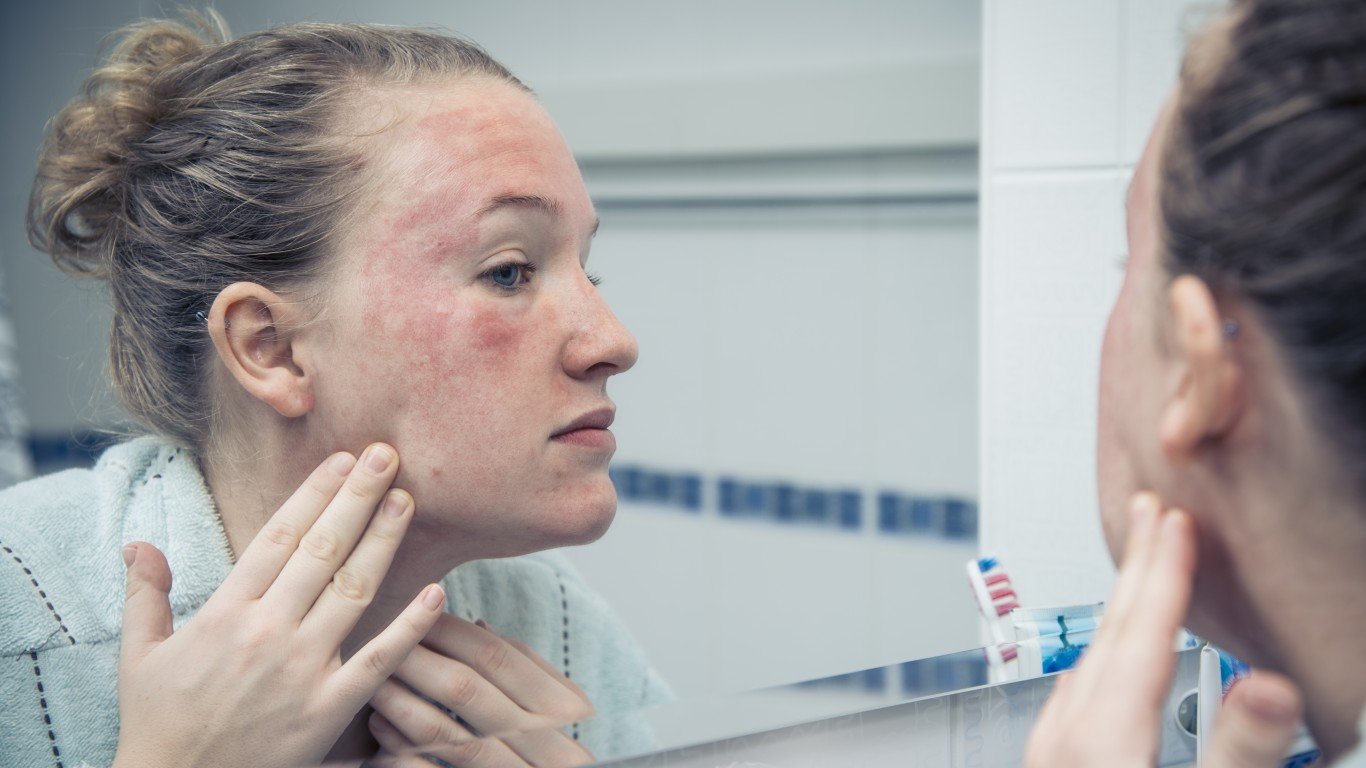
The most serious mistake people can make while thinking they actually take care of their skin is using products that generate an allergic reaction, Miller said. “Often this can be subtle, such as a small red rash or itching on the eyelids.” This may happen more often than you think. A study of 900 people found that a third had at least one allergic reaction to ingredients in skin care products, which vary from shampoos to cologne.
3. Moisturize regularly
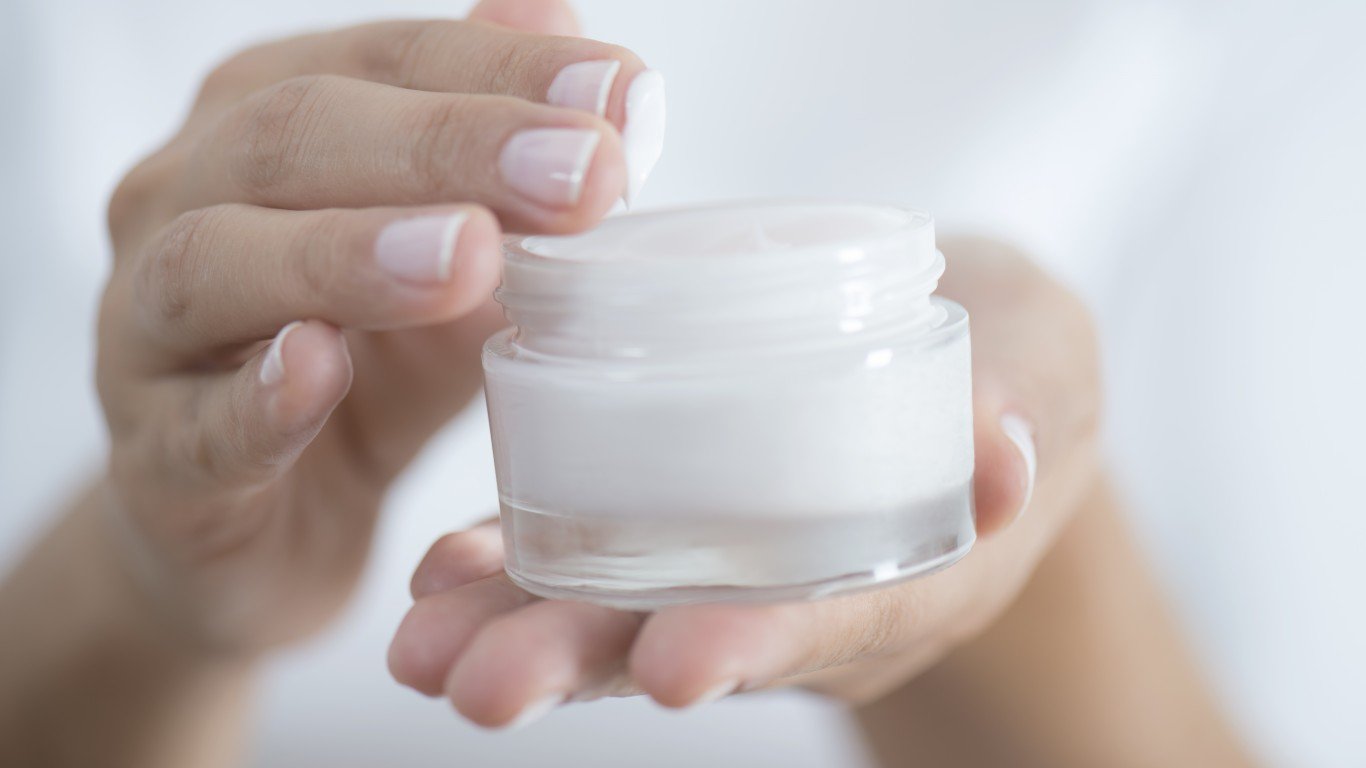
“Many patients, particularly men, do not moisturize their skin regularly,” Richmond said. “Yet they frequently complain of flaking and itching.” Dry skin can be very itchy and lead to a lackluster, dull appearance, she noted. “Use a gentle soap and moisturize daily after the shower for dramatic improvement in these symptoms.”
How often you should moisturize depends on your skin type and oil production, she noted. As we age, we don’t produce natural oils as well and skin begins to dry out. “Older patients will need to moisturize more often than younger patients and generally will need to use a heavier cream.” Younger patients tend to be acne prone, and will need a lighter, oil-free moisturizer. “I generally recommend moisturizing at least once per day, but some patients may need to moisturize several times per day, particularly those who are very dry or prone to eczema,” she added.

4. Don’t overuse exfoliators
“Moisturizers should be used at least once daily to both the face and body, especially after washing, MIller said.” This helps maintain the natural texture and softness of the skin. Exfoliators are less essential and can be very irritating if overused, he added. “These can be used two to three times per week for those with normal skin types but should be limited to once weekly in those with sensitive skin.”

5. Forget about tanning beds
Actively tanning, especially in tanning beds, is the most serious mistake you can make to hurt your skin, according to Richmond. Tanning is significantly linked to the development of all skin cancers, including melanoma, which can be deadly, she noted. “I am seeing much more melanoma and basal cell carcinoma in young women as early as their 20’s and 30’s who have a history of tanning.” In addition to increasing the risk of skin cancer, tanning dramatically accelerates aging of the skin, resulting in earlier wrinkles, uneven skin tone, persistent redness, and brown spots, Richmond added.
6. Always remove makeup before bed
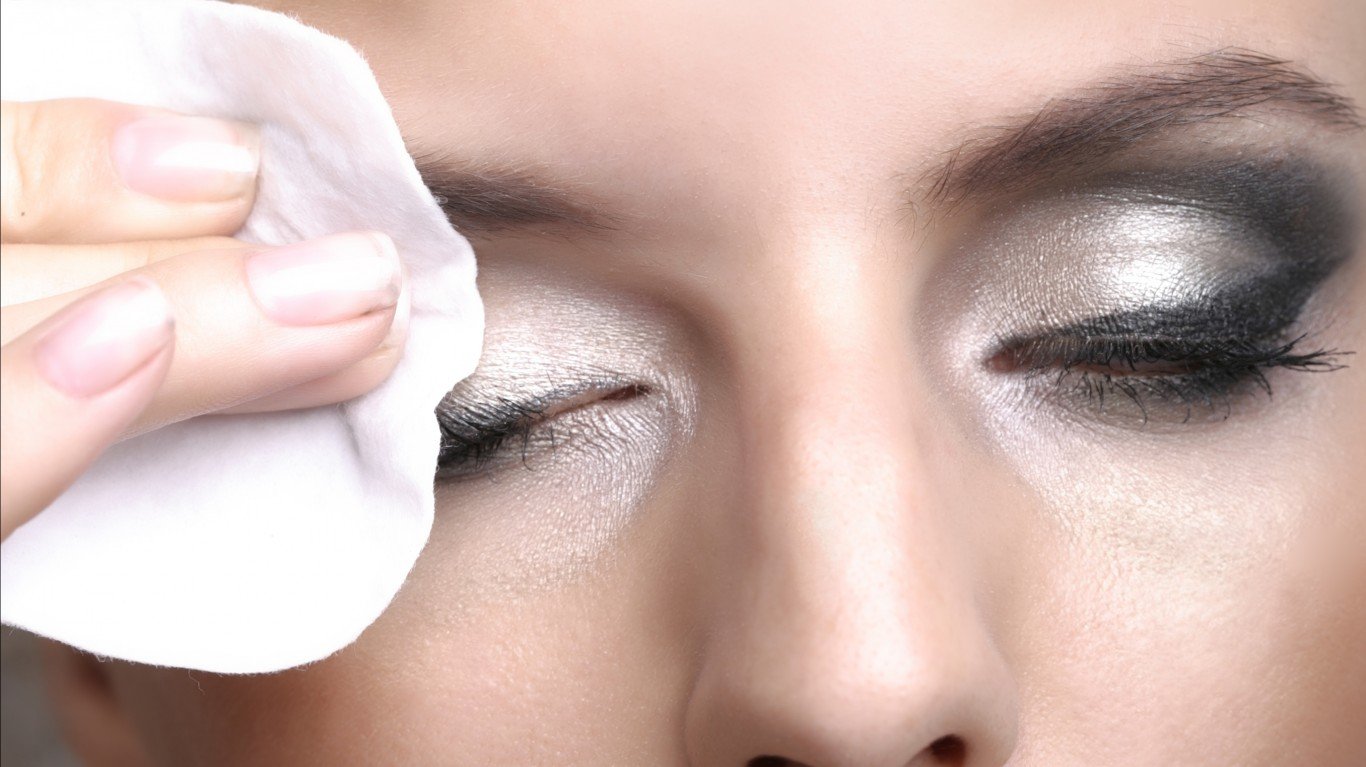
Wearing makeup overnight can lead to eye irritation, styes, infections, lash breakage, acne, and dry skin, among other problems, Richmond noted. Free radicals can be trapped by makeup, leading to premature aging with prolonged exposure, Miller added.
“It is always best to gently but thoroughly wash off your makeup before bed, and sleep with clean, moisturized skin.” Even better, apply retinol cream before bed to help repair fine lines and wrinkles and combat sun damage.
7. Avoid abrasive scrubs
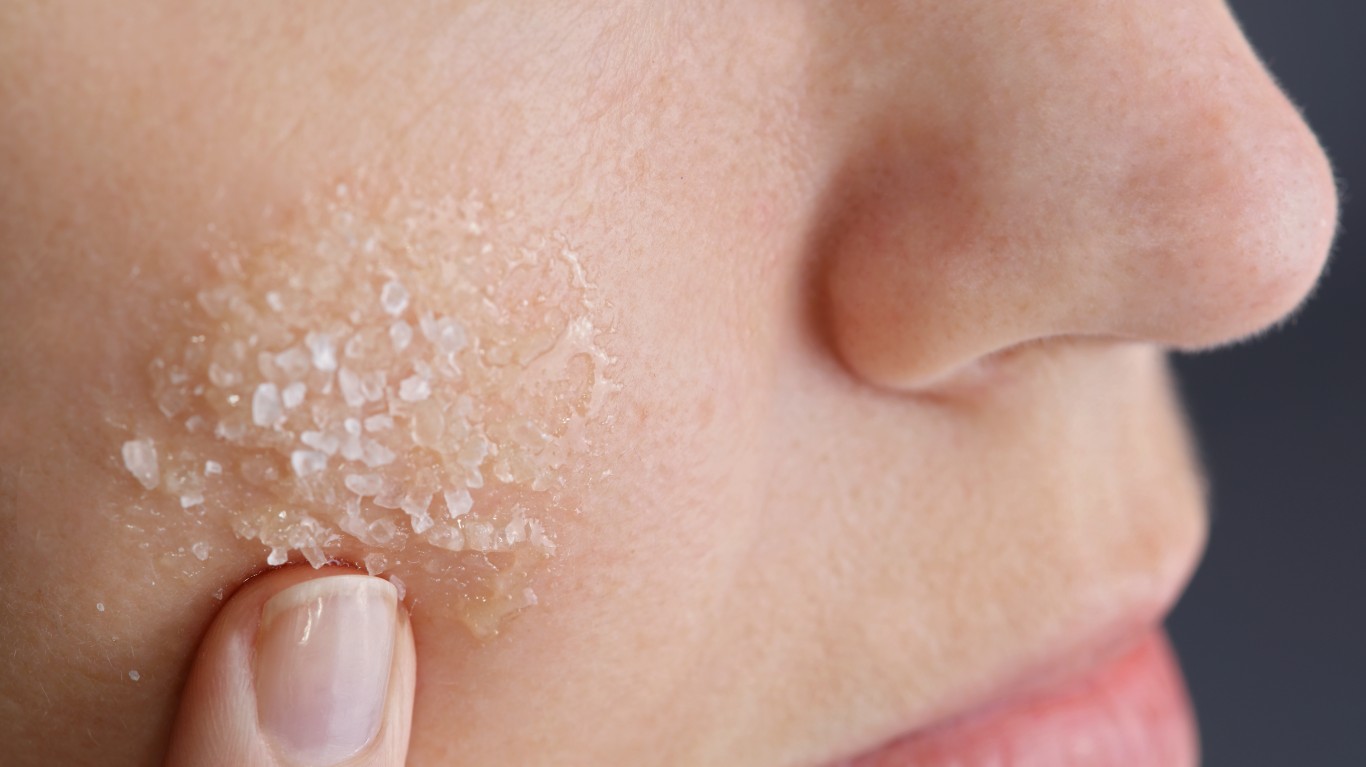
“I generally tell patients to avoid abrasive scrubs to exfoliate, as these can irritate the skin,” Richmond said. “Chemical exfoliants (typically products containing alpha hydroxy acids like lactic acid or glycolic acid) are wonderful and can be found in creams, lotions or cleansers.” These can be used once or twice per day to take off dead skin cells and achieve a healthy glow, she noted.

8. Don’t wash your face several times a day
Most people’s skin cannot tolerate excessive washing, Richmond said. Soap will strip the natural oils from the skin and lead to dryness. The right soap for one’s skin depends on age and baseline oil production. People with oily skin will need a foaming cleanser to remove the excess oil and should be diligent about washing their face twice daily to prevent acne and an oily sheen, Richmond noted. “More than twice daily is probably not necessary and may dry out even oily skin.”
Dermatologists are also learning more about the microbiome, or “good bacteria,” that help keep the skin healthy, according to Miller. “Overwashing can alter or remove these good bacteria, leading to breakouts or rashes.”

9. “Feed” your skin
A healthy, balanced diet is not only crucial for physical health but for the health of your skin as well. Richmond recommends foods containing omega-3 fatty acids, Vitamin E, Vitamin C, Vitamin A, zinc, and a variety of antioxidants. “These can be found in fish, nuts and seeds, sweet potatoes, avocados, carrots, tomatoes, green vegetables, bell peppers, and more,” Miller said. Avoiding foods with high sugar content has been shown to prevent some breakouts.
Vitamins can also be delivered to the skin in topical form and are the most important part of an anti-aging regimen, according to Richmond. “Vitamin A creams (known as retinols) will repair fine lines and combat sun damage and should be applied at bedtime.” Vitamin C is a potent antioxidant and can be combined with Vitamin E to protect against DNA damage and help with pigmentation from the sun, she noted. “These vitamin C serums can be used daily in the morning under sunscreen for best results.”

10. No more long, hot showers
Hot water and long showers are very drying to the skin. In the winter people are naturally prone to dryer skin because environmental humidity is low. Hot water, although it feels good against the cold, will further dry out the skin. That’s why Miller recommends lukewarm water and shorter showers during the winter.
Dry skin itches, enhances wrinkles, and can lead to eczema breakouts, Richmond noted. “…avoid long, hot showers and moisturize your skin right after every shower.”

11. But shower after you work out
It is very important to take a shower or at least wash your face after working out. “Sweat and tight clothing can very easily lead to clogged pores and breakouts,” Richmond said. “I always recommend showering and changing clothing immediately after a workout to minimize acne.”
12. Don’t postpone a skin check-up
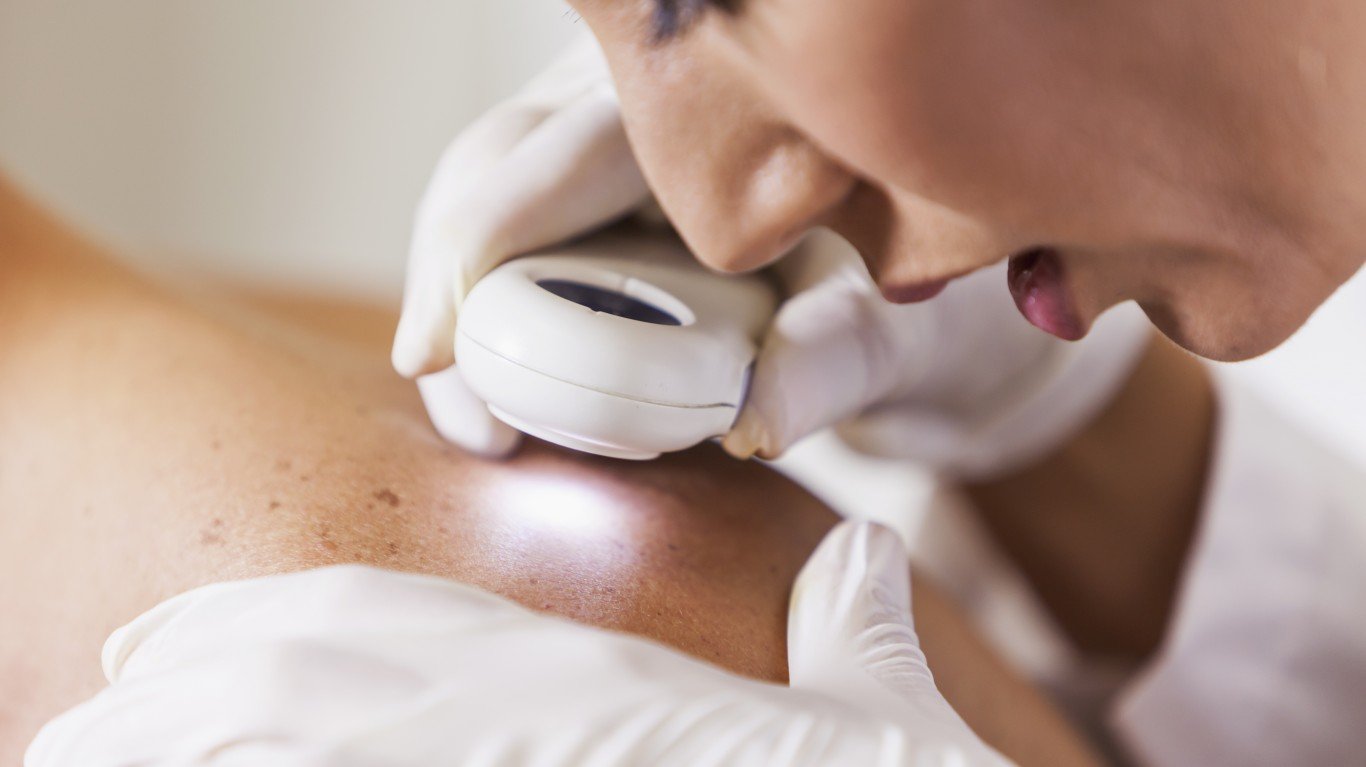
“Skin cancer is extremely treatable or curable if found early,” Miller said. “Even the most serious forms of skin cancer, such as melanoma, tend to have better outcomes if found at an earlier stage.” This is why you need annual skin checkups. The American Academy of Dermatology recommends that people get a full skin exam once a year in order to check for signs of skin cancer. “This is very important because most people don’t know what to look for on their own skin and cannot see their entire body well,” Richmond said.
Skin cancer is by far the most common type of cancer and can affect all ages and all skin types. “It is very common that when a patient comes in for a full skin exam, the spot or spots they are concerned about are completely healthy, but I find something else that they haven’t even noticed that turns out to be a skin cancer or abnormal mole,” she added.

13. Stop touching your face so much
People regularly touch or squeeze their pimples, sometimes without even realizing it, Miller said. But this can leave dark spots or even scars. “I encourage my patients to try to be self aware and redirect their picking, ” he said. “One simple technique is to put a rubber band on your wrist and snap it every time you feel like picking.”

14. Have realistic expectations about creams and regimens
Creams and skin care regimens are not going to work overnight. “Typically, I tell patients to use any topical therapy for six to eight weeks consistently before seeing significant results, sometimes longer,” Richmond said. “Creams are the daily maintenance aspect of skin care and will absolutely slow down aging changes if used regularly over the long term,” she added.
If results are not seen after around two months, it may be worth re-evaluating your skin care regimen with your dermatologist, Miller added.
15. Throw away expired skin care products right now
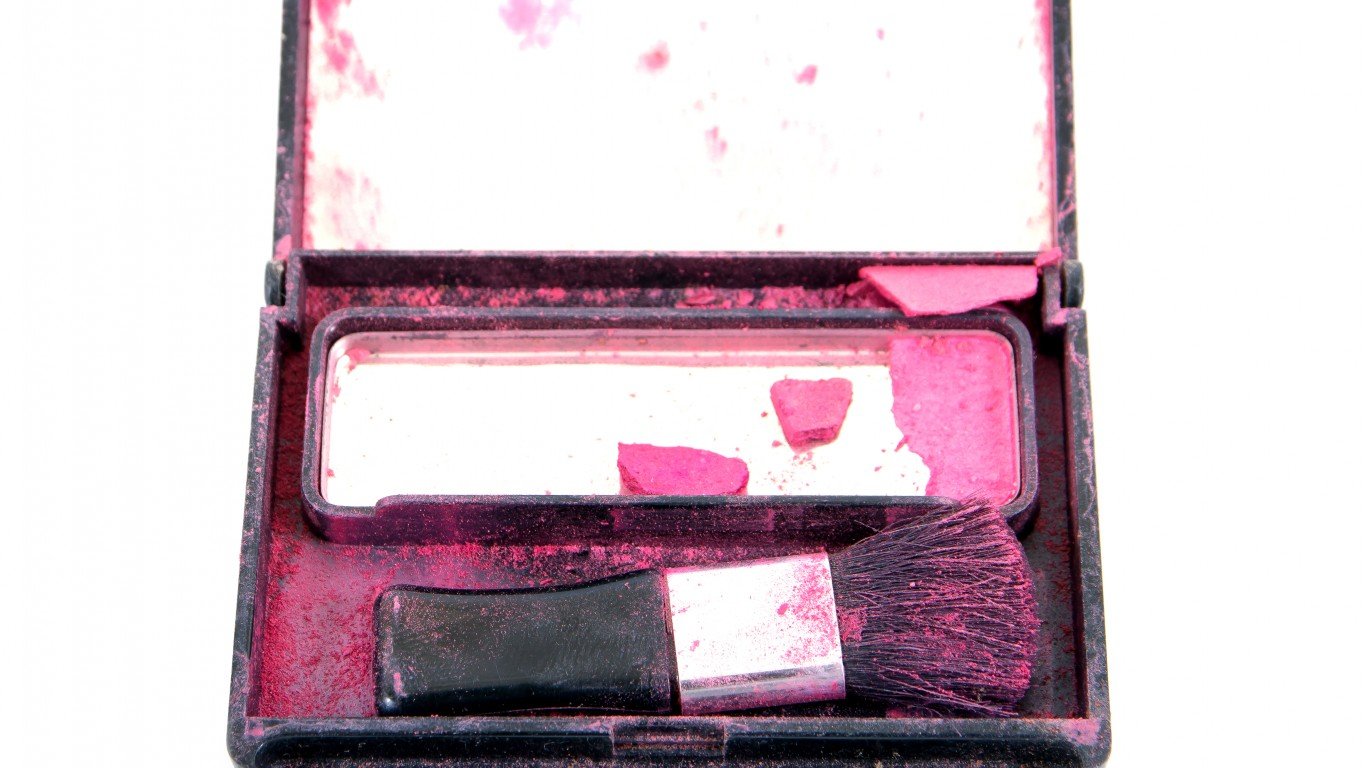
“Expired skin care products should not be used,” Richmond said. The chemical ingredients will break down over time and lose efficacy, she added. Also, the risk of bacterial contamination in expired products is not worth it, Miller noted.

16. Start exercising
If you don’t do it for weight loss, do it for your skin. “Exercise increases blood flow to the skin, thereby improving oxygenation and nutrient delivery, as well as accelerating removal of toxins, free radicals, and other cellular byproducts,” Richmond said. “Regular exercise also allows for a better night’s sleep and a reduction in anxiety and stress hormone levels.”
There are also studies that demonstrate that exercise can decrease the visible signs of aging, according to Miller. Older people who exercise on regular basis have the immunity, muscle mass, and cholesterol levels of a younger person.

17. Go to bed early
“When we sleep our body repairs/replaces collagen, hence lack of sleep can contribute to aging,” Miller said. “Poor sleep can cause abnormal levels of the stress hormone cortisol, which can also affect skin health. It worsens inflammatory skin conditions such as acne and eczema,” Richmond added.
Sleep deprivation also reduces the production of growth hormone, thereby lowering the efficacy of cellular repair mechanisms and accelerating the aging process. “Worsening of dark circles is another telltale sign of lack of sleep as a result of dilation of the small blood vessels under the eyes, leading to purplish discoloration and puffiness,” Richmond added.
Contact [email protected] for any questions or corrections.