Tesla Prices Surge
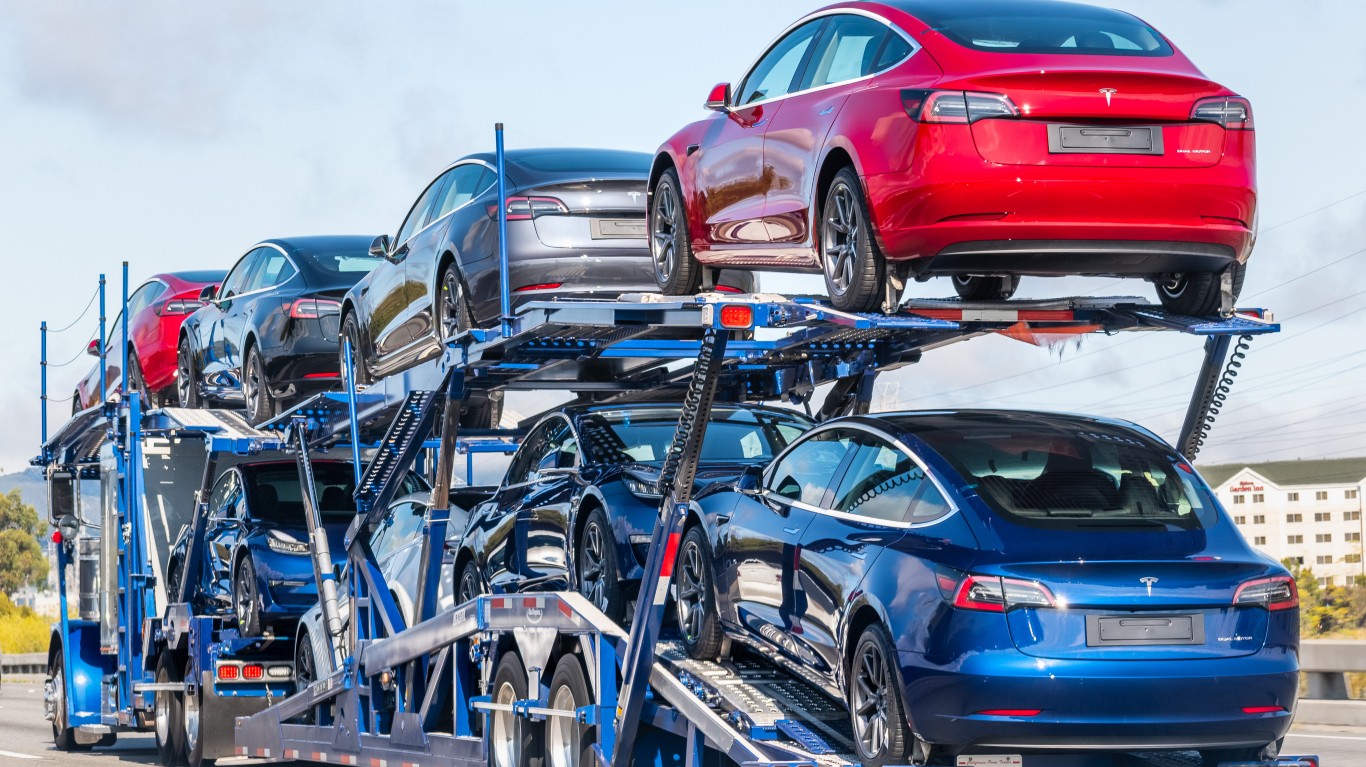
Tesla does not plan to cut its profit margins when the federal EV tax credit ends. Monthly lease prices are expected to rise by as much as 15%.


Tesla Inc. (NASDAQ: TSLA | TSLA Price Prediction) does not plan to cut its profit margins due to the end of the $7,500 federal electric vehicle (EV) tax credit. As a start, it will increase lease prices. Approximately 50% of EV drivers lease their cars, making the decision financially significant to the largest EV company in America.
Reuters reports that monthly lease prices could rise by as much as 15%. Yesterday, Tesla announced that the lease prices for its Model Y would increase from a range of $479 to $529 a month to $529 to $599. For the Model 3, the $349 to $699 per month range will increase to $429 to $759. The ranges are due to Tesla prices being highly dependent on several features, including more powerful engines and levels of self-driving capability.
Tesla is likely the only company in the United States that makes money on EVs. Large legacy car companies, led by GM and Ford, have invested tens of billions of dollars into EVs and have yet to recoup any of that.
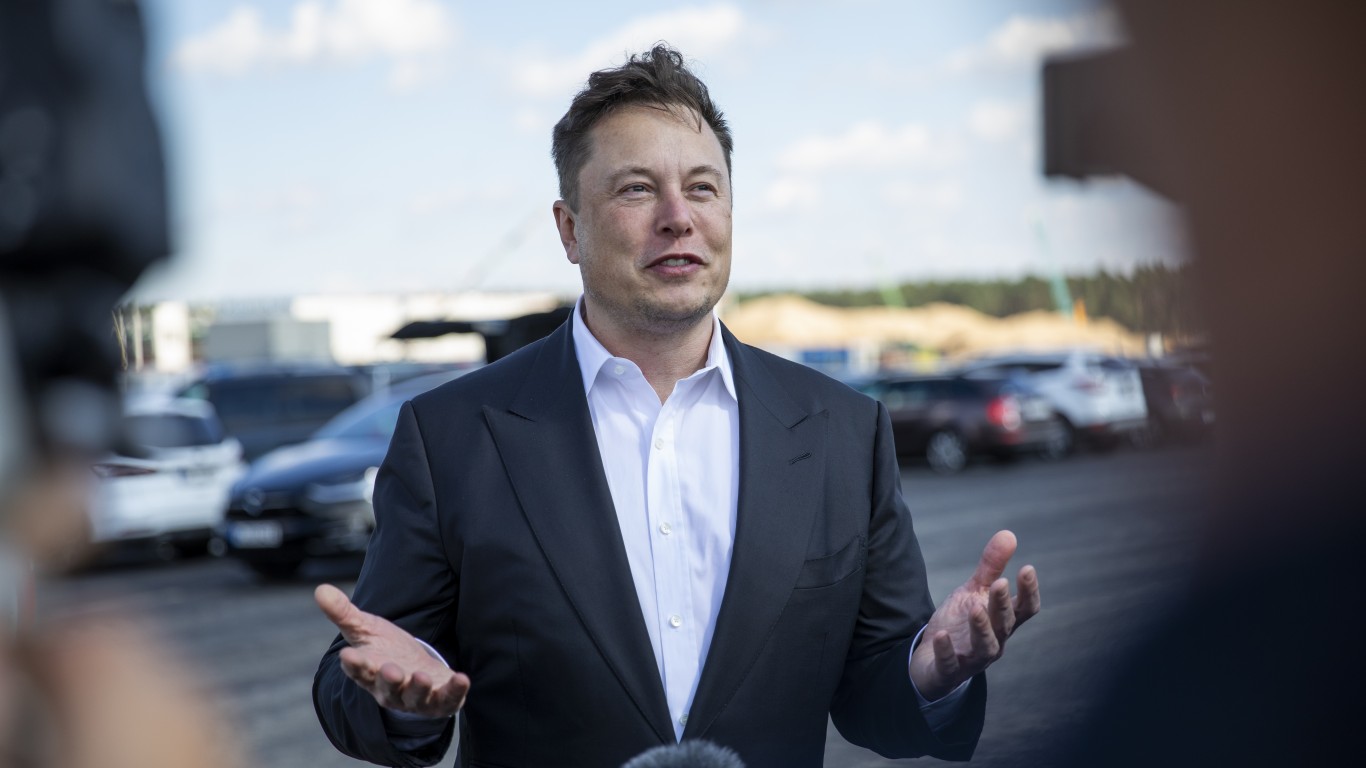
Tesla’s price increase carries a significant risk. Based on several estimates, its U.S. market share dropped to 47% in the second quarter from a peak of 80% five years ago. Some of this decline has been attributed to more competition. Additionally, founder and CEO Elon Musk has suffered a reputation problem because of his relationship with President Trump.
Tesla Headwinds
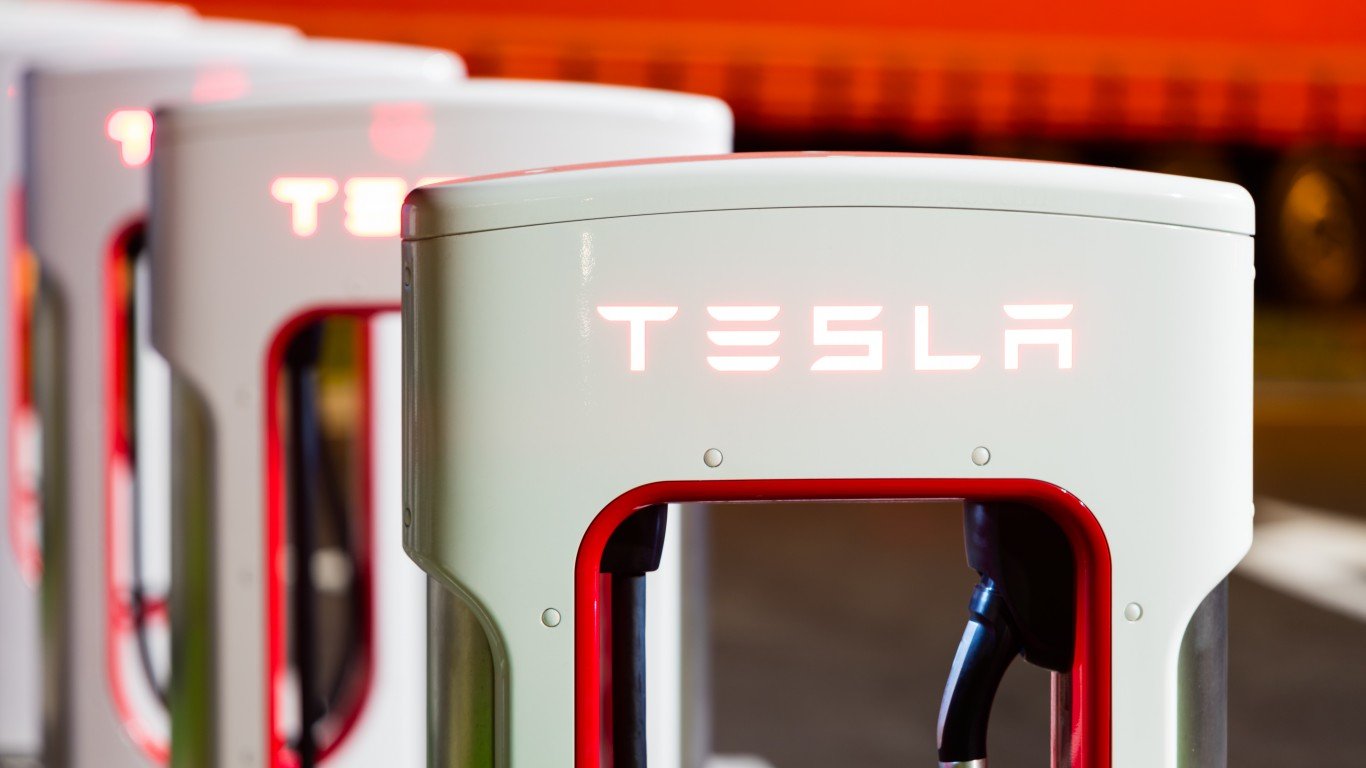
Tesla and all EV companies continue to face several headwinds. That is one reason why EV sales in the United States have faltered. Among these headwinds is the fact that a new EV, on average, costs $10,000 more than a combustion-powered car. Gasoline prices are near five-year lows, which makes the fuel price savings of EVs less attractive.
The range of EVs continues to worry many car buyers. The average range is about 300 miles. Many gasoline-powered cars have ranges of over 200 miles more than that.
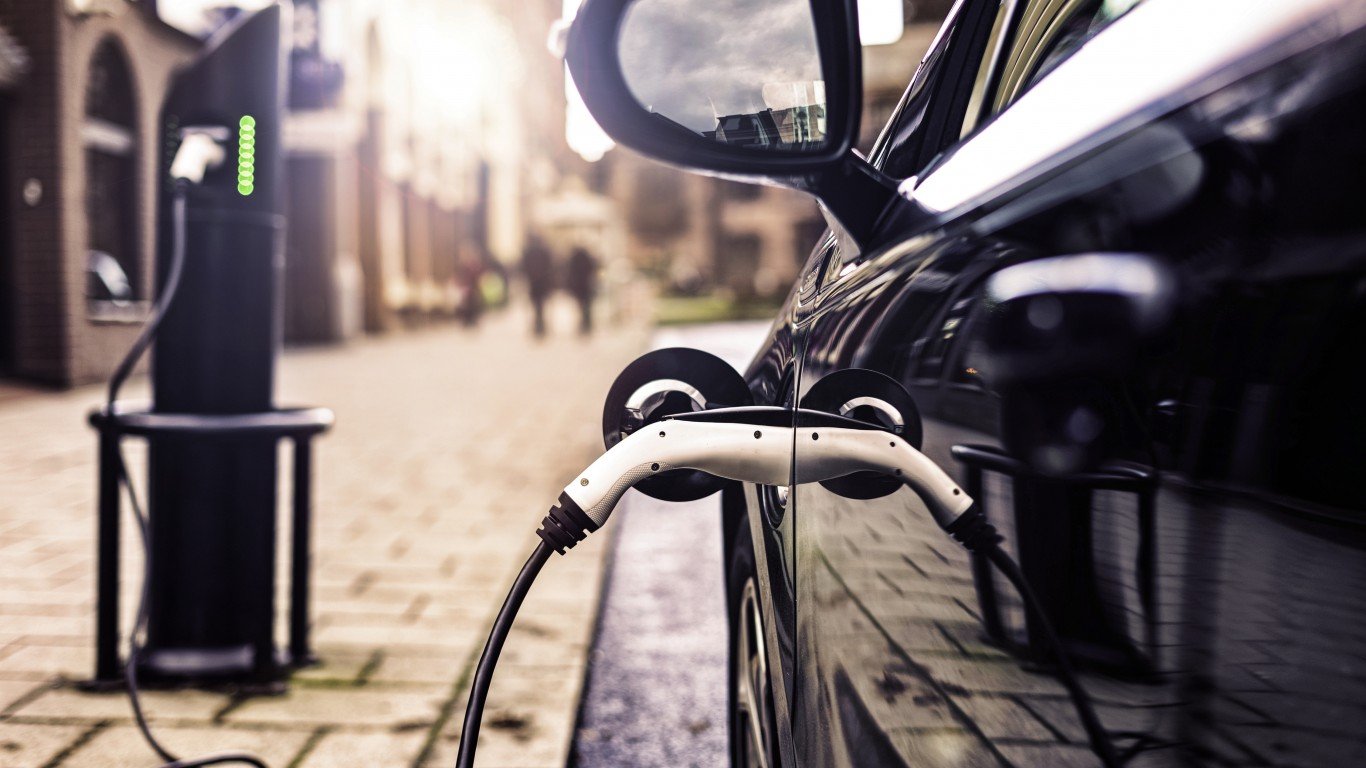
The number of public charging stations is also an issue. People often have home chargers. On moderately long trips, though, they frequently need to find public chargers, many of which are not conveniently located near heavily trafficked highways. Those problems do not exist with gas stations. Furthermore, charging an EV at a public station can take up to an hour, while filling a gas tank usually takes less than 10 minutes.
Finally, EVs eat through tires much faster than combustion engine cars do, which adds another expense.
Higher lease prices may cut into Tesla’s sales at a time when it is already struggling.
Tesla Stock Price Prediction and Forecast 2025–2030
Contact [email protected] for any questions or corrections.
Douglas A. McIntyre is the co-founder, chief executive officer and editor in chief of 24/7 Wall St. and 24/7 Tempo. He has held these jobs since 2006.
McIntyre has written thousands of articles for 24/7 Wall St. He is an expert on corporate finance, the automotive industry, media companies and international finance. He has edited articles on national demographics, sports, personal income and travel.
His work has been quoted or mentioned in The New York Times, The Wall Street Journal, Los Angeles Times, The Washington Post, NBC News, Time, The New Yorker, HuffPost USA Today, Business Insider, Yahoo, AOL, MarketWatch, The Atlantic, Bloomberg, New York Post, Chicago Tribune, Forbes, The Guardian and many other major publications. McIntyre has been a guest on CNBC, the BBC and television and radio stations across the country.
A magna cum laude graduate of Harvard College, McIntyre also was president of The Harvard Advocate. Founded in 1866, the Advocate is the oldest college publication in the United States.
TheStreet.com, Comps.com and Edgar Online are some of the public companies for which McIntyre served on the board of directors. He was a Vicinity Corporation board member when the company was sold to Microsoft in 2002. He served on the audit committees of some of these companies.
McIntyre has been the CEO of FutureSource, a provider of trading terminals and news to commodities and futures traders. He was president of Switchboard, the online phone directory company. He served as chairman and CEO of On2 Technologies, the video compression company that provided video compression software for Adobe’s Flash. Google bought On2 in 2009.