The Most Seriously Questionable Advertising Slogans of the Past
24/7 Insights The companies on this list wish they never launched these slogans. Some of these brands are known for their risque marketing. There’s a balance between print and television ads with questionable slogans. Also: Are You On Track to…

This post may contain links from our sponsors and affiliates, and Flywheel Publishing may receive compensation for actions taken through them.

24/7 Insights
-
- The companies on this list wish they never launched these slogans.
- Some of these brands are known for their risque marketing.
- There’s a balance between print and television ads with questionable slogans.
- Also: Are You On Track to Retire? Take This Quiz and Find Out (Sponsored)
While we would all love to live in a world of the “Mad Men” television show where every marketer is incredibly wise, this isn’t always the case. Of course, every good advertising campaign starts with good intentions, but sometimes, even well-intentioned slogans can be wildly questionable. This is exactly the case with all of the slogans mentioned here. Unfortunately, sometimes marketing slogans made in a room with just a few people are better off having never made it into the hands of consumers.
16. “Touching Is Good”

Rolled out as part of a marketing campaign promoting its new Nintendo DS video game console, Nintendo didn’t think through this slogan. As part of a $40 million campaign highlighting the device’s launch, Nintendo’s hope to come off as edgy was just creepy.
15. “The Perfect Beer for Removing ‘No’ From Your Vocabulary for The Night”

Bud Light launched the ad as part of its “UpForWhatever” campaign to help people experience new things. Of course, it wasn’t interpreted in the way the company intended, and instead, Bud Light was assaulted with complaints that the ad promoted sexual assault.
14. “If It Doesn’t Get All Over the Place, It Doesn’t Belong In Your Face”
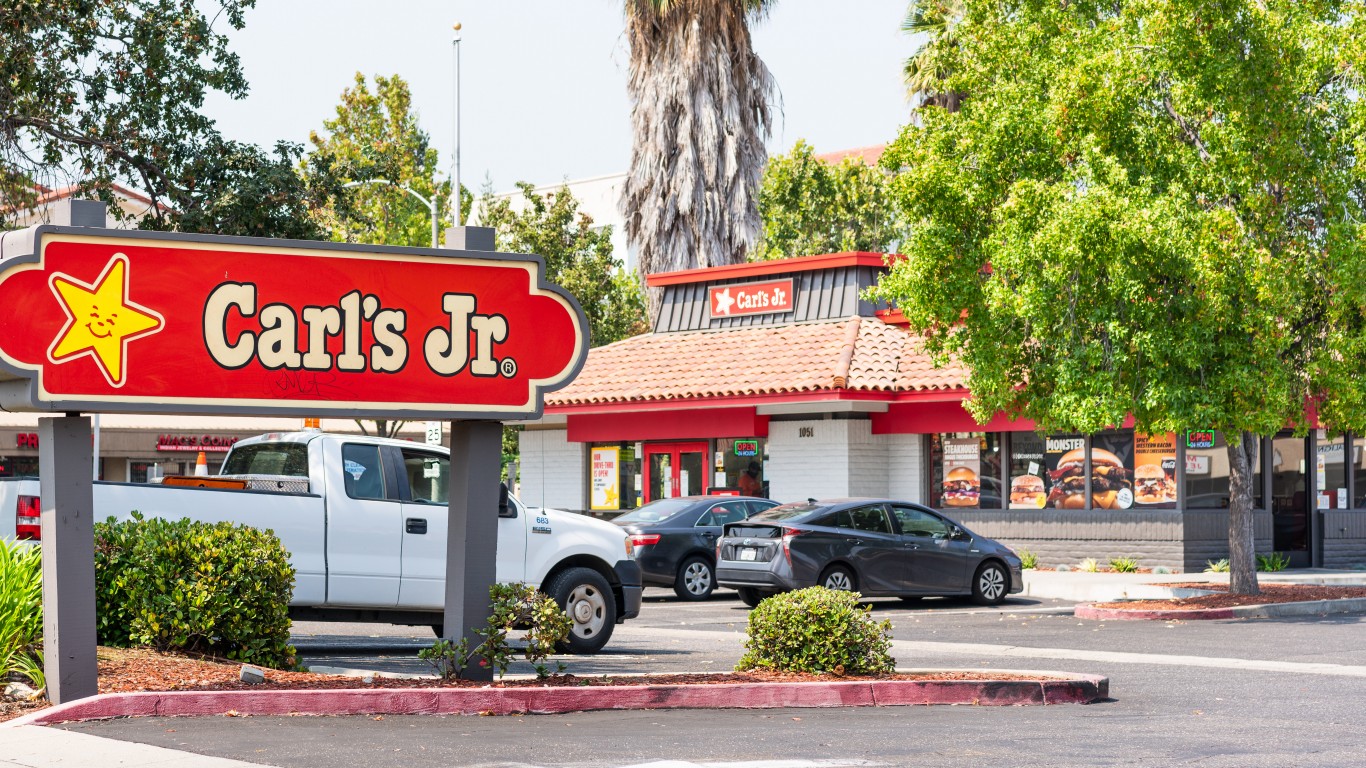
Introduced in the mid-1990s by fast food restaurant Carl’s Jr., the slogan was used by the company to sell itself through sex. The ads supporting the slogan showed young and attractive singles eating hamburgers with food spilling all over them. Surprisingly, Carl’s Jr. doubled down on the ad when people complained and told them to watch PBS.
13. “This Mother’s Day, Get Back To The Job That Really Matters”

A 2011 print ad by Proctor and Gamble was undeniably sexist. Even though the world knew the ad was sexist, there were mixed opinions on what it meant to imply. Ultimately, most people landed on this ad promoting teaching your daughter her place in society is to clean up after a man.
12. “Spike Your Best Friend’s Eggnog When They’re Not Looking”
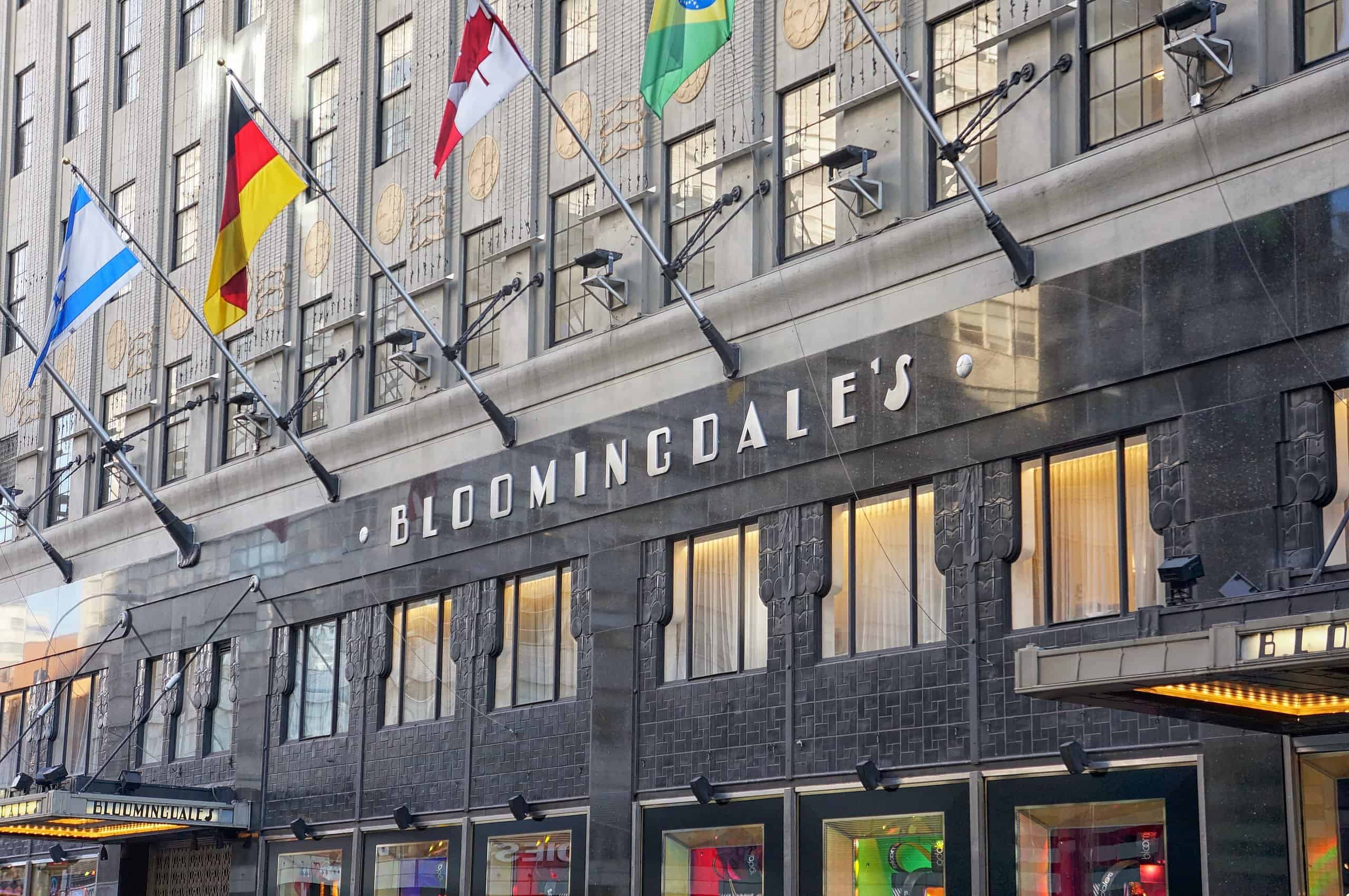
Created by high-end clothing retailer Bloomingdales, this slogan was included in the company’s 2015 Christmas catalog. Accusations were swift that the ad encouraged date rape forcing Bloomingdale’s to apologize.
11. “Look Like a Girl, Act Like a Lady, Think Like a Man, Work Like a Boss”

Created by pen manufacturer Bic, this South African slogan celebrating Women’s Day was understandably poorly received. The company posted the ad on its Facebook page and quickly deleted it after the ad received an influx of complaints about the language.
10. “She Can Have a Tummy…And Still Look Yummy!”

This is a print marketing ad for the Chubette clothing line in 1957. There is just so much wrong with it. It’s impossible to imagine how this slogan got approved, thankfully, before the age of social media. The goal was to promote slim-fitting clothes for girls ages 6-16, but wow, just wow.
9. “The More You Play With It, The Harder It Gets”

Aimed at the UK market, Sega released several print ads advertising its Mega Drive (Genesis) video game console. This language, even from a company known for bold marketing, no doubt pushed well past the line, but it was never pulled, and Sega never responded to any controversy.
8. “Perfect Body”
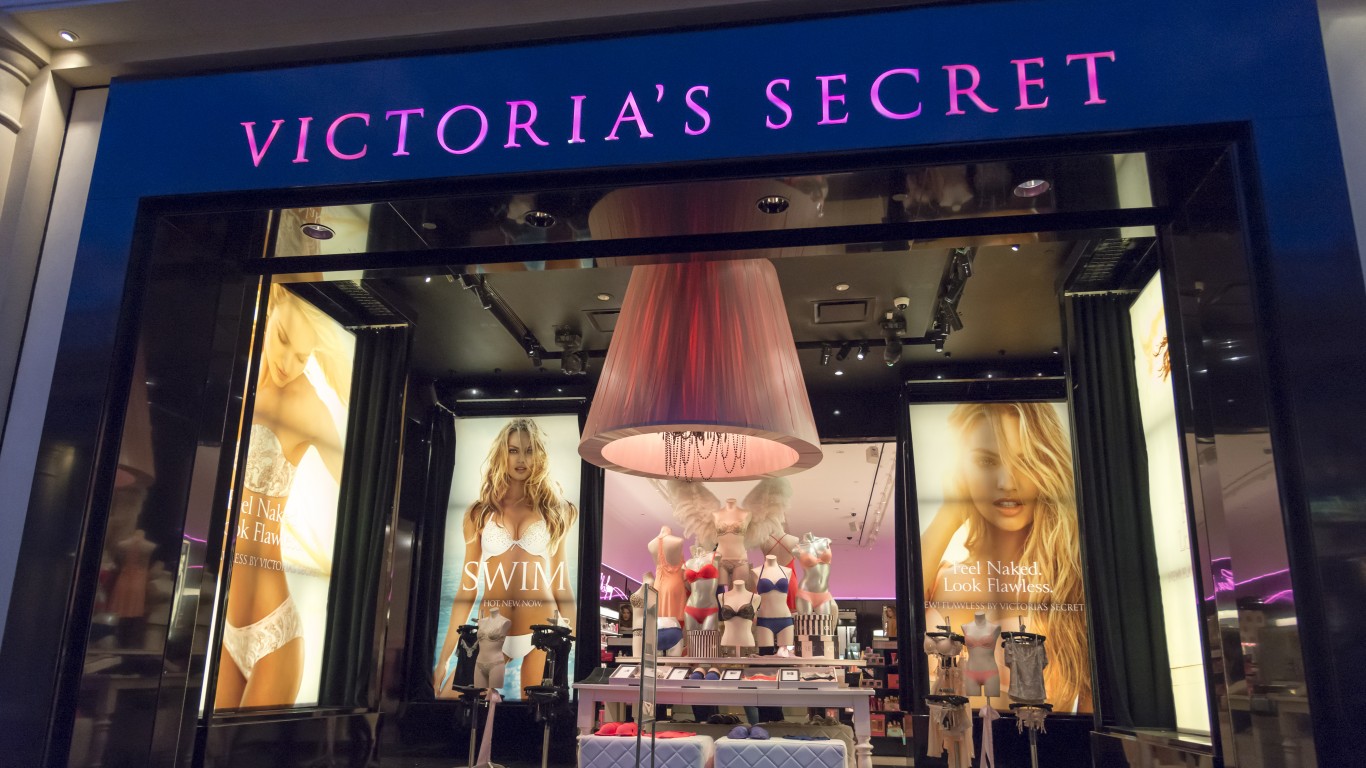
In 2014, Victoria’s Secret saw its new “Perfect Body” campaign erupt into a social media firestorm. The slogan accompanied an ad with ten very thin models, and the pushback of the ad came fast and furious. The company quickly changed the online ad to read “A Body for Every Body.”
7. “More Doctors Smoke Camels Than Any Other Cigarette”

During a time when the dangers of smoking weren’t truly well known, Camel promoted itself in print ads with this now incredibly misleading saying. Of course, the doctors in the ads were not real, and it’s impossible to imagine a world where any doctor would ever promote such a habit.
6. “Dieting Doesn’t Work, Weight Watchers Does.”
There is no question that Weight Watchers has successfully helped people lose weight, but this time, it had to lose a campaign slogan quickly. The hope was to promote Weight Watchers as the ideal diet choice, but the ad was perceived as ridiculous since the brand and dieting are so closely aligned.
5. “You Can Never Be Too Thin”

What sounds like an ad from the 1960s was actually from a 2010 Good Housekeeping magazine. Pretzel Crisps, a popular pretzel snack, attempted to fat-shame the population with the slogan “You can never be too thin.” To no one’s surprise, the ad was quickly pulled.
4. “It’s Not For Women”
Somehow, the team at Dr. Pepper approved this slogan in 2011, which, unsurprisingly, was only short-lived. The drink, Dr. Pepper Ten, was intended to focus on a male audience, but what was intended as irony came off as sexist and was pulled after receiving national attention.
3. “White Is Purity”
It’s almost impossible to think of how the marketing department at Nivea’s Middle East business approved this slogan. Created in support of a new spray deodorant, it was said to reference the whole “invisible” deodorant idea that won’t stain your clothes. Of course, it came off as racist, and other Nivea branches, like inside the US, had to distance themselves from the event.
2. “Cheat On Your Girlfriend, Not Your Workout”
Debuted in Germany by Reebook, this campaign slogan was unsurprisingly short-lived. Reebok was accused of being both sexist and misogynistic and even lacking an understanding of its female audience. The company was forced to remark that it did not condone “cheating in any way.”
1. “Coolest Monkey In The Jungle”

What seems like a good ad for a zoo was actually an advertising campaign from popular clothing retailer H&M. Released in 2018, the slogan itself doesn’t appear to have much wrong until you realize it’s alongside a young child model of African-American male descent. As “monkey” is considered a racial epithet, H&M apologized for the ad and pulled any clothing that included the language.
Contact [email protected] for any questions or corrections.
David Beren has been a Flywheel Publishing contributor since 2022. Writing for 24/7 Wall St. since 2023, David loves to write about topics of all shapes and sizes. As a technology expert, David focuses heavily on consumer electronics brands, automobiles, and general technology. He has previously written for LifeWire, formerly About.com. As a part-time freelance writer, David’s “day job” has been working on and leading social media for multiple Fortune 100 brands. David loves the flexibility of this field and its ability to reach customers exactly where they like to spend their time. Additionally, David previously published his own blog, TmoNews.com, which reached 3 million readers in its first year. In addition to freelance and social media work, David loves to spend time with his family and children and relive the glory days of video game consoles by playing any retro game console he can get his hands on.