If You Make Less Than $116,000 a Year, Move Out of This State Now
24/7 Wall St. Insights Massachusetts requires the highest salary for comfortable living at $116,000, followed by Hawaii ($113,693) and California ($113,651). 50% of your income should go towards necessities, with 30% for discretionary spending and 20% for saving or investing.…


24/7 Wall St. Insights
- Massachusetts requires the highest salary for comfortable living at $116,000, followed by Hawaii ($113,693) and California ($113,651).
- 50% of your income should go towards necessities, with 30% for discretionary spending and 20% for saving or investing.
- If you’re looking to live somewhere with lower income requirements, consider a Mideast state like West Virginia ($78,790) or a Southern state such as Arkansas or Oklahoma.
- Also: 2 Dividend Legends to Hold Forever
The median price of a U.S. apartment rental, for all bedroom numbers and property types, currently sits around $2,145 according to Zillow Rentals Data. Although rent has decreased by a minimal $5 since this time last year, average rent prices have continued to steadily rise over the last few decades. Home-buying prices have also fluctuated over time, with many high interest hikes pricing people out of the market. (Check out the top 15 cities with the highest rent in the U.S.)
Considering the cost-of-living, it’s incredibly important to understand whether you can afford to comfortably live in the state you’re in, or the state you might move to in the future. But the necessary income level to not just survive, but thrive, differs for every state. When deciding where to live, you should also consider whether your income covers a 50/30/20 budget. This means that 50% of your salary is used for necessities like food, utilities, and housing, while 30% is discretionary spending and 20% can be saved or invested. (Here are 10 perfect Dave Ramsey quotes on investing.)
Here, 24/7 Wall St. explored the income that a single adult needs to earn to live comfortably in each state. While “comfortable” differs for different people, our “comfortable” is based on the above 50/30/20 breakdown. The calculations that we used were originally done by SmartAsset using the cost of necessities sourced from the MIT Living Wage calculator that was last updated in February of 2024.
Why Are We Talking About This?
Are you stuck in the trap of comparing your financial situation to your friends and family around the country? Do you wonder where all your money is going and why you can’t seem to enjoy the things other people can? Welcome to American capitalism, but also you might be living in a state where your money doesn’t last as long as in other places. This is a good place to start if you’re planning on moving to a new state.
Here is the average income you must make to live comfortably in all 50 states:
#50 West Virginia

- Income needed: $78,790
- Advantages: Slow-paced lifestyle, access to outdoor sports and receation, tight-knit community-based towns, scenic beauty (they call it the Mountain State for a reason!)
- Downsides: High poverty rate (17.9%), high unemployment rate (4.3%), lack of healthcare access and government services
- Population: 1.7 million
#49 Arkansas

- Income needed: $79,456
- Advantages: Natural beauty, Southern hospitality, rich in natural beauty, low cost of living, outdoor recreation and exploration (Hot Springs National Park, Ozark Mountains, Buffalo National River), friendly citizens
- Downsides: Severe lack of public transportation, many rural areas, high humidity, poor infrastructure
- Population: 3 million
#48 Oklahoma

- Income needed: $80,413
- Advantages: All four seasons, lots of outdoor beauty, strong indigenous culture (2nd largest Native American population), low cost of living, low property taxes (0.87%)
- Downsides: Part of Tornado Alley with high risk of property destruction, high state and local taxes, higher-than-average crime rate
- Population: 4.02 million
#47 North Dakota

- Income needed: $80,538
- Advantages: High quality of life, highly-rated universities, low crime rates, low cost of living, close-knit communities, strong access to healthcare, growing economy
- Downsides: Harsh winters, extreme weathers, housing shortage, lack of racial diversity
- Population: 779,261
#46 Kentucky
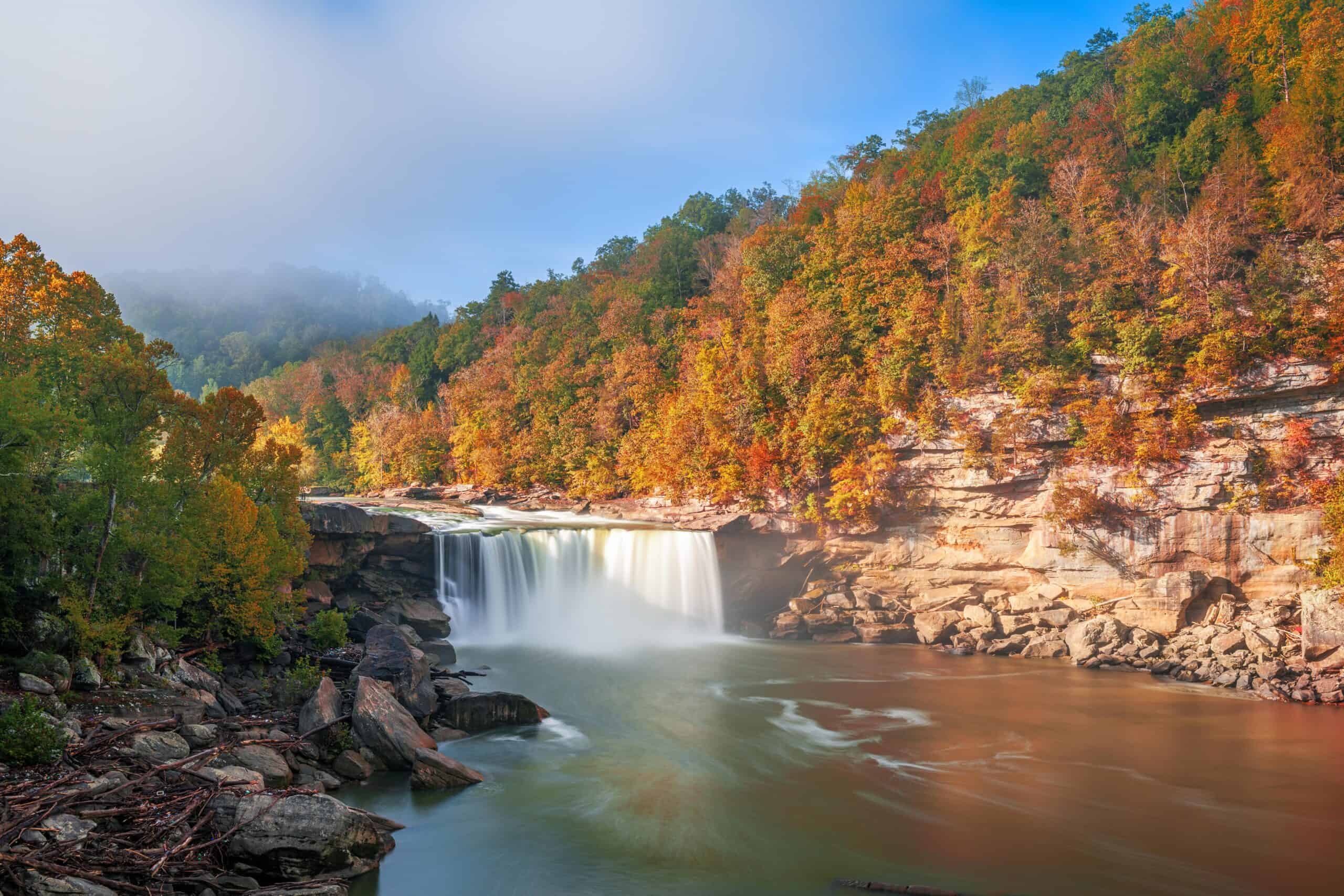
- Income needed: $80,704
- Advantages: Low property taxes (0.78%), flat state income tax (4.5%), Southern food, great bourbon (18 distilleries), nice outdoor activities
- Downsides: Lack of racial diversity (85% white), high rates of racially motivated crimes, poor education system, high depression rates
- Population: 4.5 million
#45 Ohio

- Income needed: $80,704
- Advantages: Strong sports culture (Cincinnati Bengals, Cleveland Cavaliers, Cleveland Browns), great public school system, highly-rated universities
- Downsides: Unpredictable weather and harsh winters, natural disasters (flooding, tornadoes), high levels of pollution
- Population: 11.8 million
#44 South Dakota

- Income needed: $81,453
- Advantages: Great for families, numerous job opportunities, strong educational system, booming economy, pleasant spring and fall, low crime rate
- Downsides: Low diversity (82% white), harsh summers and winters, large economic disparities
- Population: 928,767
#43 Louisiana
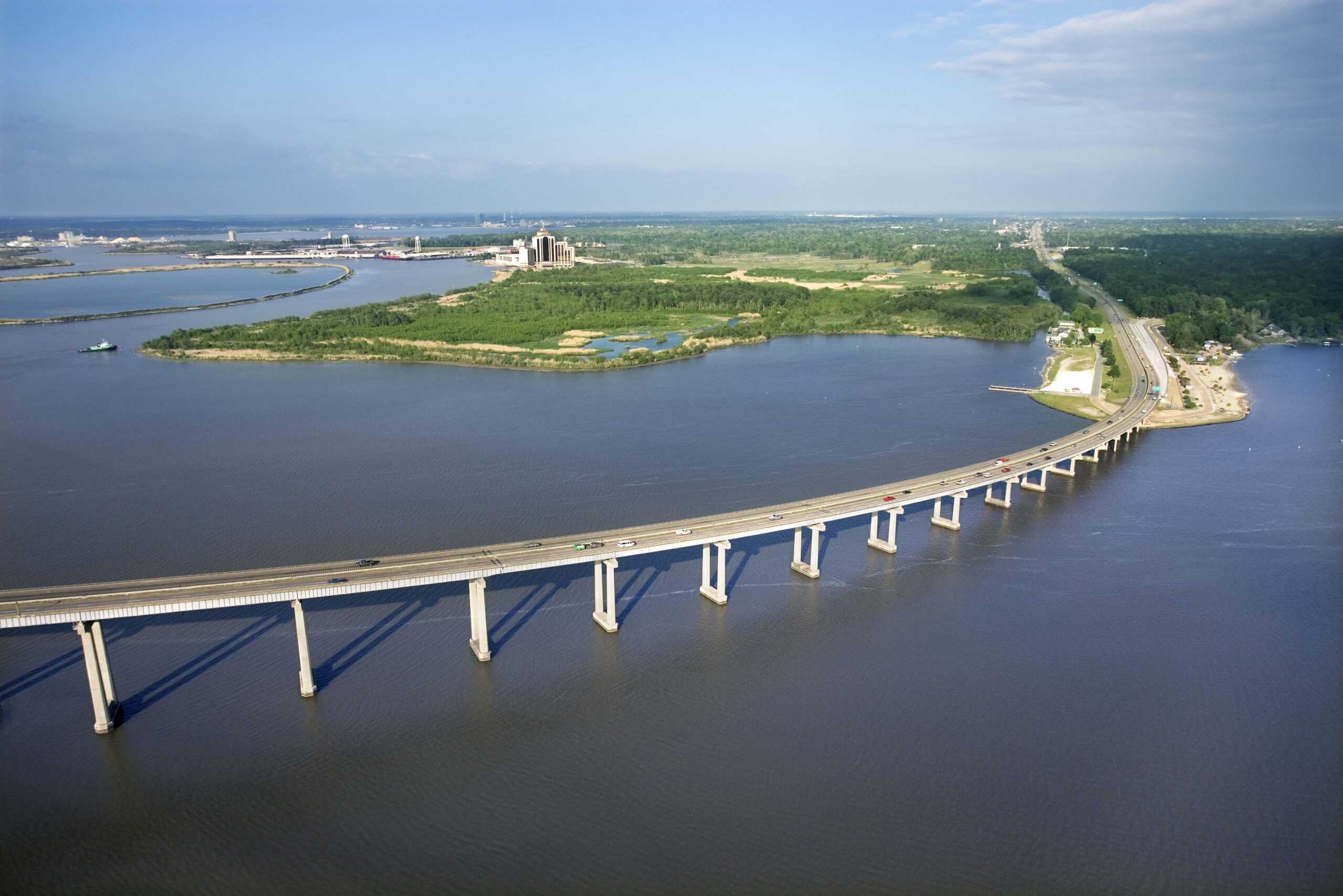
- Income needed: $82,451
- Advantages: Slower-paced lifestyle, delicious Cajun food, lots of events and festivals, incredibly diverse
- Downsides: Low healthcare access, high poverty rate, poor education system, dangerous animals and bugs
- Population: 4.5 million
#42 Mississippi

- Income needed: $82,742
- Advantages: Low cost of living, mild winters, Southern hospital, natural beauty and outdoor recreation, six national forests, Mississippi Petrified Forest
- Downsides: High risk of tornados and hurricanes, humid summers, limited job opportunities, limited public transportation
- Population: 2.94 million
#41 Iowa

- Income needed: $83,366
- Advantages: Affordable housing market, slow-paced lifestyle, low stress levels (6th least stressed nationwide), warm and community-based residents
- Downsides: Lack of cultural experiences, limited jobs beyond agriculture, no big cities
- Population: 3.2 million
#40 New Mexico
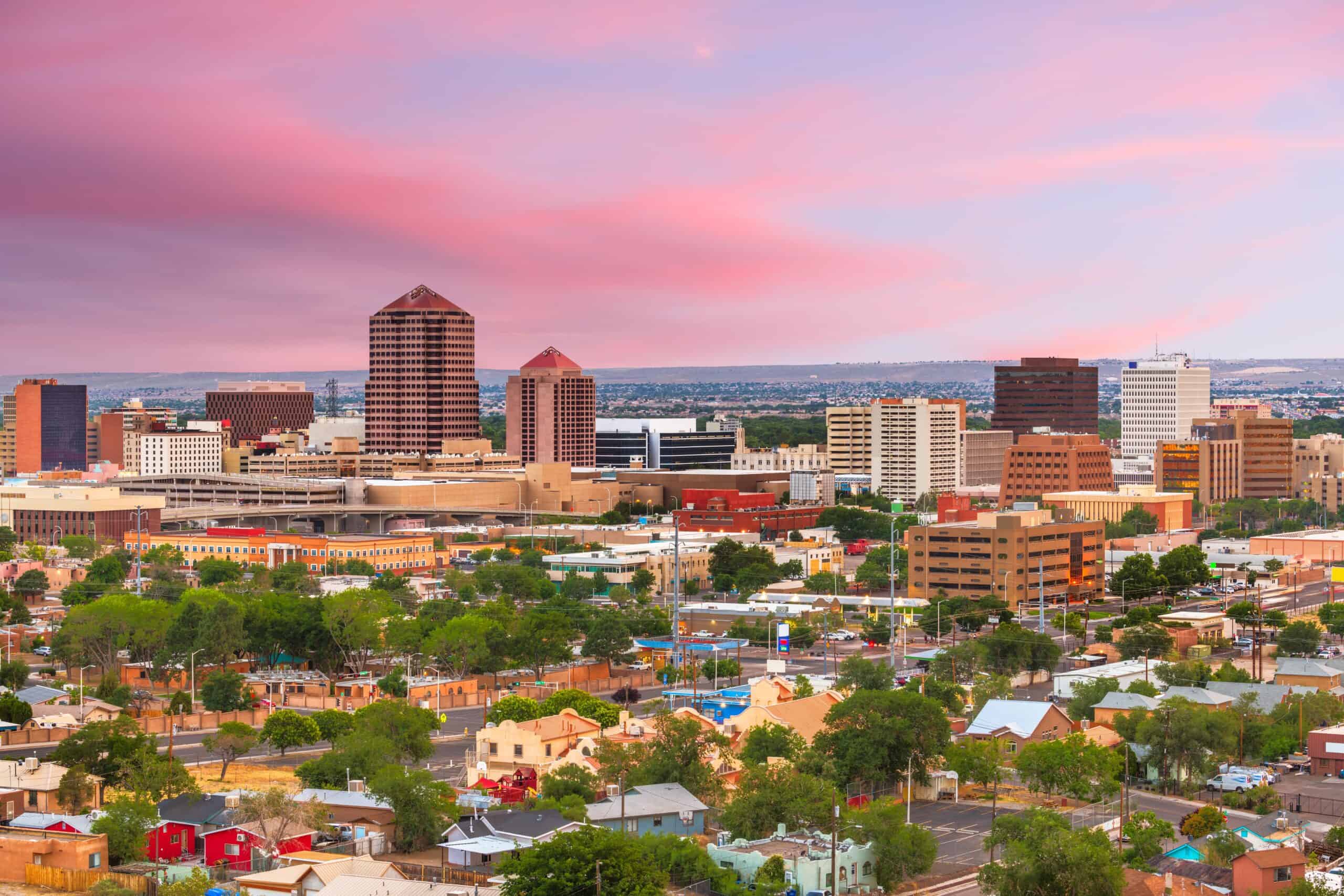
- Income needed: $83,616
- Advantages: Lots of sunshine, low cost of living, local business-oriented economy
- Downsides: Lowest literacy rate in the U.S., 3rd worst job market, 13th highest unemployment rate
- Population: 2.12 million
#39 Nebraska
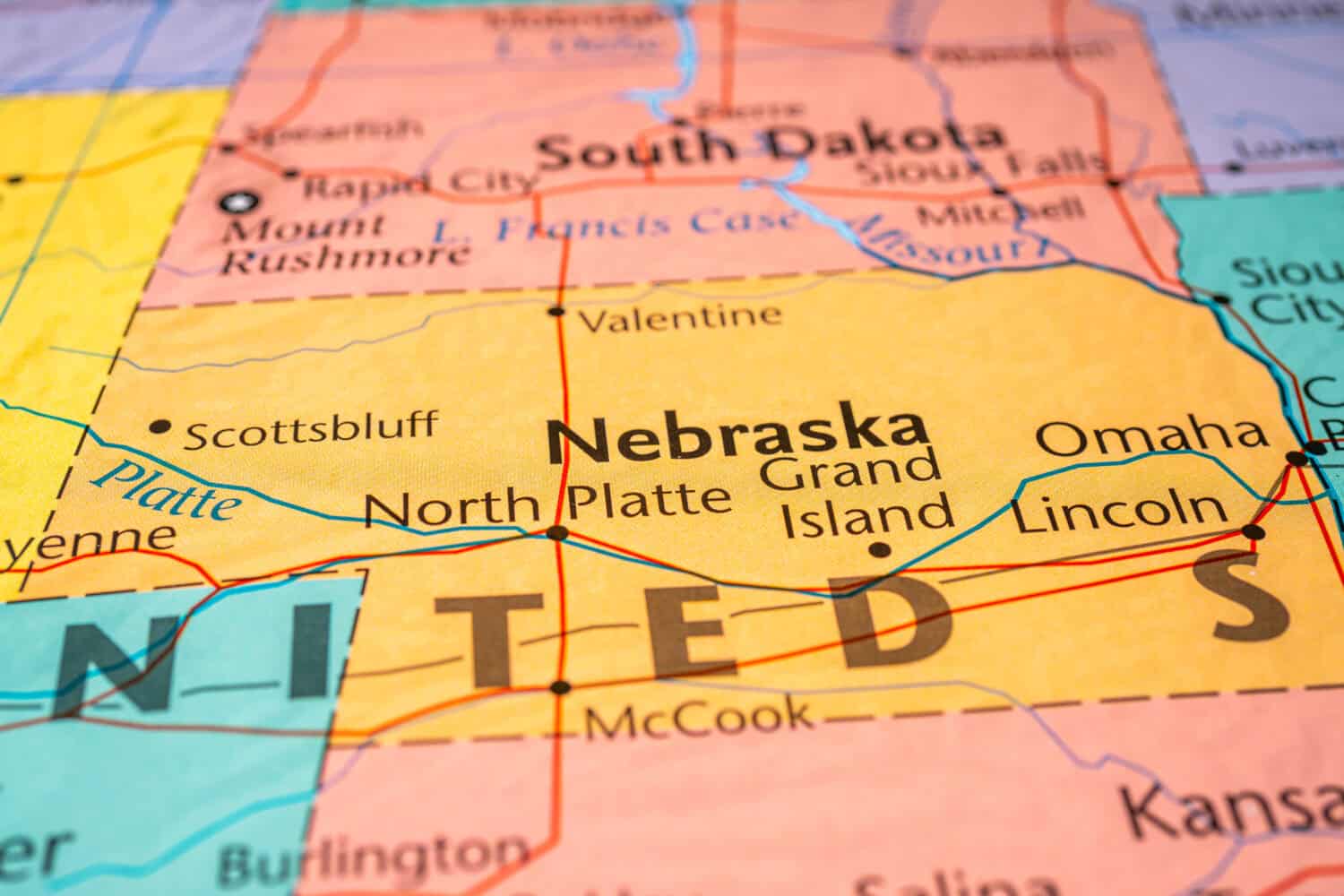
- Income needed: $83,699
- Advantages: Low cost of living, food prices 5% less than national average, low unemploymnt rate and strong job market, great outdoor activities (Chimny Rock, Lake McConaughy, the Agate Fossil Beds National Monument)
- Downsides: High property taxes (1.63%), brutal winters, blizzards
- Population: 1.96 million
#38 Alabama
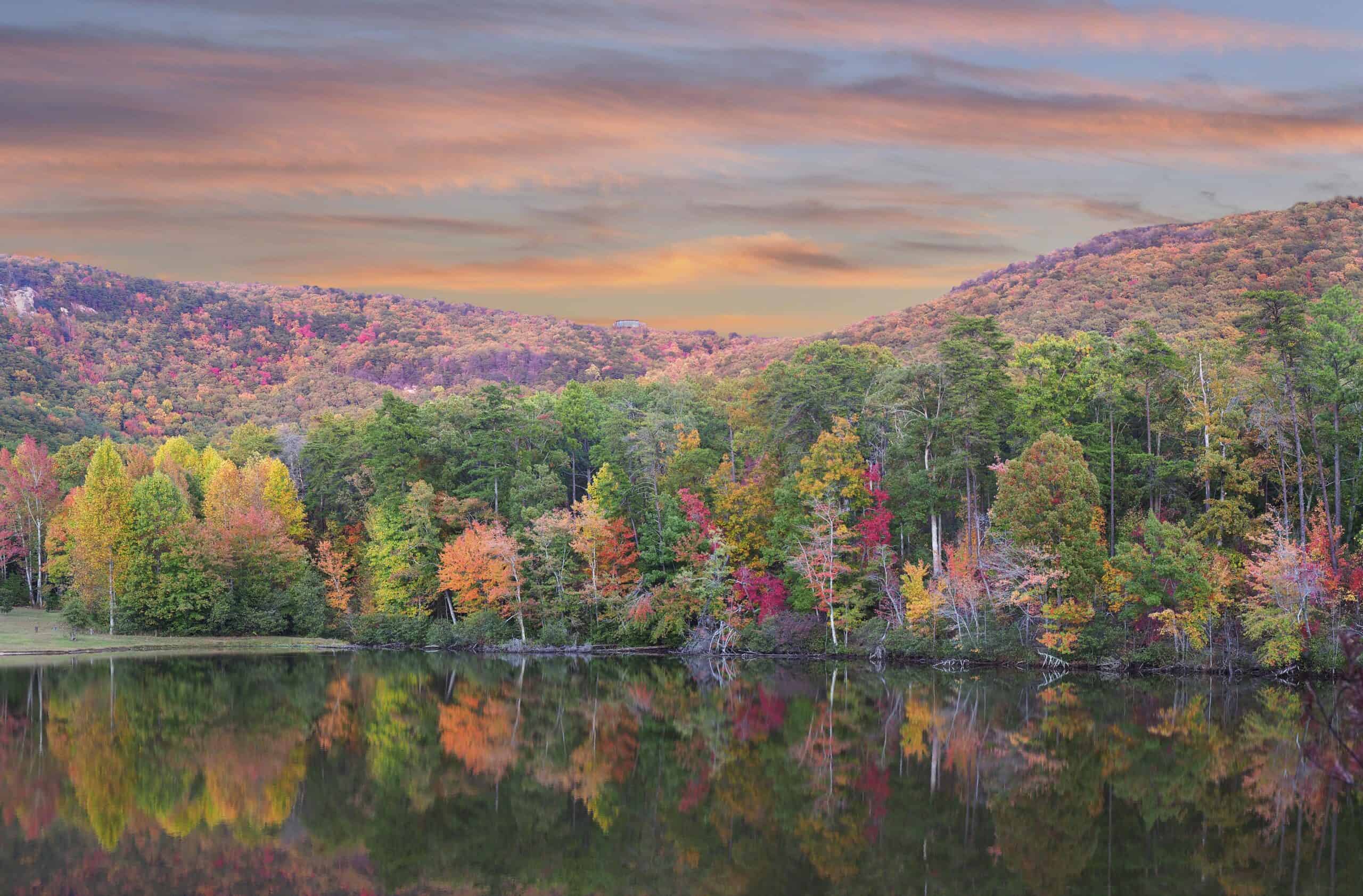
- Income needed: $83, 824
- Advantages: Warm and friendly locals, beautiful beaches, lower cost of living, strong sports culture
- Downsides: Heat and humidity, bugs, low level of education, high poverty rates, poor healthcare quality and access, threat of tornadoes
- Population: 5 million
#37 Missouri

- Income needed: $84, 032
- Advantages: Great food and BBQ, convenient for travel, birthplace of Mark Twain
- Downsides: Low quality of life ranking, high crime rate
- Population: 6.16 million
#36 Wisconsin
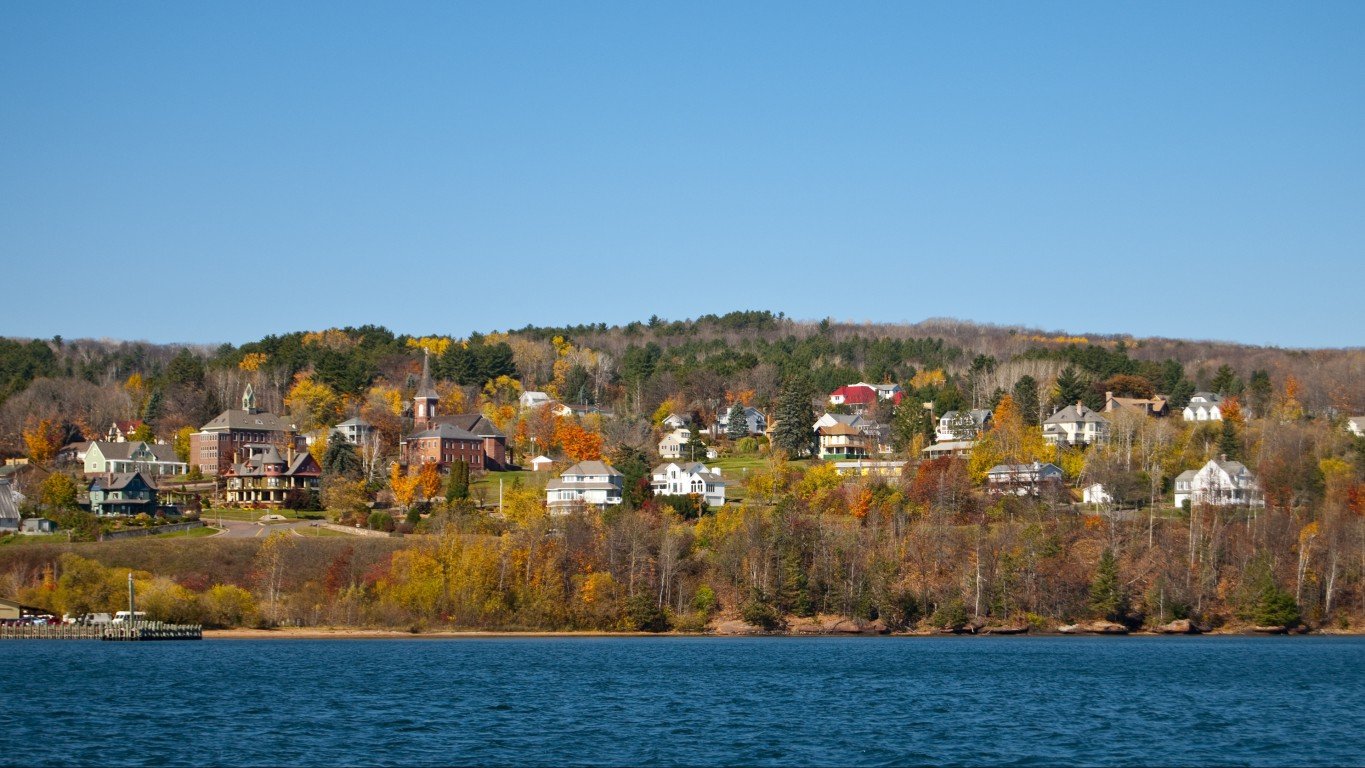
- Income needed: $84,115
- Advantages: Amazing cheese and dairy, high quality of life, quality healthcare, low cost of living, strong public education (8th best in U.S.)
- Downsides: Brutal winters (40-50 inches of snow yearly), high rates of alcohol and drug use, insular culture
- Population: 5.9 million
#35 Michigan
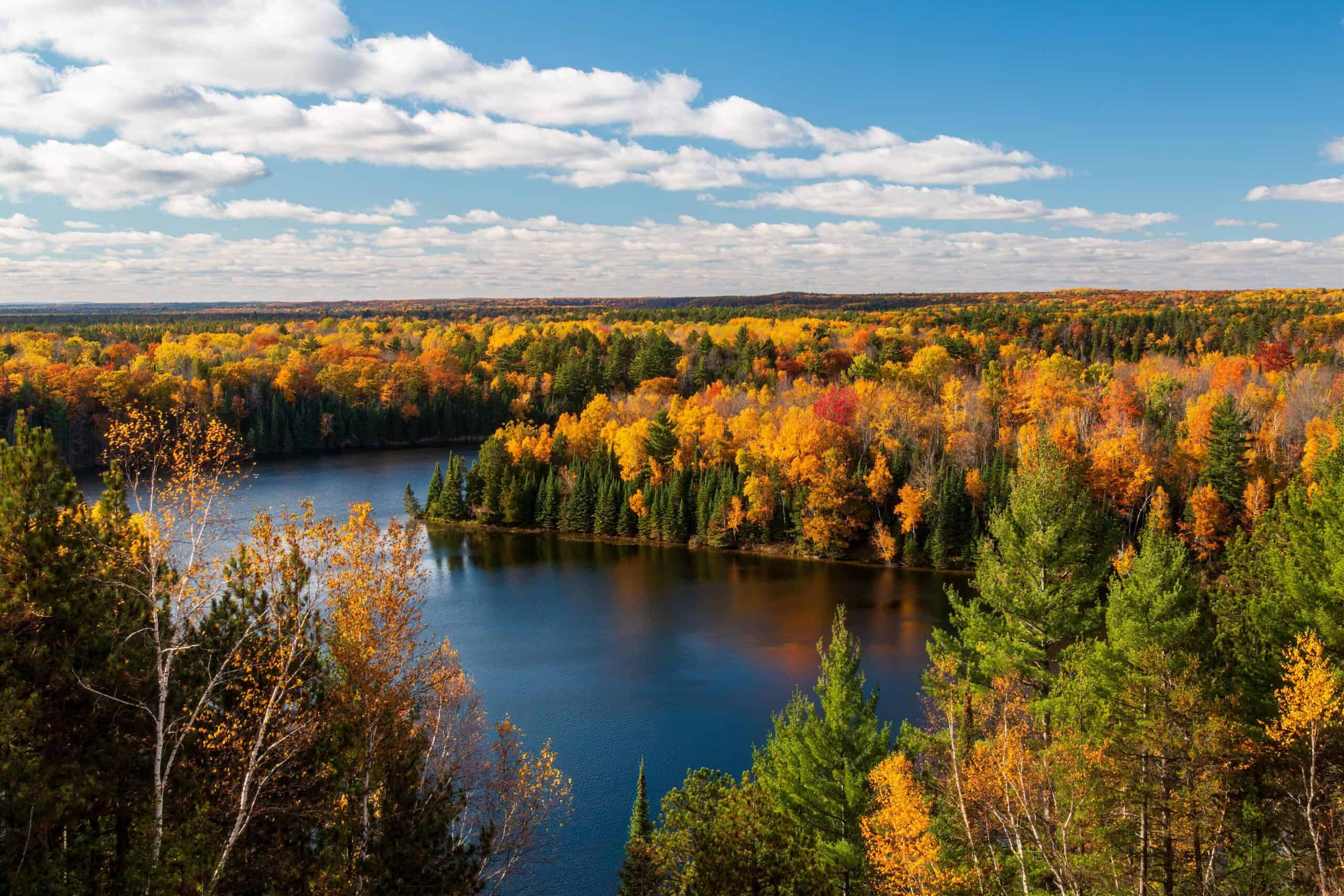
- Income needed: $84,365
- Advantages: Lots of outdoor recreation with lakes and beaches, many wineries and breweries
- Downsides: Brutal winters, terrible roads and infrastructure, high summer humidity
- Population: 10 million
#34 Kansas

- Income needed: $84, 656
- Advantages: Cheap land, low home prices, low tax burden, friendly communities, slower-paced way of life, many family-owned local businesses
- Downsides: Limited healthcare access, lack of entertainment options, lack of diversity
- Population: 2.95 million
#33 Montana

- Income needed: $84,656
- Advantages: Large skies, national forests, many lakes, lots of outdoor recreation, strong economy (6th best in U.S.)
- Downsides: Smaller population, severe winters with high snowfall and below-freezing temperatures, extreme isolation
- Population: 1.12 million
#32 Indiana

- Income needed: $85,030
- Advantages: Great for agriculture, high-rated education system with Notre Dame and Purdue, fantastic public school system, Midwestern hospitality, fairly safe
- Downsides: Flat and landlocked, limited forests, poor public transportation, lack of healthcare access, food deserts
- Population: 6.8 million
#31 Tennessee

- Income needed: $86,403
- Advantages: A world-class music scene, delicious food, no state income tax, scenic views, mild winters, winter sports opportunities in the Smokey Mountains
- Downsides: High crime rate, high poverty rate, high homicide rates, low wages, low life expectancy (5th lowest in country)
- Population: 7.05 million
#30 Texas

- Income needed: $87,027
- Advantages: Strong independent economy, strong job market, year-round sunshine, beach access on the coasts, no state income taxes
- Downsides: Strict abortion bans with harsh penalties, low healthcare access for women, lack of insfrastructure to deal with climate change, high risk of natural disasters
- Population: 30.9 million
#29 Wyoming
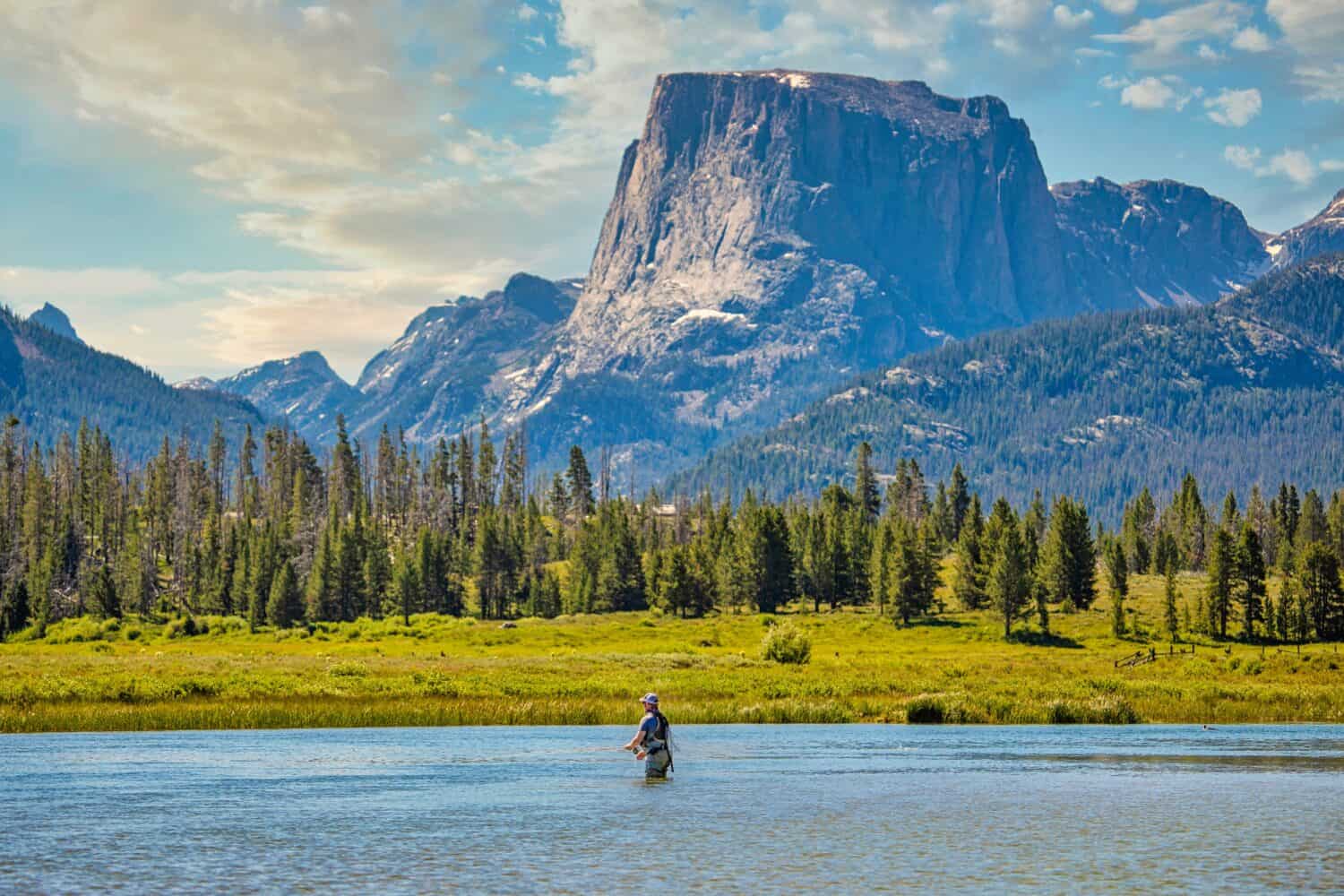
- Income needed: $87,651
- Advantages: Thriving tourism economy (8.1 million tourists annually), beautiful nature, access to Yellowstone National Park, nice summers
- Downsides: Small-town culture that could be difficult to adjust to, harsh winters
- Population: 581,381
#28 South Carolina
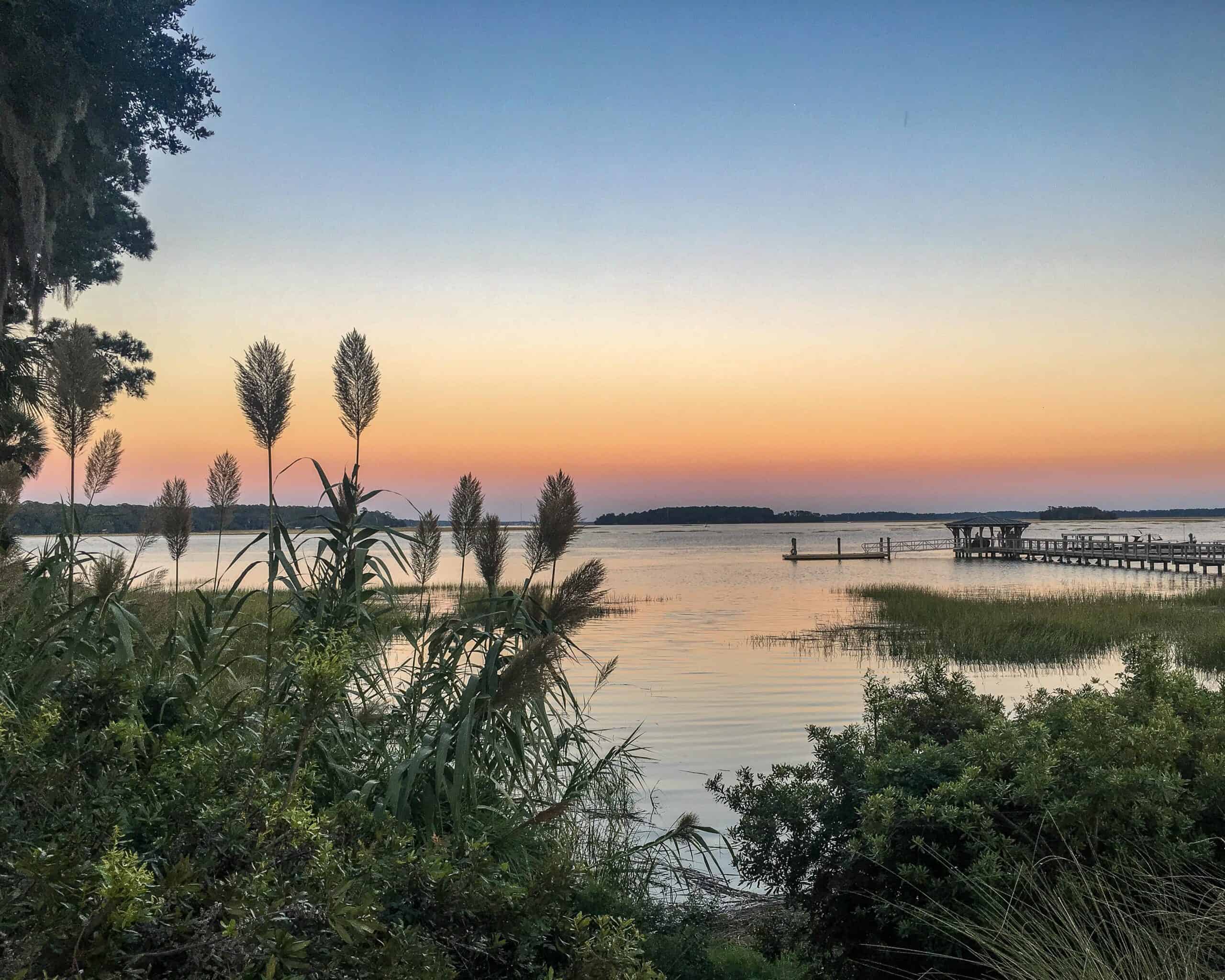
- Income needed: $88,317
- Advantages: Charming beach towns and beautiful coastlines, Grand Strand (60-mile stretch of famous beaches), 12 major lakes, excellent seafood
- Downsides: High chance of tropical storms, extremely windy seasons, high crime rates
- Population: 5.28 million
#27 Idaho
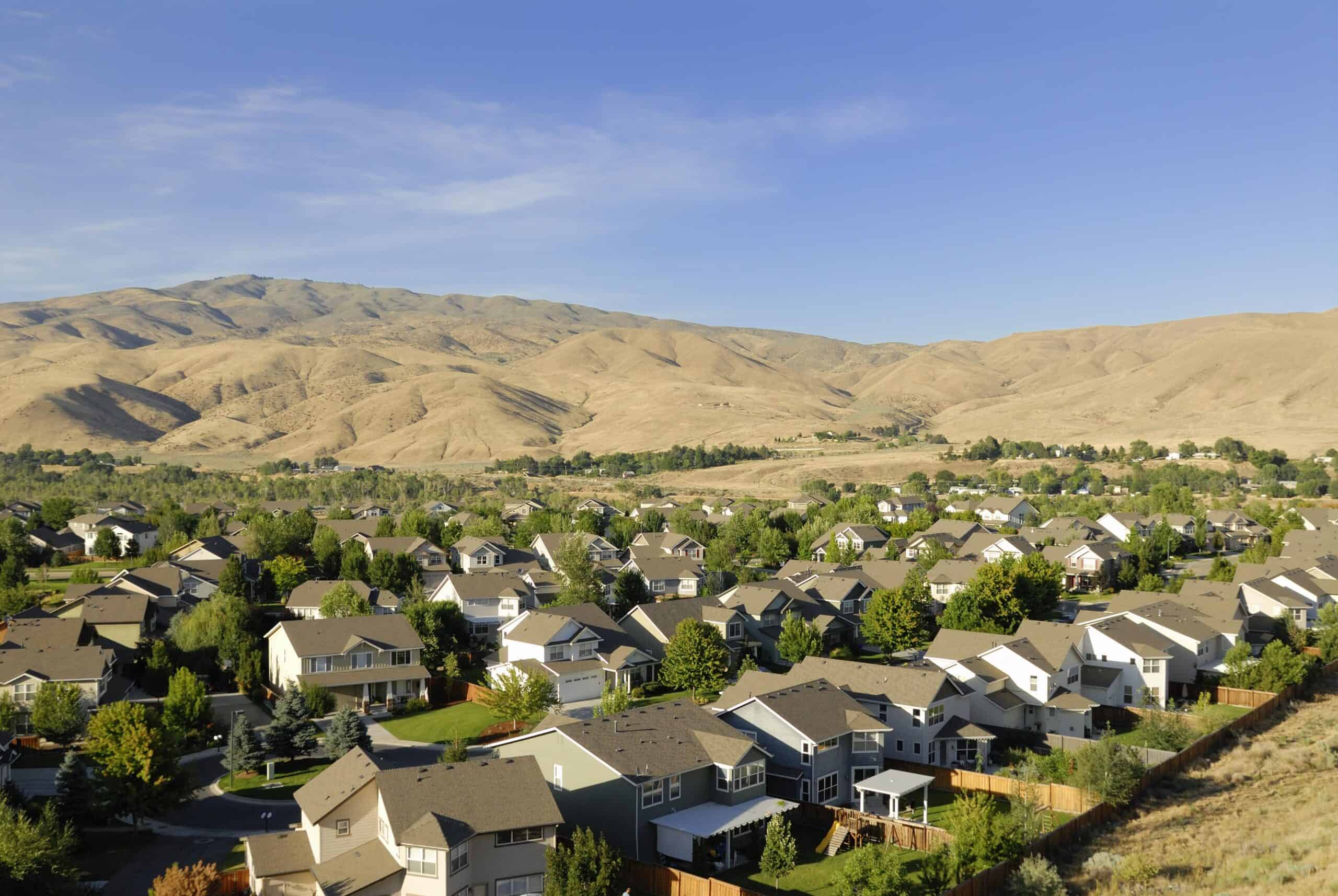
- Income needed: $88,733
- Advantages: Large agriculture industry, beautiful natural landscapes, small-town charm, relatively affordable housing, more relaxed gun laws
- Downsides: Low diversity (82% white), highly religious, limited job market, no state-funded preschool programs (47% of 3-5 year olds enrolled in school), low high school graduation rate (80%), harsh healthcare restrictions for women
- Population: 1.9 million
#26 Minnesota

- Income needed: $89,232
- Advantages: High quality of life (5th in nation), low poverty rate (3rd lowest), low unemployment rate (2nd lowest), high life expectancy, lots of nature, great healthcare access, nice public education
- Downsides: Brutal winters, high regional tax rates, “Minnesota Ice” personality where communities are more insular and non-accepting
- Population: 5.7 million
#25 North Carolina

- Income needed: $89,690
- Advantages: High rate of homeownership (47.6%), great barbecue, mild winters, lots of outdoor recreation
- Disadvantages: Poverty rate (13.6%), high instances of natural disasters, extreme summer humidity, poor public schools
- Population: 10.7 million
#24 Pennsylvania
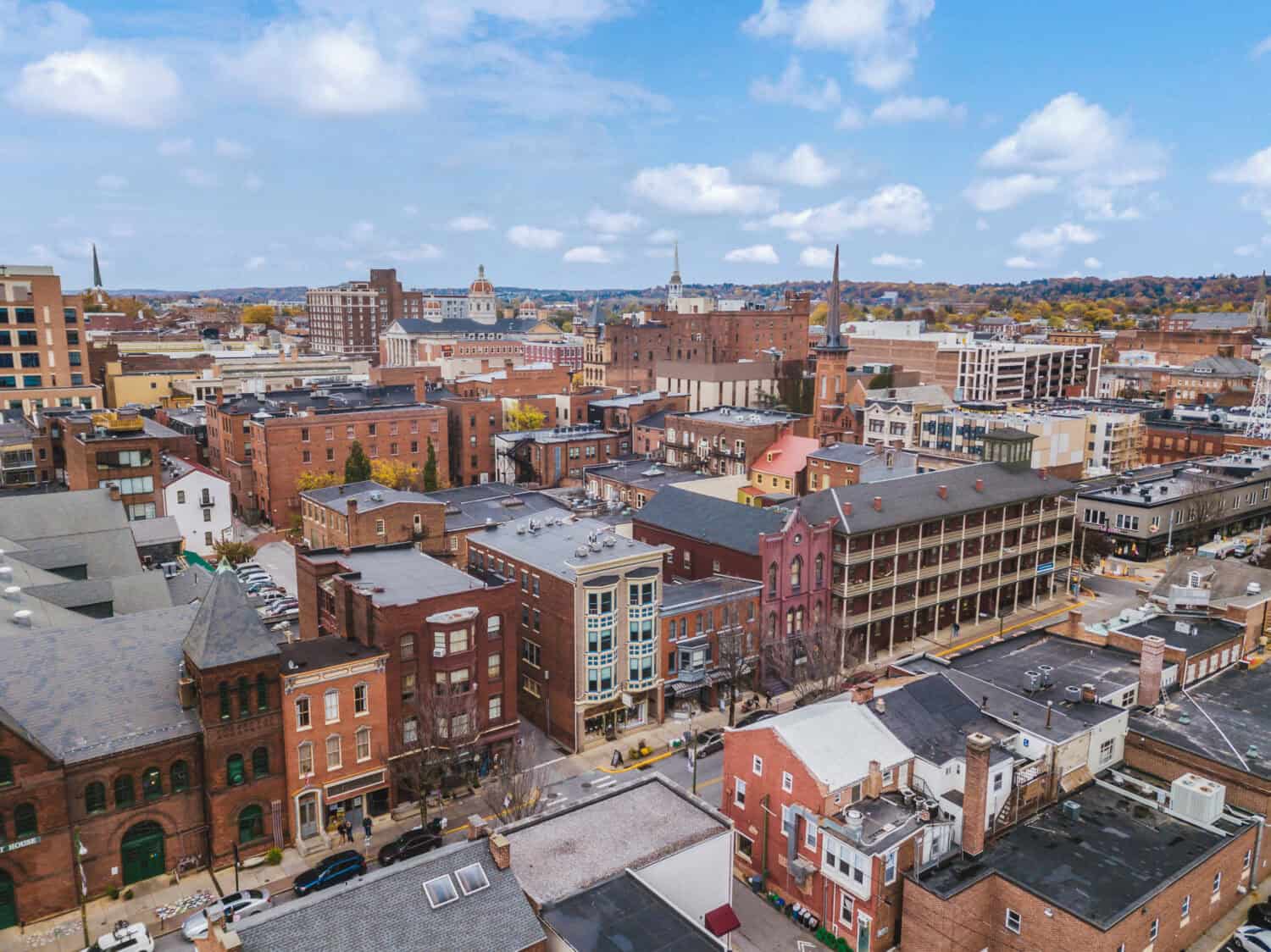
- Income needed: $91,312
- Advantages: Rich American history and culture, 169 national historic landmarks, nice proximity to larger citis like Baltimore or New York City
- Downsides: Higher-than-average violent crime rates, rampant racism and segregation, high poverty rates
- Population: 13 million
#23 Maine

- Income needed: $91,686
- Advantages: Easy-going cultural vibe, full of charming small towns, friendly and courteous locals, local seafood, sustainable farming, pleasant summers
- Downsides: Harsh winters, high taxes, limited public transportation
- Population: 1.3 million
#22 Florida
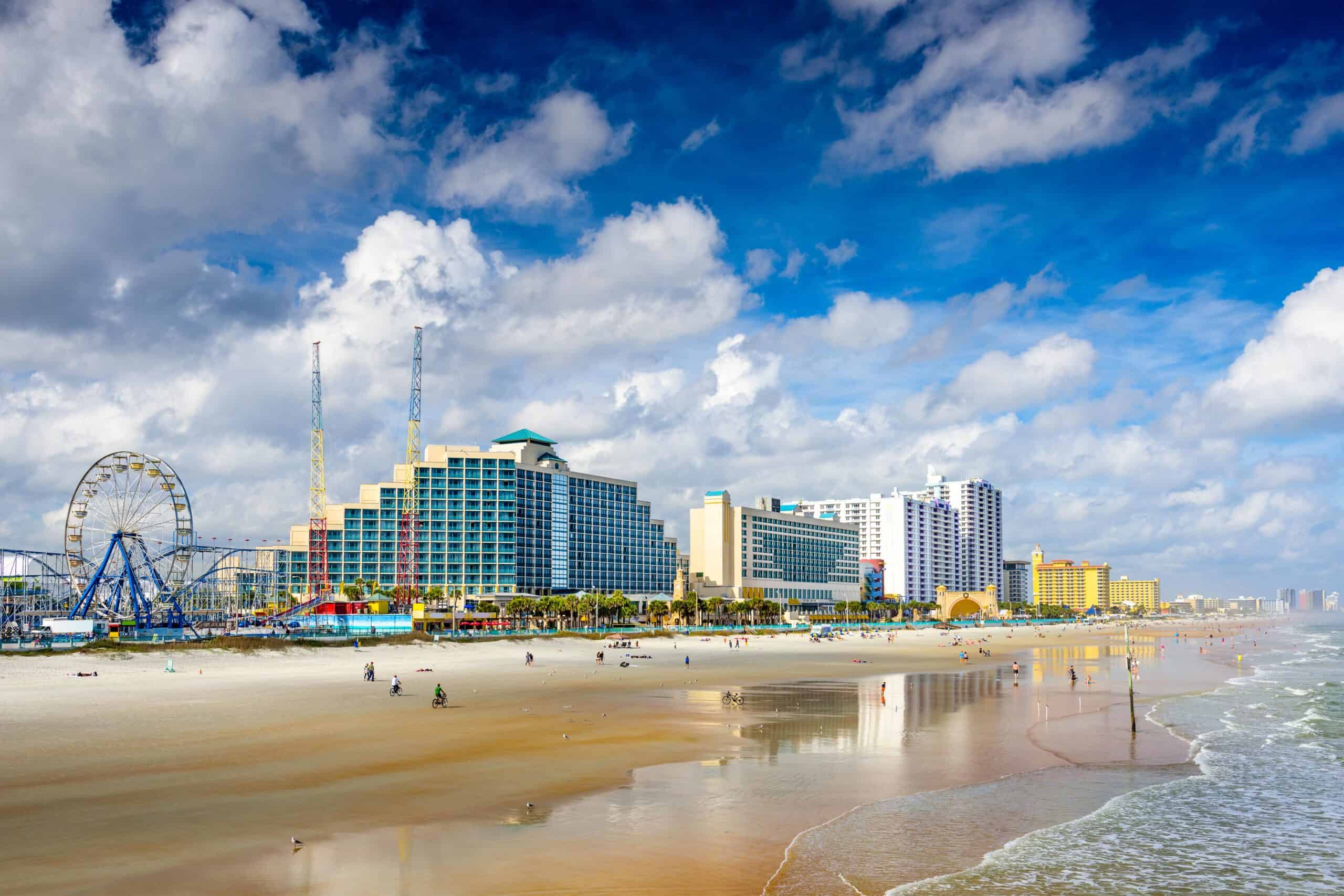
- Income needed: $93, 309
- Advantages: Warm weather, low tax rate, over 1,000 miles of coastline, popular amusement parks, great professional sports, beautiful beaches
- Downsides: Violent crime over the national average, prone to natural disaster, poor healthcare and low insurance rates
- Population: 23 million
#21 Nevada
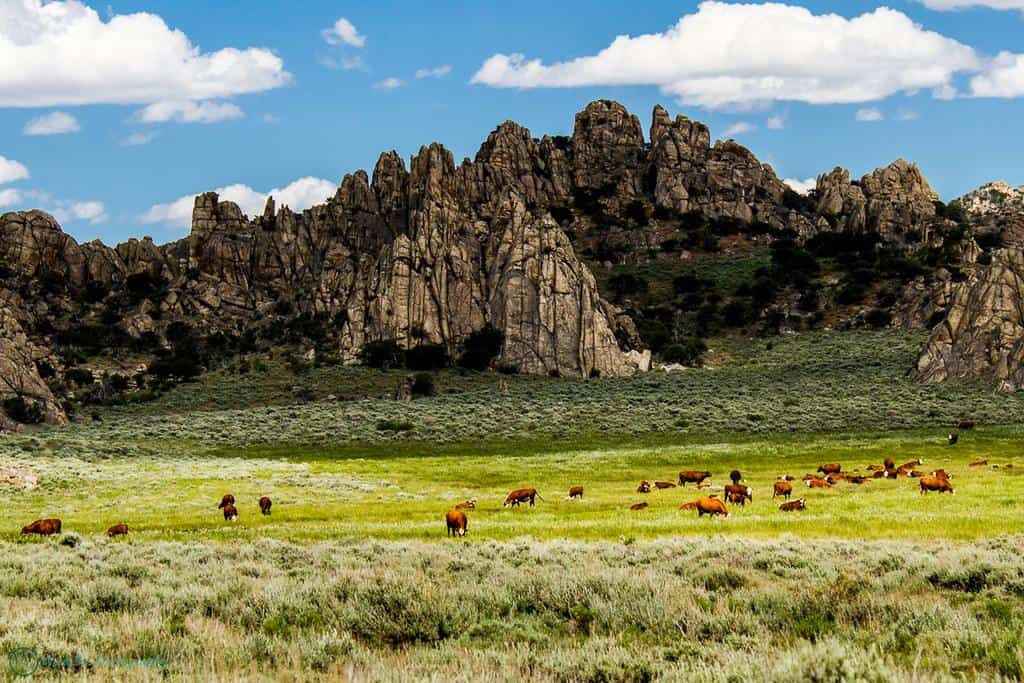
- Income needed: $93,434
- Advantages: Home to Sin City and “The Smallest Big City in the World” (Las Vegas and Reno), no state income tax, low property tax, low tax burden, sunny and mountainous, great outdoor recreation spots (Lake Tahoe, Lake Mead)
- Downsides: Distance from major cities, extreme summer heat, low air quality, increasingly limited water resources
- Population: 3.2 million
#20 Utah
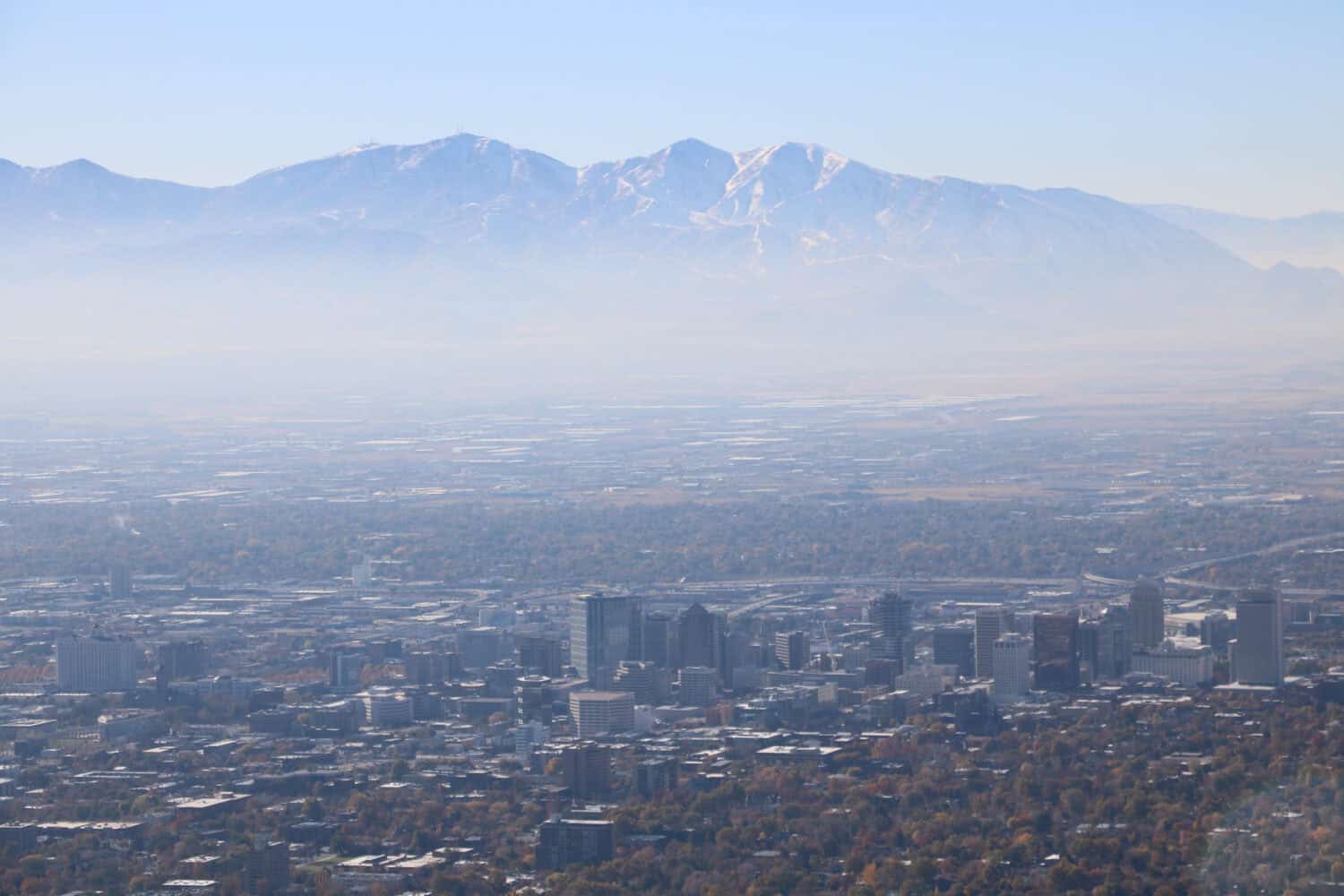
- Income needed: $93,683
- Advantages: Great outdoor activities (Wasatch Mountain Range and ski resorts), “Outdoor Recreation Mecca of America,” lots of public camping, increasing job market (2% unemployment)
- Downsides: Lack of diversity (77% white), severe drought and water management issues, infrastructure can’t support growing population, summer wildifres, poor air quality, prohibition-era-like alcohol laws
- Population: 3.38 million
#19 Delaware
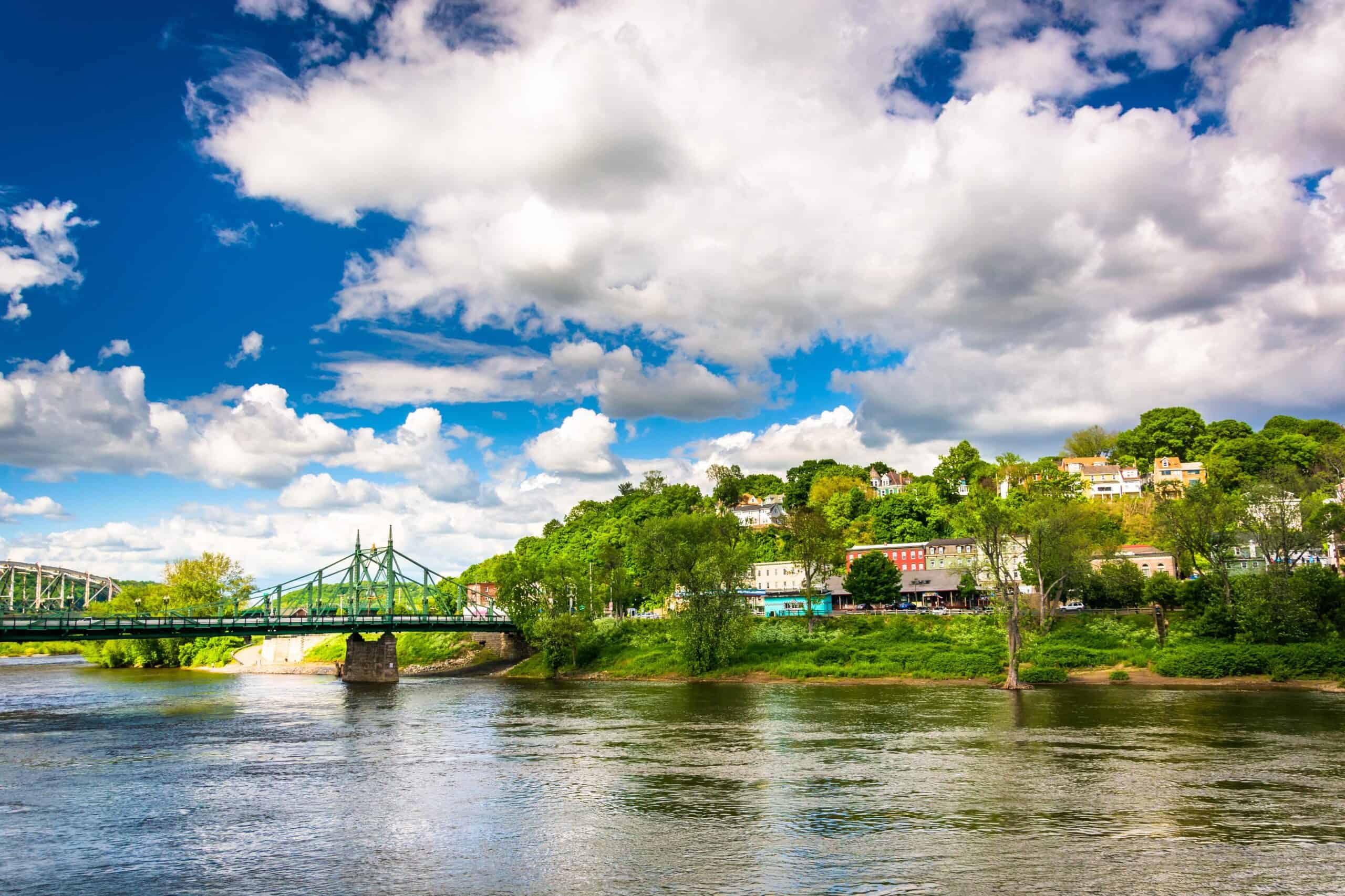
- Income needed: $94,141
- Advantages: No sales tax, gorgeous beaches, ability to experience all four seasons
- Downsides: High unemployment rate, significant pollution, high crime rates
- Population: 1.03 million
#18 Illinois
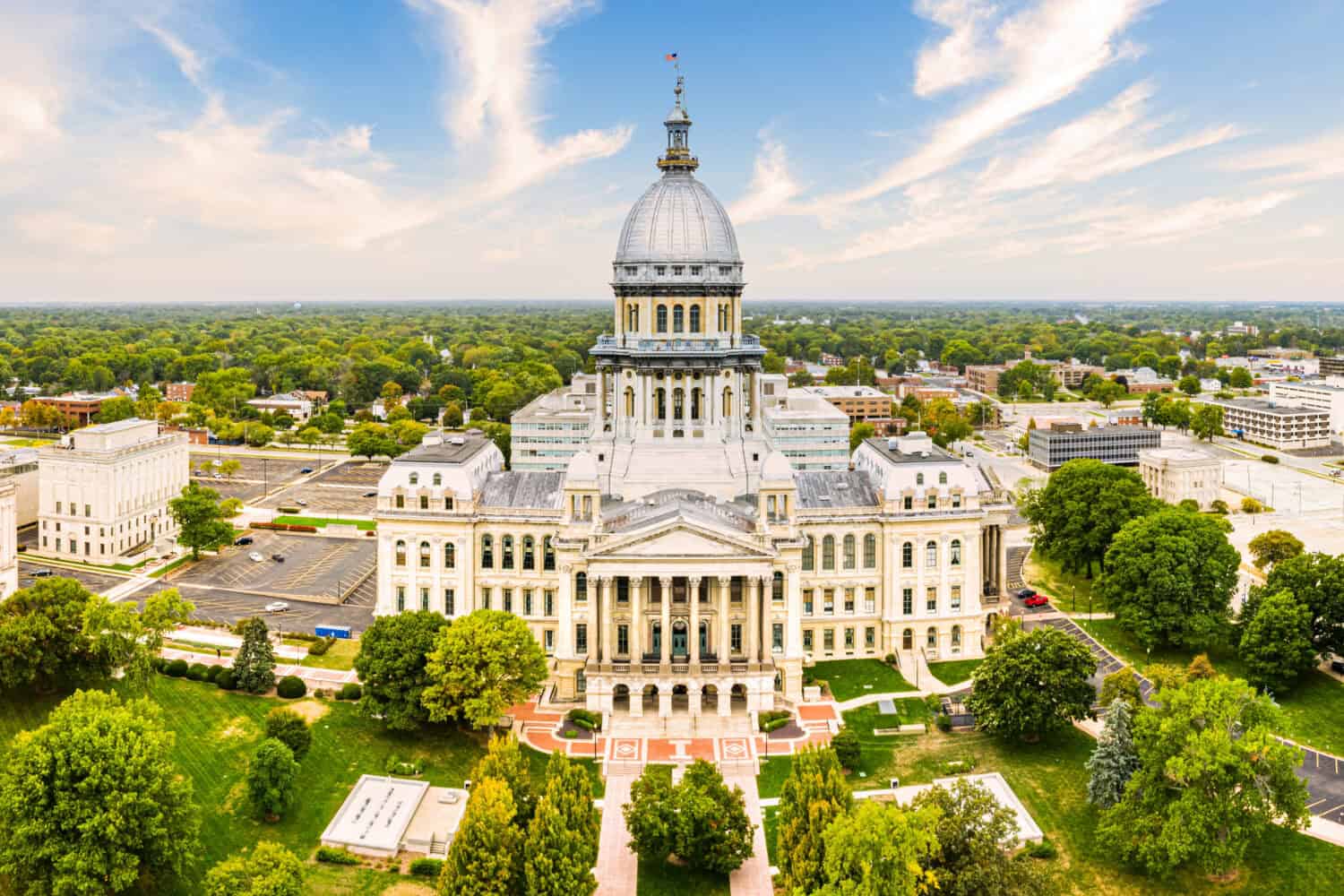
- Income needed: $95,098
- Advantages: Excellent economy, strong job market, lots of diversity, excellent pizza and multicultural cuisine, plenty of entertainment, proximity to Chicago, small towns with Midwestern charm
- Downsides: Severe traffic, higher taxes, extreme winters, higher-than-average crime rate
- Population: 12.5 million
#17 Vermont
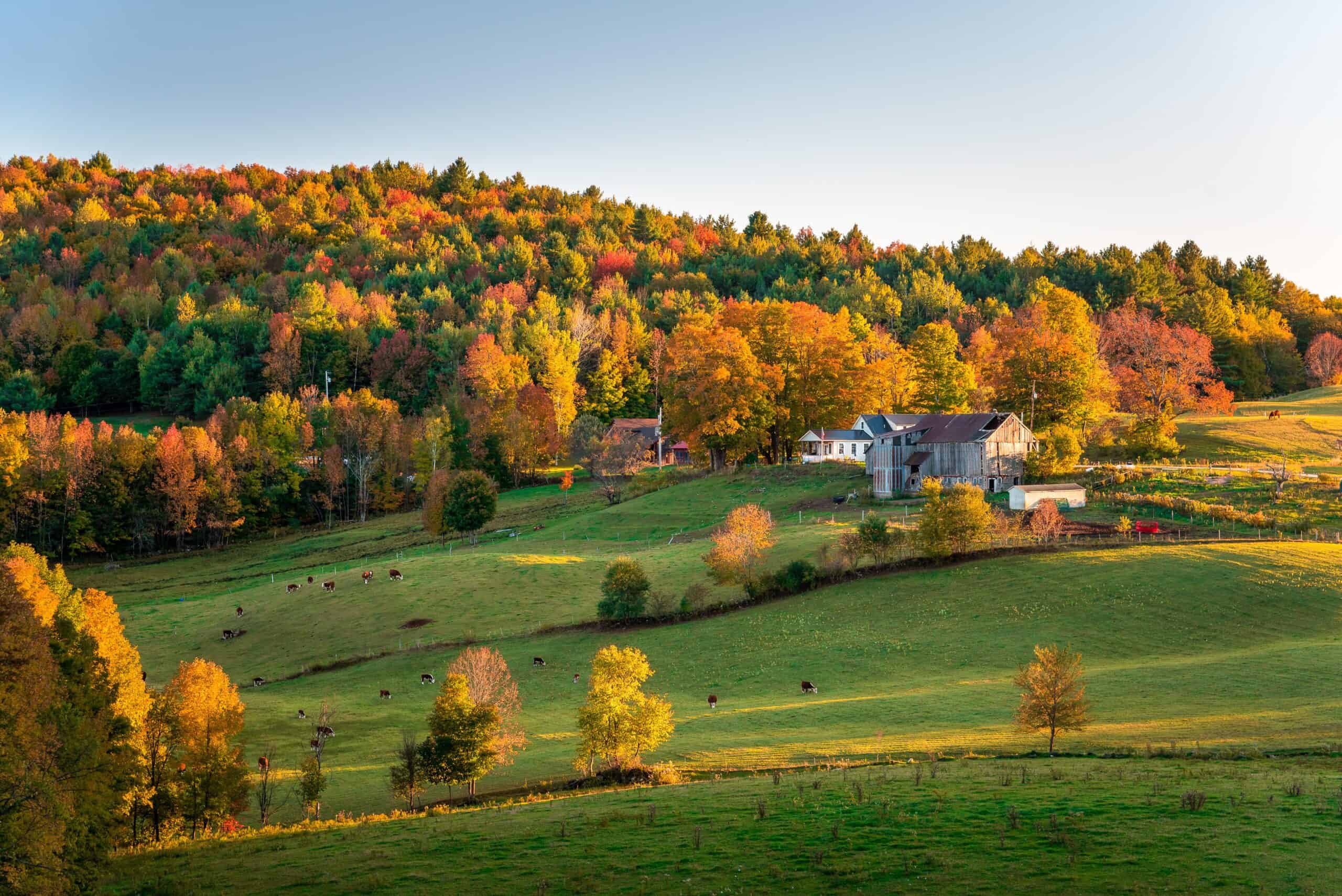
- Income needed: $95,763
- Advantages: Recreational marijuana use, environmentally conscious, incredibly safe
- Downsides: Rural and isolated towns, little public transportation, lack of racial diversity, high rates of Seasonal Affective Disorder
- Population: 647,064
#16 Alaska
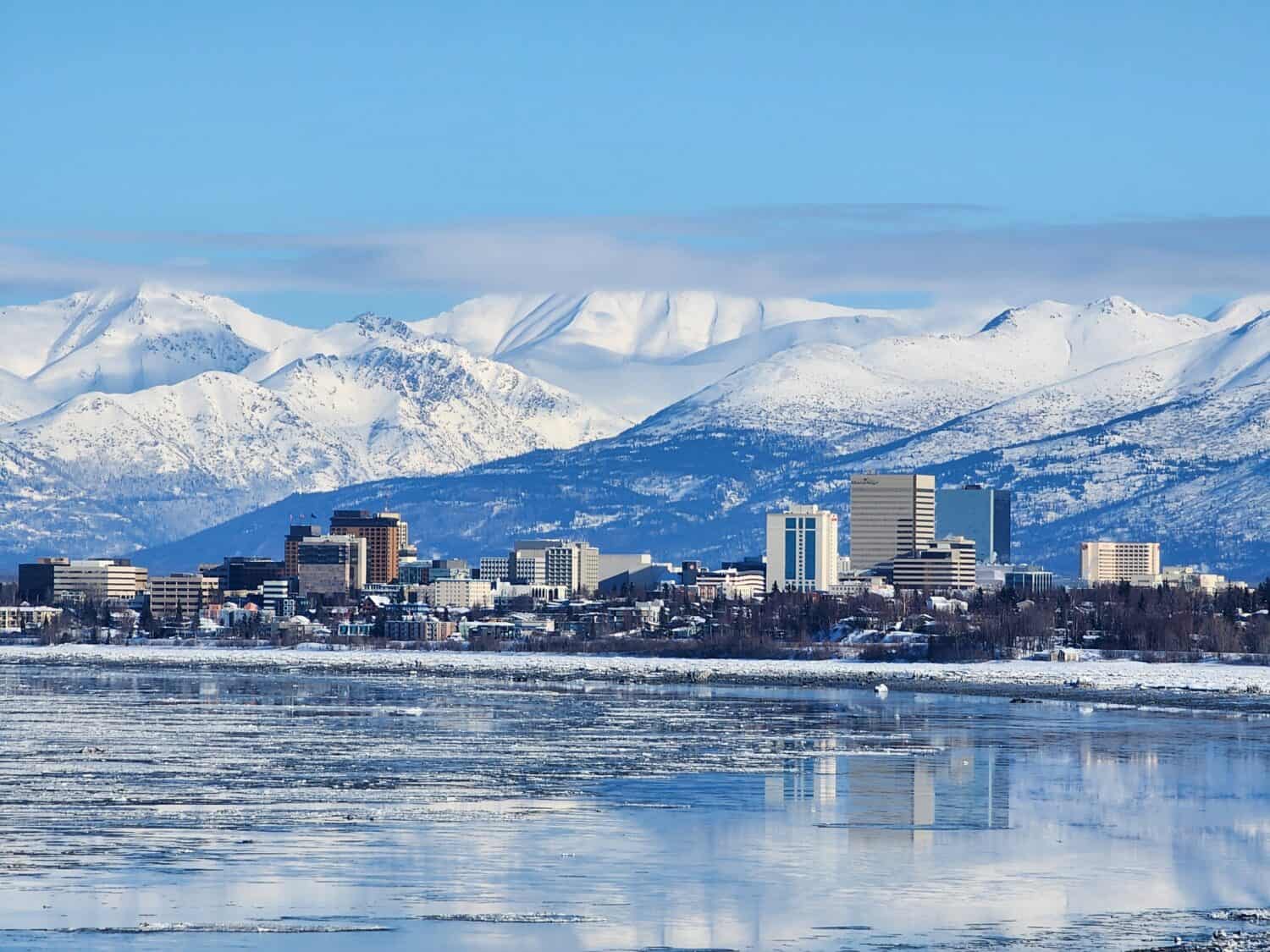
- Income needed: $96,762
- Advantages: Incredible beauty, proximity to untamed wilderness, fantastic air quality, community-based populations that are very friendly
- Downsides: High seasonal depression rates, isolated towns, difficult-to-obtain resources, lack of fresh produce, long and harsh winters
- Population: 733,536
#15 Georgia

- Income needed: $96,886
- Advantages: Beautiful cities, delicious food (BBQ and peaches!), Southern charm and friendly locals, lots of sunshine with mild winters, strong professional sports culture
- Downsides: Low quality of education, less access to healthcare, racism and discrimination (racially motivated hate crimes rose 61% since 2020)
- Population: 3.7 million
#14 Arizona

- Income needed: $97,344
- Advantages: Lots of beautiful outdoor areas (forests, high deserts, canyonlands, lava fields), open camping, robust job market
- Downsides: Dry heat, less friendly population, severe lack of public transportation, dangerous wildlife, high rate of opioid and substance abuse
- Population: 7.5 million
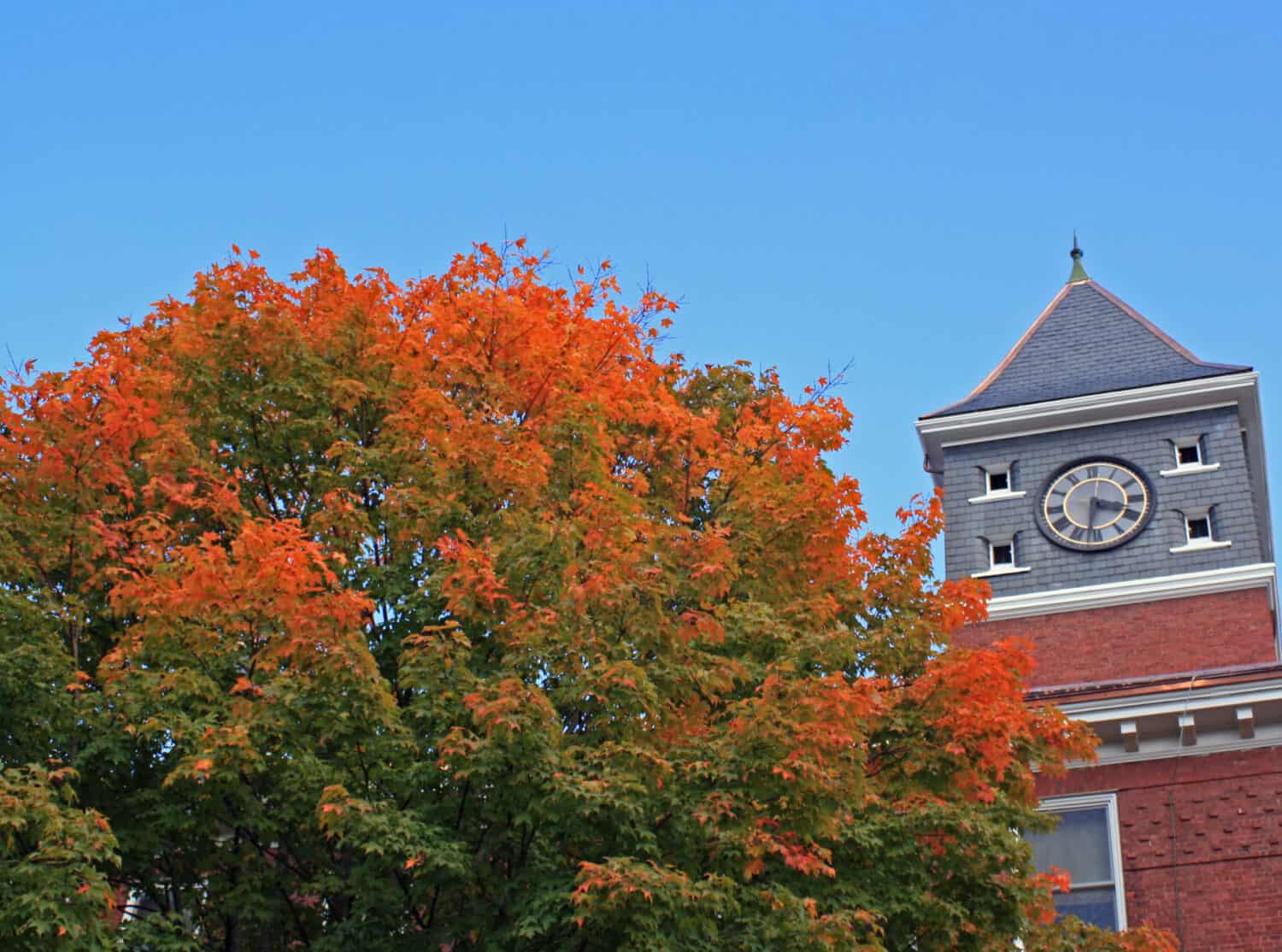
#13 New Hampshire
- Income needed: $98,093
- Advantages: High-rated public schools, beautiful fall season, cheap groceries, no income tax
- Downsides: High property taxes, high cost of living, large incidence of Lyme disease, low diversity (90% white)
- Population: 1.4 million
#12 Virginia

- Income needed: $99,965
- Advantages: Best public schools in the country, low crime rates, many historical sites, outdoor activities (Appalachian Mountains, Shenandoah Valley), large range of living situations (small towns, large cities)
- Downsides: High humidity, lots of traffic (especially in D.C. suburbs), high cost of living
- Population: 8.7 million
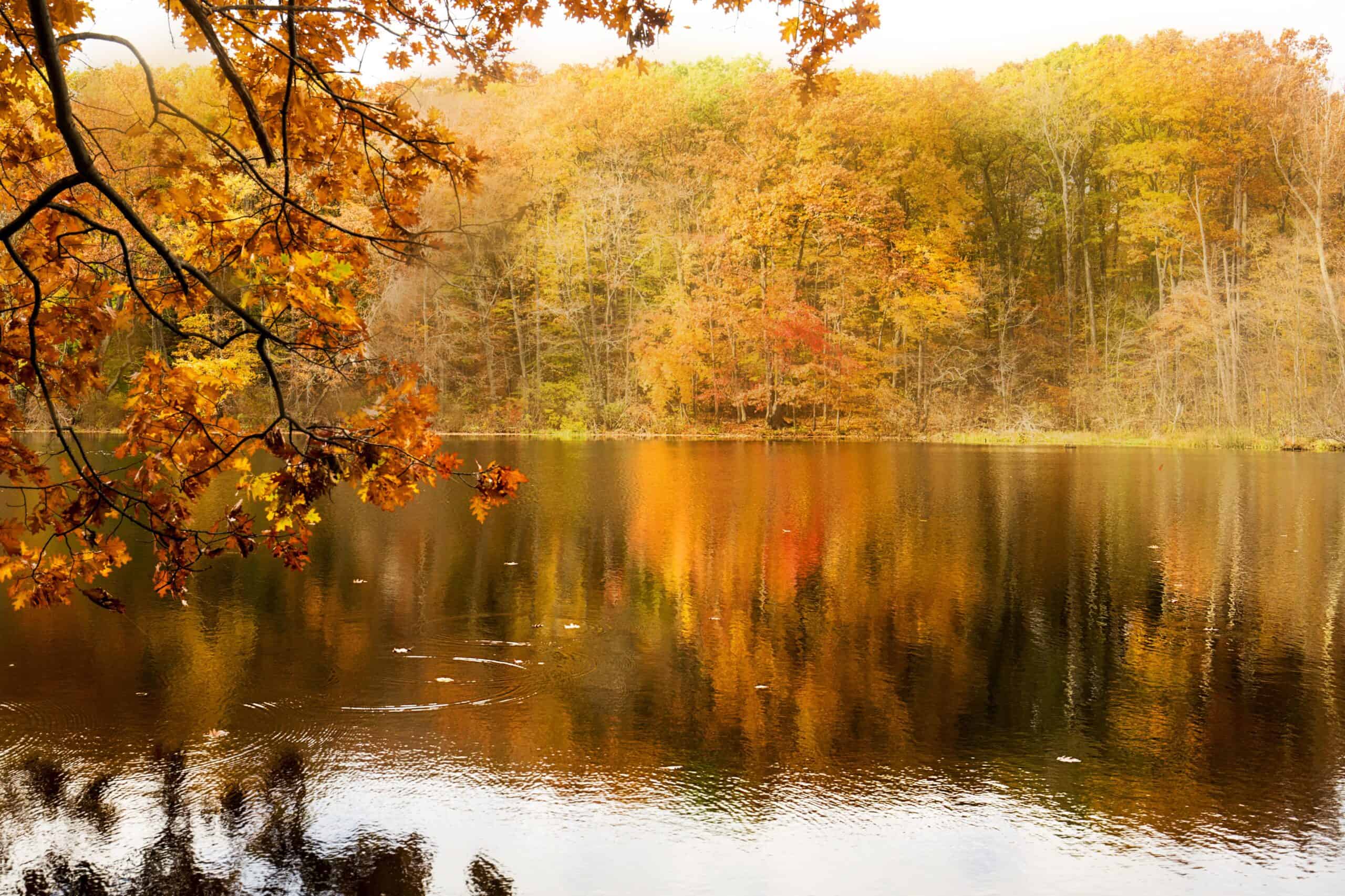
#11 Connecticut
- Income needed: $100,381
- Advantages: Highly-rated public school system, low poverty rates, access to nature, many options for living (beach, city, rural), lots of historical background (birthplace of Mark Twain, home of Yale University), low crime rate
- Downsides: High tax burden, non-robust job market
- Population: 3.7 million
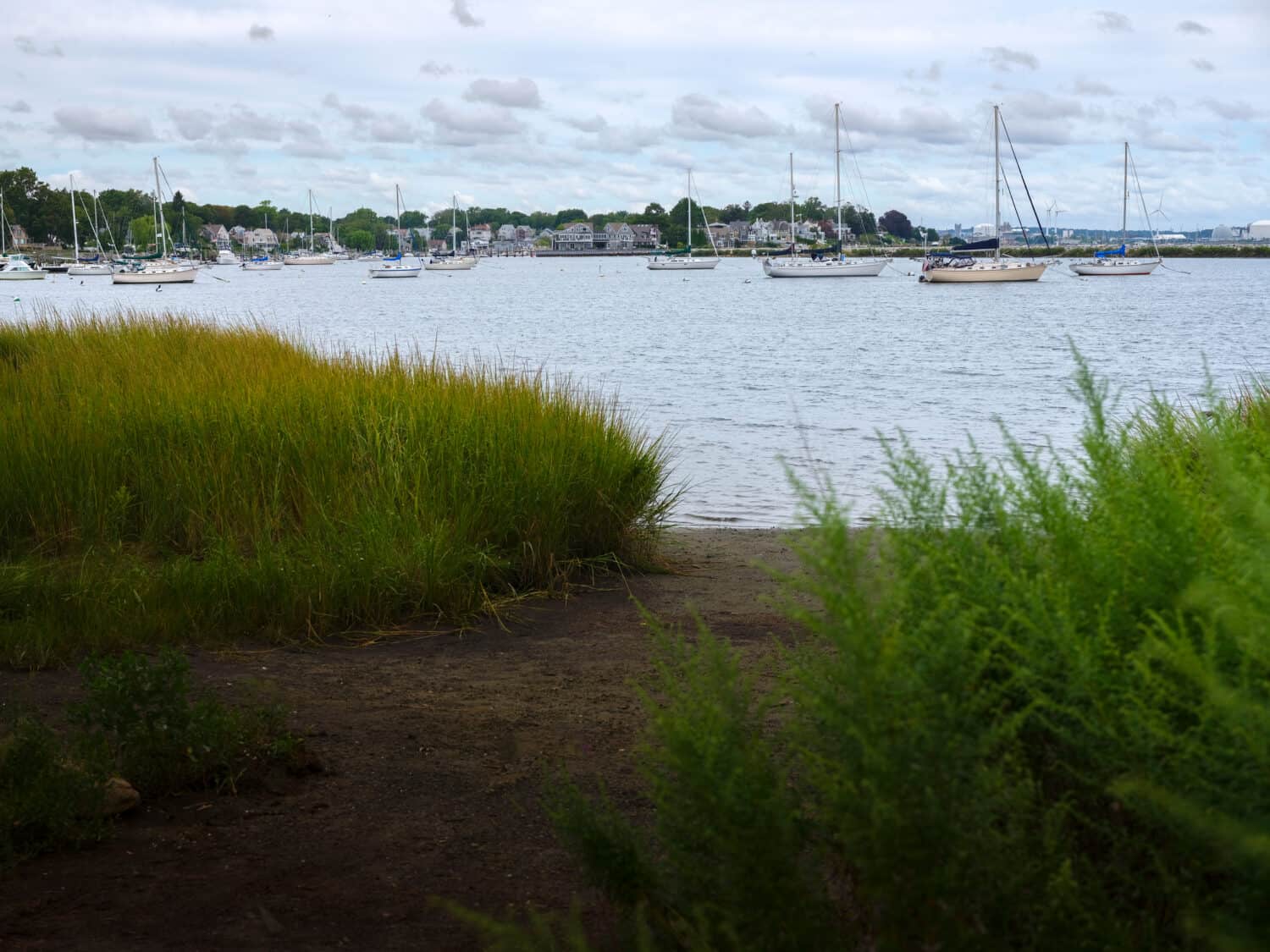
#10 Rhode Island
- Income needed: $100,838
- Advantages: Small and less crowded, supernatural history (the real “Conjuring” house, Belcourt Castle, Seaview Terrace), strong surfing and beach culture (“Sailing Capital of the World”), fresh seafood
- Downsides: High tax burden, harsh winters, limited job market, low diversity (77% white, 6% Black)
- Population: 1 million
#9 Oregon

- Income needed: $101,088
- Advantages: No sales tax, rich in culture, stunning coastlines and forests, not having to pump your own gas, relatively safe
- Downsides: Rainy weather, high rates of seasonal depression, large tax burden and high cost of living
- Population: 4.3 million
#8 Maryland

- Income needed: $102,918
- Advantages: Top-rated public schools, strong job market, many historical sites, easy access to Washington D.C., lots of diversity, “All-Payer” healthcare model (closest to universal healthcare/fair pricing in America)
- Downsides: Harsh winters, dense population, terrible traffic
- Population: 6 million
#7 New Jersey

- Income needed: $103,002
- Advantages: High quality of living (5th happiest state), low crime rate, beautiful nature, one of the most diverse states nationwide, great educational system
- Downsides: High cost of living, high property taxes
- Population: 9.2 million
#6 Colorado

- Income needed: $103, 293
- Advantages: High elevation as the “Mile High State,” lots of outdoor recreation, home to the Rocky Mountains and four national parks, booming job market
- Downsides: High rate of substance abuse (3rd in country for opioids/cocaine), limited public transportation
- Population: 5.6 million
#5 Washington

- Income needed: $106,496
- Advantages: Extreme beauty, abundant natural diversity (evergreen forests, coastlines, Cascade Mountain Range), wine production (792 wineries), no state income tax
- Downsides: Gloomy and rainy weather, significant traffic, threat of natural disasters
- Population: 7.8 million
#4 New York

- Income needed: $111,738
- Advantages: Relatively affordable (beyond New York City), highly rated school system, access to outdoor activities and winter sports, many charming towns and beaches
- Downsides: High crime rate, harsh winters, high energy costs, high property taxes
- Population: 19.7 million
#3 California

- Income needed: $113,651
- Advantages: Great weather (mild winters, tolerable summers), delicious multicultural food, amazing nature access (Redwood Forest, beaches, national parks, deserts, forests)
- Downsides: Risk of wildfires, high taxes, severe traffic, droughts, a large unhouse population
- Population: 38.9 million
#2 Hawaii

- Income needed: $113,693
- Advantages: Low crime rates, tropic paradise, fresh fruit, amazing nature, slow-paced living
- Downsides: Dwindling resources, high cost of living, out-of-control housing market, tourism industry that is exploitative to Hawaii’s native and indigenous populations
- Population: 1.46 million
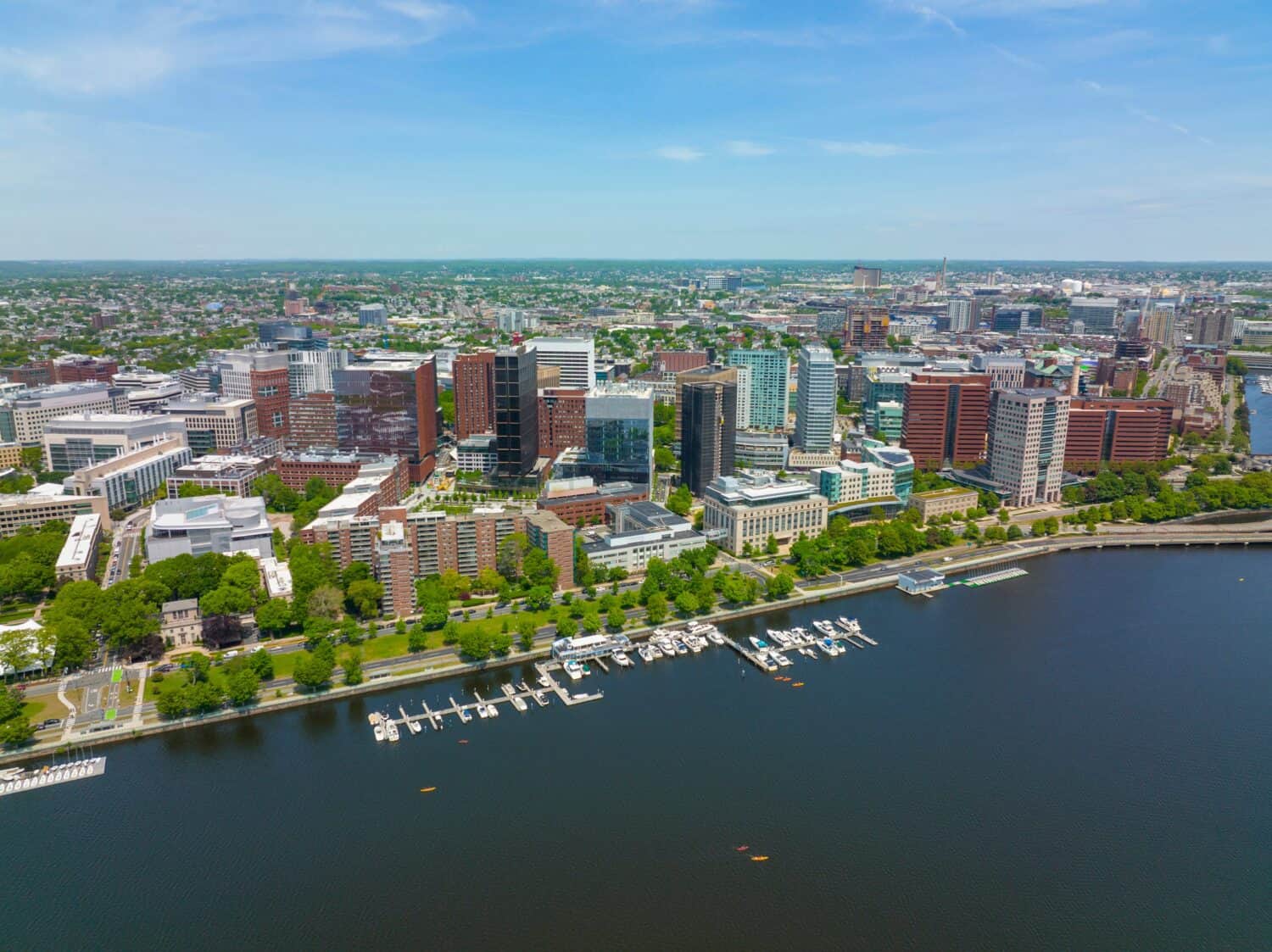
#1 Massachusetts
- Income needed: $116,022
- Advantages: Walkable cities, a highly rated educational system, top-tier healthcare, thriving job market, clean air quality, high life expectancy, numerous historical sites
- Downsides: Highest cost of living, subpar infrastructure, significant traffic, harsh winter conditions
- Population: 6.8 million
Contact [email protected] for any questions or corrections.