Top Dividend Stocks Poised for Explosive Growth in 2026 (ABBV, GD, RGR)
Geopolitical events, judicial rulings, new law legislation, and policy changes are all circumstances occurring on domestic and international stages that are triggering big stock moves in various industrial sectors. The impact is being demonstrated on both large-cap and small-cap companies.…

This post may contain links from our sponsors and affiliates, and Flywheel Publishing may receive compensation for actions taken through them.

Geopolitical events, judicial rulings, new law legislation, and policy changes are all circumstances occurring on domestic and international stages that are triggering big stock moves in various industrial sectors. The impact is being demonstrated on both large-cap and small-cap companies. While investing in companies that are exhibiting potential large growth prospects for the coming 12-months is always finding companies with the addition of a dividend is always a welcome bonus.
Abbvie Inc.
In August 20224, Morgan Stanley predicted a price target of $250.00, when Abbvie Inc. (NYSE: ABBV | ABBV Price Prediction) was trading at $189.00 At the time of this writing, it is trading between $235 and its 52-week high of $244.81. Perhaps a few weeks off, but certainly on track. Its 2.79% yield is also a nice cherry on top of a lucrative stock.
Chicago headquartered Abbvie Inc. is one of the top 5 largest biotech and pharma companies, with treatments for various forms of blood, skin, prostate, and organ cancers, as well as autoimmune diseases, skin ailments, and gastrointestinal disorders.
Other Abbvie prescription drugs deal with such afflictions as:
- Parkinson’s disease
- Ocular disease
- Hepatitis
- Endometriosis
- Anemia
- IBS
- Hypothyroidism
- Pancreatitis
- Uterine Fibroids
- Chronic Migraines
Additionally, Abbvie markets Botox, facial injectables, plastic surgery adjuncts, body and skin care products, both therapeutic and cosmetic.
Abbvie’s newly approved Emrelis differs uniquely in a number of ways from its competitors in the solid tumor oncology space and is causing a buzz in the cancer treatment industry. Emrelis has an approach towards targeting, strategic positioning, and methodology of action that has no similarity to any other oncology drugs, making it stand apart. Focusing on C-MET biomarkers, versus HER2 or TROP2, it can more precisely target small-cell lung cancer tumors without the potential DNA damage risk that is inherent with current treatments from some of Abbie’s rivals.
As the solid tumor category has long been one in which Abbvie lagged, Emrelis could be a big boost for the company’s fortunes. Morgan Stanley cited it as one of the reasons for its $250 target price for Abbvie.
Abbvie has addressed President Trump’s “Most Favorite Nation” drug pricing executive order by lowering domestic US prices for products like ovarian cancer treatment Elahere, which now matches its UK price. Other strategies to be deployed to avoid adverse revenue impact includes direct-to-consumer sales and increased domestic lab facilities, including a new, $70 million Bioresearch Center in Massachusetts.
General Dynamics Corp.
By renaming The Department of Defense the Department of War, the Administration has declared that the US will no longer turn a blind eye to deadly threats from abroad. Most recently, the news has carried several video clips of US naval forces intercepting and destroying US-bound Venezuelan drug smuggling vessels before they can reach our borders. US maritime military strength is derived from its logistical and tactical ability to handle threats, which is a result of the vessels built by contractors like General Dynamics Corp. (NYSE: GD). Secretary of War Hegseth is heading an initiative to revamp the lethality of US armed forces, and command of state-of-the art weaponry and logistics from General Dynamics and its rivals are a big part of this project.
General Dynamics Corp. is the 5th largest US military contractor by total sales. It designs, produces, and supplies tactical sea, land, and air transport along with corresponding weaponry. Currently paying a 1.76% dividend, the stock is already up 32.52% year-to-date, and new international threats and deployments appear to indicate that this will not only continue, but escalate.
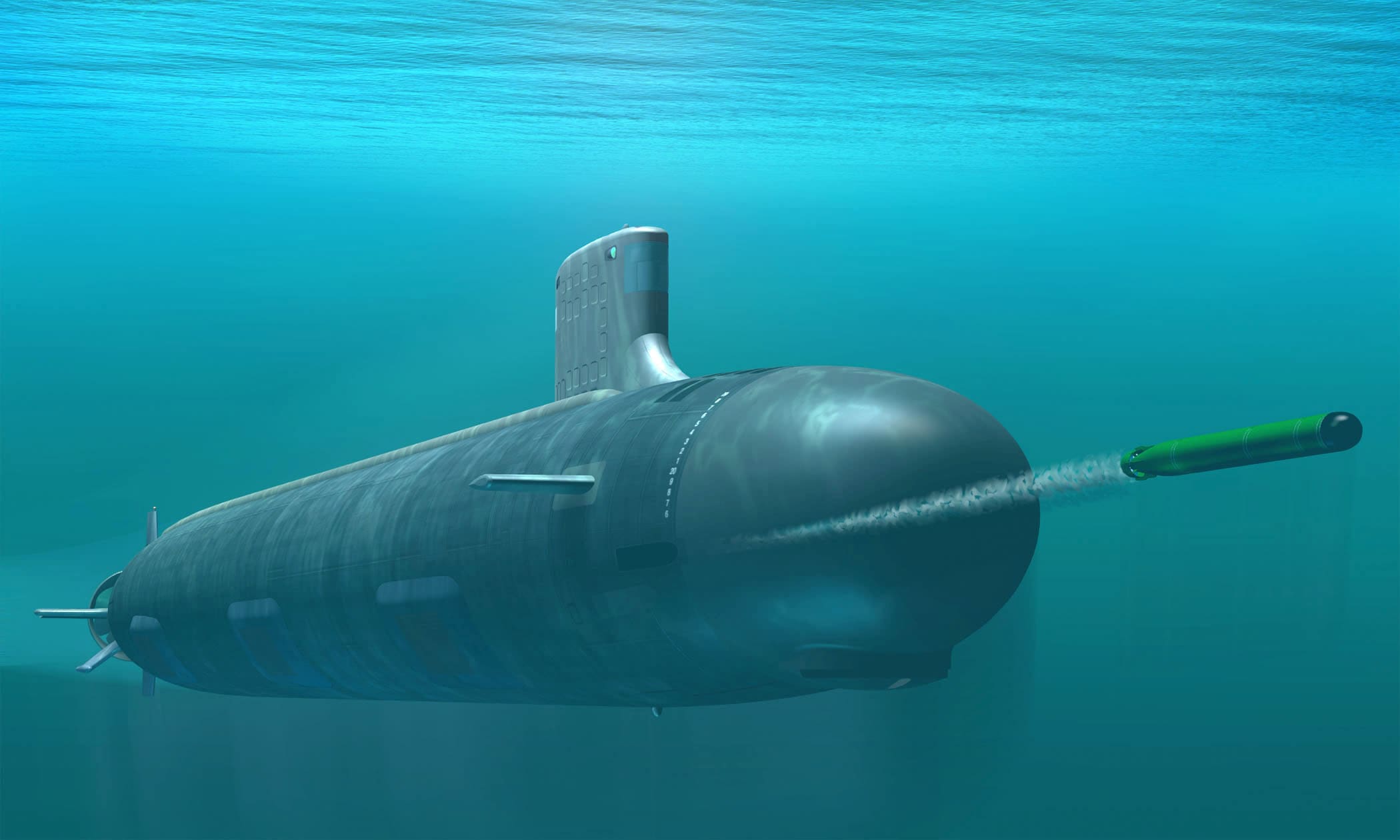
Sea: Founded in 1899 and based out of Reston, VA, General Dynamics’ predecessor was The Electric Boat Company, which developed the first modern naval submarine, which was purchased by the US Navy in 1900. The relationship with the maritime branch of the US armed services continues to this day. General Dynamics supplies the nuclear-powered, missile equipped Virginia and Columbia class submarines. It also makes the Arleigh Burke class guided missile destroyers. A new $642 million contract for additional Virginia class submarines was recently announced.
Land: For surface operations, General Dynamics’ M1 Abrams tanks, Light Armored Vehicles (LAV), Howitzers, Strykers, Wolverine Assault Bridges, and Expeditionary Fighting Vehicle (EFV) amphibious assault vehicles have all contributed heavily to US defense platforms. Other land based tactical transport vehicles for weaponry and personnel, mobile launchers for missiles, etc. would also fall into this category.
Air: Involvement in Aerospace is what prompted a name change from “The Electric Boat Company” to “General Dynamics”. Aviation projects initiated in Canada, when underperforming Canadair was acquired by Electric Boat. This led to a number of Cold War-era sales to the Royal Canadian Air Force transport, fighter, and patrol aircraft prior to that division being sold in the 1970s to Bombardier. During that same period, Convair, which made bombers for the US Air Force during WWII, was also acquired for US aviation projects.
General Dynamics would proceed to collaborate with Grumman (before its merger with Northrop) to develop the F-111 tactical fighter, which served as the prototype for Grumman’s subsequent F-14 Tomcat success, which was showcased in the first Tom Cruise Top Gun movie.
General Dynamics would go on to its own success with the F-16 Fighting Falcon. The F-16 has become the world’s most common fixed-wing military aircraft, with roughly 3,000 F-16s in operation around the globe at present.
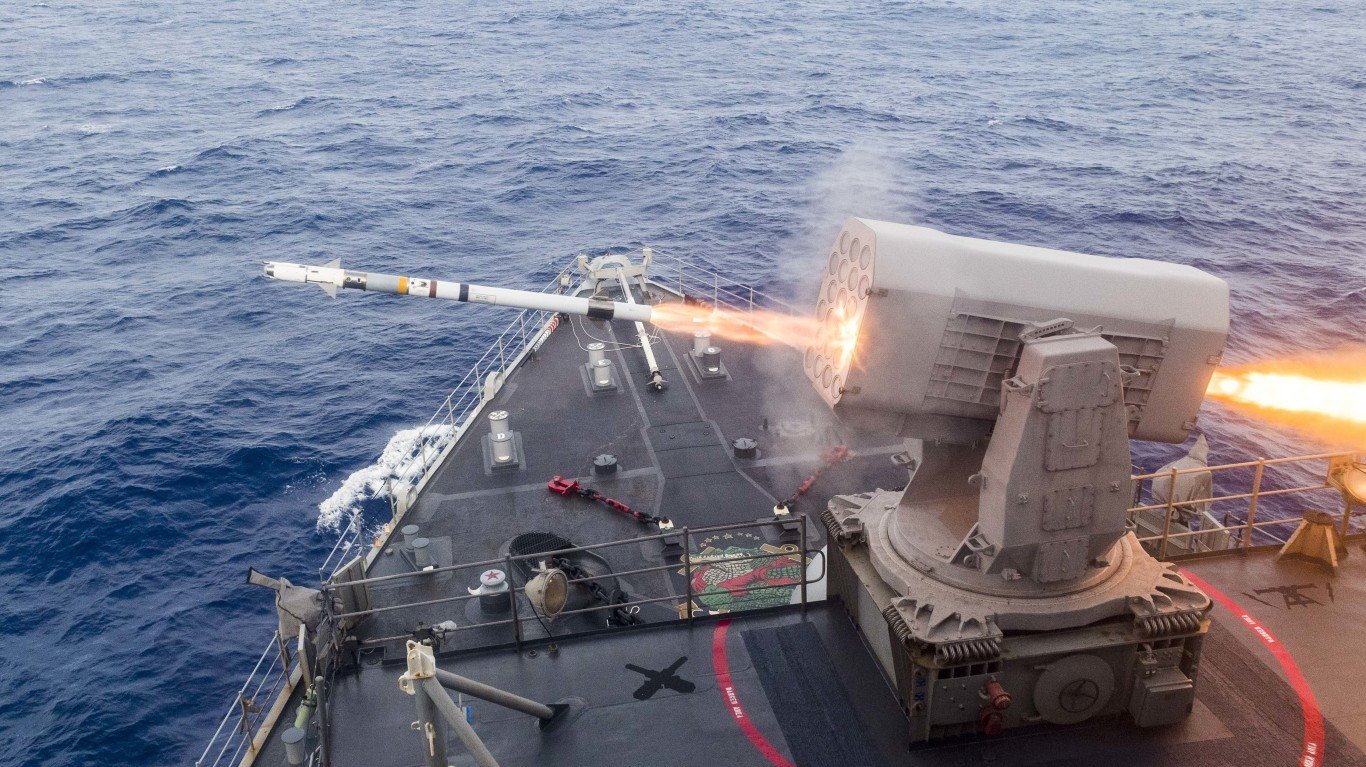
Missile systems and weaponry: General Dynamics’s subsidiaries created the SM-65 Atlas, which was the first US Intercontinental Ballistic Missile (ICBM). It would be followed by Stinger Surface-to-Air Missiles (SAM), Rolling Airframe Missiles (RAM), Tomahawk, and other missiles. The Phalanx CIWS maritime ship gun, GAU-17 and GAU-19 guns, avionics for drone systems, electronics, big data analytics and communications systems would also fall into this category.
IT: General Dynamic’s military Information Technology unit is highly regarded. It recently secured a $1.5 billion US Strategic Command IT modernization contract, primarily for cybersecurity protection over US nuclear weapons.
Non military subsidiaries: In addition to its military projects. General Dynamics is involved with commercial shipbuilding or tankers and cargo vessels, and owns private jet manufacturer Gulfstream.
The primary factors responsible for these double digit gains are global instability. General Dynamics equipment comprises a significant portion of arms deals to Israel for its war against Hamas terrorists in Gaza and to the war in Ukraine. US naval submarine deployments are increasing in the Indo-Pacific region due to new assessments of Chinese naval threats. The Pentagon also needs to replenish its missile supplies due to the Biden administration’s debacle in Afghanistan and its voluminous shipments in support of Ukraine.
Sturm, Ruger & Co.

Since the Supreme Court ruled to support the Second Amendment in the D.C. vs. Heller decision, personal gun ownership rights began to once again assert themselves against the anti-gun lobbies. Blue State policies favoring gun confiscation have lost support as a result of horrific murders, rapes, and assalts by repeat offenders set free through ineffective enforcement and lax local laws. This October, the Supreme Court is deliberating on another case that may extend concealed carry rights even further. 24/7 Wall Street recently published an updated article on open carry rights in each state.
US firearms manufacturer Sturm, Ruger, & Co. (NYSE: RGR) is currently sporting a 1.56% yield, is trading within 75 cents of its 52-week high, and currently has a “Strong Buy” rating from 57% of the analysts covering the stock. Announcements such as Florida’s confirmation on the legality of open carry in the state is expected to spread even further across the nation.
Ruger’s Mini-14 is still a top selling alternative to the AR-15 due to its wood stock and less “assault rifle” looking appearance, while its .22, Blackhawk, and Redhawk revolvers are still popular sellers.
Recent disclosures of the venerable 500-year old gun manufacturing legend Beretta owning a sizable minority stake in Ruger has led to speculation of some joint future projects.
Ruger stock is up 28.02% year-to-date. The enthusiasm behind the current support for the stock is a welcome bounce back from the doldrums over the past five years, where crime proliferated and gun control laws suppressed legal ownership in many blue states, in direct contradiction to the Second Amendment. Thankfully, this trend has reversed, and Ruger appears to be a primary beneficiary.
Contact [email protected] for any questions or corrections.
After 15 years on Wall Street with 7 of them as Director of Corporate and Municipal Bond Trading for a NYSE member firm, I started my own project and corporate finance consultancy. Much of the work involves writing business plans, presentations, white papers and marketing materials for companies seeking budgetary allocations for spinoffs and new initiatives or for raising capital for expansion or startup companies and entrepreneurs. On financial topics, I have been published under my own byline at The Motley Fool, 247wallst.com, DealFlow Events’ Healthcare Services Investment Newsletter and The Microcap Newsletter, among others. Additionally, I have done freelance ghostwriting writing and editing for several financial websites, such as Seeking Alpha and Shmoop Financial. I have also written and been published on a variety of other topics from music, audiophile sound and film to musical instrument history, martial arts, and current events. Publications include Copper Magazine, Fidelity (Germany), Blasting News, Inside Kung-Fu, and other periodicals.